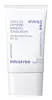
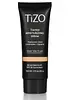
innisfree Daily UV Defense Mineral Sunscreen Broad Spectrum SPF 45 Versus TIZO Tinted Moisturizing Serum SPF 30


What's inside
What's inside
 Key Ingredients
Benefits
Ingredients Side-by-side
Zinc Oxide 17%
Cosmetic Colorant


Water
Skin ConditioningPropylheptyl Caprylate
EmollientButyloctyl Salicylate
Skin Conditioning
Propanediol
Solvent

Caprylyl Methicone
Skin Conditioning
Disiloxane
Skin Conditioning
Polyglyceryl-3 Polydimethylsiloxyethyl Dimethicone
Skin Conditioning
Polymethylsilsesquioxane
Polyglyceryl-2 Dipolyhydroxystearate
Skin Conditioning
Disteardimonium Hectorite
StabilisingMagnesium Sulfate
Triethoxycaprylylsilane
1,2-Hexanediol
Skin Conditioning
Silica
Abrasive

Lauryl Polyglyceryl-3 Polydimethylsiloxyethyl Dimethicone
Skin Conditioning
Synthetic Fluorphlogopite
Dicaprylyl Carbonate
EmollientCaprylyl Glycol
Emollient
Glyceryl Caprylate
EmollientCI 77288
Cosmetic ColorantMica
Cosmetic ColorantEthylhexylglycerin
Skin ConditioningSodium Hyaluronate
Humectant


Tocopherol
Antioxidant



Squalane
Emollient
Ceramide NP
Skin Conditioning

Niacinamide
Smoothing



Hydrolyzed Sodium Hyaluronate
Skin Conditioning
Panthenol
Skin Conditioning
Butylene Glycol
Humectant
Centella Asiatica Extract
Cleansing
Centella Asiatica Leaf Extract
Skin Conditioning
Saccharomyces Ferment
Skin Conditioning
Centella Asiatica Root Extract
Skin Conditioning
Hydroxypropyltrimonium Hyaluronate
Asiaticoside
Antioxidant
Madecassoside
Antioxidant
Hydrolyzed Hyaluronic Acid
Humectant
Sodium Acetylated Hyaluronate
Humectant
Hyaluronic Acid
Humectant
Sodium Hyaluronate Crosspolymer
Humectant
Potassium Hyaluronate
Skin ConditioningAsiatic Acid
Skin Conditioning
Madecassic Acid
Skin Conditioning
Zinc Oxide 17%, Water, Propylheptyl Caprylate, Butyloctyl Salicylate, Propanediol, Caprylyl Methicone, Disiloxane, Polyglyceryl-3 Polydimethylsiloxyethyl Dimethicone, Polymethylsilsesquioxane, Polyglyceryl-2 Dipolyhydroxystearate, Disteardimonium Hectorite, Magnesium Sulfate, Triethoxycaprylylsilane, 1,2-Hexanediol, Silica, Lauryl Polyglyceryl-3 Polydimethylsiloxyethyl Dimethicone, Synthetic Fluorphlogopite, Dicaprylyl Carbonate, Caprylyl Glycol, Glyceryl Caprylate, CI 77288, Mica, Ethylhexylglycerin, Sodium Hyaluronate, Tocopherol, Squalane, Ceramide NP, Niacinamide, Hydrolyzed Sodium Hyaluronate, Panthenol, Butylene Glycol, Centella Asiatica Extract, Centella Asiatica Leaf Extract, Saccharomyces Ferment, Centella Asiatica Root Extract, Hydroxypropyltrimonium Hyaluronate, Asiaticoside, Madecassoside, Hydrolyzed Hyaluronic Acid, Sodium Acetylated Hyaluronate, Hyaluronic Acid, Sodium Hyaluronate Crosspolymer, Potassium Hyaluronate, Asiatic Acid, Madecassic Acid
Zinc Oxide
Cosmetic Colorant
C12-15 Alkyl Benzoate
AntimicrobialCaprylhydroxamic Acid
Caprylyl Glycol
Emollient
Ceramide NP
Skin Conditioning
Cetyl PEG/PPG-10/1 Dimethicone
Emulsifying
Cyclohexasiloxane
Emollient
Cyclopentasiloxane
Emollient
Dimethicone
Emollient
Dimethicone Crosspolymer
Emulsion Stabilising
Dimethicone/Vinyl Dimethicone Crosspolymer
Skin Conditioning
Dimethiconol
Emollient
Disodium EDTA
Glycerin
Humectant
Hydrogen Dimethicone
Iron Oxides
Isododecane
EmollientIsohexadecane
EmollientLauryl PEG/PPG-18/18 Methicone
Skin Conditioning
Magnesium Sulfate
Microcrystalline Wax
Emulsion StabilisingOctadecene
SolventPEG-10 Dimethicone
Skin Conditioning
Polyhydroxystearic Acid
Emulsifying
Polysorbate 20
Emulsifying
Silica
Abrasive
Sodium Chloride
MaskingSodium Hyaluronate
Humectant
Stearyl Dimethicone
Emollient
Tetrahexyldecyl Ascorbate
Antioxidant
Titanium Dioxide
Cosmetic Colorant
Tocopheryl Acetate
Antioxidant
Triethanolamine
BufferingTriethoxycaprylylsilane
Water
Skin ConditioningZinc Oxide, C12-15 Alkyl Benzoate, Caprylhydroxamic Acid, Caprylyl Glycol, Ceramide NP, Cetyl PEG/PPG-10/1 Dimethicone, Cyclohexasiloxane, Cyclopentasiloxane, Dimethicone, Dimethicone Crosspolymer, Dimethicone/Vinyl Dimethicone Crosspolymer, Dimethiconol, Disodium EDTA, Glycerin, Hydrogen Dimethicone, Iron Oxides, Isododecane, Isohexadecane, Lauryl PEG/PPG-18/18 Methicone, Magnesium Sulfate, Microcrystalline Wax, Octadecene, PEG-10 Dimethicone, Polyhydroxystearic Acid, Polysorbate 20, Silica, Sodium Chloride, Sodium Hyaluronate, Stearyl Dimethicone, Tetrahexyldecyl Ascorbate, Titanium Dioxide, Tocopheryl Acetate, Triethanolamine, Triethoxycaprylylsilane, Water
Reviews
Ingredients Explained
These ingredients are found in both products.
Ingredients higher up in an ingredient list are typically present in a larger amount.
Caprylyl Glycol is a humectant, skin conditioner, emollient, and preservative booster derived from either caprylic acid or synthetically created.
Typical use levels vary from 0.3-1% as a preservative booster and go up to 2% to condition skin.
Because it is not a free-fatty acid or alcohol, this ingredient is fungal acne safe (there's nothing for Malassezia to feed on).
Learn more about Caprylyl GlycolCeramide NP (formerly known as Ceramide 3) is one of the skin's naturally occurring lipids.
Since ceramides are the major lipid components of the skin, they are crucial for maintaining skin barrier and hydration. Ceramide NP most closely mirrors the dominant kind in human skin amongst ceramide subtypes.
This ceramide works by slotting into gaps within the stratum corneum's lipid matrix to limit trans-epidermal water loss (TEWL) and shield the skin against external irritants.
A study with 312 patients found that using a ceramide-containing routine for 4 weeks reduced the severity of atopic dermatitis by over 61%.
Another clinical study in subjects aged 60 and older found that a ceramide body wash and moisturizer improved skin dryness and itchy skin in 15 days.
Overall, ceramides are considered non-irritating and safety tests have found little to no observable adverse effects from using this ingredient.
Ceramide NP is usually sourced from plants (like soybean or rice bran), or produced synthetically.
Learn more about Ceramide NPMagnesium Sulfate is a salt. More specifically, it is an epsom salt, or the bath salt used to help relieve muscle aches.
Despite having ‘sulfate’ in the name, it isn’t a surfactant or cleansing agent like sodium lauryl sulfate. Unlike those sulfates, magnesium sulfate doesn’t have the same cleansing or foaming properties (it's simply a type of salt).
In cosmetics, Magnesium Sulfate is used to thicken a product or help dilute other solids. It is a non-reactive and non-irritating ingredient.
One study shows magnesium deficiency may lead to inflammation of the skin. Applying magnesium topically may help reduce inflammation.
You can find this ingredient in sea water or mineral deposits.
Learn more about Magnesium SulfateSilica, also known as silicon dioxide, is a naturally occurring mineral. It is used as a fine, spherical, and porous powder in cosmetics.
Though it has exfoliant properties, the function of silica varies depending on the product.
The unique structure of silica enhances the spreadability and adds smoothness, making it a great texture enhancer.
It is also used as an active carrier, emulsifier, and mattifier due to its ability to absorb excess oil.
In some products, tiny microneedles called spicules are made from silica or hydrolyzed sponge. When you rub them in, they lightly polish away dead skin layers and enhance the penetration of active ingredients.
Learn more about SilicaSodium Hyaluronate is the salt form of hyaluronic acid. It is a long sugar chain that is naturally found in your skin, joints, and connective tissue that maintains hydration and elasticity.
In skincare, it works as a humectant. It pulls water from the environment and deeper layers of skin and binds it to the surface.
Interestingly, the size of the molecule affects its behavior:
Some clinical evidence links low molecular weight versions to improved wrinkle depth, elasticity, anti-inflammatory effects, and barrier repair.
Many serums use a blend of both weights so you can get surface hydration plus longer-lasting and deeper effects.
You'll typically see concentrations between 0.1-2% for this ingredient.
Learn more about Sodium HyaluronateTriethoxycaprylylsilane is a silicon-based surface modifier that makes sunscreens feel silky and makeup stay put.
Its main job is to coat mineral particles like titanium dioxide, zinc oxide, and color pigments in a thin, oily layer so they spread smoothly, don't clump, and stick to skin better.
This ingredient is typically used at low levels (up to 2.5% in eyeshadow and 1% in lipstick).
Learn more about TriethoxycaprylylsilaneWater. It's the most common cosmetic ingredient of all. You'll usually see it at the top of ingredient lists, meaning that it makes up the largest part of the product.
So why is it so popular? Water most often acts as a solvent - this means that it helps dissolve other ingredients into the formulation.
You'll also recognize water as that liquid we all need to stay alive. If you see this, drink a glass of water. Remember to stay hydrated!
Learn more about WaterZinc Oxide is a mineral broad-spectrum UV filter; it is the broadest UVA and UVB reflector approved by the FDA. It also has skin protectant and skin soothing properties.
Zinc oxide is one of the most effective broad-spectrum UV filters. It protects against UVB, UVAII, and UVAI. In comparison to its counterpart titanium dioxide, zinc oxide provides uniform and extended UVA protection.
Another great benefit? This ingredient is highly photostable so it won't degrade easily under sunlight.
A common myth is that mineral UV filters are widely believed to primarily reflect UV light.
However, modern research shows titanium dioxide absorbs UV radiation like chemical filters (~95% absorption & 5% reflection).
Zinc oxide has great skin soothing properties so you'll likely find this in sunscreens formulated for sensitive skin or babies/children. It is unlikely to cause "eye sting" like other sunscreen ingredients.
Regulatory agencies consider zinc oxide to be non-toxic and safe. It has also been shown to not penetrate the skin.
Unfortunately, this ingredient does leave a visible white cast. This is why mineral sunscreens are often less cosmetically elegant than chemical or hybrid ones.
In cosmetics, zinc oxide can be found in both non-nano and nano-sized forms. The nano version is used to reduce white cast and improve the texture of sunscreen formulas.
There are ongoing concerns surrounding nano-zinc oxide's impact on marine ecosystems and whether it can be absorbed into skin.
Regarding marine ecosystems and coral reefs, there is no conclusive evidence that any form of zinc oxide (or any other sunscreen ingredients) will cause harm. The science is still developing but many consumers are keeping a close eye on this issue.
Please note, many destinations have reef-safety sunscreen rules. For instance, the U.S. Virgin Islands advises all visitors to use non-nano mineral sunscreens.
There has also been some stir about whether micronized or nano zinc oxide has potential photoxicity and absorption through the skin/lungs.
An in-vitro (done in a test tube or petri dish) study demonstrated micronized zinc oxide to have potential phototoxicity. There's no need to fret; the EU Commission's Scientific Committee on Consumer Safety has stated, "The relevance of these findings needs to be clarified by appropriate investigations in vivo." Or in other words, further studies done on living organisms are needed to prove this.
Current research shows zinc oxide nanoparticles do not penetrate intact or sunburned skin. They either remain on the surface or in the outermost layer of dead skin (stratum corneum).
Zinc oxide is one of only two classified mineral UV filters with titanium dioxide being the other one.
Fun fact: Zinc has been used throughout history as an ingredient in paint and medicine. An Indian text from 500BC is believed to list zinc oxide as a salve for open wound. The Ancient Greek physician Dioscorides has also mentioned the use of zinc as an ointment in 1AD.
Learn more about Zinc Oxide
