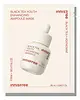
This anti-aging sheet mask is formulated around Niacinamide and Squalane to soften the look of wrinkles and hydrate skin.
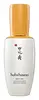
This hydrating serum is formulated around Glycyrrhiza Uralensis Root Extract and Camellia Sinensis Leaf Extract to hydrate skin.

What's inside
What's inside
 Key Ingredients
Benefits
Concerns
Ingredients Side-by-side
Water
Skin ConditioningGlycerin
Humectant


Butylene Glycol
Humectant
Dipropylene Glycol
HumectantNiacinamide
Smoothing









Glyceryl Polymethacrylate
Squalane
Emollient
Erythritol
Humectant
Polyglyceryl-10 Myristate
Skin Conditioning

1,2-Hexanediol
Skin Conditioning
Xanthan Gum
EmulsifyingAmmonium Acryloyldimethyltaurate/Vp Copolymer
Allantoin
Skin Conditioning
Polyglyceryl-10 Laurate
Skin Conditioning
Glyceryl Caprylate
EmollientAcrylates/C10-30 Alkyl Acrylate Crosspolymer
Emulsion StabilisingArginine
Masking
Centella Asiatica Extract
Cleansing
Adenosine
Skin Conditioning
Ethylhexylglycerin
Skin ConditioningPaeonia Suffruticosa Root Extract
Skin ProtectingChamomilla Recutita Flower Extract
Masking
Disodium EDTA
ChelatingParfum
Masking



Achillea Millefolium Extract
CleansingDextrin
AbsorbentTheobroma Cacao Extract
Skin ConditioningHydrogenated Lecithin
Emulsifying
Limonene
Perfuming
Sodium Hyaluronate
Humectant
Camellia Sinensis Leaf Extract
Antimicrobial
Ceramide NP
Skin Conditioning
Hyaluronic Acid
Humectant
Water, Glycerin, Butylene Glycol, Dipropylene Glycol, Niacinamide, Glyceryl Polymethacrylate, Squalane, Erythritol, Polyglyceryl-10 Myristate, 1,2-Hexanediol, Xanthan Gum, Ammonium Acryloyldimethyltaurate/Vp Copolymer, Allantoin, Polyglyceryl-10 Laurate, Glyceryl Caprylate, Acrylates/C10-30 Alkyl Acrylate Crosspolymer, Arginine, Centella Asiatica Extract, Adenosine, Ethylhexylglycerin, Paeonia Suffruticosa Root Extract, Chamomilla Recutita Flower Extract, Disodium EDTA, Parfum, Achillea Millefolium Extract, Dextrin, Theobroma Cacao Extract, Hydrogenated Lecithin, Limonene, Sodium Hyaluronate, Camellia Sinensis Leaf Extract, Ceramide NP, Hyaluronic Acid
Water
Skin ConditioningButylene Glycol
Humectant
Alcohol
Antimicrobial

Glycerin
Humectant
Betaine
Humectant
PEG/PPG-17/6 Copolymer
SolventGlyceryl Polymethacrylate
Ophiopogon Japonicus Root Extract
Skin ConditioningPhenoxyethanol
Preservative
Bis-PEG-18 Methyl Ether Dimethyl Silane
EmollientPEG-60 Hydrogenated Castor Oil
Emulsifying
Carbomer
Emulsion StabilisingTromethamine
BufferingGlycyrrhiza Uralensis Root Extract
Skin Conditioning
Parfum
Masking
Honey
Humectant
Juglans Regia Seed Extract
Skin ConditioningTheobroma Cacao Extract
Skin ConditioningDextrin
AbsorbentLilium Candidum Bulb Extract
Skin ConditioningPaeonia Albiflora Root Extract
Skin ConditioningRehmannia Glutinosa Root Extract
Skin ConditioningPolygonatum Officinale Rhizome/Root Extract
Skin ConditioningNelumbo Nucifera Flower Extract
Skin ConditioningXanthan Gum
EmulsifyingEthylhexylglycerin
Skin ConditioningPortulaca Oleracea Extract
Skin Conditioning
Limonene
Perfuming
Camellia Sinensis Leaf Extract
Antimicrobial
Disodium EDTA
ChelatingPhenyl Trimethicone
Skin Conditioning
Chondrus Crispus
Masking
Linalool
Perfuming
Biosaccharide Gum-1
Humectant
Ziziphus Jujuba Fruit Extract
Skin ConditioningNatto Gum
Citronellol
Perfuming
Citral
Perfuming
Propylene Glycol
Humectant
Geraniol
Perfuming
Chlorphenesin
Antimicrobial
Hydrogenated Lecithin
Emulsifying
BHT
Antioxidant
Sodium Dehydroacetate
Preservative
Potassium Sorbate
Preservative
Citric Acid
Buffering
Sorbic Acid
Preservative
Tocopherol
Antioxidant
Water, Butylene Glycol, Alcohol, Glycerin, Betaine, PEG/PPG-17/6 Copolymer, Glyceryl Polymethacrylate, Ophiopogon Japonicus Root Extract, Phenoxyethanol, Bis-PEG-18 Methyl Ether Dimethyl Silane, PEG-60 Hydrogenated Castor Oil, Carbomer, Tromethamine, Glycyrrhiza Uralensis Root Extract, Parfum, Honey, Juglans Regia Seed Extract, Theobroma Cacao Extract, Dextrin, Lilium Candidum Bulb Extract, Paeonia Albiflora Root Extract, Rehmannia Glutinosa Root Extract, Polygonatum Officinale Rhizome/Root Extract, Nelumbo Nucifera Flower Extract, Xanthan Gum, Ethylhexylglycerin, Portulaca Oleracea Extract, Limonene, Camellia Sinensis Leaf Extract, Disodium EDTA, Phenyl Trimethicone, Chondrus Crispus, Linalool, Biosaccharide Gum-1, Ziziphus Jujuba Fruit Extract, Natto Gum, Citronellol, Citral, Propylene Glycol, Geraniol, Chlorphenesin, Hydrogenated Lecithin, BHT, Sodium Dehydroacetate, Potassium Sorbate, Citric Acid, Sorbic Acid, Tocopherol
Reviews
Ingredients Explained
These ingredients are found in both products.
Ingredients higher up in an ingredient list are typically present in a larger amount.
Butylene Glycol (or BG) is used within cosmetic products for a few different reasons:
Overall, Butylene Glycol is a safe and well-rounded ingredient that works well with other ingredients.
Though this ingredient works well with most skin types, some people with sensitive skin may experience a reaction such as allergic rashes, closed comedones, or itchiness.
Learn more about Butylene GlycolCamellia Sinensis Leaf Extract (tea extract) is one of the most well-researched plant extracts in skincare with an impressive resume.
Black tea, green tea, and oolong tea are all harvested from the Camellia Sinensis plant.
Studies show green tea extract and its catechins (like epigallocatechin gallate (EGCG)) help your skin cells product energy more efficiently and reducing the number of free-radicals that can damage your skin from the inside.
In lab-grown skin models, this translated to younger, healthier, and stronger skin.
There's also good sun protection data; researchers saw less DNA damage and redness on human skin when green tea was applied before UVB exposure. And the more they applied, the better the protection.
Needless to say, this ingredient shouldn't replace your sunscreen. But it is a great supportive ingredient that you can already find in many sunscreens and antioxidant serums.
A 2009 study found a 2% green tea lotion was effective for mild-to-moderate acne thanks to its anti-inflammatory and mild antimicrobial activity.
The quality of the extract matters a lot here:
Good extracts contain 50-90% catechins while lower quality ones are mostly there for marketing. We recommend reaching out to the brand if you have questions about the quality or source of their ingredients.
Human Repeated Insult Patch Testing showed no irritation or sensitization at use concentrations (0.86% in leave-on products and up to 30% as leaf water).
Learn more about Camellia Sinensis Leaf ExtractDextrin is a starch-derived polysaccharide. It's made by partially breaking down corn, potato, or other plant starches.
Think of it as "half-processed" starch; it's less complex than the original but not fully broken down into sugar like maltodextrin.
In cosmetics, it mainly functions as a bulking agent, viscosity controller, binder, and absorbent. It helps thicken products, stabilize powders, and get certain textures a less "wet" feel.
This ingredient has a pretty solid safety profile; it's recognized as a safe food additive and its large molecular size means it doesn't meaningfully penetrate skin.
Human repeat insult patch tests using a rinse-off facial product containing 42.69% dextrin found no skin irritation or sensitization in 54 subjects.
Typical real-world usage is much lower: usually under 1% as a texture modifier and up to 40% in masks (rinse off products use less).
Learn more about DextrinDisodium EDTA is a chelating agent. It grabs onto and deactivates metal ions that sneak into your products from water, packaging, or air.
This ingredient mainly works behind the scenes and helps with:
On top of that, this ingredient can counteract the effects of hard water by binding to the minerals in it.
One thing worth knowing is that Disodium EDTA has been shown to be a mild penetration enhancer. It can help other ingredients absorb into skin more effectively which can be a double-edged sword (great for actives, but can also make the active too strong if you have sensitive skin).
Clinical patch testing showed no significant skin irritation at typical use concentrations and minimal dermal absorption.
You'll most likely see this ingredient near the end of an ingredient list. It's typically found in concentrations less than 1%.
Learn more about Disodium EDTAEthylhexylglycerin is created from glycerin. It is a multitasker ingredient that:
The CIR Expert Panel found minimal skin absorption or sensitization of any kind in a safety assessment. Though this ingredient is considered well-tolerated, a small number of cases of allergic dermatitis have been published since 2002. Just be sure to patch test if you are unsure.
Industry-reported use ranges from 8% in rinse-off products and 2% in leave-on formulations.
Learn more about EthylhexylglycerinGlycerin (or glycerol) is a compound naturally found in your skin. It's a powerhouse humectant that pulls water into the stratum corneum.
Topically, glycerin does several things at once:
Your skin makes glycerin on its own (mostly from sebaceous oil breakdown) and shuttles it to your outermost layer of skin, or your epidermis, via aquaporin-3.
Aquaporin-3 is a transporter that is essential for normal skin hydration, elasticity, and repair. Interestingly, mice lacking in AQP3 have dry and less elastic skin that can be fully corrected with glycerin.
This ingredient is non-irritating, plays well with almost every ingredient, and works across all skin types. Typical use is anywhere between 3-10% but can go up to 79% in some leave-on products.
Just know very high concentrations (>40%) can feel tacky in low humidity.
Glycerin is the name for this ingredient in American English. British English uses Glycerol/Glycerine.
Learn more about GlycerinThis is a synthetic polymer made by combining glycerin with polymethacrylic acid.
It is a non-drying, non-greasy moisturizer that helps enhance the feel and slip of formulations, helps stabilize emulsions, creates a film, and controls viscosity.
As a film former, it creates a light and flexible layer on the skin's surface. This helps lock in moisture without feeling heavy.
It's typically used at concentrations up to 1.9% in leave-on products. CIR has concluded that these ingredients are safe in cosmetics at current use levels.
Due to its large molecule size, it doesn't readily penetrate into skin and mostly just sits on the surface. A large UK-based patch test study of over 1,300 patients found that sensitization to related acrylate copolymers is rare.
Learn more about Glyceryl PolymethacrylateHydrogenated Lecithin is a more stable version of lecithin.
It's made by taking lecithin (a phospholipid commonly found in soybeans and egg yolks) and hydrogenating it. This just means the unsaturated fatty acids are turned into saturated ones so they don't go bad as easily.
This ingredient is an emollient, emulsifier, and penetration enhancer. As an emollient, it helps soften and hydrate skin by trapping moisture within. As an emulsifier, it prevents oil and water ingredients from separating.
Hydrogenated Lecithin can form tiny spherical structures made of phospholipid bilayers called liposomes. These liposomes are able to capture compounds inside their structure and deliver them through the skin barrier.
Because phospholipids are a natural component of our cell membranes, this ingredient is inherently compatible with skin.
A 2021 study found lecithin-based surfactants were less harsh and more tolerable comared to Sodium Lauryl Sulfate (SLS).
Learn more about Hydrogenated LecithinLimonene is the compound that gives citrus peel its smell.
In skincare, it shows up as a standalone fragrance ingredient or as a natural compound of citrus and other essential oils.
You'll typically see this ingredient used in very small amounts; anything above 0.001% in a leave-on product or 0.01% in a rinse-off has to be named on the label in the EU. The citrus oils that carry it sit around 0.5-1% in a finished formula.
Fresh limonene is a weak allergen; the real issue is that it slowly reacts with air and then breaks down from oxidation to create hydroperoxides (which are strong sensitizers). This is why suppliers are required to keep the peroxide value below 20 mmol.
Positive reactions in people being investigated for eczema vary:
It's worth skipping if you have a known fragrance allergy or a compromised barrier, but the risk is low for most people.
Older or long-opened products are also more likely to bother you than fresh ones due to oxidation.
Learn more about LimoneneParfum is a catch-all term for an ingredient or more that is used to give a scent to products.
Also called "fragrance", this ingredient can be a blend of hundreds of chemicals or plant oils. This means every product with "fragrance" or "parfum" in the ingredients list is a different mixture.
For instance, Habanolide is a proprietary trade name for a specific aroma chemical. When used as a fragrance ingredient in cosmetics, most aroma chemicals fall under the broad labeling category of “FRAGRANCE” or “PARFUM” according to EU and US regulations.
The term 'parfum' or 'fragrance' is not regulated in many countries. In many cases, it is up to the brand to define this term.
For instance, many brands choose to label themselves as "fragrance-free" because they are not using synthetic fragrances. However, their products may still contain ingredients such as essential oils that are considered a fragrance by INCI standards.
One example is Calendula flower extract. Calendula is an essential oil that still imparts a scent or 'fragrance'.
Depending on the blend, the ingredients in the mixture can cause allergies and sensitivities on the skin. Some ingredients that are known EU allergens include linalool and citronellol.
Parfum can also be used to mask or cover an unpleasant scent.
The bottom line is: not all fragrances/parfum/ingredients are created equally. If you are worried about fragrances, we recommend taking a closer look at an ingredient. And of course, we always recommend speaking with a professional.
Learn more about ParfumThis ingredient is extracted from the seeds of the cocoa tree.
Cacao seeds contain antioxidants known as polyphenols. These include flavonoids, procyanidins, and epicatechins.
Studies show these polyphenols help improve skin health.
The more famous ingredient from cocoa tree is cocoa butter.
Learn more about Theobroma Cacao ExtractWater. It's the most common cosmetic ingredient of all. You'll usually see it at the top of ingredient lists, meaning that it makes up the largest part of the product.
So why is it so popular? Water most often acts as a solvent - this means that it helps dissolve other ingredients into the formulation.
You'll also recognize water as that liquid we all need to stay alive. If you see this, drink a glass of water. Remember to stay hydrated!
Learn more about WaterXanthan gum is used as a stabilizer and thickener within cosmetic products. It helps give products a sticky, thick feeling - preventing them from being too runny.
On the technical side of things, xanthan gum is a polysaccharide - a combination consisting of multiple sugar molecules bonded together.
Xanthan gum is a pretty common and great ingredient. It is a natural, non-toxic, non-irritating ingredient that is also commonly used in food products.
Learn more about Xanthan Gum

