Huangjisoo Pure Daily Foaming Cleanser Moisturizing Versus SKIN1004 Madagascar Centella Poremizing Light Gel Cream
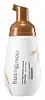
This mild foaming cleanser is made to cleanse without leaving your skin tight or dry.
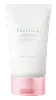
This pore-care moisturizer is formulated around Centella Asiatica Extract and Niacinamide to refine the look of pores and calm redness.

What's inside
What's inside
 Key Ingredients
Benefits
Concerns
Ingredients Side-by-side
Sodium Cocoyl Apple Amino Acids
Foam Boosting
Water
Skin ConditioningPunica Granatum Extract
AstringentLaminaria Japonica Extract
Skin Protecting


Polygonum Multiflorum Root Extract
Skin ConditioningAngelica Gigas Root Extract
Skin ConditioningPanax Ginseng Root Extract
Emollient
Trehalose
Humectant

Rubus Coreanus Fruit Extract
Skin ConditioningCinnamomum Cassia Bark Extract
Masking
Camellia Sinensis Leaf Extract
Antimicrobial



Morus Alba Leaf Extract
Skin ConditioningAnthemis Nobilis Flower Extract
Masking
Glycerin
Humectant
Iris Florentina Root Extract
MaskingLycium Chinense Fruit Extract
Antioxidant
Yeast Extract
Skin ConditioningTriticum Vulgare Seed Extract
BufferingScutellaria Baicalensis Root Extract
Astringent
Equisetum Giganteum Extract
Skin ConditioningGinkgo Biloba Leaf Extract
Skin Conditioning
Vitis Vinifera Seed Extract
Antimicrobial
Cimicifuga Dahurica Root Extract
Antioxidant
Pulsatilla Koreana Extract
Skin Conditioning1,2-Hexanediol
Skin Conditioning
Zanthoxylum Piperitum Fruit Extract
Skin ConditioningBeta-Glucan
Skin Conditioning
Acacia Concinna Fruit Extract
Skin ConditioningAllantoin
Skin Conditioning
Hyaluronic Acid
Humectant
Ceramide AP
Skin Conditioning
Butylene Glycol
Humectant
Caprylyl Glycol
Emollient
Cupressus Sempervirens Oil
Masking
Cymbopogon Martini Oil
Masking
Citrus Aurantium Bergamia Leaf Oil
Astringent
Origanum Majorana Leaf Oil
Masking
Citrus Reticulata Leaf Oil
Masking

Geranium Maculatum Oil
Masking
Sodium Cocoyl Apple Amino Acids, Water, Punica Granatum Extract, Laminaria Japonica Extract, Polygonum Multiflorum Root Extract, Angelica Gigas Root Extract, Panax Ginseng Root Extract, Trehalose, Rubus Coreanus Fruit Extract, Cinnamomum Cassia Bark Extract, Camellia Sinensis Leaf Extract, Morus Alba Leaf Extract, Anthemis Nobilis Flower Extract, Glycerin, Iris Florentina Root Extract, Lycium Chinense Fruit Extract, Yeast Extract, Triticum Vulgare Seed Extract, Scutellaria Baicalensis Root Extract, Equisetum Giganteum Extract, Ginkgo Biloba Leaf Extract, Vitis Vinifera Seed Extract, Cimicifuga Dahurica Root Extract, Pulsatilla Koreana Extract, 1,2-Hexanediol, Zanthoxylum Piperitum Fruit Extract, Beta-Glucan, Acacia Concinna Fruit Extract, Allantoin, Hyaluronic Acid, Ceramide AP, Butylene Glycol, Caprylyl Glycol, Cupressus Sempervirens Oil, Cymbopogon Martini Oil, Citrus Aurantium Bergamia Leaf Oil, Origanum Majorana Leaf Oil, Citrus Reticulata Leaf Oil, Geranium Maculatum Oil
Centella Asiatica Extract
Cleansing
Water
Skin ConditioningPropanediol
Solvent
Aloe Barbadensis Leaf Extract
Emollient
1,2-Hexanediol
Skin Conditioning
Niacinamide
Smoothing


Glycerin
Humectant
Xylitol
Humectant
Butylene Glycol
Humectant
Carbomer
Emulsion StabilisingTromethamine
BufferingSodium Polyacryloyldimethyl Taurate
Emulsion StabilisingBiosaccharide Gum-1
Humectant
Betaine
Humectant
Pvp
Emulsion StabilisingSedum Sarmentosum Extract
HumectantHydrogenated Polydecene
EmollientEthylhexylglycerin
Skin ConditioningAdenosine
Skin Conditioning
Hydroxyethylcellulose
Emulsion StabilisingCoccinia Indica Fruit Extract
Skin Conditioning
Eclipta Prostrata Extract
Skin Conditioning
Hydrolyzed Gardenia Florida Extract
Antioxidant
Hydrolyzed Malt Extract
Skin ConditioningDisodium EDTA
ChelatingHydrolyzed Viola Tricolor Extract
Skin ProtectingMelia Azadirachta Flower Extract
Skin ConditioningOcimum Sanctum Leaf Extract
Skin ConditioningMelia Azadirachta Leaf Extract
Skin ConditioningTrideceth-10
CleansingSea Water
HumectantPanthenol
Skin Conditioning
Curcuma Longa Root Extract
Antioxidant
Hyaluronic Acid
Humectant
Hydrolyzed Hyaluronic Acid
Humectant
Sodium Hyaluronate
Humectant
Xylitylglucoside
Humectant
Corallina Officinalis Extract
Skin Conditioning
Anhydroxylitol
Humectant
Oenothera Biennis Flower Extract
AstringentPueraria Lobata Root Extract
HumectantPinus Palustris Leaf Extract
TonicUlmus Davidiana Root Extract
Skin Conditioning
Castanea Crenata Shell Extract
Skin ConditioningHamamelis Virginiana Leaf Water
Astringent
Lavandula Angustifolia Flower Extract
Cleansing
Chamaecyparis Obtusa Water
MaskingChenopodium Quinoa Seed Extract
Skin Conditioning
Allantoin
Skin Conditioning
CI 77004
Cosmetic ColorantMineral Salts
Skin ConditioningCentella Asiatica Extract, Water, Propanediol, Aloe Barbadensis Leaf Extract, 1,2-Hexanediol, Niacinamide, Glycerin, Xylitol, Butylene Glycol, Carbomer, Tromethamine, Sodium Polyacryloyldimethyl Taurate, Biosaccharide Gum-1, Betaine, Pvp, Sedum Sarmentosum Extract, Hydrogenated Polydecene, Ethylhexylglycerin, Adenosine, Hydroxyethylcellulose, Coccinia Indica Fruit Extract, Eclipta Prostrata Extract, Hydrolyzed Gardenia Florida Extract, Hydrolyzed Malt Extract, Disodium EDTA, Hydrolyzed Viola Tricolor Extract, Melia Azadirachta Flower Extract, Ocimum Sanctum Leaf Extract, Melia Azadirachta Leaf Extract, Trideceth-10, Sea Water, Panthenol, Curcuma Longa Root Extract, Hyaluronic Acid, Hydrolyzed Hyaluronic Acid, Sodium Hyaluronate, Xylitylglucoside, Corallina Officinalis Extract, Anhydroxylitol, Oenothera Biennis Flower Extract, Pueraria Lobata Root Extract, Pinus Palustris Leaf Extract, Ulmus Davidiana Root Extract, Castanea Crenata Shell Extract, Hamamelis Virginiana Leaf Water, Lavandula Angustifolia Flower Extract, Chamaecyparis Obtusa Water, Chenopodium Quinoa Seed Extract, Allantoin, CI 77004, Mineral Salts
Reviews
Alternatives
Ingredients Explained
These ingredients are found in both products.
Ingredients higher up in an ingredient list are typically present in a larger amount.
1,2-Hexanediol is a synthetic liquid and another multi-functional powerhouse.
It is a:
- Humectant, drawing moisture into the skin
- Emollient, helping to soften skin
- Solvent, dispersing and stabilizing formulas
- Preservative booster, enhancing the antimicrobial activity of other preservatives
Allantoin is a soothing ingredient known for its protective and moisturizing properties; it's basically a quiet workhorse ingredient you can find in a huge range of cosmetics.
Though it can be derived from the comfrey plant, allantoin is produced synthetically for cosmetic products to ensure purity.
Research shows it can encourage your skin cells to turn over and renew by stimulating keratinocyte and fibroblast proliferation.
It also has mild keratolytic properties to help loosen and shed dead skin cells without being harsh.
Studies also suggest allantoin can help calm inflammation by dialing down some of the chemical signals your skin sends out when it is irritated.
This ingredient is typically used in the 0.1-0.5% range, and the FDA recognizes it as a skin protectant in OTC products up to 2%.
Overall, allantoin is a wonderful addition to most routines; it is stable across a wide pH range (~4-8), works well with other ingredients, and is considered non-sensitizing/non-irritating.
Fun fact: Allantoin is naturally occurring in comfrey root, beets, chamomile, and wheat sprouts. Our bodies even produce it as a byproduct of uric acid metabolism.
Learn more about AllantoinButylene Glycol (or BG) is used within cosmetic products for a few different reasons:
Overall, Butylene Glycol is a safe and well-rounded ingredient that works well with other ingredients.
Though this ingredient works well with most skin types, some people with sensitive skin may experience a reaction such as allergic rashes, closed comedones, or itchiness.
Learn more about Butylene GlycolGlycerin (or glycerol) is a compound naturally found in your skin. It's a powerhouse humectant that pulls water into the stratum corneum.
Topically, glycerin does several things at once:
Your skin makes glycerin on its own (mostly from sebaceous oil breakdown) and shuttles it to your outermost layer of skin, or your epidermis, via aquaporin-3.
Aquaporin-3 is a transporter that is essential for normal skin hydration, elasticity, and repair. Interestingly, mice lacking in AQP3 have dry and less elastic skin that can be fully corrected with glycerin.
This ingredient is non-irritating, plays well with almost every ingredient, and works across all skin types. Typical use is anywhere between 3-10% but can go up to 79% in some leave-on products.
Just know very high concentrations (>40%) can feel tacky in low humidity.
Glycerin is the name for this ingredient in American English. British English uses Glycerol/Glycerine.
Learn more about GlycerinHyaluronic acid (HA) is a glycosaminoglycan (basically a long sugar chain) that your skin already makes on its own. In your skin, HA lives in the extracellular matrix and acts as the body's moisture reservoir.
Topically, HA is a humectant that binds water and helps skin look more plump, smooth, and hydrated.
The only catch is that HA isn't a single thing; it actually comes in a wide range of molecular weights (~50 - 2,000+ kDA) and size matters.
Some clinical evidence links low molecular weight versions to improved wrinkle depth, elasticity, anti-inflammatory effects, and barrier repair.
This is why the best HA serums blend the two sizes together so you get the best of both worlds.
The majority of cosmetic HA is produced by bacterial fermentation, typically using Streptococcus or Bacillus strains. Typical use levels in skincare sit around 0.1-2%.
A clinical study using a 0.2% low-molecular weight HA gel showed improvement in facial seborrheic dermatitis with excellent tolerance.
These are some other common types of Hyaluronic Acid:
Learn more about Hyaluronic AcidWater. It's the most common cosmetic ingredient of all. You'll usually see it at the top of ingredient lists, meaning that it makes up the largest part of the product.
So why is it so popular? Water most often acts as a solvent - this means that it helps dissolve other ingredients into the formulation.
You'll also recognize water as that liquid we all need to stay alive. If you see this, drink a glass of water. Remember to stay hydrated!
Learn more about Water

