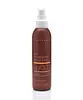
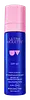
Histomer Histan Sun Protection Spray Lotion SPF 30 Versus Ultra Violette Preen Screen SPF 50 Reapplication Mist
This chemical sunscreen covers the full UV range and blocks ~97% of UVB at SPF 30.
This chemical sunscreen covers the full UV range and blocks ~98% of UVB at SPF 50.


What's inside
What's inside
 Key Ingredients
Benefits
Concerns
Ingredients Side-by-side
Water
Skin ConditioningDibutyl Adipate
EmollientDiethylamino Hydroxybenzoyl Hexyl Benzoate
UV Filter
Ethylhexyl Salicylate
UV Absorber
Bis-Ethylhexyloxyphenol Methoxyphenyl Triazine
UV Absorber
Diethylhexyl Butamido Triazone
UV Absorber
Ethylhexyl Triazone
UV Absorber
Polyester-5
Potassium Cetyl Phosphate
EmulsifyingDaucus Carota Sativa Callus Lysate
Antioxidant
Mangifera Indica Fruit Extract
Skin ConditioningCarica Papaya Fruit Extract
Skin ConditioningCocos Nucifera Fruit Extract
Emollient
Methoxyphenylethenyl T-Butylbenzoate
UV AbsorberLecithin
Emollient

Sodium Hydroxide
BufferingGlycerin
Humectant
Tocopherol
Antioxidant




Phenoxyethanol
Preservative
Polyglyceryl-4 Stearate
Emulsifying

Parfum
Masking



1,2-Hexanediol
Skin Conditioning
Hydroxyacetophenone
Antioxidant
Caprylyl Glycol
Emollient
Propylene Glycol
Humectant
Ascorbyl Palmitate
Antioxidant
Acrylates/Beheneth-25 Methacrylate Copolymer
Polyacrylate Crosspolymer-6
Emulsion StabilisingEthylhexylglycerin
Skin ConditioningTetrasodium Glutamate Diacetate
ChelatingT-Butyl Alcohol
Perfuming

Benzyl Salicylate
Perfuming
Linalool
Perfuming
Tetramethyl Acetyloctahydronaphthalenes
Masking
Acetyl Cedrene
Geranyl Acetate
Perfuming
Limonene
Perfuming
Citronellol
Perfuming
Citrus Aurantifolia Peel Oil
Masking
Benzaldehyde
Masking
Citric Acid
Buffering
Water, Dibutyl Adipate, Diethylamino Hydroxybenzoyl Hexyl Benzoate, Ethylhexyl Salicylate, Bis-Ethylhexyloxyphenol Methoxyphenyl Triazine, Diethylhexyl Butamido Triazone, Ethylhexyl Triazone, Polyester-5, Potassium Cetyl Phosphate, Daucus Carota Sativa Callus Lysate, Mangifera Indica Fruit Extract, Carica Papaya Fruit Extract, Cocos Nucifera Fruit Extract, Methoxyphenylethenyl T-Butylbenzoate, Lecithin, Sodium Hydroxide, Glycerin, Tocopherol, Phenoxyethanol, Polyglyceryl-4 Stearate, Parfum, 1,2-Hexanediol, Hydroxyacetophenone, Caprylyl Glycol, Propylene Glycol, Ascorbyl Palmitate, Acrylates/Beheneth-25 Methacrylate Copolymer, Polyacrylate Crosspolymer-6, Ethylhexylglycerin, Tetrasodium Glutamate Diacetate, T-Butyl Alcohol, Benzyl Salicylate, Linalool, Tetramethyl Acetyloctahydronaphthalenes, Acetyl Cedrene, Geranyl Acetate, Limonene, Citronellol, Citrus Aurantifolia Peel Oil, Benzaldehyde, Citric Acid
Diethylamino Hydroxybenzoyl Hexyl Benzoate
UV Filter
Ethylhexyl Methoxycinnamate
UV Absorber
Bis-Ethylhexyloxyphenol Methoxyphenyl Triazine
UV Absorber
Ethylhexyl Triazone
UV Absorber
Alcohol Denat.
Antimicrobial
Isododecane
EmollientPolyester-8
Skin Conditioning
Dicaprylyl Carbonate
EmollientTocopheryl Acetate
Antioxidant
Ascorbyl Tetraisopalmitate
Antioxidant
Bisabolol
Antioxidant
Niacinamide
Smoothing




Aloe Barbadensis Leaf Extract
Emollient
Camellia Sinensis Leaf Extract
Antimicrobial
Cocos Nucifera Oil
Masking

Parfum
Masking
Helianthus Annuus Seed Oil
Emollient
Paraffinum Liquidum
Emollient
Butylene Glycol
Humectant
Ethylhexyl Palmitate
Emollient
Silica Dimethyl Silylate
EmollientSodium Hyaluronate
Humectant
Phenoxyethanol
Preservative
Benzyl Salicylate
Perfuming
Hexylene Glycol
EmulsifyingCaprylyl Glycol
Emollient
Tocopherol
Antioxidant
Diethylamino Hydroxybenzoyl Hexyl Benzoate, Ethylhexyl Methoxycinnamate, Bis-Ethylhexyloxyphenol Methoxyphenyl Triazine, Ethylhexyl Triazone, Alcohol Denat., Isododecane, Polyester-8, Dicaprylyl Carbonate, Tocopheryl Acetate, Ascorbyl Tetraisopalmitate, Bisabolol, Niacinamide, Aloe Barbadensis Leaf Extract, Camellia Sinensis Leaf Extract, Cocos Nucifera Oil, Parfum, Helianthus Annuus Seed Oil, Paraffinum Liquidum, Butylene Glycol, Ethylhexyl Palmitate, Silica Dimethyl Silylate, Sodium Hyaluronate, Phenoxyethanol, Benzyl Salicylate, Hexylene Glycol, Caprylyl Glycol, Tocopherol
Ingredients Explained
These ingredients are found in both products.
Ingredients higher up in an ingredient list are typically present in a larger amount.
Benzyl Salicylate is a solvent and fragrance additive. It is an ester of benzyl alcohol and salicylic acid. This ingredient can be naturally found in some plants and plant extracts.
In fragrances, Benzyl Salicylate may be a solvent or a fragrance component. In synthetic musk scents, it is used as a solvent. For floral fragrances such as lilac and jasmine, it is used as a fragrance component. The natural scent of Benzyl Salicylate is described as "lightly-sweet, slightly balsamic".
While Benzyl Salicylate has been associated with contact dermatitis and allergies, emerging studies show it may not be caused by this ingredient alone.
However, this ingredient is often used with fragrances and other components that may cause allergies. It is still listed as a known allergen in the EU. We recommend speaking with a professional if you have concerns.
Another study from 2021 shows Benzyl Salicylate may have anti-inflammatory properties.
Learn more about Benzyl SalicylateThis ingredient is better known as bemotrizinol or Tinosorb S and is one of the best broad-spectrum UV filters in modern sunscreen.
It works by absorbing UV light across a whole range (280-400 nm) with peaks around 310 nm (UVB) and 340-345 nm (UVA). This means it covers UVB plus the deeper UVA wavelengths that drive photoaging and pigmentation.
Another pro?
It's exceptionally photostable, barely degrades in sunlight, and acts as a "bodyguard" for less stable filters.
That's why you'll see it paired with avobenzone or octinoxate; this team up ensures they keep working through sun exposure.
Safety reviews have been reassuring across the board. This ingredient shows low absorption through the skin, rarely irritates, and lab studies found it doesn't act like a hormone in the body (a concern that's been raised about some older sunscreen filters).
On maximum concentrations:
In 2026, the US F.D.A finally added it as an OTC sunscreen ingredient at concentrations up to 6% for adults / children 6 months and older
Learn more about Bis-Ethylhexyloxyphenol Methoxyphenyl TriazineCaprylyl Glycol is a humectant, skin conditioner, emollient, and preservative booster derived from either caprylic acid or synthetically created.
Typical use levels vary from 0.3-1% as a preservative booster and go up to 2% to condition skin.
Because it is not a free-fatty acid, this ingredient is fungal acne safe (there's nothing for Malassezia to feed on).
Learn more about Caprylyl GlycolDiethylamino Hydroxybenzoyl Hexyl Benzoate (DHHB) is a chemical UV-A absorber. It is formulated for high UVA protection (320-400 nm).
DHHB is well-liked for:
DHHB has been approved by the EU, Japan, Taiwan, and South America for use up to 10%. Unfortunately, it has not been approved for use in the US or Canada due to slow regulatory processes.
This ingredient is soluble in oils, fats, and lipids.
Learn more about Diethylamino Hydroxybenzoyl Hexyl BenzoateEthylhexyl Triazone (aka Octyl Triazone) is an oil-soluble organic UVB filter. It has peak absorption around 314 nm, right in the middle of the UVB range.
This ingredient is described as one of the most effective UVB filters available and small concentrations are enough to deliver a high SPF thanks to its strong UV absorbing power.
Formulators love it for its stability; its ability to filter UV stays practically unchanged even under intense radiation and it can also help boost the photostability of less stable filters like avobenzone.
It's also a great pick for water resistant products because it's insoluble in water and has a good affinity for keratin.
Because it's a big, heavy molecule, the European Scientific Committee has found to to have very low dermal penetration and negative results for allergenicity.
In vitro testing also showed a low absorption rate and clean results on irritation.
Typical use levels are 1-5% with 5% being the maximum in the EU, Japan, and other markets that allow it. However, this ingredient is not approved yet in the US or Canada.
Learn more about Ethylhexyl TriazoneParfum is a catch-all term for an ingredient or more that is used to give a scent to products.
Also called "fragrance", this ingredient can be a blend of hundreds of chemicals or plant oils. This means every product with "fragrance" or "parfum" in the ingredients list is a different mixture.
For instance, Habanolide is a proprietary trade name for a specific aroma chemical. When used as a fragrance ingredient in cosmetics, most aroma chemicals fall under the broad labeling category of “FRAGRANCE” or “PARFUM” according to EU and US regulations.
The term 'parfum' or 'fragrance' is not regulated in many countries. In many cases, it is up to the brand to define this term.
For instance, many brands choose to label themselves as "fragrance-free" because they are not using synthetic fragrances. However, their products may still contain ingredients such as essential oils that are considered a fragrance by INCI standards.
One example is Calendula flower extract. Calendula is an essential oil that still imparts a scent or 'fragrance'.
Depending on the blend, the ingredients in the mixture can cause allergies and sensitivities on the skin. Some ingredients that are known EU allergens include linalool and citronellol.
Parfum can also be used to mask or cover an unpleasant scent.
The bottom line is: not all fragrances/parfum/ingredients are created equally. If you are worried about fragrances, we recommend taking a closer look at an ingredient. And of course, we always recommend speaking with a professional.
Learn more about ParfumPhenoxyethanol is one of the most widely used preservatives in skincare (and for good reason!).
It has a large spectrum of antimicrobial activity and especially effective bacteria, yeast, and mold while only having a weak effect on your skin's natural microbiome.
On a cellular level, it disrupts the cell membranes of microbes by poking holes that make the cell leak. This shuts down the chemical reactions the microbe needs to make energy so it can no longer survive.
Another perk of this ingredient is that it stays functional across a wide pH range (3-10).
You'll often see it paired with boosters like Ethylhexylglycerin; one study showed that a 1:9 ratio of Ethylhexylglycerin to Phenoxyethanol damages bacterial membranes as effectively as doubling the Phenoxyethanol concentration on its own.
Typical use concentrations range from 0.3-1% depending on the formula, and this ingredient is capped at 1% int the EU.
Safety-wise, the fear mongering does not hold up to the evidence. The EU's Scientific Committee on Consumer Safety and FDA consider it safe as a preservative at up to 1%, including for children of all ages.
Adverse systemic effects only showed up in animal studies at exposures roughly 200x higher than what people get from cosmetics. And despite its very widespread use, this ingredient is a rare sensitizer and allergic reactions are uncommon.
Learn more about PhenoxyethanolTocopherol is a fat-soluble antioxidant known as Vitamin E.
You'll find this ingredient in the vast majority of skincare (for good reason). It works to neutralize free radicals, or unstable molecules generated by UV exposure, pollution, and other environmental stressors, before they can cause oxidative damage to your skin cells.
Topically applied tocopherol has been shown to protect against UV damage by ramping up the skin's own natural defense enzymes.
It also acts as a skin conditioning agent; some studies show that regular topical use can improve the skin's water-binding capacity over 2-4 weeks.
This ingredient is especially loved for being a team player. When combined with Vitamin C, the photoprotective effect of both ingredients roughly doubles and the combo also helps reduce UV-induced DNA damage.
This ingredient has some brightening potential but it's more of a prevention ingredient than spot-fader. Cell studies show it can slow down melanin production but it's worth noting that it's not the most powerful brightener out there.
In formulations, it also serves as a stabilizer that helps protect other oxidation-prone ingredients from degrading.
Concentrations usually range from 0.1-1% in most leave-on products.
Learn more about Tocopherol

