Herbivore Milky Way 10% AHA + Oat Soothing Exfoliating Serum Versus Herbivore Cloud Jelly Pink Plumping Hydration Serum
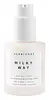
This smoothing serum is formulated around Lactic Acid and Glycolic Acid to refine skin texture and calm redness.
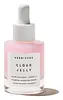
This hydrating serum is formulated around Aloe Barbadensis Leaf Juice and Tremella Fuciformis Sporocarp Extract to hydrate skin and calm redness.

What's inside
What's inside
 Key Ingredients
Benefits
Concerns
Ingredients Side-by-side
Water
Skin ConditioningPropanediol
Solvent

Simmondsia Chinensis Seed Oil
Emollient



Sodium Hydroxide
BufferingLactic Acid
Buffering








Glycolic Acid
Buffering

Gluconolactone
Skin Conditioning
Cetearyl Olivate
Sorbitan Olivate
Emulsifying
Octyldodecanol
Emollient
Glycerin
Humectant
Malic Acid
Buffering
Tartaric Acid
Buffering
Citric Acid
Buffering
Squalane
Emollient
Avena Sativa Kernel Extract
Abrasive


Ceramide NP
Skin Conditioning
Ceramide AP
Skin Conditioning
Microcitrus Australasica Fruit Extract
Tremella Fuciformis Sporocarp Extract
Antioxidant
Hyaluronic Acid
Humectant
1,2-Hexanediol
Skin Conditioning
Xanthan Gum
EmulsifyingDiheptyl Succinate
EmollientCapryloyl Glycerin/Sebacic Acid Copolymer
Skin ConditioningOryza Sativa Bran Extract
Skin Conditioning
Sclerotium Gum
Emulsion StabilisingLecithin
Emollient
Pullulan
Caprylhydroxamic Acid
Trisodium Ethylenediamine Disuccinate
Helianthus Annuus Seed Oil
Emollient
Triethyl Citrate
Masking

Rosmarinus Officinalis Leaf Extract
AntimicrobialTocopherol
Antioxidant
Silica
Abrasive
2,3-Butanediol
HumectantGlyceryl Stearate
Emollient
Prunus Amygdalus Dulcis Oil
Skin Conditioning
Sodium Lactate
Buffering
Hydrogenated Lecithin
Emulsifying
Gamma-Octalactone
Perfuming
Vanillin
Masking
Glyceryl Caprylate
EmollientIsoamyl Acetate
SolventBenzaldehyde
Masking
Anisaldehyde
Masking
Maltol
MaskingPhytosphingosine
Skin Conditioning
Ethylhexylglycerin
Skin ConditioningDimethylhydroxy Furanone
MaskingWater, Propanediol, Simmondsia Chinensis Seed Oil, Sodium Hydroxide, Lactic Acid, Glycolic Acid, Gluconolactone, Cetearyl Olivate, Sorbitan Olivate, Octyldodecanol, Glycerin, Malic Acid, Tartaric Acid, Citric Acid, Squalane, Avena Sativa Kernel Extract, Ceramide NP, Ceramide AP, Microcitrus Australasica Fruit Extract, Tremella Fuciformis Sporocarp Extract, Hyaluronic Acid, 1,2-Hexanediol, Xanthan Gum, Diheptyl Succinate, Capryloyl Glycerin/Sebacic Acid Copolymer, Oryza Sativa Bran Extract, Sclerotium Gum, Lecithin, Pullulan, Caprylhydroxamic Acid, Trisodium Ethylenediamine Disuccinate, Helianthus Annuus Seed Oil, Triethyl Citrate, Rosmarinus Officinalis Leaf Extract, Tocopherol, Silica, 2,3-Butanediol, Glyceryl Stearate, Prunus Amygdalus Dulcis Oil, Sodium Lactate, Hydrogenated Lecithin, Gamma-Octalactone, Vanillin, Glyceryl Caprylate, Isoamyl Acetate, Benzaldehyde, Anisaldehyde, Maltol, Phytosphingosine, Ethylhexylglycerin, Dimethylhydroxy Furanone
Water
Skin ConditioningAloe Barbadensis Leaf Juice
Skin Conditioning
Glycerin
Humectant
Hydrolyzed Corn Starch Hydroxyethyl Ether
Emulsion StabilisingRosa Damascena Flower Water
Masking
Tremella Fuciformis Sporocarp Extract
Antioxidant
Collagen
Moisturising
Fragaria Vesca Fruit Extract
AstringentPrunus Persica Fruit Extract
Abrasive
Hibiscus Sabdariffa Flower Extract
Skin ConditioningLeuconostoc/Radish Root Ferment Filtrate
Antimicrobial
Microcrystalline Cellulose
AbsorbentSodium Phytate
Cellulose Gum
Emulsion StabilisingGluconolactone
Skin Conditioning
Glyceryl Caprylate
EmollientArginine
Masking
Caprylhydroxamic Acid
Eclipta Prostrata Extract
Skin Conditioning
Melia Azadirachta Leaf Extract
Skin ConditioningMoringa Oleifera Seed Oil
Emollient
Water, Aloe Barbadensis Leaf Juice, Glycerin, Hydrolyzed Corn Starch Hydroxyethyl Ether, Rosa Damascena Flower Water, Tremella Fuciformis Sporocarp Extract, Collagen, Fragaria Vesca Fruit Extract, Prunus Persica Fruit Extract, Hibiscus Sabdariffa Flower Extract, Leuconostoc/Radish Root Ferment Filtrate, Microcrystalline Cellulose, Sodium Phytate, Cellulose Gum, Gluconolactone, Glyceryl Caprylate, Arginine, Caprylhydroxamic Acid, Eclipta Prostrata Extract, Melia Azadirachta Leaf Extract, Moringa Oleifera Seed Oil
Ingredients Explained
These ingredients are found in both products.
Ingredients higher up in an ingredient list are typically present in a larger amount.
Caprylhydroxamic Acid is a chelating agent that helps cosmetics stay fresh, stable, and consistent over time.
Chelating agents help prevent metal ions from binding to other ingredients. This helps prevent unwanted reactions and effects from using the product. It also helps prevent the growth of unwanted microbes in products that contain water.
Caprylhydroxamic Acid is often used with natural antimicrobial products as an alternative to preservatives.
Learn more about Caprylhydroxamic AcidGluconolactone is a PHA. PHAs are a great gentle alternative to traditional AHAs.
When applied, Gluconolactone has the same affect on skin as AHAs such as lactic acid. It helps dissolve the dead skin cells in the top layer of your skin. This improves texture and brightens the skin.
PHAs are more gentle than AHAs due to their larger structure. They do not penetrate as deeply as AHAs and take a longer time to dissolve dead cells. Studies show PHAs do not cause as much irritation.
Gluconolactone has some interesting properties:
In a 2004 study, Gluconolactone was found to prevent UV damage in mouse skin cells and has not been found to increase sun sensitivity. However, we still recommend wearing SPF daily.
This ingredient is is an created by reacting gluconic acid with an alcohol.
Learn more about GluconolactoneGlycerin (or glycerol) is a compound naturally found in your skin. It's a powerhouse humectant that pulls water into the stratum corneum.
Topically, glycerin does several things at once:
Your skin makes glycerin on its own (mostly from sebaceous oil breakdown) and shuttles it to your outermost layer of skin, or your epidermis, via aquaporin-3.
Aquaporin-3 is a transporter that is essential for normal skin hydration, elasticity, and repair. Interestingly, mice lacking in AQP3 have dry and less elastic skin that can be fully corrected with glycerin.
This ingredient is non-irritating, plays well with almost every ingredient, and works across all skin types. Typical use is anywhere between 3-10% but can go up to 79% in some leave-on products.
Just know very high concentrations (>40%) can feel tacky in low humidity.
Glycerin is the name for this ingredient in American English. British English uses Glycerol/Glycerine.
Learn more about GlycerinGlyceryl Caprylate comes from glycerin and caprylic acid. It is an emollient, co-emulsifier, and preservative booster.
Its short C8 fatty acid chain makes it behave differently from its longer-chain emollient cousins like Glyceryl Stearate. It feels more lightweight, fast-absorbing, and silky instead of rich and waxy.
As a co-emulsifier, its "head" and "tail" sit at the oil-water interface. But overall, the short C8 tail and not being water soluble means it doesn't really have the muscle to emulsify a formula on its own. That's why you'll often see it paired with a primary emulsifier like Cetearyl Glucoside.
Interestingly, Glyceryl Caprylate acts as a preservative booster. This is because its fatty-acid backbone disrupts microbial lipid membranes. It shows excellent activity against bacteria and yeast but is weaker against mold.
Typical concentrations range from 0.5-1% and this ingredient is generally non-irritating.
Because this ingredient has a C8 fatty acid chain, it is outside the range that the Malassezia yeast metabolizes (making it fungal acne safe).
Learn more about Glyceryl CaprylateTremella Fuciformis is also known as snow mushroom. This ingredient comes from the sporocarp, which is also the fruit body of the fungi.
Snow mushroom has hydrating and antioxidant properties.
According to a manufacturer, the glucuronic acid of this ingredient promotes the presence of hyaluronic acid in the middle layer of skin to keep that layer sufficiently hydrated.
Learn more about Tremella Fuciformis Sporocarp ExtractWater. It's the most common cosmetic ingredient of all. You'll usually see it at the top of ingredient lists, meaning that it makes up the largest part of the product.
So why is it so popular? Water most often acts as a solvent - this means that it helps dissolve other ingredients into the formulation.
You'll also recognize water as that liquid we all need to stay alive. If you see this, drink a glass of water. Remember to stay hydrated!
Learn more about Water

