Herbivore Aquarius Pore Purifying Clarity Cream Versus Laneige Water Bank Blue Hyaluronic Cream Moisturizer
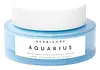
This pore-care moisturizer is formulated around Zinc PCA to refine the look of pores and balance excess oil.
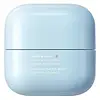
This barrier-repair moisturizer is formulated around Hydrolyzed Hyaluronic Acid and Ceramide AP to strengthen the skin barrier and hydrate skin.


What's inside
What's inside
 Key Ingredients
Benefits
Concerns
Ingredients Side-by-side
Water
Skin ConditioningCaprylic/Capric Triglyceride
Masking


Cetearyl Alcohol
Emollient





Glycerin
Humectant
Squalane
Emollient
Glyceryl Caprylate
EmollientMicrocrystalline Cellulose
AbsorbentPropanediol
Solvent
Salix Nigra Bark Extract
Skin ProtectingZinc PCA
Humectant




Aloe Barbadensis Flower Extract
EmollientCamellia Sinensis Leaf Extract
Antimicrobial


Coccinia Indica Fruit Extract
Skin Conditioning
Corallina Officinalis Extract
Skin Conditioning
Curcuma Longa Root Extract
Antioxidant
Hamamelis Virginiana Extract
Antiseborrhoeic

Melia Azadirachta Flower Extract
Skin ConditioningMelia Azadirachta Leaf Extract
Skin ConditioningOcimum Basilicum Flower/Leaf Extract
TonicOcimum Sanctum Leaf Extract
Skin ConditioningSolanum Melongena Fruit Extract
Skin ConditioningTanacetum Annuum Flower Oil
Masking
Lactobacillus Ferment
Skin Conditioning
Sodium Hyaluronate
Humectant
Sodium PCA
Humectant
Magnesium PCA
Humectant
Sodium Stearoyl Glutamate
CleansingCellulose Gum
Emulsion StabilisingGlyceryl Stearate Citrate
Emollient
Caprylyl Glyceryl Ether
CleansingCaprylhydroxamic Acid
ChelatingWater, Caprylic/Capric Triglyceride, Cetearyl Alcohol, Glycerin, Squalane, Glyceryl Caprylate, Microcrystalline Cellulose, Propanediol, Salix Nigra Bark Extract, Zinc PCA, Aloe Barbadensis Flower Extract, Camellia Sinensis Leaf Extract, Coccinia Indica Fruit Extract, Corallina Officinalis Extract, Curcuma Longa Root Extract, Hamamelis Virginiana Extract, Melia Azadirachta Flower Extract, Melia Azadirachta Leaf Extract, Ocimum Basilicum Flower/Leaf Extract, Ocimum Sanctum Leaf Extract, Solanum Melongena Fruit Extract, Tanacetum Annuum Flower Oil, Lactobacillus Ferment, Sodium Hyaluronate, Sodium PCA, Magnesium PCA, Sodium Stearoyl Glutamate, Cellulose Gum, Glyceryl Stearate Citrate, Caprylyl Glyceryl Ether, Caprylhydroxamic Acid
Water
Skin ConditioningGlycerin
Humectant
Butylene Glycol
Humectant
PPG-5 Caprylyl Ether
Skin ConditioningPolyglyceryl-3 Methylglucose Distearate
Emulsifying
Methyl Trimethicone
Skin Conditioning
Glyceryl Stearate
Emollient
Pentaerythrityl Tetraethylhexanoate
Emollient
Ceramide AP
Skin Conditioning
1,2-Hexanediol
Skin Conditioning
Stearyl Dimethicone
Emollient
Bis-Hydroxyethoxypropyl Dimethicone
Emollient
Cetyl Alcohol
Emollient
Lactobacillus Ferment Lysate
Skin Conditioning
Caprylic/Capric/Myristic/Stearic Triglyceride
EmollientPalmitic Acid
Emollient
Stearic Acid
Cleansing
Panthenol
Skin Conditioning
Hydroxyethyl Acrylate/Sodium Acryloyldimethyl Taurate Copolymer
Emulsion StabilisingPropanediol
Solvent
Acrylates/C10-30 Alkyl Acrylate Crosspolymer
Emulsion StabilisingXanthan Gum
EmulsifyingGlyceryl Caprylate
EmollientDextrin
AbsorbentTromethamine
BufferingEthylhexylglycerin
Skin ConditioningDisodium EDTA
ChelatingSorbitan Isostearate
Emulsifying
Allantoin
Skin Conditioning
Hydrolyzed Hyaluronic Acid
Humectant
Ceramide NP
Skin Conditioning
Parfum
Masking
Beta-Glucan
Skin Conditioning
Cholesterol
Emollient
Mannitol
Humectant
Tocopherol
Antioxidant

Acetyl Tetrapeptide-11
Skin Conditioning
Undaria Pinnatifida Extract
Skin ConditioningWater, Glycerin, Butylene Glycol, PPG-5 Caprylyl Ether, Polyglyceryl-3 Methylglucose Distearate, Methyl Trimethicone, Glyceryl Stearate, Pentaerythrityl Tetraethylhexanoate, Ceramide AP, 1,2-Hexanediol, Stearyl Dimethicone, Bis-Hydroxyethoxypropyl Dimethicone, Cetyl Alcohol, Lactobacillus Ferment Lysate, Caprylic/Capric/Myristic/Stearic Triglyceride, Palmitic Acid, Stearic Acid, Panthenol, Hydroxyethyl Acrylate/Sodium Acryloyldimethyl Taurate Copolymer, Propanediol, Acrylates/C10-30 Alkyl Acrylate Crosspolymer, Xanthan Gum, Glyceryl Caprylate, Dextrin, Tromethamine, Ethylhexylglycerin, Disodium EDTA, Sorbitan Isostearate, Allantoin, Hydrolyzed Hyaluronic Acid, Ceramide NP, Parfum, Beta-Glucan, Cholesterol, Mannitol, Tocopherol, Acetyl Tetrapeptide-11, Undaria Pinnatifida Extract
Reviews
Ingredients Explained
These ingredients are found in both products.
Ingredients higher up in an ingredient list are typically present in a larger amount.
Glycerin (or glycerol) is a compound naturally found in your skin. It's a powerhouse humectant that pulls water into the stratum corneum.
Topically, glycerin does several things at once:
Your skin makes glycerin on its own (mostly from sebaceous oil breakdown) and shuttles it to your outermost layer of skin, or your epidermis, via aquaporin-3.
Aquaporin-3 is a transporter that is essential for normal skin hydration, elasticity, and repair. Interestingly, mice lacking in AQP3 have dry and less elastic skin that can be fully corrected with glycerin.
This ingredient is non-irritating, plays well with almost every ingredient, and works across all skin types. Typical use is anywhere between 3-10% but can go up to 79% in some leave-on products.
Just know very high concentrations (>40%) can feel tacky in low humidity.
Glycerin is the name for this ingredient in American English. British English uses Glycerol/Glycerine.
Learn more about GlycerinGlyceryl Caprylate comes from glycerin and caprylic acid. It is an emollient, co-emulsifier, and preservative booster.
Its short C8 fatty acid chain makes it behave differently from its longer-chain emollient cousins like Glyceryl Stearate. It feels more lightweight, fast-absorbing, and silky instead of rich and waxy.
As a co-emulsifier, its "head" and "tail" sit at the oil-water interface. But overall, the short C8 tail and not being water soluble means it doesn't really have the muscle to emulsify a formula on its own. That's why you'll often see it paired with a primary emulsifier like Cetearyl Glucoside.
Interestingly, Glyceryl Caprylate acts as a preservative booster. This is because its fatty-acid backbone disrupts microbial lipid membranes. It shows excellent activity against bacteria and yeast but is weaker against mold.
Typical concentrations range from 0.5-1% and this ingredient is generally non-irritating.
Because this ingredient has a C8 fatty acid chain, it is outside the range that the Malassezia yeast metabolizes (making it fungal acne safe).
Learn more about Glyceryl CaprylatePropanediol is an all-star ingredient. It softens, hydrates, and smooths the skin.
It’s often used to:
Propanediol is not likely to cause sensitivity and considered safe to use. It is derived from corn or petroleum with a clear color and no scent.
Learn more about PropanediolWater. It's the most common cosmetic ingredient of all. You'll usually see it at the top of ingredient lists, meaning that it makes up the largest part of the product.
So why is it so popular? Water most often acts as a solvent - this means that it helps dissolve other ingredients into the formulation.
You'll also recognize water as that liquid we all need to stay alive. If you see this, drink a glass of water. Remember to stay hydrated!
Learn more about Water

