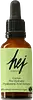
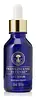
Hej Organic Cactus The Hydrator Hyaluronic Acid Serum Versus Neal's Yard Remedies Frankincense Intense Lift Serum
This hydrating serum is formulated around Opuntia Ficus-Indica Stem Extract and Argania Spinosa Kernel Oil to hydrate skin and strengthen the skin barrier.
This anti-aging serum is formulated around Palmitoyl Tripeptide-5 to soften the look of wrinkles and refine skin texture.


What's inside
What's inside
 Key Ingredients
Benefits
Concerns
Ingredients Side-by-side
Water
Skin ConditioningOpuntia Ficus-Indica Stem Extract
Skin Conditioning
Glycerin
Humectant


Prunus Amygdalus Dulcis Oil
Skin Conditioning




Argania Spinosa Kernel Oil
Emollient

Isoamyl Laurate
Emollient
Citrus Paradisi Fruit Extract
Skin ConditioningOpuntia Ficus-Indica Seed Oil
Emollient
Sodium Lactate
Buffering
Butyrospermum Parkii Butter
Skin Conditioning
Amorphophallus Konjac Root Extract
HumectantHydrolyzed Rhizobian Gum
Sodium Hyaluronate
Humectant


Levulinic Acid
Perfuming

Acacia Senegal Gum
MaskingXanthan Gum
EmulsifyingTocopherol
Antioxidant


Helianthus Annuus Seed Oil
Emollient
Glyceryl Caprylate
EmollientP-Anisic Acid
MaskingPotassium Sorbate
Preservative
Parfum
Masking
Citral
Perfuming
Citronellol
Perfuming
Limonene
Perfuming
Linalool
Perfuming
Water, Opuntia Ficus-Indica Stem Extract, Glycerin, Prunus Amygdalus Dulcis Oil, Argania Spinosa Kernel Oil, Isoamyl Laurate, Citrus Paradisi Fruit Extract, Opuntia Ficus-Indica Seed Oil, Sodium Lactate, Butyrospermum Parkii Butter, Amorphophallus Konjac Root Extract, Hydrolyzed Rhizobian Gum, Sodium Hyaluronate, Levulinic Acid, Acacia Senegal Gum, Xanthan Gum, Tocopherol, Helianthus Annuus Seed Oil, Glyceryl Caprylate, P-Anisic Acid, Potassium Sorbate, Parfum, Citral, Citronellol, Limonene, Linalool
Water
Skin ConditioningGlycerin
Humectant
Prunus Armeniaca Kernel Oil
Masking
Acacia Senegal Gum
MaskingTapioca Starch
Polyglyceryl-3 Rice Branate
EmulsifyingVitis Vinifera Seed Oil
Emollient
Adansonia Digitata Seed Oil
Emollient
Argania Spinosa Kernel Oil
Emollient
Macadamia Ternifolia Seed Oil
Emollient
Caprylic/Capric Triglyceride
Masking
Hydrolyzed Rhizobian Gum
Levulinic Acid
Perfuming
Ribose
HumectantXanthan Gum
EmulsifyingSodium Levulinate
Skin ConditioningAloe Barbadensis Leaf Juice Powder
Skin Conditioning
Sodium Gluconate
Skin ConditioningBoswellia Sacra Resin Oil
Emollient
Boswellia Sacra Gum/Resin Extract
Skin ConditioningHyaluronic Acid
Humectant
Citric Acid
Buffering
Curcuma Longa Root Extract
Antioxidant
Sodium Anisate
AntimicrobialSodium Hyaluronate
Humectant
Potassium Sorbate
Preservative
Tocopherol
Antioxidant
Sea Water Extract
Skin ConditioningCitrus Nobilis Peel Oil
Masking
Citrus Aurantium Bergamia Peel Oil
Perfuming
Linum Usitatissimum Seed Extract
Perfuming
Sodium Dehydroacetate
Preservative
Helianthus Annuus Seed Oil
Emollient
Commiphora Confusa Resin Oil
Emollient
Citrus Aurantium Amara Flower Oil
Masking
Commiphora Myrrha Oil
Masking
Cylindrotheca Fusiformis Extract
Antioxidant
Microcitrus Australasica Fruit Extract
Boswellia Neglecta Resin Oil
Emollient
Glyceryl Caprylate
EmollientP-Anisic Acid
MaskingPalmitoyl Tripeptide-5
Skin Conditioning

Dextran
Trifluoroacetyl Tripeptide-2
Skin Conditioning
Caprooyl Tetrapeptide-3
Skin Protecting
Limonene
Perfuming
Linalool
Perfuming
Geraniol
Perfuming
Farnesol
Perfuming
Water, Glycerin, Prunus Armeniaca Kernel Oil, Acacia Senegal Gum, Tapioca Starch, Polyglyceryl-3 Rice Branate, Vitis Vinifera Seed Oil, Adansonia Digitata Seed Oil, Argania Spinosa Kernel Oil, Macadamia Ternifolia Seed Oil, Caprylic/Capric Triglyceride, Hydrolyzed Rhizobian Gum, Levulinic Acid, Ribose, Xanthan Gum, Sodium Levulinate, Aloe Barbadensis Leaf Juice Powder, Sodium Gluconate, Boswellia Sacra Resin Oil, Boswellia Sacra Gum/Resin Extract, Hyaluronic Acid, Citric Acid, Curcuma Longa Root Extract, Sodium Anisate, Sodium Hyaluronate, Potassium Sorbate, Tocopherol, Sea Water Extract, Citrus Nobilis Peel Oil, Citrus Aurantium Bergamia Peel Oil, Linum Usitatissimum Seed Extract, Sodium Dehydroacetate, Helianthus Annuus Seed Oil, Commiphora Confusa Resin Oil, Citrus Aurantium Amara Flower Oil, Commiphora Myrrha Oil, Cylindrotheca Fusiformis Extract, Microcitrus Australasica Fruit Extract, Boswellia Neglecta Resin Oil, Glyceryl Caprylate, P-Anisic Acid, Palmitoyl Tripeptide-5, Dextran, Trifluoroacetyl Tripeptide-2, Caprooyl Tetrapeptide-3, Limonene, Linalool, Geraniol, Farnesol
Ingredients Explained
These ingredients are found in both products.
Ingredients higher up in an ingredient list are typically present in a larger amount.
Acacia Senegal Gum has skin soothing, thickening, and formulation stabilizing properties. It comes from the Acacia tree that is native to sub-Saharan Africa.
You may know this ingredient as argan oil. It has emollient and skin conditioning properties that help soften skin and reinforce the lipid barrier.
The fatty acid profile of argan oil is roughly 45-55% oleic acid, 28-36% linoleic acid, 10-15% palmitic acid, and 5-7% stearic acid. It also contains vitamin E, sterols, squalene, and polyphenols like ferulic acid.
Two clinical studies in postmenopausal women found that applying argan oil for 60 days significantly improved skin elasticity and moisturization (reduced transepidermal water loss and increased epidermal water content).
Since it is high in oleic and linoleic acid, this ingredient may not be fungal acne safe. Both of these fall in the C11-C24 range that Malassezia yeast can metabolize.
Learn more about Argania Spinosa Kernel OilGlycerin (or glycerol) is a compound naturally found in your skin. It's a powerhouse humectant that pulls water into the stratum corneum.
Topically, glycerin does several things at once:
Your skin makes glycerin on its own (mostly from sebaceous oil breakdown) and shuttles it to your outermost layer of skin, or your epidermis, via aquaporin-3.
Aquaporin-3 is a transporter that is essential for normal skin hydration, elasticity, and repair. Interestingly, mice lacking in AQP3 have dry and less elastic skin that can be fully corrected with glycerin.
This ingredient is non-irritating, plays well with almost every ingredient, and works across all skin types. Typical use is anywhere between 3-10% but can go up to 79% in some leave-on products.
Just know very high concentrations (>40%) can feel tacky in low humidity.
Glycerin is the name for this ingredient in American English. British English uses Glycerol/Glycerine.
Learn more about GlycerinGlyceryl Caprylate comes from glycerin and caprylic acid. It is an emollient, co-emulsifier, and preservative booster.
Its short C8 fatty acid chain makes it behave differently from its longer-chain emollient cousins like Glyceryl Stearate. It feels more lightweight, fast-absorbing, and silky instead of rich and waxy.
As a co-emulsifier, its "head" and "tail" sit at the oil-water interface. But overall, the short C8 tail and not being water soluble means it doesn't really have the muscle to emulsify a formula on its own. That's why you'll often see it paired with a primary emulsifier like Cetearyl Glucoside.
Interestingly, Glyceryl Caprylate acts as a preservative booster. This is because its fatty-acid backbone disrupts microbial lipid membranes. It shows excellent activity against bacteria and yeast but is weaker against mold.
Typical concentrations range from 0.5-1% and this ingredient is generally non-irritating.
Because this ingredient has a C8 fatty acid chain, it is outside the range that the Malassezia yeast metabolizes (making it fungal acne safe).
Learn more about Glyceryl CaprylateHelianthus Annuus Seed Oil is a plant oil derived from the seeds of a sunflower.
It is rich in fatty acids, primarily linoleic acid and oleic acid. This gives it emollient and skin conditioning properties.
The reason this ingredient is so effective is because it forms a thin film on the skin that reduces transepidermal water loss (TEWL) while supplying linoleic acid to the stratum corneum to improve barrier strength.
The high linoleic acid content is particularly noteworthy for acne-prone skin.
Research suggests that acne-prone skin tends to be deficient in linoleic acid in sebum. Topical application may help replenish this to support a healthier follicular environment and less comedone-promoting sebum.
One randomized study found sunflower seed oil preserved skin barrier integrity in adult volunteers with and without atopic dermatitis (outperforming olive oil).
This ingredient is well-studied, gentle, and an effective emollient suitable for most skin types.
On fungal acne: This ingredient may not be Fungal acne (Malassezia folliculitis) safe. This is because it contains fatty acids with carbon chain lengths in the C11-C24 range.
Learn more about Helianthus Annuus Seed OilWe don't have a description for Hydrolyzed Rhizobian Gum yet.
Levulinic Acid is a fragrance that comes from the degradation of cellulose. It is a saturated fatty acid.
This ingredient is often used a building block for other compounds, such as in pharmaceuticals.
According to a manufacturer, this ingredient smells like caramel.
Learn more about Levulinic AcidLimonene is a fragrance that adds scent and taste to a formulation.
It's found in the peel oil of citrus fruits and other plants such as lavender and eucalyptus. The scent of limonene is generally described as "sweet citrus".
Limonene acts as an antioxidant, meaning it helps neutralize free radicals.
When exposed to air, oxidized limonene may sensitize the skin. Because of this, limonene is often avoided by people with sensitive skin.
The term 'fragrance' is not regulated in many countries. In many cases, it is up to the brand to define this term. For instance, many brands choose to label themselves as "fragrance-free" because they are not using synthetic fragrances. However, their products may still contain ingredients such as essential oils that are considered a fragrance.
Learn more about LimoneneLinalool is a fragrance and helps add scent to products. It's derived from common plants such as cinnamon, mint, citrus, and lavender.
Like Limonene, this ingredient oxidizes when exposed to air. Oxidized linalool can cause allergies and skin sensitivity.
This ingredient has a scent that is floral, spicy tropical, and citrus-like.
Learn more about Linaloolp-anisic acid is an aromatic compound that is naturally found in some plants. It is mainly used as a fragrance ingredient but also has preservative and antimicrobial properties.
The effectiveness of this ingredient as a preservative and antimicrobial depends on the pH (with more acidic being better). This is the reason you'll see this ingredient bundled with other preservatives.
Potassium Sorbate is a preservative used to prevent yeast and mold in products. It is commonly found in both cosmetic and food products.
This ingredient comes from potassium salt derived from sorbic acid. Sorbic acid is a natural antibiotic and effective against fungus.
Both potassium sorbate and sorbic acid can be found in baked goods, cheeses, dried meats, dried fruit, ice cream, pickles, wine, yogurt, and more.
You'll often find this ingredient used with other preservatives.
Learn more about Potassium SorbateSodium Hyaluronate is the salt form of hyaluronic acid. It is a long sugar chain that is naturally found in your skin, joints, and connective tissue that maintains hydration and elasticity.
In skincare, it works as a humectant. It pulls water from the environment and deeper layers of skin and binds it to the surface.
Interestingly, the size of the molecule affects its behavior:
Some clinical evidence links low molecular weight versions to improved wrinkle depth, elasticity, anti-inflammatory effects, and barrier repair.
Many serums use a blend of both weights so you can get surface hydration plus longer-lasting and deeper effects.
You'll typically see concentrations between 0.1-2% for this ingredient.
Learn more about Sodium HyaluronateTocopherol is a fat-soluble antioxidant known as Vitamin E.
You'll find this ingredient in the vast majority of skincare (for good reason). It works to neutralize free radicals, or unstable molecules generated by UV exposure, pollution, and other environmental stressors, before they can cause oxidative damage to your skin cells.
Topically applied tocopherol has been shown to protect against UV damage by ramping up the skin's own natural defense enzymes.
It also acts as a skin conditioning agent; some studies show that regular topical use can improve the skin's water-binding capacity over 2-4 weeks.
This ingredient is especially loved for being a team player. When combined with Vitamin C, the photoprotective effect of both ingredients roughly doubles and the combo also helps reduce UV-induced DNA damage.
This ingredient has some brightening potential but it's more of a prevention ingredient than spot-fader. Cell studies show it can slow down melanin production but it's worth noting that it's not the most powerful brightener out there.
In formulations, it also serves as a stabilizer that helps protect other oxidation-prone ingredients from degrading.
Concentrations usually range from 0.1-1% in most leave-on products.
Learn more about TocopherolWater. It's the most common cosmetic ingredient of all. You'll usually see it at the top of ingredient lists, meaning that it makes up the largest part of the product.
So why is it so popular? Water most often acts as a solvent - this means that it helps dissolve other ingredients into the formulation.
You'll also recognize water as that liquid we all need to stay alive. If you see this, drink a glass of water. Remember to stay hydrated!
Learn more about WaterXanthan gum is used as a stabilizer and thickener within cosmetic products. It helps give products a sticky, thick feeling - preventing them from being too runny.
On the technical side of things, xanthan gum is a polysaccharide - a combination consisting of multiple sugar molecules bonded together.
Xanthan gum is a pretty common and great ingredient. It is a natural, non-toxic, non-irritating ingredient that is also commonly used in food products.
Learn more about Xanthan Gum

