Haruharu Wonder Wonder Black Rice Hyaluronic Cream Versus Haruharu Wonder Honey Green Reparative Cream
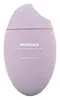
This barrier-repair moisturizer is formulated around Oryza Sativa Extract and Panax Ginseng Root Extract to strengthen the skin barrier and hydrate skin.
This barrier-repair moisturizer is formulated around Camellia Sinensis Leaf Extract and Honey to strengthen the skin barrier and hydrate skin.

What's inside
What's inside
 Key Ingredients
Benefits
Concerns
Ingredients Side-by-side
Water
Skin ConditioningPropanediol
Solvent

Cetearyl Olivate


Sorbitan Olivate
Emulsifying
Glycerin
Humectant
Carthamus Tinctorius Seed Oil
Masking
Polyglyceryl-3 Stearate
Emulsifying
Cetearyl Alcohol
Emollient




Oryza Sativa Extract
Absorbent


Heptyl Undecylenate
EmollientCaprylic/Capric Triglyceride
Masking
Oenothera Biennis Oil
Emollient
Phyllostachys Pubescens Shoot Bark Extract
Skin ConditioningAspergillus Ferment
Skin ConditioningPanax Ginseng Root Extract
Emollient
Cyclodextrin
AbsorbentHyaluronic Acid
Humectant
Pulsatilla Koreana Extract
Skin ConditioningZanthoxylum Piperitum Fruit Extract
Skin ConditioningUsnea Barbata Extract
Cetyl Palmitate
Emollient
Sodium Phytate
ChelatingSorbitan Palmitate
Emulsifying
1,2-Hexanediol
Skin Conditioning
Alcohol
Antimicrobial


Butylene Glycol
Humectant
Lavandula Angustifolia Oil
Masking


Water, Propanediol, Cetearyl Olivate, Sorbitan Olivate, Glycerin, Carthamus Tinctorius Seed Oil, Polyglyceryl-3 Stearate, Cetearyl Alcohol, Oryza Sativa Extract, Heptyl Undecylenate, Caprylic/Capric Triglyceride, Oenothera Biennis Oil, Phyllostachys Pubescens Shoot Bark Extract, Aspergillus Ferment, Panax Ginseng Root Extract, Cyclodextrin, Hyaluronic Acid, Pulsatilla Koreana Extract, Zanthoxylum Piperitum Fruit Extract, Usnea Barbata Extract, Cetyl Palmitate, Sodium Phytate, Sorbitan Palmitate, 1,2-Hexanediol, Alcohol, Butylene Glycol, Lavandula Angustifolia Oil
Water
Skin ConditioningGlycerin
Humectant
Helianthus Annuus Seed Oil
Emollient
1,2-Hexanediol
Skin Conditioning
Cyclopentasiloxane
Emollient
Lecithin
Emollient
Cyclohexasiloxane
Emollient
Hydrogenated Lecithin
Emulsifying
C12-16 Alcohols
EmollientPalmitic Acid
Emollient
Cetearyl Olivate
Sorbitan Olivate
Emulsifying
Camellia Japonica Seed Oil
Emollient
Camellia Sinensis Leaf Extract
Antimicrobial



Saccharomyces Ferment
Skin Conditioning
Lactobacillus Ferment
Skin Conditioning
Honey
Humectant
Simmondsia Chinensis Seed Oil
Emollient
Xanthan Gum
EmulsifyingHyaluronic Acid
Humectant
Beta-Glucan
Skin Conditioning
Behenyl Alcohol
Emollient
Glyceryl Stearate
Emollient
Glycine Soja Sterols
Emollient
Tocopherol
Antioxidant
Caprylyl Glycol
Emollient
Polyacrylate-13
Polyisobutene
Polysorbate 20
Emulsifying
Sorbitan Isostearate
Emulsifying
Adenosine
Skin Conditioning
Benzyl Salicylate
Perfuming
Citral
Perfuming
Ethyl Linalool
Masking
Tetramethyl Acetyloctahydronaphthalenes
Masking
Methyldihydrojasmonate
MaskingDisodium EDTA
ChelatingCetyl Ethylhexanoate
EmollientCI 26100
Cosmetic ColorantWater, Glycerin, Helianthus Annuus Seed Oil, 1,2-Hexanediol, Cyclopentasiloxane, Lecithin, Cyclohexasiloxane, Hydrogenated Lecithin, C12-16 Alcohols, Palmitic Acid, Cetearyl Olivate, Sorbitan Olivate, Camellia Japonica Seed Oil, Camellia Sinensis Leaf Extract, Saccharomyces Ferment, Lactobacillus Ferment, Honey, Simmondsia Chinensis Seed Oil, Xanthan Gum, Hyaluronic Acid, Beta-Glucan, Behenyl Alcohol, Glyceryl Stearate, Glycine Soja Sterols, Tocopherol, Caprylyl Glycol, Polyacrylate-13, Polyisobutene, Polysorbate 20, Sorbitan Isostearate, Adenosine, Benzyl Salicylate, Citral, Ethyl Linalool, Tetramethyl Acetyloctahydronaphthalenes, Methyldihydrojasmonate, Disodium EDTA, Cetyl Ethylhexanoate, CI 26100
Reviews
Ingredients Explained
These ingredients are found in both products.
Ingredients higher up in an ingredient list are typically present in a larger amount.
1,2-Hexanediol is a synthetic liquid and another multi-functional powerhouse.
It is a:
- Humectant, drawing moisture into the skin
- Emollient, helping to soften skin
- Solvent, dispersing and stabilizing formulas
- Preservative booster, enhancing the antimicrobial activity of other preservatives
Cetearyl Olivate is a plant-derived emulsifier and texture enhancer. It helps keep the oil and water phases from separating so your formulas stay stable.
You'll likely see it combined with Sorbitan Olivate (together sold as the trade name Olivem 1000). This combination generates a liquid crystal structure that closely resemble the lipid organization of the stratum corneum.
These "skin-like" liquid crystals improve skin barrier integrity and promote the delivery of actives into the skin.
This ingredient is well-tolerated and has no significant sensitization data.
Because it is derived from the fatty acids in olive oil, this ingredient may not be fungal acne safe.
Learn more about Cetearyl OlivateGlycerin (or glycerol) is a compound naturally found in your skin. It's a powerhouse humectant that pulls water into the stratum corneum.
Topically, glycerin does several things at once:
Your skin makes glycerin on its own (mostly from sebaceous oil breakdown) and shuttles it to your outermost layer of skin, or your epidermis, via aquaporin-3.
Aquaporin-3 is a transporter that is essential for normal skin hydration, elasticity, and repair. Interestingly, mice lacking in AQP3 have dry and less elastic skin that can be fully corrected with glycerin.
This ingredient is non-irritating, plays well with almost every ingredient, and works across all skin types. Typical use is anywhere between 3-10% but can go up to 79% in some leave-on products.
Just know very high concentrations (>40%) can feel tacky in low humidity.
Glycerin is the name for this ingredient in American English. British English uses Glycerol/Glycerine.
Learn more about GlycerinHyaluronic acid (HA) is a glycosaminoglycan (basically a long sugar chain) that your skin already makes on its own. In your skin, HA lives in the extracellular matrix and acts as the body's moisture reservoir.
Topically, HA is a humectant that binds water and helps skin look more plump, smooth, and hydrated.
The only catch is that HA isn't a single thing; it actually comes in a wide range of molecular weights (~50 - 2,000+ kDA) and size matters.
Some clinical evidence links low molecular weight versions to improved wrinkle depth, elasticity, anti-inflammatory effects, and barrier repair.
This is why the best HA serums blend the two sizes together so you get the best of both worlds.
The majority of cosmetic HA is produced by bacterial fermentation, typically using Streptococcus or Bacillus strains. Typical use levels in skincare sit around 0.1-2%.
A clinical study using a 0.2% low-molecular weight HA gel showed improvement in facial seborrheic dermatitis with excellent tolerance.
These are some other common types of Hyaluronic Acid:
Learn more about Hyaluronic AcidSorbitan Olivate is created from the fatty acids in olive oil and sorbitol.
This ingredient is an oil in water emulsifier. It helps stabilize a product by preventing oils and waters from separating. Sorbitan Olivate also helps hydrate the skin.
This ingredient is also known as part of Olivem 1000, with Cetearyl Olivate being the other part.
According to a manufacturer, this ingredient helps preserve the natural microbiome of skin. Having a healthy microbiome helps keep our skin healthy and protects against harmful bacteria.
Please note, having a healthy microbiome is different from fungal acne; a healthy microbiome includes small amounts of yeast that normally live on your skin without causing problems.
Fungal acne happens when one type of yeast (Malassezia) grows out of control. This is usually because it's feeding on certain oils or fatty acids. Due to the olive oil base, this ingredient may not be fungal acne safe.
Learn more about Sorbitan OlivateWater. It's the most common cosmetic ingredient of all. You'll usually see it at the top of ingredient lists, meaning that it makes up the largest part of the product.
So why is it so popular? Water most often acts as a solvent - this means that it helps dissolve other ingredients into the formulation.
You'll also recognize water as that liquid we all need to stay alive. If you see this, drink a glass of water. Remember to stay hydrated!
Learn more about Water

