

What's inside
What's inside
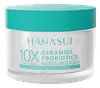 Key Ingredients
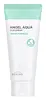
Benefits
Ingredients Side-by-side
Water
Skin ConditioningGlycerin
Humectant


Butylene Glycol
Humectant
Propanediol
Solvent
Niacinamide
Smoothing









Ethyl Macadamiate
Skin Conditioning
Hydroxyethyl Urea
Humectant
Glycereth-26
Humectant
Galactomyces Ferment Filtrate
Humectant
Phenoxyethanol
Preservative
Dimethicone
Emollient
Sodium Acrylate/Sodium Acryloyldimethyl Taurate Copolymer
Emulsion StabilisingMethyl Gluceth-20
Humectant
Sodium Polyacrylate
Absorbent
Hydrogenated Polydecene
EmollientC15-19 Alkane
SolventHydrolyzed Jojoba Esters
Skin Conditioning
Lactobacillus Ferment
Skin Conditioning
Allantoin
Skin Conditioning
Carbomer
Emulsion StabilisingPhytosteryl/Octyldodecyl Lauroyl Glutamate
Skin ConditioningTocopheryl Acetate
Antioxidant

Aminomethyl Propanol
BufferingTriethylene Glycol
Masking
Disodium EDTA
Trideceth-6
Emulsifying1,2-Hexanediol
Skin Conditioning
C10-16 Alkyl Glucoside
EmulsifyingCaprylic/Capric Triglyceride
Masking
Hydrogenated Lecithin
Emulsifying
Sodium Hyaluronate
Humectant
Sucrose Stearate
EmollientCeramide NP
Skin Conditioning
Hyaluronic Acid
Humectant
Hydrolyzed Hyaluronic Acid
Humectant
Hydrolyzed Sodium Hyaluronate
Skin Conditioning
Hydroxypropyltrimonium Hyaluronate
Pentylene Glycol
Skin Conditioning
Potassium Hyaluronate
Skin ConditioningSodium Acetylated Hyaluronate
Humectant
Sodium Hyaluronate Crosspolymer
Humectant
2-Aminobutanol
BufferingCeramide AP
Skin Conditioning
Ceramide As
Skin Conditioning
Ceramide Ng
Skin Conditioning
Glycosphingolipids
EmollientWater, Glycerin, Butylene Glycol, Propanediol, Niacinamide, Ethyl Macadamiate, Hydroxyethyl Urea, Glycereth-26, Galactomyces Ferment Filtrate, Phenoxyethanol, Dimethicone, Sodium Acrylate/Sodium Acryloyldimethyl Taurate Copolymer, Methyl Gluceth-20, Sodium Polyacrylate, Hydrogenated Polydecene, C15-19 Alkane, Hydrolyzed Jojoba Esters, Lactobacillus Ferment, Allantoin, Carbomer, Phytosteryl/Octyldodecyl Lauroyl Glutamate, Tocopheryl Acetate, Aminomethyl Propanol, Triethylene Glycol, Disodium EDTA, Trideceth-6, 1,2-Hexanediol, C10-16 Alkyl Glucoside, Caprylic/Capric Triglyceride, Hydrogenated Lecithin, Sodium Hyaluronate, Sucrose Stearate, Ceramide NP, Hyaluronic Acid, Hydrolyzed Hyaluronic Acid, Hydrolyzed Sodium Hyaluronate, Hydroxypropyltrimonium Hyaluronate, Pentylene Glycol, Potassium Hyaluronate, Sodium Acetylated Hyaluronate, Sodium Hyaluronate Crosspolymer, 2-Aminobutanol, Ceramide AP, Ceramide As, Ceramide Ng, Glycosphingolipids
Water
Skin ConditioningDipropylene Glycol
HumectantGlycerin
Humectant
Methyl Trimethicone
Skin Conditioning
Coco-Caprylate/Caprate
Emollient
Niacinamide
Smoothing
C13-15 Alkane
SolventTriheptanoin
Skin Conditioning1,2-Hexanediol
Skin Conditioning
Caprylic/Capric Triglyceride
Masking
Pentaerythrityl Tetraethylhexanoate
Emollient
Propanediol
Solvent
Panthenol
Skin Conditioning
Pentaerythrityl Tetraisostearate
Emollient
Phenyl Trimethicone
Skin Conditioning
Carbomer
Emulsion StabilisingTromethamine
BufferingDilinoleic Acid/Butanediol Copolymer
Polymethylsilsesquioxane
Hydroxyethyl Acrylate/Sodium Acryloyldimethyl Taurate Copolymer
Emulsion StabilisingC9-12 Alkane
SolventAcrylates/C10-30 Alkyl Acrylate Crosspolymer
Emulsion StabilisingAmmonium Acryloyldimethyltaurate/Vp Copolymer
Polyglyceryl-10 Stearate
Skin Conditioning
Polyglyceryl-10 Oleate
Skin Conditioning
Glyceryl Acrylate/Acrylic Acid Copolymer
HumectantButylene Glycol
Humectant
Trisodium EDTA
Castor Oil/Ipdi Copolymer

Sorbitan Isostearate
Emulsifying
Hydrolyzed Hyaluronic Acid
Humectant
Madecassoside
Antioxidant
Sodium Hyaluronate
Humectant
Artemisia Annua Extract
MaskingAzadirachta Indica Leaf Extract
Skin ConditioningCamellia Sinensis Leaf Extract
Antimicrobial
Anthriscus Sylvestris Extract
Skin ConditioningVitis Vinifera Vine Sap
Skin ConditioningBambusa Arundinacea Juice
Abrasive
Betula Platyphylla Japonica Juice
Skin Conditioning
Trichosanthes Kirilowii Root Extract
Skin ProtectingWater, Dipropylene Glycol, Glycerin, Methyl Trimethicone, Coco-Caprylate/Caprate, Niacinamide, C13-15 Alkane, Triheptanoin, 1,2-Hexanediol, Caprylic/Capric Triglyceride, Pentaerythrityl Tetraethylhexanoate, Propanediol, Panthenol, Pentaerythrityl Tetraisostearate, Phenyl Trimethicone, Carbomer, Tromethamine, Dilinoleic Acid/Butanediol Copolymer, Polymethylsilsesquioxane, Hydroxyethyl Acrylate/Sodium Acryloyldimethyl Taurate Copolymer, C9-12 Alkane, Acrylates/C10-30 Alkyl Acrylate Crosspolymer, Ammonium Acryloyldimethyltaurate/Vp Copolymer, Polyglyceryl-10 Stearate, Polyglyceryl-10 Oleate, Glyceryl Acrylate/Acrylic Acid Copolymer, Butylene Glycol, Trisodium EDTA, Castor Oil/Ipdi Copolymer, Sorbitan Isostearate, Hydrolyzed Hyaluronic Acid, Madecassoside, Sodium Hyaluronate, Artemisia Annua Extract, Azadirachta Indica Leaf Extract, Camellia Sinensis Leaf Extract, Anthriscus Sylvestris Extract, Vitis Vinifera Vine Sap, Bambusa Arundinacea Juice, Betula Platyphylla Japonica Juice, Trichosanthes Kirilowii Root Extract
Reviews
Ingredients Explained
These ingredients are found in both products.
Ingredients higher up in an ingredient list are typically present in a larger amount.
1,2-Hexanediol is a synthetic liquid and another multi-functional powerhouse.
It is a:
- Humectant, drawing moisture into the skin
- Emollient, helping to soften skin
- Solvent, dispersing and stabilizing formulas
- Preservative booster, enhancing the antimicrobial activity of other preservatives
Butylene Glycol (or BG) is used within cosmetic products for a few different reasons:
Overall, Butylene Glycol is a safe and well-rounded ingredient that works well with other ingredients.
Though this ingredient works well with most skin types, some people with sensitive skin may experience a reaction such as allergic rashes, closed comedones, or itchiness.
Learn more about Butylene GlycolThis ingredient is a lightweight emollient, solvent, and texture enhancer. It is considered a skin-softener by helping the skin prevent moisture loss.
It helps thicken a product's formula and makes it easier to spread by dissolving clumping compounds.
Caprylic Triglyceride is made by combining glycerin with coconut oil, forming a clear liquid. Though it behaves like an oil, it is not technically one due to its chemical composition. It is very stable, resistant to oxidation, and unlikely to go rancid. In practice, that translates to a long shelf life and a consistently elegant skin feel.
While there is an assumption Caprylic Triglyceride can clog pores due to it being derived from coconut oil, there is no research supporting this. Be sure to patch test if you have concerns.
Fractionated coconut oil and MCT Oil are both listed as Caprylic/Capric Triglyceride according to INCI. This is because INCI names are based on the ingredient’s final chemical composition and not its marketing name or source.
Learn more about Caprylic/Capric TriglycerideCarbomer is a high-molecular weight polymer of acrylic acid. It is used to form gels and thicken formulas.
Due to its large molecular size, carbomer has minimal skin penetration and is considered an inert ingredient.
A high amount of carbomer can cause pilling or balling up of products. Don't worry, most products contain 1% or less of carbomer.
Learn more about CarbomerGlycerin (or glycerol) is a compound naturally found in your skin. It's a powerhouse humectant that pulls water into the stratum corneum.
Topically, glycerin does several things at once:
Your skin makes glycerin on its own (mostly from sebaceous oil breakdown) and shuttles it to your outermost layer of skin, or your epidermis, via aquaporin-3.
Aquaporin-3 is a transporter that is essential for normal skin hydration, elasticity, and repair. Interestingly, mice lacking in AQP3 have dry and less elastic skin that can be fully corrected with glycerin.
This ingredient is non-irritating, plays well with almost every ingredient, and works across all skin types. Typical use is anywhere between 3-10% but can go up to 79% in some leave-on products.
Just know very high concentrations (>40%) can feel tacky in low humidity.
Glycerin is the name for this ingredient in American English. British English uses Glycerol/Glycerine.
Learn more about GlycerinHydrolyzed Hyaluronic Acid is hyaluronic acid (HA) that is broken down into lower molecular weight fragments.
It's a humectant that pulls and holds water in the skin to help with hydration, plumpness, and reduce transepidermal water loss.
Because hydrolyzed hyaluronic acid is smaller in size, it can slip past your outermost layer of skin more easily than full-sized HA.
Most formulations will combine all sizes to get the best of both worlds.
Typical usage levels range from 0.01-1%. Any percentage higher than 2% might become goopy and tacky.
Learn more about Hydrolyzed Hyaluronic AcidNiacinamide is a multitasking form of vitamin B3 that strengthens the skin barrier, reduces pores and dark spots, regulates oil, and improves signs of aging.
And the best part? It's gentle and well-tolerated by most skin types, including sensitive and reactive skin.
You might have heard of "niacin flush", or the reddening of skin that causes itchiness. Niacinamide has not been found to cause this.
In very rare cases, some individuals may not be able to tolerate niacinamide at all or experience an allergic reaction to it.
If you are experiencing flaking, irritation, and dryness with this ingredient, be sure to double check all your products as this ingredient can be found in all categories of skincare.
When incorporating niacinamide into your routine, look out for concentration amounts. Typically, 5% niacinamide provides benefits such as fading dark spots. However, if you have sensitive skin, it is better to begin with a smaller concentration.
When you apply niacinamide to your skin, your body converts it into nicotinamide adenine dinucleotide (NAD). NAD is an essential coenzyme that is already found in your cells as "fuel" and powers countless biological processes.
In your skin, NAD helps repair cell damage, produce new healthy cells, support collagen production, strengthen the skin barrier, and fight environmental stressors (like UV and pollution).
Our natural NAD levels start to decline with age, leading to slower skin repair, visible aging, and a weaker skin barrier. By providing your skin niacinamide, you're recharging your skin's NAD levels. This leads to stronger, healthier, and younger looking skin.
Another name for vitamin B3 is nicotinamide. This vitamin is water-soluble and our bodies don't store it. We obtain Vitamin B3 from either food or skincare. Meat, fish, wheat, yeast, and leafy greens contain vitamin B3.
The type of niacinamide used in skincare is synthetically created.
Learn more about NiacinamidePropanediol is an all-star ingredient. It softens, hydrates, and smooths the skin.
It’s often used to:
Propanediol is not likely to cause sensitivity and considered safe to use. It is derived from corn or petroleum with a clear color and no scent.
Learn more about PropanediolSodium Hyaluronate is the salt form of hyaluronic acid. It is a long sugar chain that is naturally found in your skin, joints, and connective tissue that maintains hydration and elasticity.
In skincare, it works as a humectant. It pulls water from the environment and deeper layers of skin and binds it to the surface.
Interestingly, the size of the molecule affects its behavior:
Some clinical evidence links low molecular weight versions to improved wrinkle depth, elasticity, anti-inflammatory effects, and barrier repair.
Many serums use a blend of both weights so you can get surface hydration plus longer-lasting and deeper effects.
You'll typically see concentrations between 0.1-2% for this ingredient.
Learn more about Sodium HyaluronateWater. It's the most common cosmetic ingredient of all. You'll usually see it at the top of ingredient lists, meaning that it makes up the largest part of the product.
So why is it so popular? Water most often acts as a solvent - this means that it helps dissolve other ingredients into the formulation.
You'll also recognize water as that liquid we all need to stay alive. If you see this, drink a glass of water. Remember to stay hydrated!
Learn more about Water
