
What's inside
What's inside
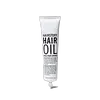 Key Ingredients
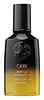
Benefits
Concerns
Ingredients Side-by-side
Isododecane
EmollientCoconut Alkanes
Emollient


Dimethicone
Emollient

Heptyl Undecylenate
EmollientOenothera Biennis Oil
Emollient





Helianthus Annuus Seed Oil
Emollient
Orbignya Speciosa Kernel Oil
Emollient
Argania Spinosa Kernel Oil
Emollient

Isoamyl Laurate
Emollient
Simmondsia Chinensis Seed Oil
Emollient
Crambe Abyssinica Seed Oil
Skin Conditioning
Linoleic Acid
Cleansing
Coco-Caprylate/Caprate
Emollient
Astrocaryum Murumuru Seed Butter
Emollient
Carthamus Tinctorius Seed Oil
Masking
Tocopherol
Antioxidant



Linolenic Acid
Cleansing

Tbhq
Antioxidant
Prunus Amygdalus Dulcis Oil
Skin Conditioning
Lavandula Angustifolia Oil
Masking


Cananga Odorata Flower Oil
Masking
Juniperus Virginiana Oil
Masking
Bulnesia Sarmientoi Wood Oil
Masking
Amyris Balsamifera Bark Oil
Masking
Pogostemon Cablin Leaf Oil
Masking
Eugenia Caryophyllus Leaf Oil
Masking
Jasminum Officinale Oil
Masking
Pelargonium Graveolens Oil
Masking
Fusanus Spicatus Wood Oil
Masking
Amyl Cinnamal
Perfuming
Benzyl Alcohol
Perfuming

Benzyl Benzoate
Antimicrobial
Benzyl Salicylate
Perfuming
Citronellol
Perfuming
Eugenol
Perfuming
Geraniol
Perfuming
Limonene
Perfuming
Linalool
Perfuming
Isododecane, Coconut Alkanes, Dimethicone, Heptyl Undecylenate, Oenothera Biennis Oil, Helianthus Annuus Seed Oil, Orbignya Speciosa Kernel Oil, Argania Spinosa Kernel Oil, Isoamyl Laurate, Simmondsia Chinensis Seed Oil, Crambe Abyssinica Seed Oil, Linoleic Acid, Coco-Caprylate/Caprate, Astrocaryum Murumuru Seed Butter, Carthamus Tinctorius Seed Oil, Tocopherol, Linolenic Acid, Tbhq, Prunus Amygdalus Dulcis Oil, Lavandula Angustifolia Oil, Cananga Odorata Flower Oil, Juniperus Virginiana Oil, Bulnesia Sarmientoi Wood Oil, Amyris Balsamifera Bark Oil, Pogostemon Cablin Leaf Oil, Eugenia Caryophyllus Leaf Oil, Jasminum Officinale Oil, Pelargonium Graveolens Oil, Fusanus Spicatus Wood Oil, Amyl Cinnamal, Benzyl Alcohol, Benzyl Benzoate, Benzyl Salicylate, Citronellol, Eugenol, Geraniol, Limonene, Linalool
Cyclopentasiloxane
Emollient
Coconut Alkanes
Emollient
Dimethiconol
Emollient
Caprylic/Capric Triglyceride
Masking
Crambe Abyssinica Seed Oil
Skin Conditioning
Limnanthes Alba Seed Oil
Skin Conditioning
Butyrospermum Parkii Butter
Skin Conditioning
Argania Spinosa Kernel Oil
Emollient
Tocopherol
Antioxidant
Citrullus Lanatus Fruit Extract
Skin Conditioning
Citrus Aurantium Bergamia Fruit Oil
Masking
Litchi Chinensis Fruit Extract
Skin ConditioningOrbignya Speciosa Kernel Oil
Emollient
Astrocaryum Murumuru Seed Butter
Emollient
Santalum Album Wood Extract
Perfuming
Olea Europaea Fruit Oil
Masking
Ribes Nigrum Seed Oil
Emollient
Citrus Limon Peel Oil
Masking
Jasminum Officinale Oil
Masking
Leontopodium Alpinum Flower/Leaf Extract
Skin ConditioningCoco-Caprylate/Caprate
Emollient
Tbhq
Antioxidant
Parfum
Masking
Limonene
Perfuming
Hexyl Cinnamal
Perfuming
Linalool
Perfuming
Citral
Perfuming
Cyclopentasiloxane, Coconut Alkanes, Dimethiconol, Caprylic/Capric Triglyceride, Crambe Abyssinica Seed Oil, Limnanthes Alba Seed Oil, Butyrospermum Parkii Butter, Argania Spinosa Kernel Oil, Tocopherol, Citrullus Lanatus Fruit Extract, Citrus Aurantium Bergamia Fruit Oil, Litchi Chinensis Fruit Extract, Orbignya Speciosa Kernel Oil, Astrocaryum Murumuru Seed Butter, Santalum Album Wood Extract, Olea Europaea Fruit Oil, Ribes Nigrum Seed Oil, Citrus Limon Peel Oil, Jasminum Officinale Oil, Leontopodium Alpinum Flower/Leaf Extract, Coco-Caprylate/Caprate, Tbhq, Parfum, Limonene, Hexyl Cinnamal, Linalool, Citral
Ingredients Explained
These ingredients are found in both products.
Ingredients higher up in an ingredient list are typically present in a larger amount.
You may know this ingredient as argan oil. It has emollient and skin conditioning properties that help soften skin and reinforce the lipid barrier.
The fatty acid profile of argan oil is roughly 45-55% oleic acid, 28-36% linoleic acid, 10-15% palmitic acid, and 5-7% stearic acid. It also contains vitamin E, sterols, squalene, and polyphenols like ferulic acid.
Two clinical studies in postmenopausal women found that applying argan oil for 60 days significantly improved skin elasticity and moisturization (reduced transepidermal water loss and increased epidermal water content).
Since it is high in oleic and linoleic acid, this ingredient may not be fungal acne safe. Both of these fall in the C11-C24 range that Malassezia yeast can metabolize.
Learn more about Argania Spinosa Kernel OilMurumuru butter is a solid fat pressed from the seeds of an Amazonian palm.
It's a bit unusual among plant butters due to its fatty acid profile: it's roughly 47% lauric acid (C12) and 26% myristic acid (C14), with about 13% oleic, 6% palmitic, 3% linoleic and 3% stearic acid.
Those are medium-chain fats which is why it melts fast on skin and feels lighter than stearic-heavy butters like shea or cacao.
In skincare, this butter works as an emollient and a temporary occlusive that helps soften the skin's surface and slows water loss.
Just to be upfront: there's no published human clinical trials on this ingredient and everything known about how it behaves on skin is from the fatty acid composition + general body of data on refined plant oils. At this time, marketing claims about wrinkles, elasticity, or "deep repair" are unsupported.
Industry survey data shows concentrations between 0.001%-7% for leave-on products and rinse-off products are capped around 0.2%.
No one has tested murumuru butter for comedogenicity in humans; the comedogenic ratings floating around trace back to lauric and myristic acid scores from the 1984 rabbit ear assay.
The author of that study later said that testing on rabbit ears is not ideal and human testing found that comedogenic ratings cannot predict how a finished formula will behave. It all comes down to formula, concentration, and your skin.
Malassezia is lipid dependent and feeds on free fatty acids between C11-24 chain lengths. This ingredient is made up entirely of chains in that range, so it may not be fungal acne safe.
Learn more about Astrocaryum Murumuru Seed ButterCoco-Caprylate/Caprate is a lightweight ester created from coconut oil fatty acids, caprylic acid, and capric acid.
It is an emollient that helps soften skin and reduce transepidermal water loss (TEWL). What sets it apart from heavier emollients is its ultralight, non-greasy feel.
Once applied, this ingredient dries down quickly and leaves a dry, silky finish behind. This also helps improve spreadability and texture.
This ingredient has an excellent safety-record and is non-irritating.
Typical concentrations for cosmetics range from 0.5-62%.
Research on Malassezia growth found no growth on fatty acid esters with chain lengths shorter than 12 carbons (it prefers C11-24).
Since Coco-Caprylate/Caprate is built on C8 and C10 fatty acids, it is out of the range that Malassezia metabolizes, and therefore safe for fungal acne.
Learn more about Coco-Caprylate/CaprateThis is a lightweight, plant-derived emollient and solvent made from the fatty acids of coconut oil.
It spreads easily and adds a soft, silky, non-greasy slip, then evaporates rather than sinking into skin. Due to this behavior, it's prized as a natural and renewable replacement for silicones.
Typical use concentrations can go anywhere up to 20%.
The CIR Expert Panel has reviewed coconut oil and its hydrogenated derivatives and found them to be safe as used in cosmetics. It's a low-irritating and well-tolerated ingredient with no notable sensitization concerns.
Because it's a pure saturated hydrocarbon and not a free fatty acid or ester in the C11-24 range that Malassezia can feed on, it doesn't provide the lipids for Malassezia to feed on. This ingredient is generally regarded as safe for fungal acne.
There's no comedogenicity data for this specific ingredient; the "coconut clogs pores" reputation comes from coconut oil which scored high on the old rabbit ear assay.
That method tested pure ingredients on rabbit ears and later work showed the results translate inconsistently to human skin.
Some people still find it breaks them out. So if that's you, definitely trust your skin.
Learn more about Coconut AlkanesThis ingredient is also known as Abyssinian Oil. It comes from the seeds of the Crambe abyssinica plant and has skin conditioning properties.
What makes this oil unique is its unusually high content of erucic acid (50-65%). The other fatty acids found in this oil are oleic acid (15%) and linoleic acid (13%).
In cosmetics, abyssinian oil acts as an emollient that forms a protective layer on skin to lock in moisture without adding a heavy, greasy feeling. It also has a silky, silicone-like slip to it and is fairly resistant to oxidation.
Due to its fatty acid content, this ingredient may not be fungal acne safe.
Learn more about Crambe Abyssinica Seed OilJasminum Officinale Oil is obtained from the jasmine flower. The flower has antioxidant and antimicrobial properties.
The antioxidant properties of Jasmine flower come from flavonoids.
YSK - Jasmine flowers also contain coumarin, a known EU allergen.
Learn more about Jasminum Officinale OilLimonene is the compound that gives citrus peel its smell.
In skincare, it shows up as a standalone fragrance ingredient or as a natural compound of citrus and other essential oils.
You'll typically see this ingredient used in very small amounts; anything above 0.001% in a leave-on product or 0.01% in a rinse-off has to be named on the label in the EU. The citrus oils that carry it sit around 0.5-1% in a finished formula.
Fresh limonene is a weak allergen; the real issue is that it slowly reacts with air and then breaks down from oxidation to create hydroperoxides (which are strong sensitizers). This is why suppliers are required to keep the peroxide value below 20 mmol.
Positive reactions in people being investigated for eczema vary:
It's worth skipping if you have a known fragrance allergy or a compromised barrier, but the risk is low for most people.
Older or long-opened products are also more likely to bother you than fresh ones due to oxidation.
Learn more about LimoneneLinalool is a small, naturally occurring scent molecule found in plants like lavender, coriander, bergamot, and more.
It is one of the two most-used fragrance ingredients in cosmetics and added purely for smell. Since it's not used for a skin benefit, there's no "effective dose". Concentration depends on the fragrance load of the product.
The EU requires it to be named on the label above 0.001% in leave-on and 0.01% in rinse-off products.
Fresh linalool is a weak sensitizer but air exposure turns some of it into hydroperoxides, which are strong sensitizers. Those oxidation products are the actual allergy concern.
Patch-test clinics see positive reactions to linalool hydroperoxides in about 4% to 12% of dermatitis patients depending on country and test concentration.
Resassuringly, one analytical study found hydroperoxide levels in real fragranced products to be orders of magnitude below what induced sensitization in animal studies with no evidence of oxidation building up during normal storage.
The practical takeaway is that linalool is fine for most people but worth avoiding if you have a confirmed fragrance contact allergy or a badly compromised barrier.
Products stored a long time after opening are also the high-risk scenario since that is when oxidation happens.
The scent of linalool is described as floral, spicy tropical, and citrus-like.
Learn more about LinaloolOrbignya Speciosa Kernel Oil is an oil.
Tbhq is an antioxidant and is a fragrance.
Tocopherol is a fat-soluble antioxidant known as Vitamin E.
You'll find this ingredient in the vast majority of skincare (for good reason). It works to neutralize free radicals, or unstable molecules generated by UV exposure, pollution, and other environmental stressors, before they can cause oxidative damage to your skin cells.
Topically applied tocopherol has been shown to protect against UV damage by ramping up the skin's own natural defense enzymes.
It also acts as a skin conditioning agent; some studies show that regular topical use can improve the skin's water-binding capacity over 2-4 weeks.
This ingredient is especially loved for being a team player. When combined with Vitamin C, the photoprotective effect of both ingredients roughly doubles and the combo also helps reduce UV-induced DNA damage.
This ingredient has some brightening potential but it's more of a prevention ingredient than spot-fader. Cell studies show it can slow down melanin production but it's worth noting that it's not the most powerful brightener out there.
In formulations, it also serves as a stabilizer that helps protect other oxidation-prone ingredients from degrading.
Concentrations usually range from 0.1-1% in most leave-on products.
Learn more about Tocopherol

