Hagi Cosmetics Smart A Pro-Retinol Natural Rejuvenating Serum Versus ZO Skin Health Illuminating Aox Serum
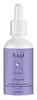
This anti-aging serum is formulated around Retinyl Palmitate and Squalane to soften the look of wrinkles and hydrate skin.
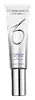
This brightening serum is formulated around Laminaria Digitata Extract and Retinyl Palmitate to brighten dull-looking skin and soften the look of wrinkles.


What's inside
What's inside
 Key Ingredients
Benefits
Concerns
Ingredients Side-by-side
Water
Skin ConditioningCoconut Alkanes
Emollient


Dicaprylyl Ether
Emollient
Glycerin
Humectant

Cocos Nucifera Oil
Masking




Propanediol
Solvent
Squalane
Emollient
Retinyl Palmitate
Skin Conditioning


Pentylene Glycol
Skin Conditioning
Cocos Nucifera Water
Masking
Cocos Nucifera Fruit Juice
Emollient
Coco-Caprylate/Caprate
Emollient
Lecithin
Emollient
Sodium Hyaluronate
Humectant

Sorbitan Isostearate
Emulsifying
Polyglyceryl-3 Polyricinoleate
Emulsifying
Hippophae Rhamnoides Fruit Oil
Skin Protecting
Hippophae Rhamnoides Fruit Extract
Skin Conditioning
Tocopherol
Antioxidant

Parfum
Masking

Sodium Benzoate
Masking
Potassium Sorbate
Preservative
Dehydroacetic Acid
Preservative
Benzyl Alcohol
Perfuming

Citronellol
Perfuming
Limonene
Perfuming
Linalool
Perfuming
Coumarin
Perfuming
Water, Coconut Alkanes, Dicaprylyl Ether, Glycerin, Cocos Nucifera Oil, Propanediol, Squalane, Retinyl Palmitate, Pentylene Glycol, Cocos Nucifera Water, Cocos Nucifera Fruit Juice, Coco-Caprylate/Caprate, Lecithin, Sodium Hyaluronate, Sorbitan Isostearate, Polyglyceryl-3 Polyricinoleate, Hippophae Rhamnoides Fruit Oil, Hippophae Rhamnoides Fruit Extract, Tocopherol, Parfum, Sodium Benzoate, Potassium Sorbate, Dehydroacetic Acid, Benzyl Alcohol, Citronellol, Limonene, Linalool, Coumarin
Water
Skin ConditioningCetearyl Isononanoate
Emollient
Butylene Glycol
Humectant
Dimethicone
Emollient
PPG-3 Benzyl Ether Myristate
EmollientCetearyl Alcohol
Emollient
Pentylene Glycol
Skin Conditioning
Cetyl Alcohol
Emollient
Mica
Cosmetic ColorantGlycerin
Humectant
Safflower Oil/Palm Oil Aminopropanediol Esters
Skin Conditioning
Laminaria Digitata Extract
Skin Protecting
Opuntia Ficus-Indica Stem Extract
Skin Conditioning
Arabidopsis Thaliana Extract
Antioxidant
Leontopodium Alpinum Meristem Cell Culture
Skin ConditioningMarrubium Vulgare Meristem Cell Culture
Skin ProtectingGalactoarabinan
Schizophyllan
HumectantTocopheryl Acetate
Antioxidant
Retinyl Palmitate
Skin Conditioning
Ascorbic Acid
Antioxidant

Squalane
Emollient
Caprylyl Glycol
Emollient
Pullulan
Hexylene Glycol
EmulsifyingSilica
Abrasive


Polyglutamic Acid
Skin Conditioning
1,2-Hexanediol
Skin Conditioning
Beta-Glucan
Skin Conditioning
Micrococcus Lysate
Skin ConditioningPolysorbate 60
Emulsifying
Sodium C14-16 Olefin Sulfonate
Cleansing
Disodium EDTA
ChelatingHydroxyethyl Acrylate/Sodium Acryloyldimethyl Taurate Copolymer
Emulsion StabilisingCetearyl Glucoside
Emulsifying
Lecithin
Emollient
Xanthan Gum
EmulsifyingSclerotium Gum
Emulsion StabilisingPolymethyl Methacrylate
Maltodextrin
Absorbent
Tin Oxide
Abrasive
Sodium Hydroxide
BufferingPhenoxyethanol
Preservative
Ethylhexylglycerin
Skin ConditioningSodium Benzoate
Masking
Parfum
Masking
Limonene
Perfuming
CI 77891
Cosmetic ColorantCI 77491
Cosmetic ColorantWater, Cetearyl Isononanoate, Butylene Glycol, Dimethicone, PPG-3 Benzyl Ether Myristate, Cetearyl Alcohol, Pentylene Glycol, Cetyl Alcohol, Mica, Glycerin, Safflower Oil/Palm Oil Aminopropanediol Esters, Laminaria Digitata Extract, Opuntia Ficus-Indica Stem Extract, Arabidopsis Thaliana Extract, Leontopodium Alpinum Meristem Cell Culture, Marrubium Vulgare Meristem Cell Culture, Galactoarabinan, Schizophyllan, Tocopheryl Acetate, Retinyl Palmitate, Ascorbic Acid, Squalane, Caprylyl Glycol, Pullulan, Hexylene Glycol, Silica, Polyglutamic Acid, 1,2-Hexanediol, Beta-Glucan, Micrococcus Lysate, Polysorbate 60, Sodium C14-16 Olefin Sulfonate, Disodium EDTA, Hydroxyethyl Acrylate/Sodium Acryloyldimethyl Taurate Copolymer, Cetearyl Glucoside, Lecithin, Xanthan Gum, Sclerotium Gum, Polymethyl Methacrylate, Maltodextrin, Tin Oxide, Sodium Hydroxide, Phenoxyethanol, Ethylhexylglycerin, Sodium Benzoate, Parfum, Limonene, CI 77891, CI 77491
Ingredients Explained
These ingredients are found in both products.
Ingredients higher up in an ingredient list are typically present in a larger amount.
Glycerin (or glycerol) is a compound naturally found in your skin. It's a powerhouse humectant that pulls water into the stratum corneum.
Topically, glycerin does several things at once:
Your skin makes glycerin on its own (mostly from sebaceous oil breakdown) and shuttles it to your outermost layer of skin, or your epidermis, via aquaporin-3.
Aquaporin-3 is a transporter that is essential for normal skin hydration, elasticity, and repair. Interestingly, mice lacking in AQP3 have dry and less elastic skin that can be fully corrected with glycerin.
This ingredient is non-irritating, plays well with almost every ingredient, and works across all skin types. Typical use is anywhere between 3-10% but can go up to 79% in some leave-on products.
Just know very high concentrations (>40%) can feel tacky in low humidity.
Glycerin is the name for this ingredient in American English. British English uses Glycerol/Glycerine.
Learn more about GlycerinLecithin is a term for a group of substances found in the cell membranes of plants, animals, and humans. They are made up of phospholipids.
Thanks to its amphiphilic structure (water-loving head and oil-loving tail), it is a true multitasker:
It plays well with most ingredients and is typically used at 0.1-1%. However, concentrations up to 50% have been reported in moisturizers.
Learn more about LecithinLimonene is the compound that gives citrus peel its smell.
In skincare, it shows up as a standalone fragrance ingredient or as a natural compound of citrus and other essential oils.
You'll typically see this ingredient used in very small amounts; anything above 0.001% in a leave-on product or 0.01% in a rinse-off has to be named on the label in the EU. The citrus oils that carry it sit around 0.5-1% in a finished formula.
Fresh limonene is a weak allergen; the real issue is that it slowly reacts with air and then breaks down from oxidation to create hydroperoxides (which are strong sensitizers). This is why suppliers are required to keep the peroxide value below 20 mmol.
Positive reactions in people being investigated for eczema vary:
It's worth skipping if you have a known fragrance allergy or a compromised barrier, but the risk is low for most people.
Older or long-opened products are also more likely to bother you than fresh ones due to oxidation.
Learn more about LimoneneParfum is a catch-all term for an ingredient or more that is used to give a scent to products.
Also called "fragrance", this ingredient can be a blend of hundreds of chemicals or plant oils. This means every product with "fragrance" or "parfum" in the ingredients list is a different mixture.
For instance, Habanolide is a proprietary trade name for a specific aroma chemical. When used as a fragrance ingredient in cosmetics, most aroma chemicals fall under the broad labeling category of “FRAGRANCE” or “PARFUM” according to EU and US regulations.
The term 'parfum' or 'fragrance' is not regulated in many countries. In many cases, it is up to the brand to define this term.
For instance, many brands choose to label themselves as "fragrance-free" because they are not using synthetic fragrances. However, their products may still contain ingredients such as essential oils that are considered a fragrance by INCI standards.
One example is Calendula flower extract. Calendula is an essential oil that still imparts a scent or 'fragrance'.
Depending on the blend, the ingredients in the mixture can cause allergies and sensitivities on the skin. Some ingredients that are known EU allergens include linalool and citronellol.
Parfum can also be used to mask or cover an unpleasant scent.
The bottom line is: not all fragrances/parfum/ingredients are created equally. If you are worried about fragrances, we recommend taking a closer look at an ingredient. And of course, we always recommend speaking with a professional.
Learn more about ParfumPentylene Glycol (1,2-pentanediol) is a multitasking little diol with three main roles in a formula:
Research on alkanediols (the family pentylene glycol belongs to) show they work by disrupting microbial cell membranes. This disruption helps the primary preservative system in a product work more effectively at lower doses.
On the safety side, the Cosmetic Ingredient Review Expert Panel has concluded this ingredient to be safe as used in current cosmetic practices + concentrations.
Typical use levels in a formula run about 1-5%.
Learn more about Pentylene GlycolRetinyl Palmitate is a form of retinoid. Retinoids are the superstar class of anti-aging ingredients that include Tretinoin and Retinol.
This particular ingredient has had a bumpy year with its rise and fall in popularity.
First, Retinyl Palmitate is created from Palmitic Acid and Retinol. It is a Retinol ester and considered one of the weaker forms of retinoid.
This is because all retinoids have to be converted to Tretinoin, AKA Retinoic Acid.
Retinyl Palmitate is pretty far down the line and has to go through multiple conversions before its effects are seen. Once it's on your skin, enzymes called esterases convert it into Retinol, then into Retinal, and finally into Retinoic Acid; that's three steps with a little lost at each one.
The benefits of Retinyl Palmitate are debated due to this long and ineffective conversion line.
So why use it at all?
The answer is stability. Retinol and Retinoic Acid break down fast when they hit light, heat, and air, and Retinoic Acid can be pretty irritating on top of that.
Retinyl Palmitate is much more stable and gentler, making it easier to formulate with and easier on sensitive skin (even if it's weaker gram for gram).
Studies show Retinyl Palmitate to help:
Newer research from 2023-2025 also found that Retinyl Palmitate works especially well when paired with Retinol. The two seem to cover each other's weak spots; retinol brings the potency while Retinyl Palmitate brings the stability and gentleness. Together, they repair UV damage better than either one does alone.
This ingredient used to be found in sunscreens to boost the efficacy of sunscreen filters.
The downfall of Retinyl Palmitate was due to released reports about the ingredient being correlated to sun damage and skin tumors.
Most of this traces back to a 2012 US National Toxicology Program (NTP) study where hairless mice coated in Retinyl Palmitate cream and exposed to UV light developed skin tumors faster.
Here's the nuance, though.
When the Cosmetic Ingredient Review (CIR) Expert Panel went back through that study, they found methodological flaws and decided the results couldn't be interpreted as proof of extra risk.
The EU's Scientific Committee on Consumer Safety (SCCS) said the mouse findings might point to a concern but they're hard to apply to humans since hairless mouse skin and human skin behave differently.
While there is a study showing this ingredient to cause DNA damage when exposed to UVA, there is no concrete proof of it being linked to skin cancer. It is completely safe to use when used correctly.
Both the CIR and the SCCS consider it safe at the concentrations used in cosmetics; the SCCS specifically cleared retinoids up to 0.05% in body lotions and 0.3% in face creams, hand creams, and rinse-off products.
As of 2025, the EU has written those limits into law, plus a label warning about your total Vitamin A intake from all sources.
All retinoids increase your skin's sensitivity to the sun in the first few months of usage. Be especially careful with reapplying sunscreen when using any form of retinoid.
One more note: if you're pregnant, high doses of Vitamin A can be a concern, so a lot of people skip topical retinoids (including Retinyl Palmitate) during pregnancy just to be safe. Check with your doctor if you're unsure.
Fun fact: This ingredient is often added to low-fat milk to increase the levels of Vitamin A.
Learn more about Retinyl PalmitateSodium Benzoate is a preservative. It's used in both cosmetic and food products to inhibit the growth of mold and bacteria. It is typically produced synthetically.
Both the US FDA and EU Health Committee have approved the use of sodium benzoate. In the US, levels of 0.1% (of the total product) are allowed.
Sodium benzoate works as a preservative by inhibiting the growth of bacteria inside of cells. It prevents the cell from fermenting a type of sugar using an enzyme called phosphofructokinase.
It is the salt of benzoic acid. Foods containing sodium benzoate include soda, salad dressings, condiments, fruit juices, wines, and snack foods.
Studies for using ascorbic acid and sodium benzoate in cosmetics are lacking, especially in skincare routines with multiple steps.
We always recommend speaking with a professional, such as a dermatologist, if you have any concerns.
Learn more about Sodium BenzoateSqualane is the hydrogenated and shelf-stable form of squalene (a lipid that naturally occurs in human sebum).
It is an emollient and skin conditioning agent that is able to integrate seamlessly into the skin's lipid barrier without clogging pores.
This is due to how structurally similar it is to what your skin already produces.
Though it is mostly an emollient that helps soften and hydrate skin, it also has some humectant and occlusive action. Humectants help the skin retain moisture while occlusives seal it in, making squalane a triple-threat moisturizer.
Research shows it has antioxidant capabilities that help protect against stressors like UV exposure, specifically UVA induced oxidative stress. This study also found that it supports collagen biosynthesis in human dermal fibroblasts.
No clinical study has reported significant adverse effects and irritation reactions are very rare from this ingredient (even at 100% concentration).
Overall, it's a fantastic ingredient for hydration and is suitable for all skin types.
This depends on the source. Squalane can be derived from both plants and animals. Most squalane used in skincare comes from plants.
Please note: the source of squalane is only known if disclosed by the brand. We recommend reaching out to the brand if you have any questions about their squalane.
Read more about squalene with an "e".
Though squalane is often called an oil, it’s technically not one. It is a hydrocarbon, meaning it is only made of carbon and hydrogen. True oils are triglycerides and made of fatty acids and glycerol.
The term “oil-free” isn’t regulated so companies can define it however they want. Some exclude all oils, while others just avoid mineral oil or comedogenic oils.
Squalane has a comedogenic rating of 1 from the original 1972 study that tested raw ingredients under occlusion on rabbit ears. This system is not standardized or peer-reviewed, and using the raw ingredients is very different from how diluted cosmetic formulations are used on human skin.
A comedogenic rating of 1 means it is "unlikely to clog pores" according to the original rating system.
The overall formula of a product matters more than the individual ingredients on whether or not it will cause clogged pores.
Learn more about SqualaneWater. It's the most common cosmetic ingredient of all. You'll usually see it at the top of ingredient lists, meaning that it makes up the largest part of the product.
So why is it so popular? Water most often acts as a solvent - this means that it helps dissolve other ingredients into the formulation.
You'll also recognize water as that liquid we all need to stay alive. If you see this, drink a glass of water. Remember to stay hydrated!
Learn more about Water

