
What's inside
What's inside
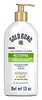 Key Ingredients
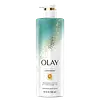
Benefits
Concerns
Ingredients Side-by-side
Water
Skin ConditioningGlycerin
Humectant


Hydroxyethyl Urea
Humectant
Dimethicone
Emollient
Glyceryl Stearate
Emollient

Petrolatum
Emollient


Steareth-21
CleansingDistearyldimonium Chloride
Jojoba Esters
Emollient
Aloe Barbadensis Leaf Juice
Skin Conditioning

Cetearyl Alcohol
Emollient



Behentrimonium Methosulfate
SurfactantMethyl Gluceth-20
Humectant
Butyrospermum Parkii Butter Extract
Skin Conditioning
Camellia Sinensis Leaf Extract
Antimicrobial




Citrus Aurantium Dulcis Fruit Extract
MaskingCitrus Limon Fruit Extract
Masking
Pyrus Malus Fruit Extract
Skin Conditioning
Cucumis Sativus Extract
Skin Conditioning
Helianthus Annuus Seed Extract
Skin Conditioning
Hordeum Vulgare Extract
EmollientSaccharum Officinarum Extract
MoisturisingHydrolyzed Jojoba Esters
Skin Conditioning
3-O-Ethyl Ascorbic Acid
Skin Conditioning

Niacinamide
Smoothing


Ubiquinone
Antioxidant
Tocopheryl Acetate
Antioxidant
Ceramide NP
Skin Conditioning
Ceramide Ns
Skin Conditioning
Ceramide Eos
Skin Conditioning
Ceramide EOP
Skin Conditioning
Ceramide AP
Skin Conditioning
Caprooyl Phytosphingosine
Skin Conditioning
Caprooyl Sphingosine
Skin ConditioningStearamidopropyl Pg-Dimonium Chloride Phosphate
Cetyl Alcohol
Emollient
Cholesterol
Emollient
Ceteareth-25
CleansingBehenic Acid
Cleansing
Butylene Glycol
Humectant
Propylene Glycol Dicaprate
EmollientPolysorbate 60
Emulsifying
Propylene Glycol
Humectant
Potassium Hydroxide
BufferingMethylparaben
Preservative


Ethylhexylglycerin
Skin ConditioningC12-15 Alkyl Benzoate
AntimicrobialEDTA
Parfum
Masking

Water, Glycerin, Hydroxyethyl Urea, Dimethicone, Glyceryl Stearate, Petrolatum, Steareth-21, Distearyldimonium Chloride, Jojoba Esters, Aloe Barbadensis Leaf Juice, Cetearyl Alcohol, Behentrimonium Methosulfate, Methyl Gluceth-20, Butyrospermum Parkii Butter Extract, Camellia Sinensis Leaf Extract, Citrus Aurantium Dulcis Fruit Extract, Citrus Limon Fruit Extract, Pyrus Malus Fruit Extract, Cucumis Sativus Extract, Helianthus Annuus Seed Extract, Hordeum Vulgare Extract, Saccharum Officinarum Extract, Hydrolyzed Jojoba Esters, 3-O-Ethyl Ascorbic Acid, Niacinamide, Ubiquinone, Tocopheryl Acetate, Ceramide NP, Ceramide Ns, Ceramide Eos, Ceramide EOP, Ceramide AP, Caprooyl Phytosphingosine, Caprooyl Sphingosine, Stearamidopropyl Pg-Dimonium Chloride Phosphate, Cetyl Alcohol, Cholesterol, Ceteareth-25, Behenic Acid, Butylene Glycol, Propylene Glycol Dicaprate, Polysorbate 60, Propylene Glycol, Potassium Hydroxide, Methylparaben, Ethylhexylglycerin, C12-15 Alkyl Benzoate, EDTA, Parfum
Water
Skin ConditioningPetrolatum
Emollient
Sodium Trideceth Sulfate
Cleansing
Sodium Chloride
MaskingCocamidopropyl Betaine
Cleansing
Parfum
Masking
Trideceth-3
EmulsifyingNiacinamide
Smoothing
Oryza Sativa Bran Extract
Skin Conditioning
Sodium Citrate
BufferingGuar Hydroxypropyltrimonium Chloride
Skin ConditioningSodium Benzoate
Masking
Xanthan Gum
EmulsifyingGlyceryl Oleate
Emollient
Citric Acid
Buffering
Disodium EDTA
Sodium Hydroxide
BufferingAcrylates/C10-30 Alkyl Acrylate Crosspolymer
Emulsion StabilisingMethylchloroisothiazolinone
Preservative
Methylisothiazolinone
Preservative
CI 19140
Cosmetic ColorantCI 17200
Cosmetic ColorantCeramide AP
Skin Conditioning
Water, Petrolatum, Sodium Trideceth Sulfate, Sodium Chloride, Cocamidopropyl Betaine, Parfum, Trideceth-3, Niacinamide, Oryza Sativa Bran Extract, Sodium Citrate, Guar Hydroxypropyltrimonium Chloride, Sodium Benzoate, Xanthan Gum, Glyceryl Oleate, Citric Acid, Disodium EDTA, Sodium Hydroxide, Acrylates/C10-30 Alkyl Acrylate Crosspolymer, Methylchloroisothiazolinone, Methylisothiazolinone, CI 19140, CI 17200, Ceramide AP
Ingredients Explained
These ingredients are found in both products.
Ingredients higher up in an ingredient list are typically present in a larger amount.
Ceramide AP is is a skin-identical lipid that mimics what your skin already makes naturally. Ceramides help maintain epidermal integrity and barrier function.
You'll often see this ingredient paired with other ceramides (like ceramide NP), cholesterol, or fatty acids because this combination best mimics the natural lipid mix your skin already has.
The skin's ability to produce ceramides gets disrupted in skin conditions like eczema. This in turn weakens the skin barrier and applying ceramides topically has been shown to replenish what's been lost to restore barrier function.
Most of the studies with Ceramide AP test it as part of a multi-ceramide complex; studies reinforce ceramide AP's role in rebalancing ceramides in skin and improving skin hydration.
Learn more about Ceramide APNiacinamide is a multitasking form of vitamin B3 that strengthens the skin barrier, reduces pores and dark spots, regulates oil, and improves signs of aging.
And the best part? It's gentle and well-tolerated by most skin types, including sensitive and reactive skin.
You might have heard of "niacin flush", or the reddening of skin that causes itchiness. Niacinamide has not been found to cause this.
In very rare cases, some individuals may not be able to tolerate niacinamide at all or experience an allergic reaction to it.
If you are experiencing flaking, irritation, and dryness with this ingredient, be sure to double check all your products as this ingredient can be found in all categories of skincare.
When incorporating niacinamide into your routine, look out for concentration amounts. Typically, 5% niacinamide provides benefits such as fading dark spots. However, if you have sensitive skin, it is better to begin with a smaller concentration.
When you apply niacinamide to your skin, your body converts it into nicotinamide adenine dinucleotide (NAD). NAD is an essential coenzyme that is already found in your cells as "fuel" and powers countless biological processes.
In your skin, NAD helps repair cell damage, produce new healthy cells, support collagen production, strengthen the skin barrier, and fight environmental stressors (like UV and pollution).
Our natural NAD levels start to decline with age, leading to slower skin repair, visible aging, and a weaker skin barrier. By providing your skin niacinamide, you're recharging your skin's NAD levels. This leads to stronger, healthier, and younger looking skin.
Another name for vitamin B3 is nicotinamide. This vitamin is water-soluble and our bodies don't store it. We obtain Vitamin B3 from either food or skincare. Meat, fish, wheat, yeast, and leafy greens contain vitamin B3.
The type of niacinamide used in skincare is synthetically created.
Learn more about NiacinamideParfum is a catch-all term for an ingredient or more that is used to give a scent to products.
Also called "fragrance", this ingredient can be a blend of hundreds of chemicals or plant oils. This means every product with "fragrance" or "parfum" in the ingredients list is a different mixture.
For instance, Habanolide is a proprietary trade name for a specific aroma chemical. When used as a fragrance ingredient in cosmetics, most aroma chemicals fall under the broad labeling category of “FRAGRANCE” or “PARFUM” according to EU and US regulations.
The term 'parfum' or 'fragrance' is not regulated in many countries. In many cases, it is up to the brand to define this term.
For instance, many brands choose to label themselves as "fragrance-free" because they are not using synthetic fragrances. However, their products may still contain ingredients such as essential oils that are considered a fragrance by INCI standards.
One example is Calendula flower extract. Calendula is an essential oil that still imparts a scent or 'fragrance'.
Depending on the blend, the ingredients in the mixture can cause allergies and sensitivities on the skin. Some ingredients that are known EU allergens include linalool and citronellol.
Parfum can also be used to mask or cover an unpleasant scent.
The bottom line is: not all fragrances/parfum/ingredients are created equally. If you are worried about fragrances, we recommend taking a closer look at an ingredient. And of course, we always recommend speaking with a professional.
Learn more about ParfumPetrolatum is more commonly known as petroleum jelly. It is created by mixing waxes and mineral oils.
This ingredient is effective at reducing water loss by 99%. This is because it is an occlusive. Occlusives create a hydrophobic barrier on the skin to prevent evaporation. This property makes it great for hydrating dry skin.
Pro tip: Use occlusives, such as this ingredient, on damp skin for the best results.
The quality or origin of petrolatum is only known when disclosed by the brand. Most cosmetic petrolatum has gone through several purification stages.
Another benefit of occlusives is it protects your skin against infection or allergies.
Petrolatum is fungal acne safe. It is a hydrocarbon with no fatty acid structure, so Malassezia cannot metabolize it. In-vitro studies support negligible growth stimulation as well.
It's also worth noting that petrolatum has a comedogenic rating of 0. In updated rabbit ear testing (and in human testing), petrolatum was found to be not comedogenic. This means it didn’t promote comedone formation in standard models.
Learn more about PetrolatumWater. It's the most common cosmetic ingredient of all. You'll usually see it at the top of ingredient lists, meaning that it makes up the largest part of the product.
So why is it so popular? Water most often acts as a solvent - this means that it helps dissolve other ingredients into the formulation.
You'll also recognize water as that liquid we all need to stay alive. If you see this, drink a glass of water. Remember to stay hydrated!
Learn more about Water

