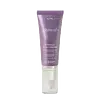
This anti-aging eye moisturizer is formulated around Acetyl Hexapeptide-8 and Ceramide NP to soften the look of wrinkles and hydrate skin.
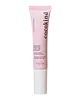
This anti-aging eye moisturizer is formulated around Palmitoyl Tripeptide-5 and Ectoin to soften the look of wrinkles and strengthen the skin barrier.

What's inside
What's inside
 Key Ingredients
Benefits
Concerns
Ingredients Side-by-side
Water
Skin ConditioningAcetyl Hexapeptide-8
Humectant

Caprylic/Capric Triglyceride
Masking


Cetearyl Glucoside
Emulsifying

Glyceryl Stearate
Emollient
Cetearyl Alcohol
Emollient



Ceteareth-20
Cleansing
Dipalmitoyl Hydroxyproline
Skin Conditioning
Ceramide NP
Skin Conditioning


Ceramide Ns
Skin Conditioning
Ceramide EOP
Skin Conditioning
Phytosphingosine
Skin Conditioning
Hydrolyzed Rice Protein
Skin ConditioningGlycine Soja Protein
EmulsifyingSerine
Masking
Proline
Skin Conditioning
Spirulina Platensis Extract
Skin ProtectingButyrospermum Parkii Butter
Skin Conditioning
Simmondsia Chinensis Seed Oil
Emollient

Tetrahexyldecyl Ascorbate
Antioxidant




Xanthan Gum
EmulsifyingTocopherol
Antioxidant

Sodium Hyaluronate
Humectant
Malva Sylvestris Extract
AstringentMentha Piperita Leaf Extract
Skin ConditioningPrimula Veris Extract
Skin ConditioningAlchemilla Vulgaris Extract
AstringentVeronica Officinalis Extract
Skin ConditioningMelissa Officinalis Leaf Extract
Skin ConditioningAchillea Millefolium Extract
CleansingCaprylic Acid
CleansingCamellia Sinensis Leaf Extract
Antimicrobial
Retinyl Palmitate
Skin Conditioning
Rosa Damascena Flower Oil
Masking



Olea Europaea Leaf Extract
Perfuming
Vitis Vinifera Leaf Extract
Skin ConditioningGlycine
Buffering
Potassium Sorbate
Preservative
Water, Acetyl Hexapeptide-8, Caprylic/Capric Triglyceride, Cetearyl Glucoside, Glyceryl Stearate, Cetearyl Alcohol, Ceteareth-20, Dipalmitoyl Hydroxyproline, Ceramide NP, Ceramide Ns, Ceramide EOP, Phytosphingosine, Hydrolyzed Rice Protein, Glycine Soja Protein, Serine, Proline, Spirulina Platensis Extract, Butyrospermum Parkii Butter, Simmondsia Chinensis Seed Oil, Tetrahexyldecyl Ascorbate, Xanthan Gum, Tocopherol, Sodium Hyaluronate, Malva Sylvestris Extract, Mentha Piperita Leaf Extract, Primula Veris Extract, Alchemilla Vulgaris Extract, Veronica Officinalis Extract, Melissa Officinalis Leaf Extract, Achillea Millefolium Extract, Caprylic Acid, Camellia Sinensis Leaf Extract, Retinyl Palmitate, Rosa Damascena Flower Oil, Olea Europaea Leaf Extract, Vitis Vinifera Leaf Extract, Glycine, Potassium Sorbate
Water
Skin ConditioningGlycerin
Humectant
Propanediol
Solvent
Capryloyl Glycerin/Sebacic Acid Copolymer
Skin ConditioningSqualane
Emollient
Octyldodecyl Stearoyl Stearate
Emollient
C15-19 Alkane
SolventSilica
Abrasive
Sodium Acrylates Copolymer
Glyceryl Caprylate
EmollientPalmitoyl Tripeptide-5
Skin Conditioning
Cyclotetrapeptide-24 Aminocyclohexane Carboxylate
Antioxidant
Beta-Glucan
Skin Conditioning
Ectoin
Skin Conditioning
Fucus Vesiculosus Extract
Emollient
Hordeum Vulgare Seed Extract
Skin ConditioningTocopherol
Antioxidant
Ceramide NP
Skin Conditioning
Ceramide AP
Skin Conditioning
Ceramide EOP
Skin Conditioning
Ceramide Ng
Skin Conditioning
Ceramide Ag
Humectant
Sodium Hyaluronate
Humectant
Ricinus Communis Seed Oil
Masking
Lecithin
Emollient
Hydrogenated Lecithin
Emulsifying
Xanthan Gum
EmulsifyingCaprylyl Glycol
Emollient
Cholesterol
Emollient
Trehalose
Humectant
Isopropyl Titanium Triisostearate
Emollient
Glyceryl Stearate
Emollient
Maltodextrin
Absorbent
Citric Acid
Buffering
Pentylene Glycol
Skin Conditioning
Hexylene Glycol
EmulsifyingCaprylhydroxamic Acid
2,3-Butanediol
Humectant1,2-Hexanediol
Skin Conditioning
Sodium Benzoate
Masking
Tetrasodium Glutamate Diacetate
CI 77891
Cosmetic ColorantCI 77491
Cosmetic ColorantCI 77499
Cosmetic ColorantWater, Glycerin, Propanediol, Capryloyl Glycerin/Sebacic Acid Copolymer, Squalane, Octyldodecyl Stearoyl Stearate, C15-19 Alkane, Silica, Sodium Acrylates Copolymer, Glyceryl Caprylate, Palmitoyl Tripeptide-5, Cyclotetrapeptide-24 Aminocyclohexane Carboxylate, Beta-Glucan, Ectoin, Fucus Vesiculosus Extract, Hordeum Vulgare Seed Extract, Tocopherol, Ceramide NP, Ceramide AP, Ceramide EOP, Ceramide Ng, Ceramide Ag, Sodium Hyaluronate, Ricinus Communis Seed Oil, Lecithin, Hydrogenated Lecithin, Xanthan Gum, Caprylyl Glycol, Cholesterol, Trehalose, Isopropyl Titanium Triisostearate, Glyceryl Stearate, Maltodextrin, Citric Acid, Pentylene Glycol, Hexylene Glycol, Caprylhydroxamic Acid, 2,3-Butanediol, 1,2-Hexanediol, Sodium Benzoate, Tetrasodium Glutamate Diacetate, CI 77891, CI 77491, CI 77499
Reviews
Ingredients Explained
These ingredients are found in both products.
Ingredients higher up in an ingredient list are typically present in a larger amount.
Ceramide EOP is formally known as Ceramide 1.
It is naturally found in skin and part of the intercellular "mortar" holding everything together in your outermost layer.
EOP stands for a linked Ester fatty acid, a linked Omega hydroxy fatty acid, and the Phytosphingosine base.
What makes Ceramide EOP special is its ultra-long fatty acid chain; this unique structure allows it to bridge the lipid layers in your skin barrier to prevent water loss (something no other ceramide can do).
Low levels of Ceramide EOP have been found in people with eczema and psoriasis.
Using it together with other ceramides, cholesterol, and linoleic acid have been shown to meaningfully improve hydration and reduce water loss.
In one clinical study, a regimen using Ceramide EOP, NP, and AP led to significant symptom improvements in patients with eczema, psoriasis, and dry skin in just 4 weeks.
You'll usually see concentrations between 0.1-0.5% in formulations. Overall, this is a well-tolerated and safe ingredient for cosmetic use.
Learn more about Ceramide EOPCeramide NP (formerly known as Ceramide 3) is one of the skin's naturally occurring lipids.
Since ceramides are the major lipid components of the skin, they are crucial for maintaining skin barrier and hydration. Ceramide NP most closely mirrors the dominant kind in human skin amongst ceramide subtypes.
This ceramide works by slotting into gaps within the stratum corneum's lipid matrix to limit trans-epidermal water loss (TEWL) and shield the skin against external irritants.
A study with 312 patients found that using a ceramide-containing routine for 4 weeks reduced the severity of atopic dermatitis by over 61%.
Another clinical study in subjects aged 60 and older found that a ceramide body wash and moisturizer improved skin dryness and itchy skin in 15 days.
Overall, ceramides are considered non-irritating and safety tests have found little to no observable adverse effects from using this ingredient.
Ceramide NP is usually sourced from plants (like soybean or rice bran), or produced synthetically.
Learn more about Ceramide NPGlyceryl Stearate is made by reacting glycerin with stearic acid (typically sourced from plant oils like palm or coconut). It's an emulsifier, emollient, and mild occlusive.
Emulsifiers help ingredients like oil and water stay mixed so your formula stays nicely blended and uniform in texture.
This ingredient is typically used in concentrations between 1-10%. Studies have found it to be non-sensitizing, non-phototoxic, and non-photoallergenic.
A close cousin of this ingredient is Glyceryl Stearate SE ("self-emulsifying"). This just has a small amount of sodium or potassium stearate added so it can emulsify without a co-emulsifier.
Since this ingredient is an ester of a C18 fatty acid, it may not be fungal acne safe. The Malassezia yeast can potentially metabolize within the C11-C24 range.
Fun fact: The human body also creates Glyceryl Stearate naturally.
Learn more about Glyceryl StearateSodium Hyaluronate is the salt form of hyaluronic acid. It is a long sugar chain that is naturally found in your skin, joints, and connective tissue that maintains hydration and elasticity.
In skincare, it works as a humectant. It pulls water from the environment and deeper layers of skin and binds it to the surface.
Interestingly, the size of the molecule affects its behavior:
Some clinical evidence links low molecular weight versions to improved wrinkle depth, elasticity, anti-inflammatory effects, and barrier repair.
Many serums use a blend of both weights so you can get surface hydration plus longer-lasting and deeper effects.
You'll typically see concentrations between 0.1-2% for this ingredient.
Learn more about Sodium HyaluronateTocopherol is a fat-soluble antioxidant known as Vitamin E.
You'll find this ingredient in the vast majority of skincare (for good reason). It works to neutralize free radicals, or unstable molecules generated by UV exposure, pollution, and other environmental stressors, before they can cause oxidative damage to your skin cells.
Topically applied tocopherol has been shown to protect against UV damage by ramping up the skin's own natural defense enzymes.
It also acts as a skin conditioning agent; some studies show that regular topical use can improve the skin's water-binding capacity over 2-4 weeks.
This ingredient is especially loved for being a team player. When combined with Vitamin C, the photoprotective effect of both ingredients roughly doubles and the combo also helps reduce UV-induced DNA damage.
This ingredient has some brightening potential but it's more of a prevention ingredient than spot-fader. Cell studies show it can slow down melanin production but it's worth noting that it's not the most powerful brightener out there.
In formulations, it also serves as a stabilizer that helps protect other oxidation-prone ingredients from degrading.
Concentrations usually range from 0.1-1% in most leave-on products.
Learn more about TocopherolWater. It's the most common cosmetic ingredient of all. You'll usually see it at the top of ingredient lists, meaning that it makes up the largest part of the product.
So why is it so popular? Water most often acts as a solvent - this means that it helps dissolve other ingredients into the formulation.
You'll also recognize water as that liquid we all need to stay alive. If you see this, drink a glass of water. Remember to stay hydrated!
Learn more about WaterXanthan gum is used as a stabilizer and thickener within cosmetic products. It helps give products a sticky, thick feeling - preventing them from being too runny.
On the technical side of things, xanthan gum is a polysaccharide - a combination consisting of multiple sugar molecules bonded together.
Xanthan gum is a pretty common and great ingredient. It is a natural, non-toxic, non-irritating ingredient that is also commonly used in food products.
Learn more about Xanthan Gum

