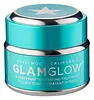
This wash off mask is made with Saccharide Isomerate and Sodium Hyaluronate for a rinse-off hydration boost.
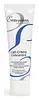
This barrier-repair moisturizer is formulated around Butyrospermum Parkii Butter and Hydrolyzed Soy Protein to strengthen the skin barrier and hydrate skin.


What's inside
What's inside
 Key Ingredients
No key ingredients
Benefits
Concerns
Ingredients Side-by-side
Water
Skin ConditioningCaprylic/Capric Triglyceride
Masking


Glycerin
Humectant
Butylene Glycol
Humectant
Cyclopentasiloxane
Emollient
Glyceryl Polymethacrylate
Pyrus Malus Fruit Extract
Skin Conditioning
PEG-8
HumectantGlyceryl Stearate
Emollient

PEG-100 Stearate
Surfactant
Cetearyl Alcohol
Emollient



Sodium Polyacryloyldimethyl Taurate
Emulsion StabilisingSaccharide Isomerate
Humectant
Caprylyl Glycol
Emollient
Olea Europaea Leaf Powder
Abrasive
Avena Sativa Bran Extract
Abrasive
Hydrogenated Polydecene
EmollientPolysorbate 60
Emulsifying
Cetyl Alcohol
Emollient
Zingiber Officinale Root Extract
Masking
Menthoxypropanediol
Masking
Mel
EmollientAminomethyl Propanol
BufferingCamellia Sinensis Leaf Powder
Acrylates/C10-30 Alkyl Acrylate Crosspolymer
Emulsion StabilisingEthylhexylglycerin
Skin ConditioningTocopheryl Acetate
Antioxidant


Allantoin
Skin Conditioning
Kaolin
Abrasive


Hexylene Glycol
EmulsifyingButeth-3
SolventTrideceth-10
CleansingBenzophenone-4
UV Absorber
Sodium Benzotriazolyl Butylphenol Sulfonate
UV AbsorberCocos Nucifera Fruit Extract
Emollient
Sodium Hyaluronate
Humectant

Alcohol
Antimicrobial

Tris(Tetramethylhydroxypiperidinol)Citrate
StabilisingParfum
Masking

Coumarin
Perfuming
Linalool
Perfuming
Tetrahexyldecyl Ascorbate
Antioxidant

Disodium EDTA
Sodium Benzoate
Masking
Potassium Sorbate
Preservative
Phenoxyethanol
Preservative
Water, Caprylic/Capric Triglyceride, Glycerin, Butylene Glycol, Cyclopentasiloxane, Glyceryl Polymethacrylate, Pyrus Malus Fruit Extract, PEG-8, Glyceryl Stearate, PEG-100 Stearate, Cetearyl Alcohol, Sodium Polyacryloyldimethyl Taurate, Saccharide Isomerate, Caprylyl Glycol, Olea Europaea Leaf Powder, Avena Sativa Bran Extract, Hydrogenated Polydecene, Polysorbate 60, Cetyl Alcohol, Zingiber Officinale Root Extract, Menthoxypropanediol, Mel, Aminomethyl Propanol, Camellia Sinensis Leaf Powder, Acrylates/C10-30 Alkyl Acrylate Crosspolymer, Ethylhexylglycerin, Tocopheryl Acetate, Allantoin, Kaolin, Hexylene Glycol, Buteth-3, Trideceth-10, Benzophenone-4, Sodium Benzotriazolyl Butylphenol Sulfonate, Cocos Nucifera Fruit Extract, Sodium Hyaluronate, Alcohol, Tris(Tetramethylhydroxypiperidinol)Citrate, Parfum, Coumarin, Linalool, Tetrahexyldecyl Ascorbate, Disodium EDTA, Sodium Benzoate, Potassium Sorbate, Phenoxyethanol
Water
Skin ConditioningParaffinum Liquidum
Emollient
Stearic Acid
Cleansing
Glyceryl Stearate
Emollient
Triethanolamine
BufferingCera Alba
Emollient
Cetyl Palmitate
Emollient
Butyrospermum Parkii Butter
Skin Conditioning
Steareth-10
Emulsifying
Polyacrylamide
C13-14 Isoparaffin
Emollient
Laureth-7
EmulsifyingPropylene Glycol
Humectant
Hydrolyzed Soy Protein
Humectant
Aloe Barbadensis Leaf Extract
Emollient
1,2-Hexanediol
Skin Conditioning
Caprylyl Glycol
Emollient
Tropolone
Skin ConditioningParfum
Masking
Water, Paraffinum Liquidum, Stearic Acid, Glyceryl Stearate, Triethanolamine, Cera Alba, Cetyl Palmitate, Butyrospermum Parkii Butter, Steareth-10, Polyacrylamide, C13-14 Isoparaffin, Laureth-7, Propylene Glycol, Hydrolyzed Soy Protein, Aloe Barbadensis Leaf Extract, 1,2-Hexanediol, Caprylyl Glycol, Tropolone, Parfum
Reviews
Ingredients Explained
These ingredients are found in both products.
Ingredients higher up in an ingredient list are typically present in a larger amount.
Caprylyl Glycol is a humectant, skin conditioner, emollient, and preservative booster derived from either caprylic acid or synthetically created.
Typical use levels vary from 0.3-1% as a preservative booster and go up to 2% to condition skin.
Because it is not a free-fatty acid, this ingredient is fungal acne safe (there's nothing for Malassezia to feed on).
Learn more about Caprylyl GlycolGlyceryl Stearate is made by reacting glycerin with stearic acid (typically sourced from plant oils like palm or coconut). It's an emulsifier, emollient, and mild occlusive.
Emulsifiers help ingredients like oil and water stay mixed so your formula stays nicely blended and uniform in texture.
This ingredient is typically used in concentrations between 1-10%. Studies have found it to be non-sensitizing, non-phototoxic, and non-photoallergenic.
A close cousin of this ingredient is Glyceryl Stearate SE ("self-emulsifying"). This just has a small amount of sodium or potassium stearate added so it can emulsify without a co-emulsifier.
Since this ingredient is an ester of a C18 fatty acid, it may not be fungal acne safe. The Malassezia yeast can potentially metabolize within the C11-C24 range.
Fun fact: The human body also creates Glyceryl Stearate naturally.
Learn more about Glyceryl StearateParfum is a catch-all term for an ingredient or more that is used to give a scent to products.
Also called "fragrance", this ingredient can be a blend of hundreds of chemicals or plant oils. This means every product with "fragrance" or "parfum" in the ingredients list is a different mixture.
For instance, Habanolide is a proprietary trade name for a specific aroma chemical. When used as a fragrance ingredient in cosmetics, most aroma chemicals fall under the broad labeling category of “FRAGRANCE” or “PARFUM” according to EU and US regulations.
The term 'parfum' or 'fragrance' is not regulated in many countries. In many cases, it is up to the brand to define this term.
For instance, many brands choose to label themselves as "fragrance-free" because they are not using synthetic fragrances. However, their products may still contain ingredients such as essential oils that are considered a fragrance by INCI standards.
One example is Calendula flower extract. Calendula is an essential oil that still imparts a scent or 'fragrance'.
Depending on the blend, the ingredients in the mixture can cause allergies and sensitivities on the skin. Some ingredients that are known EU allergens include linalool and citronellol.
Parfum can also be used to mask or cover an unpleasant scent.
The bottom line is: not all fragrances/parfum/ingredients are created equally. If you are worried about fragrances, we recommend taking a closer look at an ingredient. And of course, we always recommend speaking with a professional.
Learn more about ParfumWater. It's the most common cosmetic ingredient of all. You'll usually see it at the top of ingredient lists, meaning that it makes up the largest part of the product.
So why is it so popular? Water most often acts as a solvent - this means that it helps dissolve other ingredients into the formulation.
You'll also recognize water as that liquid we all need to stay alive. If you see this, drink a glass of water. Remember to stay hydrated!
Learn more about Water

