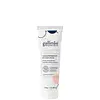
This hydrating overnight mask is formulated around Butyrospermum Parkii Butter and Alpha-Glucan Oligosaccharide to hydrate skin and strengthen the skin barrier.
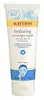
This hydrating overnight mask is formulated around Ricinus Communis Seed Oil and Cocos Nucifera Oil to hydrate skin.


What's inside
What's inside
 Key Ingredients
Benefits
Concerns
Ingredients Side-by-side
Water
Skin ConditioningCaprylic/Capric Triglyceride
Masking


Propanediol
Solvent
Butyrospermum Parkii Butter
Skin Conditioning




Glycerin
Humectant
C10-18 Triglycerides
Emollient
Arachidyl Alcohol
Emollient
Alpha-Glucan Oligosaccharide
Cleansing
Avena Sativa Kernel Oil
Skin Conditioning


Cetyl Alcohol
Emollient
Sucrose Stearate
EmollientSaccharide Isomerate
Humectant
Behenyl Alcohol
Emollient
Lactic Acid
Buffering







Oryza Sativa Bran Wax
Skin Conditioning
Inulin
Skin Conditioning
Polymnia Sonchifolia Root Juice
Skin ConditioningLactobacillus
Skin ConditioningHelianthus Annuus Seed Wax
Skin Conditioning
Xanthan Gum
EmulsifyingTocopherol
Antioxidant

Arginine
Masking
Myrtus Communis Leaf Extract
Perfuming
Arachidyl Glucoside
Emulsifying1,2-Hexanediol
Skin Conditioning
Sodium Stearoyl Glutamate
CleansingLevulinic Acid
Perfuming
Sodium Levulinate
Skin ConditioningMaltodextrin
Absorbent
Helianthus Annuus Seed Oil
Emollient
Ascorbyl Palmitate
Antioxidant
Tetrasodium Glutamate Diacetate
Sodium Hydroxide
BufferingCitric Acid
Buffering
Sodium Citrate
BufferingSodium Benzoate
Masking
O-Cymen-5-Ol
Antimicrobial
Water, Caprylic/Capric Triglyceride, Propanediol, Butyrospermum Parkii Butter, Glycerin, C10-18 Triglycerides, Arachidyl Alcohol, Alpha-Glucan Oligosaccharide, Avena Sativa Kernel Oil, Cetyl Alcohol, Sucrose Stearate, Saccharide Isomerate, Behenyl Alcohol, Lactic Acid, Oryza Sativa Bran Wax, Inulin, Polymnia Sonchifolia Root Juice, Lactobacillus, Helianthus Annuus Seed Wax, Xanthan Gum, Tocopherol, Arginine, Myrtus Communis Leaf Extract, Arachidyl Glucoside, 1,2-Hexanediol, Sodium Stearoyl Glutamate, Levulinic Acid, Sodium Levulinate, Maltodextrin, Helianthus Annuus Seed Oil, Ascorbyl Palmitate, Tetrasodium Glutamate Diacetate, Sodium Hydroxide, Citric Acid, Sodium Citrate, Sodium Benzoate, O-Cymen-5-Ol
Water
Skin ConditioningRicinus Communis Seed Oil
Masking
Glycerin
Humectant
Cetyl Alcohol
Emollient
Stearyl Alcohol
Emollient
Cocos Nucifera Oil
Masking
Glyceryl Stearate
Emollient
Propanediol
Solvent
Beeswax
Emulsion Stabilising
Stearic Acid
Cleansing
Persea Gratissima Oil
Skin Conditioning
Lactobacillus
Skin ConditioningSalvia Sclarea Extract
AntiseborrhoeicPolymnia Sonchifolia Root Juice
Skin ConditioningAstrocaryum Tucuma Seed Butter
Emollient
Trichilia Emetica Seed Butter
Emollient
Helianthus Annuus Seed Wax
Skin Conditioning
Glycine Soja Oil
Emollient
Alpha-Glucan Oligosaccharide
Cleansing
Tocopherol
Antioxidant
Xanthan Gum
EmulsifyingLecithin
Emollient
Sodium PCA
Humectant
Zinc PCA
Humectant

Maltodextrin
Absorbent
Potassium Stearate
CleansingPotassium Sorbate
Preservative
Sodium Benzoate
Masking
Parfum
Masking
Phenoxyethanol
Preservative
Citral
Perfuming
Limonene
Perfuming
Linalool
Perfuming
Water, Ricinus Communis Seed Oil, Glycerin, Cetyl Alcohol, Stearyl Alcohol, Cocos Nucifera Oil, Glyceryl Stearate, Propanediol, Beeswax, Stearic Acid, Persea Gratissima Oil, Lactobacillus, Salvia Sclarea Extract, Polymnia Sonchifolia Root Juice, Astrocaryum Tucuma Seed Butter, Trichilia Emetica Seed Butter, Helianthus Annuus Seed Wax, Glycine Soja Oil, Alpha-Glucan Oligosaccharide, Tocopherol, Xanthan Gum, Lecithin, Sodium PCA, Zinc PCA, Maltodextrin, Potassium Stearate, Potassium Sorbate, Sodium Benzoate, Parfum, Phenoxyethanol, Citral, Limonene, Linalool
Ingredients Explained
These ingredients are found in both products.
Ingredients higher up in an ingredient list are typically present in a larger amount.
Alpha-Glucan Oligosaccharide is a prebiotic. It prevents harmful bacteria from growing on skin by keeping the skin's microbiome in balance.
Another benefit of this ingredient is its antioxidant properties. Antioxidants protect our skin from oxidative damage.
Cetyl Alcohol is a fatty alcohol. Fatty Alcohols are most often used as an emollient or to thicken a product.
Its main roles are:
Though it has "alcohol" in the name, it is not related to denatured alcohol or ethyl alcohol.
The FDA allows products labeled "alcohol-free" to have fatty alcohols.
This ingredient may not be fungal acne safe. It is a primary fatty alcohol with a chain length above 12 carbons. A study from 2019 show Malassezia can feed on fatty alcohols in this range, so it may trigger fungal acne in those prone to it.
Learn more about Cetyl AlcoholGlycerin (or glycerol) is a compound naturally found in your skin. It's a powerhouse humectant that pulls water into the stratum corneum.
Topically, glycerin does several things at once:
Your skin makes glycerin on its own (mostly from sebaceous oil breakdown) and shuttles it to your outermost layer of skin, or your epidermis, via aquaporin-3.
Aquaporin-3 is a transporter that is essential for normal skin hydration, elasticity, and repair. Interestingly, mice lacking in AQP3 have dry and less elastic skin that can be fully corrected with glycerin.
This ingredient is non-irritating, plays well with almost every ingredient, and works across all skin types. Typical use is anywhere between 3-10% but can go up to 79% in some leave-on products.
Just know very high concentrations (>40%) can feel tacky in low humidity.
Glycerin is the name for this ingredient in American English. British English uses Glycerol/Glycerine.
Learn more about GlycerinHelianthus Annuus Seed Wax is created from the common sunflower.
Sunflower seed wax is made up of long chain non-glyceride esters, a small amount of fatty alcohols, and fatty acids.
This ingredient is often used to enhance the texture of products. The fatty acid properties also help hydrate the skin.
Learn more about Helianthus Annuus Seed WaxLactobacillus is the INCI name for the live, whole lactic bacteria culture itself and is classified as a skin conditioning agent.
It is the same genus of probiotic that you can find in yogurt or fermented foods and it shows up at low levels naturally on human skin.
This ingredient is more of a microbiome agent rather than an active; it helps rebalance the skin's microbial community.
The bacteria and their metabolites produce lactic acid and other antimicrobial compounds that crowd out the "bad bacteria". Research on Lactobacillus strains shows activity against pathogens and acne-causing bacteria.
One strain, Lactobacillus plantarum, has also been shown to boost collagen synthesis and lower melanin synthesis in lab and clinical observation.
The most eye-catching data comes from acne research, a topical cream with live lactobacilli was well-tolerated and improved skin hydration by 37.3% after 14 days of use and 45.6% after 28 days.
Sources for this ingredient are usually fermented substrates like dairy, soy, or rice.
In general, this is a low-irritation and well-tolerated ingredient that plays nice with most of your routine.
One thing to keep in mind is that live bacteria are hard to keep alive inside of a skincare product. They struggle to survive on the shelf and don't get along with the preservatives that stop products from spoiling.
That's why you'll see ferment and postbiotic forms instead, like Lactobacillus Ferment or Lactobacillus Ferment Lysate.
There isn't a fixed percentage for this ingredient since it is dosed by strain and viable count.
On the fungal acne front: Lactobacillus is a bacterium (not a fungus). The whole culture contains no fatty acids, esters, or oils that Malassezia can feed on so it is considered fungal acne safe.
Learn more about LactobacillusMaltodextrin is a plant-derived carbohydrate made by breaking down starch (usually from corn, potato, or rice). In cosmetic formulas, it's a multitasking absorbent, emulsion stabilizer, and skin conditioner.
This ingredient is mostly used to stabilize emulsions and improve the powdery, non-greasy feel of products (like dry shampoos).
Safety-wise, this ingredient is pretty solid; it's even recognized as a food additive. Both animal and clinical studies found no adverse effects at the levels used in cosmetics.
Industry data shows this ingredient is used up to 45.7% in spray products and up to 33% in powder products.
Learn more about MaltodextrinPolymnia Sonchifolia Root Juice comes from the roots of the Yacon plant native to South America. It is a skin conditioning ingredient that helps keep skin feeling soft and hydrated.
Yacon roots are naturally loaded with fructooligosaccharides (FOS), a type of prebiotic sugar. Prebiotics like FOS help feed the "good" bacteria on your skin to support a healthy and balanced environment.
This root juice also contains antioxidant compounds (like chlorogenic acid and caffeic acid).
Just so you know, Yacon belongs to the daisy family so be sure to patch test if you have a known allergy to plants in that family.
Learn more about Polymnia Sonchifolia Root JuicePropanediol is an all-star ingredient. It softens, hydrates, and smooths the skin.
It’s often used to:
Propanediol is not likely to cause sensitivity and considered safe to use. It is derived from corn or petroleum with a clear color and no scent.
Learn more about PropanediolSodium Benzoate is a preservative. It's used in both cosmetic and food products to inhibit the growth of mold and bacteria. It is typically produced synthetically.
Both the US FDA and EU Health Committee have approved the use of sodium benzoate. In the US, levels of 0.1% (of the total product) are allowed.
Sodium benzoate works as a preservative by inhibiting the growth of bacteria inside of cells. It prevents the cell from fermenting a type of sugar using an enzyme called phosphofructokinase.
It is the salt of benzoic acid. Foods containing sodium benzoate include soda, salad dressings, condiments, fruit juices, wines, and snack foods.
Studies for using ascorbic acid and sodium benzoate in cosmetics are lacking, especially in skincare routines with multiple steps.
We always recommend speaking with a professional, such as a dermatologist, if you have any concerns.
Learn more about Sodium BenzoateTocopherol is a fat-soluble antioxidant known as Vitamin E.
You'll find this ingredient in the vast majority of skincare (for good reason). It works to neutralize free radicals, or unstable molecules generated by UV exposure, pollution, and other environmental stressors, before they can cause oxidative damage to your skin cells.
Topically applied tocopherol has been shown to protect against UV damage by ramping up the skin's own natural defense enzymes.
It also acts as a skin conditioning agent; some studies show that regular topical use can improve the skin's water-binding capacity over 2-4 weeks.
This ingredient is especially loved for being a team player. When combined with Vitamin C, the photoprotective effect of both ingredients roughly doubles and the combo also helps reduce UV-induced DNA damage.
This ingredient has some brightening potential but it's more of a prevention ingredient than spot-fader. Cell studies show it can slow down melanin production but it's worth noting that it's not the most powerful brightener out there.
In formulations, it also serves as a stabilizer that helps protect other oxidation-prone ingredients from degrading.
Concentrations usually range from 0.1-1% in most leave-on products.
Learn more about TocopherolWater. It's the most common cosmetic ingredient of all. You'll usually see it at the top of ingredient lists, meaning that it makes up the largest part of the product.
So why is it so popular? Water most often acts as a solvent - this means that it helps dissolve other ingredients into the formulation.
You'll also recognize water as that liquid we all need to stay alive. If you see this, drink a glass of water. Remember to stay hydrated!
Learn more about WaterXanthan gum is used as a stabilizer and thickener within cosmetic products. It helps give products a sticky, thick feeling - preventing them from being too runny.
On the technical side of things, xanthan gum is a polysaccharide - a combination consisting of multiple sugar molecules bonded together.
Xanthan gum is a pretty common and great ingredient. It is a natural, non-toxic, non-irritating ingredient that is also commonly used in food products.
Learn more about Xanthan Gum

