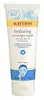
This hydrating overnight mask is formulated around Ricinus Communis Seed Oil and Cocos Nucifera Oil to hydrate skin.
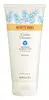
This mild cream cleanser is made to cleanse without leaving your skin tight or dry.

What's inside
What's inside
 Key Ingredients
Benefits
Concerns
Ingredients Side-by-side
Water
Skin ConditioningRicinus Communis Seed Oil
Masking




Glycerin
Humectant

Cetyl Alcohol
Emollient

Stearyl Alcohol
Emollient
Cocos Nucifera Oil
Masking


Glyceryl Stearate
Emollient
Propanediol
Solvent
Beeswax
Emulsion Stabilising
Stearic Acid
Cleansing
Persea Gratissima Oil
Skin Conditioning
Lactobacillus
Skin ConditioningSalvia Sclarea Extract
AntiseborrhoeicPolymnia Sonchifolia Root Juice
Skin ConditioningAstrocaryum Tucuma Seed Butter
Emollient
Trichilia Emetica Seed Butter
Emollient
Helianthus Annuus Seed Wax
Skin Conditioning
Glycine Soja Oil
Emollient

Alpha-Glucan Oligosaccharide
Cleansing
Tocopherol
Antioxidant




Xanthan Gum
EmulsifyingLecithin
Emollient
Sodium PCA
Humectant
Zinc PCA
Humectant



Maltodextrin
Absorbent
Potassium Stearate
CleansingPotassium Sorbate
Preservative
Sodium Benzoate
Masking
Parfum
Masking

Phenoxyethanol
Preservative
Citral
Perfuming
Limonene
Perfuming
Linalool
Perfuming
Water, Ricinus Communis Seed Oil, Glycerin, Cetyl Alcohol, Stearyl Alcohol, Cocos Nucifera Oil, Glyceryl Stearate, Propanediol, Beeswax, Stearic Acid, Persea Gratissima Oil, Lactobacillus, Salvia Sclarea Extract, Polymnia Sonchifolia Root Juice, Astrocaryum Tucuma Seed Butter, Trichilia Emetica Seed Butter, Helianthus Annuus Seed Wax, Glycine Soja Oil, Alpha-Glucan Oligosaccharide, Tocopherol, Xanthan Gum, Lecithin, Sodium PCA, Zinc PCA, Maltodextrin, Potassium Stearate, Potassium Sorbate, Sodium Benzoate, Parfum, Phenoxyethanol, Citral, Limonene, Linalool
Water
Skin ConditioningStearic Acid
Cleansing
Glycerin
Humectant
Sodium Lauroyl Glutamate
SurfactantZea Mays Starch
Absorbent
Ricinus Communis Seed Oil
Masking
Parfum
Masking
Citrus Aurantium Dulcis Oil
Masking
Salvia Sclarea Extract
AntiseborrhoeicLactobacillus
Skin ConditioningTheobroma Grandiflorum Seed Butter
Skin Conditioning
Cera Alba
Emollient
Cocos Nucifera Oil
Masking
Olea Europaea Fruit Oil
Masking
Jojoba Esters
Emollient
Hydrolyzed Jojoba Esters
Skin Conditioning
Citrus Medica Peel Oil
Citrus Aurantium Amara Peel
Skin ConditioningPolymnia Sonchifolia Root Juice
Skin ConditioningZinc Oxide
Cosmetic Colorant

Alpha-Glucan Oligosaccharide
Cleansing
Propanediol
Solvent
Maltodextrin
Absorbent
Tocopherol
Antioxidant
Xanthan Gum
EmulsifyingGlycine Soja Oil
Emollient
Arginine
Masking
Sodium Lauroyl Lactylate
EmulsifyingPotassium Sorbate
Preservative
Sodium Benzoate
Masking
Phenoxyethanol
Preservative
Amyl Cinnamal
Perfuming
Citral
Perfuming
Eugenol
Perfuming
Hydroxycitronellal
Perfuming
Limonene
Perfuming
Linalool
Perfuming
Water, Stearic Acid, Glycerin, Sodium Lauroyl Glutamate, Zea Mays Starch, Ricinus Communis Seed Oil, Parfum, Citrus Aurantium Dulcis Oil, Salvia Sclarea Extract, Lactobacillus, Theobroma Grandiflorum Seed Butter, Cera Alba, Cocos Nucifera Oil, Olea Europaea Fruit Oil, Jojoba Esters, Hydrolyzed Jojoba Esters, Citrus Medica Peel Oil, Citrus Aurantium Amara Peel, Polymnia Sonchifolia Root Juice, Zinc Oxide, Alpha-Glucan Oligosaccharide, Propanediol, Maltodextrin, Tocopherol, Xanthan Gum, Glycine Soja Oil, Arginine, Sodium Lauroyl Lactylate, Potassium Sorbate, Sodium Benzoate, Phenoxyethanol, Amyl Cinnamal, Citral, Eugenol, Hydroxycitronellal, Limonene, Linalool
Alternatives
Ingredients Explained
These ingredients are found in both products.
Ingredients higher up in an ingredient list are typically present in a larger amount.
Alpha-Glucan Oligosaccharide is a prebiotic. It prevents harmful bacteria from growing on skin by keeping the skin's microbiome in balance.
Another benefit of this ingredient is its antioxidant properties. Antioxidants protect our skin from oxidative damage.
Citral is the molecule responsible for the fresh lemon scent in lemon, lime, and lemongrass. It is a fragrance ingredient that can be created from plant essential oils or synthetically.
Though Citral has documented antimicrobial activity against acne bacteria (which is where the marketing claims about it being good for acne-prone skin originate), real formulas use it at fragrance-level concentrations under 1% so there's likely no skin benefit.
You should know this ingredient is a known EU fragrance allergen.
Animal studies classifies this ingredient as a weak-to-moderate skin sensitizer and clinical patch testing on eczema patients confirmed it to be both a contact allergen and irritant.
The term 'citral' is a collective term for two geometric isomers: geranial/Citral A and neral/Citral B.
The term 'fragrance' is not regulated in many countries. In many cases, it is up to the brand to define this term. For instance, many brands choose to label themselves as "fragrance-free" because they are not using synthetic fragrances. However, their products may still contain ingredients such as essential oils that are considered a fragrance.
Learn more about CitralThis ingredient is also known as coconut oil. It is a plant-derived ingredient with skin conditioning properties.
The fatty acid profile of coconut oil is mostly lauric acid (~54%), followed by capric, caprylic, palmitic, and myristic acids. This profile allows it to penetrate easily into skin, moisturize, and improve dry skin.
A double-blind study confirmed that extra virgin coconut oil is as effective as mineral oil for treating very dry skin. Another study found it outperformed mineral oil for mild to moderate atopic dermatitis in children.
Another study from 2018 found that virgin coconut oil can soothe inflammation and boost key skin barrier proteins. Just know this evidence is still only from lab settings and not human trials.
It has also been shown to reduce Staphylococcus aureus, a bacteria that commonly overgrows in people with eczema.
Clinical testing shows very minimal skin irritation and no evidence of sensitization or phototoxicity.
Coconut oil gets flagged as a "fragrance" because it has a natural mild scent (not because it's a synthetic perfume). The European Cosmetic ingredient database also lists "perfuming" as a function of this ingredient.
Just so you know, the term "fragrance" is completely unregulated. Some brands still use botanical extracts or essential oils in their "fragrance-free" formulas, but regulatory databases technically classify these under "fragrance".
Coconut oil has a tiny and useless bit of natural SPF. Early lab studies clocked it around SPF 7-8 but a more recent study found the real number closer to SPF 1.2. It also offers no meaningful UVA protection (SPF only overs UVB rays).
The comedogenic rating of 4/5 means it has a high potential to clog pores; but it's worth noting that comedogenicity is highly individual and ratings cannot predict how an overall formula will behave on skin.
Since lauric acid is the dominant fatty acid, this ingredient may not be fungal acne safe. The Malassezia yeast feeds on fatty acids with carbon chain lengths between 11-24, and lauric acid falls within these lengths (C12).
Learn more about Cocos Nucifera OilGlycerin (or glycerol) is a compound naturally found in your skin. It's a powerhouse humectant that pulls water into the stratum corneum.
Topically, glycerin does several things at once:
Your skin makes glycerin on its own (mostly from sebaceous oil breakdown) and shuttles it to your outermost layer of skin, or your epidermis, via aquaporin-3.
Aquaporin-3 is a transporter that is essential for normal skin hydration, elasticity, and repair. Interestingly, mice lacking in AQP3 have dry and less elastic skin that can be fully corrected with glycerin.
This ingredient is non-irritating, plays well with almost every ingredient, and works across all skin types. Typical use is anywhere between 3-10% but can go up to 79% in some leave-on products.
Just know very high concentrations (>40%) can feel tacky in low humidity.
Glycerin is the name for this ingredient in American English. British English uses Glycerol/Glycerine.
Learn more about GlycerinGlycine Soja Oil is a plant-derived oil from soybean seeds. Like other oils, it is rich in essential fatty acids (mostly linoleic and oleic) that support skin hydration and barrier function.
The fatty acids are able to integrate into the lipid matrix of the stratum corneum to help soften skin and reduce water loss.
On top of that, soybean oil is rich in vitamins like vitamin E, a potent antioxidant.
Research on soybean's active components also point to anti-inflammatory, collagen-stimulating, antioxidant activity, and protection against UV-induced oxidative damage.
Most of this research applies to the broader soybean plant and not just the oil fraction alone.
This ingredient may not be fungal acne safe due to the oleic acid content.
Learn more about Glycine Soja OilLactobacillus is the INCI name for the live, whole lactic bacteria culture itself and is classified as a skin conditioning agent.
It is the same genus of probiotic that you can find in yogurt or fermented foods and it shows up at low levels naturally on human skin.
This ingredient is more of a microbiome agent rather than an active; it helps rebalance the skin's microbial community.
The bacteria and their metabolites produce lactic acid and other antimicrobial compounds that crowd out the "bad bacteria". Research on Lactobacillus strains shows activity against pathogens and acne-causing bacteria.
One strain, Lactobacillus plantarum, has also been shown to boost collagen synthesis and lower melanin synthesis in lab and clinical observation.
The most eye-catching data comes from acne research, a topical cream with live lactobacilli was well-tolerated and improved skin hydration by 37.3% after 14 days of use and 45.6% after 28 days.
Sources for this ingredient are usually fermented substrates like dairy, soy, or rice.
In general, this is a low-irritation and well-tolerated ingredient that plays nice with most of your routine.
One thing to keep in mind is that live bacteria are hard to keep alive inside of a skincare product. They struggle to survive on the shelf and don't get along with the preservatives that stop products from spoiling.
That's why you'll see ferment and postbiotic forms instead, like Lactobacillus Ferment or Lactobacillus Ferment Lysate.
There isn't a fixed percentage for this ingredient since it is dosed by strain and viable count.
On the fungal acne front: Lactobacillus is a bacterium (not a fungus). The whole culture contains no fatty acids, esters, or oils that Malassezia can feed on so it is considered fungal acne safe.
Learn more about LactobacillusLimonene is a fragrance that adds scent and taste to a formulation.
It's found in the peel oil of citrus fruits and other plants such as lavender and eucalyptus. The scent of limonene is generally described as "sweet citrus".
Limonene acts as an antioxidant, meaning it helps neutralize free radicals.
When exposed to air, oxidized limonene may sensitize the skin. Because of this, limonene is often avoided by people with sensitive skin.
The term 'fragrance' is not regulated in many countries. In many cases, it is up to the brand to define this term. For instance, many brands choose to label themselves as "fragrance-free" because they are not using synthetic fragrances. However, their products may still contain ingredients such as essential oils that are considered a fragrance.
Learn more about LimoneneLinalool is a fragrance and helps add scent to products. It's derived from common plants such as cinnamon, mint, citrus, and lavender.
Like Limonene, this ingredient oxidizes when exposed to air. Oxidized linalool can cause allergies and skin sensitivity.
This ingredient has a scent that is floral, spicy tropical, and citrus-like.
Learn more about LinaloolMaltodextrin is a plant-derived carbohydrate made by breaking down starch (usually from corn, potato, or rice). In cosmetic formulas, it's a multitasking absorbent, emulsion stabilizer, and skin conditioner.
This ingredient is mostly used to stabilize emulsions and improve the powdery, non-greasy feel of products (like dry shampoos).
Safety-wise, this ingredient is pretty solid; it's even recognized as a food additive. Both animal and clinical studies found no adverse effects at the levels used in cosmetics.
Industry data shows this ingredient is used up to 45.7% in spray products and up to 33% in powder products.
Learn more about MaltodextrinParfum is a catch-all term for an ingredient or more that is used to give a scent to products.
Also called "fragrance", this ingredient can be a blend of hundreds of chemicals or plant oils. This means every product with "fragrance" or "parfum" in the ingredients list is a different mixture.
For instance, Habanolide is a proprietary trade name for a specific aroma chemical. When used as a fragrance ingredient in cosmetics, most aroma chemicals fall under the broad labeling category of “FRAGRANCE” or “PARFUM” according to EU and US regulations.
The term 'parfum' or 'fragrance' is not regulated in many countries. In many cases, it is up to the brand to define this term.
For instance, many brands choose to label themselves as "fragrance-free" because they are not using synthetic fragrances. However, their products may still contain ingredients such as essential oils that are considered a fragrance by INCI standards.
One example is Calendula flower extract. Calendula is an essential oil that still imparts a scent or 'fragrance'.
Depending on the blend, the ingredients in the mixture can cause allergies and sensitivities on the skin. Some ingredients that are known EU allergens include linalool and citronellol.
Parfum can also be used to mask or cover an unpleasant scent.
The bottom line is: not all fragrances/parfum/ingredients are created equally. If you are worried about fragrances, we recommend taking a closer look at an ingredient. And of course, we always recommend speaking with a professional.
Learn more about ParfumPhenoxyethanol is one of the most widely used preservatives in skincare (and for good reason!).
It has a large spectrum of antimicrobial activity and especially effective bacteria, yeast, and mold while only having a weak effect on your skin's natural microbiome.
On a cellular level, it disrupts the cell membranes of microbes by poking holes that make the cell leak. This shuts down the chemical reactions the microbe needs to make energy so it can no longer survive.
Another perk of this ingredient is that it stays functional across a wide pH range (3-10).
You'll often see it paired with boosters like Ethylhexylglycerin; one study showed that a 1:9 ratio of Ethylhexylglycerin to Phenoxyethanol damages bacterial membranes as effectively as doubling the Phenoxyethanol concentration on its own.
Typical use concentrations range from 0.3-1% depending on the formula, and this ingredient is capped at 1% int the EU.
Safety-wise, the fear mongering does not hold up to the evidence. The EU's Scientific Committee on Consumer Safety and FDA consider it safe as a preservative at up to 1%, including for children of all ages.
Adverse systemic effects only showed up in animal studies at exposures roughly 200x higher than what people get from cosmetics. And despite its very widespread use, this ingredient is a rare sensitizer and allergic reactions are uncommon.
Learn more about PhenoxyethanolPolymnia Sonchifolia Root Juice comes from the roots of the Yacon plant native to South America. It is a skin conditioning ingredient that helps keep skin feeling soft and hydrated.
Yacon roots are naturally loaded with fructooligosaccharides (FOS), a type of prebiotic sugar. Prebiotics like FOS help feed the "good" bacteria on your skin to support a healthy and balanced environment.
This root juice also contains antioxidant compounds (like chlorogenic acid and caffeic acid).
Just so you know, Yacon belongs to the daisy family so be sure to patch test if you have a known allergy to plants in that family.
Learn more about Polymnia Sonchifolia Root JuicePotassium Sorbate is a preservative used to prevent yeast and mold in products. It is commonly found in both cosmetic and food products.
This ingredient comes from potassium salt derived from sorbic acid. Sorbic acid is a natural antibiotic and effective against fungus.
Both potassium sorbate and sorbic acid can be found in baked goods, cheeses, dried meats, dried fruit, ice cream, pickles, wine, yogurt, and more.
You'll often find this ingredient used with other preservatives.
Learn more about Potassium SorbatePropanediol is an all-star ingredient. It softens, hydrates, and smooths the skin.
It’s often used to:
Propanediol is not likely to cause sensitivity and considered safe to use. It is derived from corn or petroleum with a clear color and no scent.
Learn more about PropanediolThis ingredient is also known as castor oil. It is a skin conditioning ingredient.
The star component of castor oil is ricinoleic acid, an unusual fatty acid that makes up ~80-92% of its composition.
In skincare, it is an emollient that dries down to a solid film with water-binding properties. This helps keep skin hydrated and helps reduce transepidermal water loss (TEWL).
A 2026 dermatology review pulls together its broader uses:
Human clinical testing found this ingredient to be non-irritating and non-sensitizing.
Because castor oil contains fatty acids in the C11-24 range, this ingredient may not be fungal acne safe.
At this time, the literature does not support castor oil in regrowing hair. A 2022 systematic review found no strong evidence that it supports hair growth and only weak evidence that it improves hair shine.
Castor oil itself carries "perfuming" and "masking" function tags according to the official CosIng database. This is because of its mild odor and odor-dampening properties.
Learn more about Ricinus Communis Seed OilWe don't have a description for Salvia Sclarea Extract yet.
Sodium Benzoate is a preservative. It's used in both cosmetic and food products to inhibit the growth of mold and bacteria. It is typically produced synthetically.
Both the US FDA and EU Health Committee have approved the use of sodium benzoate. In the US, levels of 0.1% (of the total product) are allowed.
Sodium benzoate works as a preservative by inhibiting the growth of bacteria inside of cells. It prevents the cell from fermenting a type of sugar using an enzyme called phosphofructokinase.
It is the salt of benzoic acid. Foods containing sodium benzoate include soda, salad dressings, condiments, fruit juices, wines, and snack foods.
Studies for using ascorbic acid and sodium benzoate in cosmetics are lacking, especially in skincare routines with multiple steps.
We always recommend speaking with a professional, such as a dermatologist, if you have any concerns.
Learn more about Sodium BenzoateStearic Acid is a fatty acid that is already found in your skin. It's one of the free fatty acids that works alongside ceramides and cholesterols to maintain your barrier.
In cosmetics, it is a multitasker:
Safety-wise, the CIR Expert Panel has concluded it to be safe in cosmetics when formulated to be non-irritating and non-sensitizing.
Free stearic acid is a C18 fatty acid that the Malassezia yeast can substrate, so this ingredient may not be fungal acne safe.
Learn more about Stearic AcidTocopherol is a fat-soluble antioxidant known as Vitamin E.
You'll find this ingredient in the vast majority of skincare (for good reason). It works to neutralize free radicals, or unstable molecules generated by UV exposure, pollution, and other environmental stressors, before they can cause oxidative damage to your skin cells.
Topically applied tocopherol has been shown to protect against UV damage by ramping up the skin's own natural defense enzymes.
It also acts as a skin conditioning agent; some studies show that regular topical use can improve the skin's water-binding capacity over 2-4 weeks.
This ingredient is especially loved for being a team player. When combined with Vitamin C, the photoprotective effect of both ingredients roughly doubles and the combo also helps reduce UV-induced DNA damage.
This ingredient has some brightening potential but it's more of a prevention ingredient than spot-fader. Cell studies show it can slow down melanin production but it's worth noting that it's not the most powerful brightener out there.
In formulations, it also serves as a stabilizer that helps protect other oxidation-prone ingredients from degrading.
Concentrations usually range from 0.1-1% in most leave-on products.
Learn more about TocopherolWater. It's the most common cosmetic ingredient of all. You'll usually see it at the top of ingredient lists, meaning that it makes up the largest part of the product.
So why is it so popular? Water most often acts as a solvent - this means that it helps dissolve other ingredients into the formulation.
You'll also recognize water as that liquid we all need to stay alive. If you see this, drink a glass of water. Remember to stay hydrated!
Learn more about WaterXanthan gum is used as a stabilizer and thickener within cosmetic products. It helps give products a sticky, thick feeling - preventing them from being too runny.
On the technical side of things, xanthan gum is a polysaccharide - a combination consisting of multiple sugar molecules bonded together.
Xanthan gum is a pretty common and great ingredient. It is a natural, non-toxic, non-irritating ingredient that is also commonly used in food products.
Learn more about Xanthan Gum

