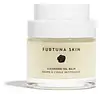
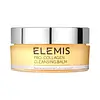
This oil-based makeup remover is made to dissolve makeup, sunscreen, and daily buildup.
This oil-based makeup remover is made to dissolve makeup, sunscreen, and daily buildup.


What's inside
What's inside
 Key Ingredients
Benefits
Concerns
Ingredients Side-by-side
Caprylic/Capric Triglyceride
Masking


Glyceryl Behenate
Emollient

Olea Europaea Leaf Water
Skin ConditioningSimmondsia Chinensis Seed Oil
Emollient

Octyldodecanol
Emollient
Polyglyceryl-10 Caprylate
EmulsifyingJojoba Esters
Emollient
Olea Europaea Fruit Oil
Masking


Hydrogenated Vegetable Oil
Emollient
Glyceryl Stearate
Emollient
Helianthus Annuus Seed Wax
Skin Conditioning
Water
Skin ConditioningGlycerin
Humectant
Glycolipids
Skin ConditioningAcacia Decurrens Flower Wax
Emollient
Quillaja Saponaria Wood Extract
Skin ConditioningSaponaria Officinalis Leaf/Root Extract
Skin ConditioningBeta Vulgaris Root Extract
Skin ConditioningCichorium Intybus Root Extract
MaskingMalva Sylvestris Flower/Leaf Extract
Skin ConditioningPapaver Rhoeas Flower Extract
Skin ConditioningPortulaca Oleracea Extract
Skin Conditioning

Lamium Album Leaf Extract
Skin ConditioningUrtica Dioica Leaf Extract
Skin ConditioningChamomilla Recutita Flower Extract
Masking
Michelia Alba Leaf Oil
Masking
Fraxinus Excelsior Bark Extract
Skin ConditioningSaccharomyces Ferment Lysate Filtrate
Skin Conditioning
Helianthus Annuus Seed Oil
Emollient
Polyglycerin-3
Humectant
Squalane
Emollient
Lactobacillus Ferment
Skin Conditioning
Tocopherol
Antioxidant



Sodium Benzoate
Masking
Potassium Sorbate
Preservative
P-Anisic Acid
MaskingCitric Acid
Buffering
Linalool
Perfuming

Caprylic/Capric Triglyceride, Glyceryl Behenate, Olea Europaea Leaf Water, Simmondsia Chinensis Seed Oil, Octyldodecanol, Polyglyceryl-10 Caprylate, Jojoba Esters, Olea Europaea Fruit Oil, Hydrogenated Vegetable Oil, Glyceryl Stearate, Helianthus Annuus Seed Wax, Water, Glycerin, Glycolipids, Acacia Decurrens Flower Wax, Quillaja Saponaria Wood Extract, Saponaria Officinalis Leaf/Root Extract, Beta Vulgaris Root Extract, Cichorium Intybus Root Extract, Malva Sylvestris Flower/Leaf Extract, Papaver Rhoeas Flower Extract, Portulaca Oleracea Extract, Lamium Album Leaf Extract, Urtica Dioica Leaf Extract, Chamomilla Recutita Flower Extract, Michelia Alba Leaf Oil, Fraxinus Excelsior Bark Extract, Saccharomyces Ferment Lysate Filtrate, Helianthus Annuus Seed Oil, Polyglycerin-3, Squalane, Lactobacillus Ferment, Tocopherol, Sodium Benzoate, Potassium Sorbate, P-Anisic Acid, Citric Acid, Linalool
Prunus Amygdalus Dulcis Oil
Skin Conditioning
Caprylic/Capric Triglyceride
Masking
PEG-6 Caprylic/Capric Glycerides
EmulsifyingPEG-8 Beeswax
Emulsifying
Cetearyl Alcohol
Emollient
Sorbitan Stearate
Emulsifying
Sambucus Nigra Oil
Masking
PEG-60 Almond Glycerides
Emulsifying
Silica
Abrasive


Avena Sativa Kernel Oil
Skin Conditioning
Triticum Vulgare Germ Oil
Emollient
Butyrospermum Parkii Butter
Skin Conditioning
Citrus Aurantium Dulcis Peel Wax
Skin ConditioningGlycerin
Humectant
Lecithin
Emollient
Borago Officinalis Seed Oil
Emollient
Lavandula Angustifolia Oil
Masking
Phenoxyethanol
Preservative
Cocos Nucifera Oil
Masking
Linalool
Perfuming
Lavandula Hybrida Oil
Emollient
Pelargonium Graveolens Flower Oil
Masking
Eucalyptus Globulus Leaf Oil
Perfuming
Geraniol
Perfuming
Acacia Decurrens Flower Wax
Emollient
Rosa Multiflora Flower Wax
Skin ConditioningTocopherol
Antioxidant
Anthemis Nobilis Flower Oil
Masking
Cocoyl Hydrolyzed Collagen
Cleansing
Limonene
Perfuming
Mentha Arvensis Leaf Oil
Masking
Simmondsia Chinensis Seed Oil
Emollient
Citrus Aurantium Dulcis Oil
Masking
Parfum
Masking
Vitis Vinifera Seed Oil
Emollient
Menthol
Masking
Eugenia Caryophyllus Leaf Oil
Masking
Citral
Perfuming
Padina Pavonica Thallus Extract
Skin ConditioningPrunus Amygdalus Dulcis Oil, Caprylic/Capric Triglyceride, PEG-6 Caprylic/Capric Glycerides, PEG-8 Beeswax, Cetearyl Alcohol, Sorbitan Stearate, Sambucus Nigra Oil, PEG-60 Almond Glycerides, Silica, Avena Sativa Kernel Oil, Triticum Vulgare Germ Oil, Butyrospermum Parkii Butter, Citrus Aurantium Dulcis Peel Wax, Glycerin, Lecithin, Borago Officinalis Seed Oil, Lavandula Angustifolia Oil, Phenoxyethanol, Cocos Nucifera Oil, Linalool, Lavandula Hybrida Oil, Pelargonium Graveolens Flower Oil, Eucalyptus Globulus Leaf Oil, Geraniol, Acacia Decurrens Flower Wax, Rosa Multiflora Flower Wax, Tocopherol, Anthemis Nobilis Flower Oil, Cocoyl Hydrolyzed Collagen, Limonene, Mentha Arvensis Leaf Oil, Simmondsia Chinensis Seed Oil, Citrus Aurantium Dulcis Oil, Parfum, Vitis Vinifera Seed Oil, Menthol, Eugenia Caryophyllus Leaf Oil, Citral, Padina Pavonica Thallus Extract
Reviews
Ingredients Explained
These ingredients are found in both products.
Ingredients higher up in an ingredient list are typically present in a larger amount.
Also known as mimosa wax, this ingredient is a plant-derived wax from the flowers of the Acacia decurrens tree.
The wax has a profile that gives it skin benefits, including lipids that offer a skin conditioning effect. In a formula, it forms a breathable film on the skin's surface that reduces water loss, lock in moisture, and soften the skin.
One manufacturer study using a trade blend (jojoba esters + sunflower seed wax + this ingredient + polyglycerin 3) found it to perform equal to or better than lanolin in skin hydration.
On its own, typical usage concentrations run from 0.5-10% with 1-5% the most common in creams and up to 10% in lip balms.
Learn more about Acacia Decurrens Flower WaxCaprylic/Capric Triglyceride (aka MCT Oil) is a lightweight emollient, solvent, and texture enhancer. It is considered a skin-softener by helping to prevent moisture loss.
Though it behaves like an oil, it is not technically one due to its chemical composition. One perk of this ingredient is that it is very stable, resistant to oxidation, and unlikely to go rancid.
In practice, that translates to a long shelf life and a consistently elegant skin feel.
While there is an assumption Caprylic Triglyceride can clog pores due to it being derived from coconut oil, there is no research supporting this. Just patch test if you have concerns.
Fractionated coconut oil and MCT Oil are both listed as Caprylic/Capric Triglyceride according to INCI. This is because INCI names are based on the ingredient’s final chemical composition and not its marketing name or source.
This ingredient is treated as the gold standard fungal acne safe oil. Even though it is coconut derived, the problematic lauric acid is stripped out.
This leaves just caprylic (C8) and capric (C10) acid. These chain lengths actually trend antifungal; a 2020 study found caprylic acid was enough to disrupt Malassezia furfur cell membrane, with a caprylic acid derivative damaging membrane structures at concentrations as low as 0.2%.
Learn more about Caprylic/Capric TriglycerideGlycerin (or glycerol) is a compound naturally found in your skin. It's a powerhouse humectant that pulls water into the stratum corneum.
Topically, glycerin does several things at once:
Your skin makes glycerin on its own (mostly from sebaceous oil breakdown) and shuttles it to your outermost layer of skin, or your epidermis, via aquaporin-3.
Aquaporin-3 is a transporter that is essential for normal skin hydration, elasticity, and repair. Interestingly, mice lacking in AQP3 have dry and less elastic skin that can be fully corrected with glycerin.
This ingredient is non-irritating, plays well with almost every ingredient, and works across all skin types. Typical use is anywhere between 3-10% but can go up to 79% in some leave-on products.
Just know very high concentrations (>40%) can feel tacky in low humidity.
Glycerin is the name for this ingredient in American English. British English uses Glycerol/Glycerine.
Learn more about GlycerinLinalool is a small, naturally occurring scent molecule found in plants like lavender, coriander, bergamot, and more.
It is one of the two most-used fragrance ingredients in cosmetics and added purely for smell. Since it's not used for a skin benefit, there's no "effective dose". Concentration depends on the fragrance load of the product.
The EU requires it to be named on the label above 0.001% in leave-on and 0.01% in rinse-off products.
Fresh linalool is a weak sensitizer but air exposure turns some of it into hydroperoxides, which are strong sensitizers. Those oxidation products are the actual allergy concern.
Patch-test clinics see positive reactions to linalool hydroperoxides in about 4% to 12% of dermatitis patients depending on country and test concentration.
Resassuringly, one analytical study found hydroperoxide levels in real fragranced products to be orders of magnitude below what induced sensitization in animal studies with no evidence of oxidation building up during normal storage.
The practical takeaway is that linalool is fine for most people but worth avoiding if you have a confirmed fragrance contact allergy or a badly compromised barrier.
Products stored a long time after opening are also the high-risk scenario since that is when oxidation happens.
The scent of linalool is described as floral, spicy tropical, and citrus-like.
Learn more about LinaloolJojoba oil is one of the most well-studied plant-derived ingredients in cosmetics. It is an emollient with a special structure.
Because it is made up of 97-98% wax esters, it closely mirrors the linear monoesters found in human sebum. This makes it skin compatible, non-greasy, and lightweight.
Unlike other plant oils, jojoba wax doesn't easily penetrate skin. It mostly works in the uppermost layers as an emollient. This just means it forms a light barrier on the skin to help retain moisture.
Formulations with jojoba esters up to 90% reduced transepidermal water loss (TEWL) and increased barrier recovery by 81% (outperforming bisabolol at 47%).
Besides barrier support, the science also suggests jojoba to have anti-inflammatory effects and potential applications for skin infections, aging, and wound healing.
Fun fact: Indigenous cultures have used jojoba as a moisturizer and to help treat burns for centuries.
Fungal acne: The Malassezia yeast is known to metabolize fatty acids in the C11-24 range and jojoba's dominant fatty acid components fall into this range. This ingredient may not be fungal acne safe.
Learn more about Simmondsia Chinensis Seed OilTocopherol is a fat-soluble antioxidant known as Vitamin E.
You'll find this ingredient in the vast majority of skincare (for good reason). It works to neutralize free radicals, or unstable molecules generated by UV exposure, pollution, and other environmental stressors, before they can cause oxidative damage to your skin cells.
Topically applied tocopherol has been shown to protect against UV damage by ramping up the skin's own natural defense enzymes.
It also acts as a skin conditioning agent; some studies show that regular topical use can improve the skin's water-binding capacity over 2-4 weeks.
This ingredient is especially loved for being a team player. When combined with Vitamin C, the photoprotective effect of both ingredients roughly doubles and the combo also helps reduce UV-induced DNA damage.
This ingredient has some brightening potential but it's more of a prevention ingredient than spot-fader. Cell studies show it can slow down melanin production but it's worth noting that it's not the most powerful brightener out there.
In formulations, it also serves as a stabilizer that helps protect other oxidation-prone ingredients from degrading.
Concentrations usually range from 0.1-1% in most leave-on products.
Learn more about Tocopherol

