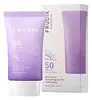
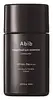
Frudia Blueberry Hydrating Air Fit Sunscreen SPF 50 Versus Abib Heartleaf Sun Essence Calming Drop SPF 50+
This chemical sunscreen covers most of the UV range, lighter on the deep UVA that drives aging.
This chemical sunscreen covers the full UV range and blocks ~98% of UVB at SPF 50.

What's inside
What's inside
 Key Ingredients
Benefits
Concerns
Ingredients Side-by-side
Water
Skin ConditioningOctocrylene
UV Absorber



Homosalate
Skin Conditioning
Ethylhexyl Salicylate
UV Absorber
Butyl Methoxydibenzoylmethane
UV Absorber
Butyloctyl Salicylate
Skin Conditioning
Niacinamide
Smoothing











Dicaprylyl Carbonate
EmollientDipropylene Glycol
HumectantCetearyl Alcohol
Emollient





Cetearyl Glucoside
Emulsifying
Poly C10-30 Alkyl Acrylate
Emulsion StabilisingSorbitan Olivate
Emulsifying
Polymethylsilsesquioxane

Vaccinium Angustifolium Fruit Extract
Skin Protecting
Benzyl Glycol
SolventGlyceryl Stearate Se
Emulsifying
Panthenol
Skin Conditioning
Carbomer
Emulsion StabilisingArginine
Masking
Tocopheryl Acetate
Antioxidant

Glycerin
Humectant
Glyceryl Glucoside
Humectant
Ethylhexylglycerin
Skin ConditioningXanthan Gum
EmulsifyingHydroxypropyl Methylcellulose Stearoxy Ether
Disodium EDTA
ChelatingParfum
Masking

Adenosine
Skin Conditioning
Propanediol
Solvent
Caprylic/Capric Triglyceride
Masking
Pentylene Glycol
Skin Conditioning
Sodium Hyaluronate Crosspolymer
Humectant
Hydrolyzed Glycosaminoglycans
HumectantHydrogenated Lecithin
Emulsifying
1,2-Hexanediol
Skin Conditioning
Sodium Hyaluronate
Humectant
Tocopherol
Antioxidant
Ganoderma Lucidum Stem Extract
Skin ConditioningHydrolyzed Hyaluronic Acid
Humectant
Phytosterols
Skin Conditioning
Hyaluronic Acid
Humectant
Water, Octocrylene, Homosalate, Ethylhexyl Salicylate, Butyl Methoxydibenzoylmethane, Butyloctyl Salicylate, Niacinamide, Dicaprylyl Carbonate, Dipropylene Glycol, Cetearyl Alcohol, Cetearyl Glucoside, Poly C10-30 Alkyl Acrylate, Sorbitan Olivate, Polymethylsilsesquioxane, Vaccinium Angustifolium Fruit Extract, Benzyl Glycol, Glyceryl Stearate Se, Panthenol, Carbomer, Arginine, Tocopheryl Acetate, Glycerin, Glyceryl Glucoside, Ethylhexylglycerin, Xanthan Gum, Hydroxypropyl Methylcellulose Stearoxy Ether, Disodium EDTA, Parfum, Adenosine, Propanediol, Caprylic/Capric Triglyceride, Pentylene Glycol, Sodium Hyaluronate Crosspolymer, Hydrolyzed Glycosaminoglycans, Hydrogenated Lecithin, 1,2-Hexanediol, Sodium Hyaluronate, Tocopherol, Ganoderma Lucidum Stem Extract, Hydrolyzed Hyaluronic Acid, Phytosterols, Hyaluronic Acid
Water
Skin ConditioningDibutyl Adipate
EmollientHouttuynia Cordata Extract
Skin Conditioning
Alcohol
Antimicrobial

Caprylyl Methicone
Skin Conditioning
Diethylamino Hydroxybenzoyl Hexyl Benzoate
UV Filter
Bis-Ethylhexyloxyphenol Methoxyphenyl Triazine
UV Absorber
Phenethyl Benzoate
Emollient
Polymethylsilsesquioxane
Polysilicone-15
UV Filter
Methylene Bis-Benzotriazolyl Tetramethylbutylphenol
UV Filter
Ethylhexyl Triazone
UV Absorber
Hexyl Laurate
Emollient
Niacinamide
Smoothing
Polyglyceryl-6 Stearate
Emollient
Diethylhexyl Butamido Triazone
UV Absorber
Aspergillus Ferment
Skin ConditioningTriticum Aestivum Seed Extract
Perfuming
1,2-Hexanediol
Skin Conditioning
Pentylene Glycol
Skin Conditioning
C20-22 Alkyl Phosphate
EmulsifyingPanthenol
Skin Conditioning
Decyl Glucoside
Cleansing
Hydroxyacetophenone
Antioxidant
Tromethamine
BufferingEthylhexyl Olivate
Skin Conditioning
Polyglyceryl-6 Behenate
Emulsion Stabilising
Sodium Acrylates Copolymer
Polyglyceryl-4 Oleate
Emulsifying
Dipotassium Glycyrrhizate
Humectant
Adenosine
Skin Conditioning
Glycerin
Humectant
Sodium Phytate
ChelatingMaltodextrin
Absorbent
Lipase
Skin ConditioningProtease
Exfoliating
C20-22 Alcohols
Emulsion Stabilising
Xanthan Gum
EmulsifyingWater, Dibutyl Adipate, Houttuynia Cordata Extract, Alcohol, Caprylyl Methicone, Diethylamino Hydroxybenzoyl Hexyl Benzoate, Bis-Ethylhexyloxyphenol Methoxyphenyl Triazine, Phenethyl Benzoate, Polymethylsilsesquioxane, Polysilicone-15, Methylene Bis-Benzotriazolyl Tetramethylbutylphenol, Ethylhexyl Triazone, Hexyl Laurate, Niacinamide, Polyglyceryl-6 Stearate, Diethylhexyl Butamido Triazone, Aspergillus Ferment, Triticum Aestivum Seed Extract, 1,2-Hexanediol, Pentylene Glycol, C20-22 Alkyl Phosphate, Panthenol, Decyl Glucoside, Hydroxyacetophenone, Tromethamine, Ethylhexyl Olivate, Polyglyceryl-6 Behenate, Sodium Acrylates Copolymer, Polyglyceryl-4 Oleate, Dipotassium Glycyrrhizate, Adenosine, Glycerin, Sodium Phytate, Maltodextrin, Lipase, Protease, C20-22 Alcohols, Xanthan Gum
Reviews
Ingredients Explained
These ingredients are found in both products.
Ingredients higher up in an ingredient list are typically present in a larger amount.
1,2-Hexanediol is a synthetic liquid and another multi-functional powerhouse.
It is a:
- Humectant, drawing moisture into the skin
- Emollient, helping to soften skin
- Solvent, dispersing and stabilizing formulas
- Preservative booster, enhancing the antimicrobial activity of other preservatives
Adenosine is a purine nucleoside that your body already makes in every cell. In skincare, it acts mainly as a skin conditioning and anti-aging agent.
The way it works is fairly well mapped out:
Your skin has cells called fibroblasts that build collagen (the stuff that keeps skin firm and smooth). Adenosine basically flips a switch on these cells that tells them to get to work making more collagen and other proteins. These cells slow down on their own as skin ages, so Adenosine helps give them a little nudge to keep going.
The clinical backing is pretty solid too.
A blind, randomized, placebo-controlled trial of 126 women aged 45-65 tested a 0.1% cream twice daily and found real improvements in crow's feet and frown lines using a precise 3D skin-mapping technique; these changes showed up by week 3 and held at 2 months.
A later study using Adenosine-loaded dissolving microneedle patches reported gains in wrinkle depth, dermal density, elasticity, and hydration.
On concentrations, South Korea's Ministry of Food and Drug Safety has set 0.04% as the approved functional anti-wrinkle level. You'll typically see this ingredient used somewhere in the 0.04-0.1% range since it works at low doses.
This ingredient has been found safe for cosmetics with the data showing no irritation or sensitization.
Overall, this is a great ingredient for any anti-aging routine and has no photosensitizing effect, so it suits both AM and PM use.
Learn more about AdenosineGlycerin (or glycerol) is a compound naturally found in your skin. It's a powerhouse humectant that pulls water into the stratum corneum.
Topically, glycerin does several things at once:
Your skin makes glycerin on its own (mostly from sebaceous oil breakdown) and shuttles it to your outermost layer of skin, or your epidermis, via aquaporin-3.
Aquaporin-3 is a transporter that is essential for normal skin hydration, elasticity, and repair. Interestingly, mice lacking in AQP3 have dry and less elastic skin that can be fully corrected with glycerin.
This ingredient is non-irritating, plays well with almost every ingredient, and works across all skin types. Typical use is anywhere between 3-10% but can go up to 79% in some leave-on products.
Just know very high concentrations (>40%) can feel tacky in low humidity.
Glycerin is the name for this ingredient in American English. British English uses Glycerol/Glycerine.
Learn more about GlycerinNiacinamide is a multitasking form of vitamin B3 that strengthens the skin barrier, reduces pores and dark spots, regulates oil, and improves signs of aging.
And the best part? It's gentle and well-tolerated by most skin types, including sensitive and reactive skin.
You might have heard of "niacin flush", or the reddening of skin that causes itchiness. Niacinamide has not been found to cause this.
In very rare cases, some individuals may not be able to tolerate niacinamide at all or experience an allergic reaction to it.
If you are experiencing flaking, irritation, and dryness with this ingredient, be sure to double check all your products as this ingredient can be found in all categories of skincare.
When incorporating niacinamide into your routine, look out for concentration amounts. Typically, 5% niacinamide provides benefits such as fading dark spots. However, if you have sensitive skin, it is better to begin with a smaller concentration.
When you apply niacinamide to your skin, your body converts it into nicotinamide adenine dinucleotide (NAD). NAD is an essential coenzyme that is already found in your cells as "fuel" and powers countless biological processes.
In your skin, NAD helps repair cell damage, produce new healthy cells, support collagen production, strengthen the skin barrier, and fight environmental stressors (like UV and pollution).
Our natural NAD levels start to decline with age, leading to slower skin repair, visible aging, and a weaker skin barrier. By providing your skin niacinamide, you're recharging your skin's NAD levels. This leads to stronger, healthier, and younger looking skin.
Another name for vitamin B3 is nicotinamide. This vitamin is water-soluble and our bodies don't store it. We obtain Vitamin B3 from either food or skincare. Meat, fish, wheat, yeast, and leafy greens contain vitamin B3.
The type of niacinamide used in skincare is synthetically created.
Learn more about NiacinamidePanthenol is a common ingredient that helps hydrate and soothe the skin. It is found naturally in our skin and hair.
There are two forms of panthenol: D and L.
D-panthenol is also known as dexpanthenol. Most cosmetics use dexpanthenol or a mixture of D and L-panthenol.
Panthenol is famous due to its ability to go deeper into the skin's layers. Using this ingredient has numerous pros (and no cons):
Like hyaluronic acid, panthenol is a humectant. Humectants are able to bind and hold large amounts of water to keep skin hydrated.
This ingredient works well for wound healing. It works by increasing tissue in the wound and helps close open wounds.
Once oxidized, panthenol converts to pantothenic acid. Panthothenic acid is found in all living cells.
This ingredient is also referred to as pro-vitamin B5.
Learn more about PanthenolPentylene Glycol (1,2-pentanediol) is a multitasking little diol with three main roles in a formula:
Research on alkanediols (the family pentylene glycol belongs to) show they work by disrupting microbial cell membranes. This disruption helps the primary preservative system in a product work more effectively at lower doses.
On the safety side, the Cosmetic Ingredient Review Expert Panel has concluded this ingredient to be safe as used in current cosmetic practices + concentrations.
Typical use levels in a formula run about 1-5%.
Learn more about Pentylene GlycolPolymethylsilsesquioxane is a silicone used as a film forming agent.
When applied to the skin, this ingredient creates an invisible film on the surface. This film still allows oxygen to pass through, but prevents moisture from escaping. This can help condition and hydrate the skin. It also leaves a silky feel when applied.
Polymethylsilsesquioxane has not been shown to clog pores. It has been deemed safe to use up to 55%, but most cosmetics use much less.
If you have concerns about using this ingredient, we recommend speaking with a professional.
Learn more about PolymethylsilsesquioxaneWater. It's the most common cosmetic ingredient of all. You'll usually see it at the top of ingredient lists, meaning that it makes up the largest part of the product.
So why is it so popular? Water most often acts as a solvent - this means that it helps dissolve other ingredients into the formulation.
You'll also recognize water as that liquid we all need to stay alive. If you see this, drink a glass of water. Remember to stay hydrated!
Learn more about WaterXanthan gum is used as a stabilizer and thickener within cosmetic products. It helps give products a sticky, thick feeling - preventing them from being too runny.
On the technical side of things, xanthan gum is a polysaccharide - a combination consisting of multiple sugar molecules bonded together.
Xanthan gum is a pretty common and great ingredient. It is a natural, non-toxic, non-irritating ingredient that is also commonly used in food products.
Learn more about Xanthan Gum

