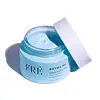
This wash off mask is formulated around Salicylic Acid to clear breakouts and unclog pores.

What's inside
What's inside
 Key Ingredients
Benefits
Concerns
Ingredients Side-by-side
Water
Skin ConditioningCaprylic/Capric Triglyceride
Masking


Kaolin
Abrasive



Stearic Acid
Cleansing


Glycerin
Humectant
Silica
Abrasive
Titanium Dioxide
Cosmetic Colorant

Cetyl Alcohol
Emollient
Glyceryl Stearate
Emollient
Argania Spinosa Kernel Extract
Skin ConditioningArgania Spinosa Kernel Oil
Emollient


Chamomilla Recutita Flower
Skin Conditioning
Plantago Major Callus Extract
Skin ConditioningCalendula Officinalis Flower
Skin Conditioning
Taraxacum Officinale Leaf Extract
Skin ConditioningAchillea Millefolium Extract
CleansingSalicylic Acid
Masking






Lactic Acid
Buffering

Levulinic Acid
Perfuming

Azulene
Skin Conditioning
P-Anisic Acid
MaskingSodium Hydroxide
BufferingTocopheryl Acetate
Antioxidant

Xanthan Gum
EmulsifyingPanthenol
Skin Conditioning
Allantoin
Skin Conditioning
Sea Salt
Abrasive
Lemongrass Oil

Citrus Aurantium Amara Peel
Skin ConditioningLavandula Angustifolia Oil
Masking
Water, Caprylic/Capric Triglyceride, Kaolin, Stearic Acid, Glycerin, Silica, Titanium Dioxide, Cetyl Alcohol, Glyceryl Stearate, Argania Spinosa Kernel Extract, Argania Spinosa Kernel Oil, Chamomilla Recutita Flower, Plantago Major Callus Extract, Calendula Officinalis Flower, Taraxacum Officinale Leaf Extract, Achillea Millefolium Extract, Salicylic Acid, Lactic Acid, Levulinic Acid, Azulene, P-Anisic Acid, Sodium Hydroxide, Tocopheryl Acetate, Xanthan Gum, Panthenol, Allantoin, Sea Salt, Lemongrass Oil, Citrus Aurantium Amara Peel, Lavandula Angustifolia Oil
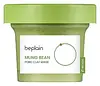
Water
Skin ConditioningVigna Radiata Seed Extract 11%
Skin ConditioningGlycerin
Humectant
Kaolin
Abrasive
Bentonite
Absorbent
Diglycerin
Humectant
Zea Mays Starch
Absorbent
Propanediol
Solvent
1,2-Hexanediol
Skin Conditioning
Glyceryl Glucoside
Humectant
Betaine
Humectant
Dipropylene Glycol
HumectantPhaseolus Radiatus Seed Powder 0.6%
Calamine
AbsorbentPotassium Cetyl Phosphate
EmulsifyingXanthan Gum
EmulsifyingHydroxyacetophenone
Antioxidant
Cocos Nucifera Shell Powder
Abrasive
Ethylhexylglycerin
Skin ConditioningNiacinamide
Smoothing
Phaseolus Radiatus Seed Extract 0.1%
Skin ConditioningPhaseolus Radiatus Extract 0.1%
Skin ConditioningOlea Europaea Fruit Oil
Masking
Sodium Acrylate/Sodium Acryloyldimethyl Taurate Copolymer
Emulsion StabilisingChlorella Vulgaris Powder
Skin ConditioningPolyisobutene
Glucose
Humectant
Triethoxycaprylylsilane

Disodium EDTA
ChelatingButylene Glycol
Humectant
Citric Acid
Buffering
Allantoin
Skin Conditioning
Sorbitan Oleate
Emulsifying
Caprylyl/Capryl Glucoside
CleansingAbies Sibirica Oil
Masking
Rosmarinus Officinalis Leaf Oil
Masking
Salvia Sclarea Oil
Masking
Phaseolus Radiatus Sprout Extract
HumectantAnthemis Nobilis Flower Oil
Masking
Hydrolyzed Extensin
Skin ConditioningJuniperus Mexicana Oil
Masking
Canadian Colloidal Clay
Skin ConditioningManicouagan Clay
AbsorbentIllite
Abrasive
Chamomilla Recutita Flower Oil
Masking
Montmorillonite
AbsorbentProtease
Exfoliating
Water, Vigna Radiata Seed Extract 11%, Glycerin, Kaolin, Bentonite, Diglycerin, Zea Mays Starch, Propanediol, 1,2-Hexanediol, Glyceryl Glucoside, Betaine, Dipropylene Glycol, Phaseolus Radiatus Seed Powder 0.6%, Calamine, Potassium Cetyl Phosphate, Xanthan Gum, Hydroxyacetophenone, Cocos Nucifera Shell Powder, Ethylhexylglycerin, Niacinamide, Phaseolus Radiatus Seed Extract 0.1%, Phaseolus Radiatus Extract 0.1%, Olea Europaea Fruit Oil, Sodium Acrylate/Sodium Acryloyldimethyl Taurate Copolymer, Chlorella Vulgaris Powder, Polyisobutene, Glucose, Triethoxycaprylylsilane, Disodium EDTA, Butylene Glycol, Citric Acid, Allantoin, Sorbitan Oleate, Caprylyl/Capryl Glucoside, Abies Sibirica Oil, Rosmarinus Officinalis Leaf Oil, Salvia Sclarea Oil, Phaseolus Radiatus Sprout Extract, Anthemis Nobilis Flower Oil, Hydrolyzed Extensin, Juniperus Mexicana Oil, Canadian Colloidal Clay, Manicouagan Clay, Illite, Chamomilla Recutita Flower Oil, Montmorillonite, Protease
Reviews
Ingredients Explained
These ingredients are found in both products.
Ingredients higher up in an ingredient list are typically present in a larger amount.
Allantoin is a soothing ingredient known for its protective and moisturizing properties; it's basically a quiet workhorse ingredient you can find in a huge range of cosmetics.
Though it can be derived from the comfrey plant, allantoin is produced synthetically for cosmetic products to ensure purity.
Research shows it can encourage your skin cells to turn over and renew by stimulating keratinocyte and fibroblast proliferation.
It also has mild keratolytic properties to help loosen and shed dead skin cells without being harsh.
Studies also suggest allantoin can help calm inflammation by dialing down some of the chemical signals your skin sends out when it is irritated.
This ingredient is typically used in the 0.1-0.5% range, and the FDA recognizes it as a skin protectant in OTC products up to 2%.
Overall, allantoin is a wonderful addition to most routines; it is stable across a wide pH range (~4-8), works well with other ingredients, and is considered non-sensitizing/non-irritating.
Fun fact: Allantoin is naturally occurring in comfrey root, beets, chamomile, and wheat sprouts. Our bodies even produce it as a byproduct of uric acid metabolism.
Learn more about AllantoinGlycerin (or glycerol) is a compound naturally found in your skin. It's a powerhouse humectant that pulls water into the stratum corneum.
Topically, glycerin does several things at once:
Your skin makes glycerin on its own (mostly from sebaceous oil breakdown) and shuttles it to your outermost layer of skin, or your epidermis, via aquaporin-3.
Aquaporin-3 is a transporter that is essential for normal skin hydration, elasticity, and repair. Interestingly, mice lacking in AQP3 have dry and less elastic skin that can be fully corrected with glycerin.
This ingredient is non-irritating, plays well with almost every ingredient, and works across all skin types. Typical use is anywhere between 3-10% but can go up to 79% in some leave-on products.
Just know very high concentrations (>40%) can feel tacky in low humidity.
Glycerin is the name for this ingredient in American English. British English uses Glycerol/Glycerine.
Learn more about GlycerinKaolin is a clay. It is used for oil control and to help minimize pores. Like other clays, kaolin has the ability to absorb excess sebum or oil. This can help clean out pores and mattify the skin.
Some types of kaolin may have exfoliating properties. When water is added to kaolin, it becomes a paste with small abrasive particles.
Most kaolin is a white color, but may be pink/orange/red depending on where it comes from.
The name 'kaolin' comes from a Chinese village named 'Gaoling'. Kaolin clay comes from rocks rich in kaolinite. Kaolinite, the mineral, has a silicate layered structure. Kaolinite is formed from chemical weathering of aluminum siilicate minerals.
Besides skincare, kaolin is commonly used to make glossy paper, in ceramics, toothpaste, and as medicine to soothe stomach issues.
Learn more about KaolinWater. It's the most common cosmetic ingredient of all. You'll usually see it at the top of ingredient lists, meaning that it makes up the largest part of the product.
So why is it so popular? Water most often acts as a solvent - this means that it helps dissolve other ingredients into the formulation.
You'll also recognize water as that liquid we all need to stay alive. If you see this, drink a glass of water. Remember to stay hydrated!
Learn more about WaterXanthan gum is used as a stabilizer and thickener within cosmetic products. It helps give products a sticky, thick feeling - preventing them from being too runny.
On the technical side of things, xanthan gum is a polysaccharide - a combination consisting of multiple sugar molecules bonded together.
Xanthan gum is a pretty common and great ingredient. It is a natural, non-toxic, non-irritating ingredient that is also commonly used in food products.
Learn more about Xanthan Gum

