This oil-based makeup remover is made to dissolve makeup, sunscreen, and daily buildup.
This oil-based makeup remover is made to dissolve makeup, sunscreen, and daily buildup.


What's inside
What's inside
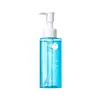 Key Ingredients
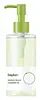
No key ingredients
Benefits
Concerns
Ingredients Side-by-side
Ethylhexyl Palmitate
Emollient




Paraffinum Liquidum
Emollient

Sorbeth-30 Tetraoleate
Emulsifying
Parfum
Masking

Caprylic/Capric Triglyceride
Masking


Olea Europaea Fruit Oil
Masking
Lactic Acid
Buffering







Water
Skin ConditioningLimnanthes Alba Seed Oil
Skin Conditioning
Simmondsia Chinensis Seed Oil
Emollient
Vitis Vinifera Seed Oil
Emollient
Panthenol
Skin Conditioning
Aloe Barbadensis Leaf Water
MaskingRosa Rugosa Flower Oil
Masking
Rosmarinus Officinalis Leaf Oil
Masking
Melaleuca Alternifolia Leaf Oil
Antioxidant


Lavandula Angustifolia Oil
Masking
Canola Oil
Emollient
Glycerin
Humectant
Octyldodecanol
Emollient
Propanediol
Solvent
Santalum Album Oil
Masking
Hydrogenated Lecithin
Emulsifying
Daucus Carota Sativa Seed Oil
Emollient
1,2-Hexanediol
Skin Conditioning
Polyglyceryl-10 Dioleate
Emulsifying
Benzyl Glycol
SolventHydrolyzed Glycosaminoglycans
HumectantHelianthus Annuus Seed Oil Unsaponifiables
Emollient
Tocopheryl Acetate
Antioxidant
Beta-Carotene
Skin ConditioningDaucus Carota Sativa Root Extract
Skin Conditioning
Sodium Hyaluronate Crosspolymer
Humectant
Ceramide NP
Skin Conditioning
Phytosphingosine
Skin Conditioning
Cholesterol
Emollient
Phospholipids
Skin Conditioning
Hydrolyzed Hyaluronic Acid
Humectant
Ceramide Ns
Skin Conditioning
Ceramide As
Skin Conditioning
Ceramide AP
Skin Conditioning
Ethylhexylglycerin
Skin ConditioningSodium Hyaluronate
Humectant
Hydroxypropyltrimonium Hyaluronate
Hyaluronic Acid
Humectant
Sodium Acetylated Hyaluronate
Humectant
Ceramide EOP
Skin Conditioning
Ethylhexyl Palmitate, Paraffinum Liquidum, Sorbeth-30 Tetraoleate, Parfum, Caprylic/Capric Triglyceride, Olea Europaea Fruit Oil, Lactic Acid, Water, Limnanthes Alba Seed Oil, Simmondsia Chinensis Seed Oil, Vitis Vinifera Seed Oil, Panthenol, Aloe Barbadensis Leaf Water, Rosa Rugosa Flower Oil, Rosmarinus Officinalis Leaf Oil, Melaleuca Alternifolia Leaf Oil, Lavandula Angustifolia Oil, Canola Oil, Glycerin, Octyldodecanol, Propanediol, Santalum Album Oil, Hydrogenated Lecithin, Daucus Carota Sativa Seed Oil, 1,2-Hexanediol, Polyglyceryl-10 Dioleate, Benzyl Glycol, Hydrolyzed Glycosaminoglycans, Helianthus Annuus Seed Oil Unsaponifiables, Tocopheryl Acetate, Beta-Carotene, Daucus Carota Sativa Root Extract, Sodium Hyaluronate Crosspolymer, Ceramide NP, Phytosphingosine, Cholesterol, Phospholipids, Hydrolyzed Hyaluronic Acid, Ceramide Ns, Ceramide As, Ceramide AP, Ethylhexylglycerin, Sodium Hyaluronate, Hydroxypropyltrimonium Hyaluronate, Hyaluronic Acid, Sodium Acetylated Hyaluronate, Ceramide EOP
Ethylhexyl Palmitate
Emollient
Cetyl Ethylhexanoate
EmollientSorbeth-30 Tetraoleate
Emulsifying
Sorbitan Sesquioleate
Emulsifying
Camellia Sinensis Seed Oil
Humectant
Phaseolus Radiatus Sprout Extract
HumectantPhaseolus Radiatus Extract
Skin ConditioningPhaseolus Radiatus Seed Extract
Skin ConditioningVigna Radiata Seed Extract
Skin ConditioningGardenia Florida Fruit Extract
Skin ConditioningPolyglyceryl-3 Polyricinoleate
Emulsifying
Carthamus Tinctorius Flower Extract
Skin Conditioning1,2-Hexanediol
Skin Conditioning
Water
Skin ConditioningAllantoin
Skin Conditioning
Panthenol
Skin Conditioning
Ethylhexyl Palmitate, Cetyl Ethylhexanoate, Sorbeth-30 Tetraoleate, Sorbitan Sesquioleate, Camellia Sinensis Seed Oil, Phaseolus Radiatus Sprout Extract, Phaseolus Radiatus Extract, Phaseolus Radiatus Seed Extract, Vigna Radiata Seed Extract, Gardenia Florida Fruit Extract, Polyglyceryl-3 Polyricinoleate, Carthamus Tinctorius Flower Extract, 1,2-Hexanediol, Water, Allantoin, Panthenol
Reviews
Ingredients Explained
These ingredients are found in both products.
Ingredients higher up in an ingredient list are typically present in a larger amount.
1,2-Hexanediol is a synthetic liquid and another multi-functional powerhouse.
It is a:
- Humectant, drawing moisture into the skin
- Emollient, helping to soften skin
- Solvent, dispersing and stabilizing formulas
- Preservative booster, enhancing the antimicrobial activity of other preservatives
Ethylhexyl Palmitate, also known as octyl palmitate, is created from 2-ethylhexyl alcohol and palmitic acid.
In cosmetics, it plays many roles:
One thing worth noting: a controlled study found this ingredient applied under occlusion to acne-prone subjects increased microcomedones. Just keep in mind this was under occlusive conditions and don't reflect how most products are used day-to-day.
For most people, this is a well-tolerated and lightweight ingredient.
This ingredient may not be fungal acne safe because it is an ester of palmitic acid, a C16 fatty acid that falls within the C11-24 range that Malassezia can metabolize.
Learn more about Ethylhexyl PalmitatePanthenol is a common ingredient that helps hydrate and soothe the skin. It is found naturally in our skin and hair.
There are two forms of panthenol: D and L.
D-panthenol is also known as dexpanthenol. Most cosmetics use dexpanthenol or a mixture of D and L-panthenol.
Panthenol is famous due to its ability to go deeper into the skin's layers. Using this ingredient has numerous pros (and no cons):
Like hyaluronic acid, panthenol is a humectant. Humectants are able to bind and hold large amounts of water to keep skin hydrated.
This ingredient works well for wound healing. It works by increasing tissue in the wound and helps close open wounds.
Once oxidized, panthenol converts to pantothenic acid. Panthothenic acid is found in all living cells.
This ingredient is also referred to as pro-vitamin B5.
Learn more about PanthenolSorbeth-30 Tetraoleate is a surfactant and emulsifier.
This ingredient is a tetraester from oleic acid and polyethylene glycol ether of sorbitol.
As an emulsifier, it helps ingredients such as oil and water mix together. This allows the dirt and oils in your skin to be washed away.
One study found pumpkin oil containing Sorbeth-30 Tetraoleate helped hydrate the skin and did not cause any irritation.
Learn more about Sorbeth-30 TetraoleateWater. It's the most common cosmetic ingredient of all. You'll usually see it at the top of ingredient lists, meaning that it makes up the largest part of the product.
So why is it so popular? Water most often acts as a solvent - this means that it helps dissolve other ingredients into the formulation.
You'll also recognize water as that liquid we all need to stay alive. If you see this, drink a glass of water. Remember to stay hydrated!
Learn more about Water

