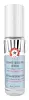
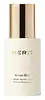
First Aid Beauty Bounce-Boosting Serum with Collagen + Peptides Versus Merit Beauty Great Skin Priming Moisturizer
This anti-aging serum is formulated around Bakuchiol to soften the look of wrinkles.
This barrier-repair moisturizer is formulated around Squalane and Avena Sativa Kernel Extract to strengthen the skin barrier and hydrate skin.

What's inside
What's inside
 Key Ingredients
Benefits
Concerns
Ingredients Side-by-side
Water
Skin ConditioningPropanediol
Solvent

Dicaprylyl Carbonate
EmollientGlycerin
Humectant
C9-12 Alkane
SolventSoluble Collagen
Humectant
Ceramide NP
Skin Conditioning


Hydrolyzed Collagen
Emollient
Pentapeptide-34 Trifluoroacetate
Emollient
Hydrolyzed Sodium Hyaluronate
Skin Conditioning
Acetyl Hydroxyproline
EmollientSodium Hyaluronate
Humectant
Bakuchiol
Antimicrobial





Chrysanthemum Parthenium Extract
Skin ConditioningCamellia Sinensis Leaf Extract
Antimicrobial
Glycyrrhiza Glabra Root Extract
Bleaching
Chlorella Vulgaris Extract
Skin ConditioningTocopherol
Antioxidant
Coco-Caprylate/Caprate
Emollient
Glycine
Buffering
Histidine
Humectant
Hydrolyzed Corn Protein
Skin ConditioningAlanine
Masking
Sorbitan Olivate
Emulsifying

Isoleucine
Skin ConditioningLeucine
Skin ConditioningLysine
Skin ConditioningPhenylalanine
Masking
Proline
Skin Conditioning
Serine
Masking
Arginine
Masking
Cetearyl Olivate
Threonine
Tyrosine
MaskingValine
MaskingAspartic Acid
Masking
Butylene Glycol
Humectant
Carbomer
Emulsion StabilisingCetearyl Alcohol
Emollient



Glutamic Acid
Humectant
Glyceryl Acrylate/Acrylic Acid Copolymer
HumectantXanthan Gum
EmulsifyingPhenoxyethanol
Preservative
Potassium Sorbate
Preservative
Sodium Benzoate
Masking
Sodium Hydroxide
BufferingTetrasodium EDTA
Water, Propanediol, Dicaprylyl Carbonate, Glycerin, C9-12 Alkane, Soluble Collagen, Ceramide NP, Hydrolyzed Collagen, Pentapeptide-34 Trifluoroacetate, Hydrolyzed Sodium Hyaluronate, Acetyl Hydroxyproline, Sodium Hyaluronate, Bakuchiol, Chrysanthemum Parthenium Extract, Camellia Sinensis Leaf Extract, Glycyrrhiza Glabra Root Extract, Chlorella Vulgaris Extract, Tocopherol, Coco-Caprylate/Caprate, Glycine, Histidine, Hydrolyzed Corn Protein, Alanine, Sorbitan Olivate, Isoleucine, Leucine, Lysine, Phenylalanine, Proline, Serine, Arginine, Cetearyl Olivate, Threonine, Tyrosine, Valine, Aspartic Acid, Butylene Glycol, Carbomer, Cetearyl Alcohol, Glutamic Acid, Glyceryl Acrylate/Acrylic Acid Copolymer, Xanthan Gum, Phenoxyethanol, Potassium Sorbate, Sodium Benzoate, Sodium Hydroxide, Tetrasodium EDTA
Water
Skin ConditioningCoco-Caprylate/Caprate
Emollient
Dicaprylyl Carbonate
EmollientSimmondsia Chinensis Butter
Skin Conditioning
Squalane
Emollient
Propanediol
Solvent
C12-16 Alcohols
EmollientStearic Acid
Cleansing
Glycerin
Humectant
Glyceryl Stearate Citrate
Emollient
Haematococcus Pluvialis Extract
Antioxidant
Avena Sativa Kernel Extract
Abrasive
Sodium Acetylated Hyaluronate
Humectant
Sclerotium Gum
Emulsion StabilisingPalmitic Acid
Emollient
Polyacrylate-13
Hydrogenated Lecithin
Emulsifying
1,2-Hexanediol
Skin Conditioning
Caprylyl Glycol
Emollient
Hydroxyacetophenone
Antioxidant
Hydrogenated Polyisobutene
EmollientLysolecithin
EmulsifyingPolyglyceryl-10 Laurate
Skin Conditioning
Pullulan
Xanthan Gum
EmulsifyingArginine
Masking
Ethylhexyl Palmitate
Emollient
Sorbitan Isostearate
Emulsifying
Silica
Abrasive
Tocopherol
Antioxidant
Caramel
Cosmetic ColorantWater, Coco-Caprylate/Caprate, Dicaprylyl Carbonate, Simmondsia Chinensis Butter, Squalane, Propanediol, C12-16 Alcohols, Stearic Acid, Glycerin, Glyceryl Stearate Citrate, Haematococcus Pluvialis Extract, Avena Sativa Kernel Extract, Sodium Acetylated Hyaluronate, Sclerotium Gum, Palmitic Acid, Polyacrylate-13, Hydrogenated Lecithin, 1,2-Hexanediol, Caprylyl Glycol, Hydroxyacetophenone, Hydrogenated Polyisobutene, Lysolecithin, Polyglyceryl-10 Laurate, Pullulan, Xanthan Gum, Arginine, Ethylhexyl Palmitate, Sorbitan Isostearate, Silica, Tocopherol, Caramel
Reviews
Ingredients Explained
These ingredients are found in both products.
Ingredients higher up in an ingredient list are typically present in a larger amount.
Arginine is a semi-essential amino acid. This just means our bodies can product a bit on its own, but sometimes needs a little boost from food sources.
It is a part of your skin's natural moisturizing factor (NMF), or the water-loving molecules in your outermost layer of skin (stratum corneum) that keeps everything hydrated and happy.
Here's an interesting thing about Arginine: your skin converts it into urea through the Krebs-Henseleit urea cycle. Urea is one of the most effective humectants your skin naturally produces.
A clinical study showed applying 2.5% arginine hydrochloride to atopic dermatitis skin showed significant urea levels in the stratum corneum and improved moisture in just four weeks.
Arginine is also a precursor to nitric oxide; nitric oxide improves microcirculation and supports wound healing and collagen synthesis.
One study found that an amino acid complex containing Arginine reduced skin irritation, improved hydration, and accelerated skin repair in clinical / in-vivo studies.
Arginine itself is an amino acid and not a fatty acid, oil, or ester. On its own, it's not a direct food source for Malassezia, or the yeast that causes fungal acne.
Learn more about ArginineCoco-Caprylate/Caprate is a lightweight ester created from coconut oil fatty acids, caprylic acid, and capric acid.
It is an emollient that helps soften skin and reduce transepidermal water loss (TEWL). What sets it apart from heavier emollients is its ultralight, non-greasy feel.
Once applied, this ingredient dries down quickly and leaves a dry, silky finish behind. This also helps improve spreadability and texture.
This ingredient has an excellent safety-record and is non-irritating.
Typical concentrations for cosmetics range from 0.5-62%.
Research on Malassezia growth found no growth on fatty acid esters with chain lengths shorter than 12 carbons (it prefers C11-24).
Since Coco-Caprylate/Caprate is built on C8 and C10 fatty acids, it is out of the range that Malassezia metabolizes, and therefore safe for fungal acne.
Learn more about Coco-Caprylate/CaprateDicaprylyl Carbonate comes from carbonic acid and caprylyl alcohol, a fatty alcohol. It is an emollient and gives skin a velvet feel. The sources of Dicaprylyl Carbonate may be synthetic or from animals.
As an emollient, Dicaprylyl Carbonate creates a film on the skin. This film traps moisture in, keeping your skin soft and hydrated.
Glycerin (or glycerol) is a compound naturally found in your skin. It's a powerhouse humectant that pulls water into the stratum corneum.
Topically, glycerin does several things at once:
Your skin makes glycerin on its own (mostly from sebaceous oil breakdown) and shuttles it to your outermost layer of skin, or your epidermis, via aquaporin-3.
Aquaporin-3 is a transporter that is essential for normal skin hydration, elasticity, and repair. Interestingly, mice lacking in AQP3 have dry and less elastic skin that can be fully corrected with glycerin.
This ingredient is non-irritating, plays well with almost every ingredient, and works across all skin types. Typical use is anywhere between 3-10% but can go up to 79% in some leave-on products.
Just know very high concentrations (>40%) can feel tacky in low humidity.
Glycerin is the name for this ingredient in American English. British English uses Glycerol/Glycerine.
Learn more about GlycerinPropanediol is an all-star ingredient. It softens, hydrates, and smooths the skin.
It’s often used to:
Propanediol is not likely to cause sensitivity and considered safe to use. It is derived from corn or petroleum with a clear color and no scent.
Learn more about PropanediolTocopherol is a fat-soluble antioxidant known as Vitamin E.
You'll find this ingredient in the vast majority of skincare (for good reason). It works to neutralize free radicals, or unstable molecules generated by UV exposure, pollution, and other environmental stressors, before they can cause oxidative damage to your skin cells.
Topically applied tocopherol has been shown to protect against UV damage by ramping up the skin's own natural defense enzymes.
It also acts as a skin conditioning agent; some studies show that regular topical use can improve the skin's water-binding capacity over 2-4 weeks.
This ingredient is especially loved for being a team player. When combined with Vitamin C, the photoprotective effect of both ingredients roughly doubles and the combo also helps reduce UV-induced DNA damage.
This ingredient has some brightening potential but it's more of a prevention ingredient than spot-fader. Cell studies show it can slow down melanin production but it's worth noting that it's not the most powerful brightener out there.
In formulations, it also serves as a stabilizer that helps protect other oxidation-prone ingredients from degrading.
Concentrations usually range from 0.1-1% in most leave-on products.
Learn more about TocopherolWater. It's the most common cosmetic ingredient of all. You'll usually see it at the top of ingredient lists, meaning that it makes up the largest part of the product.
So why is it so popular? Water most often acts as a solvent - this means that it helps dissolve other ingredients into the formulation.
You'll also recognize water as that liquid we all need to stay alive. If you see this, drink a glass of water. Remember to stay hydrated!
Learn more about WaterXanthan gum is used as a stabilizer and thickener within cosmetic products. It helps give products a sticky, thick feeling - preventing them from being too runny.
On the technical side of things, xanthan gum is a polysaccharide - a combination consisting of multiple sugar molecules bonded together.
Xanthan gum is a pretty common and great ingredient. It is a natural, non-toxic, non-irritating ingredient that is also commonly used in food products.
Learn more about Xanthan Gum

