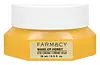
This anti-aging eye moisturizer is formulated around Tetrahexyldecyl Ascorbate and Caffeine to soften the look of wrinkles and brighten dull-looking skin.
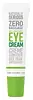
This anti-aging eye moisturizer is formulated around Pyrus Malus Fruit Extract and Caffeine to soften the look of wrinkles and hydrate skin.

What's inside
What's inside
 Key Ingredients
Benefits
Concerns
Ingredients Side-by-side
Water
Skin ConditioningGlycerin
Humectant


Coco-Caprylate/Caprate
Emollient
Pentaerythrityl Tetraisostearate
Emollient

Diisostearyl Malate
EmollientButyrospermum Parkii Butter
Skin Conditioning


Cetearyl Alcohol
Emollient
Tetrahexyldecyl Ascorbate
Antioxidant





Cetearyl Olivate
Pentylene Glycol
Skin Conditioning
Helianthus Annuus Seed Oil Unsaponifiables
Emollient
Sorbitan Olivate
Emulsifying
Boron Nitride
Absorbent
Caffeine
Skin Conditioning

Hyaluronic Acid
Humectant
Ceramide NP
Skin Conditioning
Vaccinium Macrocarpon Fruit Extract
AstringentCoffea Arabica Seed Extract
Masking
Honey Extract
Humectant
Propolis Extract
Skin Conditioning

Royal Jelly Extract
Skin Conditioning
Citrus Aurantium Amara Fruit Extract
Skin ConditioningCitrus Aurantium Sinensis Peel Extract
Skin ConditioningCitrus Reticulata Fruit Extract
Skin ProtectingAscorbic Acid
Antioxidant
Tridecapeptide-1
Skin Conditioning
Betaine
Humectant
Triolein
Skin Conditioning
Hydroxyacetophenone
Antioxidant
Tocopheryl Acetate
Antioxidant
Astaxanthin
Skin Conditioning
Allantoin
Skin Conditioning
Hippophae Rhamnoides Oil
Emollient
Tocopherol
Antioxidant
Ubiquinone
Antioxidant
Lecithin
Emollient
Haematococcus Pluvialis Extract
Antioxidant
Glyceryl Dioleate
Emollient
Water, Glycerin, Coco-Caprylate/Caprate, Pentaerythrityl Tetraisostearate, Diisostearyl Malate, Butyrospermum Parkii Butter, Cetearyl Alcohol, Tetrahexyldecyl Ascorbate, Cetearyl Olivate, Pentylene Glycol, Helianthus Annuus Seed Oil Unsaponifiables, Sorbitan Olivate, Boron Nitride, Caffeine, Hyaluronic Acid, Ceramide NP, Vaccinium Macrocarpon Fruit Extract, Coffea Arabica Seed Extract, Honey Extract, Propolis Extract, Royal Jelly Extract, Citrus Aurantium Amara Fruit Extract, Citrus Aurantium Sinensis Peel Extract, Citrus Reticulata Fruit Extract, Ascorbic Acid, Tridecapeptide-1, Betaine, Triolein, Hydroxyacetophenone, Tocopheryl Acetate, Astaxanthin, Allantoin, Hippophae Rhamnoides Oil, Tocopherol, Ubiquinone, Lecithin, Haematococcus Pluvialis Extract, Glyceryl Dioleate
Water
Skin ConditioningGlycerin
Humectant
Cetyl Alcohol
Emollient
Pyrus Malus Fruit Extract
Skin Conditioning
Aluminum Starch Octenylsuccinate
Absorbent
Propanediol
Solvent
Caprylic/Capric Triglyceride
Masking
Stearyl Alcohol
Emollient
Pentylene Glycol
Skin Conditioning
Hydrogenated Olive Oil
Skin Conditioning
Maltodextrin
Absorbent
Cetearyl Olivate
Cera Alba
Emollient
Caffeine
Skin Conditioning
Sodium Phytate
Olea Europaea Fruit Oil
Masking
Avena Sativa Bran Extract
Abrasive
Sorbitan Olivate
Emulsifying
Lactobacillus
Skin ConditioningXanthan Gum
EmulsifyingOlea Europaea Oil Unsaponifiables
Skin Conditioning
Tocopheryl Acetate
Antioxidant
Cocos Nucifera Fruit Extract
Emollient
Aspalathus Linearis Leaf Extract
Skin ConditioningLycium Barbarum Fruit Extract
Astringent
Punica Granatum Extract
AstringentVitis Vinifera Seed Extract
Antimicrobial
Citrus Aurantium Dulcis Peel Extract
Emulsion Stabilising
Coleus Barbatus Root Extract
Skin ConditioningLeontopodium Alpinum Extract
Skin ConditioningPeucedanum Ostruthium Leaf Extract
Skin ConditioningLeuconostoc/Radish Root Ferment Filtrate
Antimicrobial
Pinus Cembra Wood Extract
Skin ConditioningCamellia Sinensis Leaf Extract
Antimicrobial
Palmitic Acid
Emollient
Stearic Acid
Cleansing
Sodium PCA
Humectant
Phenethyl Alcohol
MaskingSodium Hyaluronate
Humectant
Water, Glycerin, Cetyl Alcohol, Pyrus Malus Fruit Extract, Aluminum Starch Octenylsuccinate, Propanediol, Caprylic/Capric Triglyceride, Stearyl Alcohol, Pentylene Glycol, Hydrogenated Olive Oil, Maltodextrin, Cetearyl Olivate, Cera Alba, Caffeine, Sodium Phytate, Olea Europaea Fruit Oil, Avena Sativa Bran Extract, Sorbitan Olivate, Lactobacillus, Xanthan Gum, Olea Europaea Oil Unsaponifiables, Tocopheryl Acetate, Cocos Nucifera Fruit Extract, Aspalathus Linearis Leaf Extract, Lycium Barbarum Fruit Extract, Punica Granatum Extract, Vitis Vinifera Seed Extract, Citrus Aurantium Dulcis Peel Extract, Coleus Barbatus Root Extract, Leontopodium Alpinum Extract, Peucedanum Ostruthium Leaf Extract, Leuconostoc/Radish Root Ferment Filtrate, Pinus Cembra Wood Extract, Camellia Sinensis Leaf Extract, Palmitic Acid, Stearic Acid, Sodium PCA, Phenethyl Alcohol, Sodium Hyaluronate
Reviews
Ingredients Explained
These ingredients are found in both products.
Ingredients higher up in an ingredient list are typically present in a larger amount.
Caffeine is a naturally occurring plant compound found in coffee beans, tea leaves, cocoa pods, and guarana.
As an antioxidant, caffeine protects your skin from free radical damage caused by UV exposure and envionrmnetal stressors.
Early research also shows that caffeine can help calm redness, soothe irritated skin, and support hair growth by stimulating microcirculation in the scalp.
You might have seen eye creams marketing caffeine as a depuffing ingredient. This is because it is a vasoconstrictor meaning it can temporarily constrict blood vessels, though clinical evidence for this specific use is still limited.
Most skincare products contain this ingredient at concentrations between 1-6%. It is able to penetrate skin easily regardless of skin type or thickness.
Just so you know, a very small number of case reports describe caffeine-induced allergy. This ingredient is generally well-tolerated, non-irritating, and non-sensitizing for the majority of people.
Learn more about CaffeineCetearyl Olivate is a plant-derived emulsifier and texture enhancer. It helps keep the oil and water phases from separating so your formulas stay stable.
You'll likely see it combined with Sorbitan Olivate (together sold as the trade name Olivem 1000). This combination generates a liquid crystal structure that closely resemble the lipid organization of the stratum corneum.
These "skin-like" liquid crystals improve skin barrier integrity and promote the delivery of actives into the skin.
This ingredient is well-tolerated and has no significant sensitization data.
Because it is derived from the fatty acids in olive oil, this ingredient may not be fungal acne safe.
Learn more about Cetearyl OlivateGlycerin (or glycerol) is a compound naturally found in your skin. It's a powerhouse humectant that pulls water into the stratum corneum.
Topically, glycerin does several things at once:
Your skin makes glycerin on its own (mostly from sebaceous oil breakdown) and shuttles it to your outermost layer of skin, or your epidermis, via aquaporin-3.
Aquaporin-3 is a transporter that is essential for normal skin hydration, elasticity, and repair. Interestingly, mice lacking in AQP3 have dry and less elastic skin that can be fully corrected with glycerin.
This ingredient is non-irritating, plays well with almost every ingredient, and works across all skin types. Typical use is anywhere between 3-10% but can go up to 79% in some leave-on products.
Just know very high concentrations (>40%) can feel tacky in low humidity.
Glycerin is the name for this ingredient in American English. British English uses Glycerol/Glycerine.
Learn more about GlycerinPentylene Glycol (1,2-pentanediol) is a multitasking little diol with three main roles in a formula:
Research on alkanediols (the family pentylene glycol belongs to) show they work by disrupting microbial cell membranes. This disruption helps the primary preservative system in a product work more effectively at lower doses.
On the safety side, the Cosmetic Ingredient Review Expert Panel has concluded this ingredient to be safe as used in current cosmetic practices + concentrations.
Typical use levels in a formula run about 1-5%.
Learn more about Pentylene GlycolSorbitan Olivate is created from the fatty acids in olive oil and sorbitol.
This ingredient is an oil in water emulsifier. It helps stabilize a product by preventing oils and waters from separating. Sorbitan Olivate also helps hydrate the skin.
This ingredient is also known as part of Olivem 1000, with Cetearyl Olivate being the other part.
According to a manufacturer, this ingredient helps preserve the natural microbiome of skin. Having a healthy microbiome helps keep our skin healthy and protects against harmful bacteria.
Please note, having a healthy microbiome is different from fungal acne; a healthy microbiome includes small amounts of yeast that normally live on your skin without causing problems.
Fungal acne happens when one type of yeast (Malassezia) grows out of control. This is usually because it's feeding on certain oils or fatty acids. Due to the olive oil base, this ingredient may not be fungal acne safe.
Learn more about Sorbitan OlivateTocopheryl Acetate is a stable, shelf-friendly form of vitamin E.
Formulators love it because plain vitamin E oxidizes quickly once it hits air. This acetate version stays stable and resists going off, helping to extend a product's shelf life.
It's actually inactive on its own and works like a slow-release "storage" form; the enzymes in your skin called esterases gradually convert it into active vitamin E over time.
One in vivo study showed 5% of the acetate in the living layer of the epidermis converted to vitamin E after 5 days of application. This study also found the skin gained protection against UV damage even though the conversion was slow and small.
Once converted, vitamin E acts as a skin's main fat-soluble antioxidant that fights free radicals to protect skin from damage.
Topical vitamin E generally boosts the skin's photoprotection, and it reduced UV-damage in animal models.
This ingredient has some brightening potential but it's more of a prevention ingredient than spot-fader. Cell studies show it can slow down melanin production but it's worth noting that it's not the most powerful brightener out there.
Overall, it has a pretty solid safety profile and has been found to be non-irritating and non-comedogenic. Allergic reactions may happen but stay rare due to how widely the ingredient gets used.
The concentration will vary depending on the formula; industry data shows 0.1% in baby lotions, 3% in lipsticks, and 5% in foot powders. You can also find this ingredient at 100% in a pure vitamin E oil.
Most leave-on skincare keeps it at the lower end, often between 0.5-1%.
Learn more about Tocopheryl AcetateWater. It's the most common cosmetic ingredient of all. You'll usually see it at the top of ingredient lists, meaning that it makes up the largest part of the product.
So why is it so popular? Water most often acts as a solvent - this means that it helps dissolve other ingredients into the formulation.
You'll also recognize water as that liquid we all need to stay alive. If you see this, drink a glass of water. Remember to stay hydrated!
Learn more about Water

