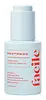
This calming serum is formulated around Caprylic/Capric Triglyceride and Niacinamide to calm redness and strengthen the skin barrier.
This calming serum is formulated around Oenothera Biennis Oil and Niacinamide to calm redness and strengthen the skin barrier.

What's inside
What's inside
 Key Ingredients

Benefits
Concerns
Ingredients Side-by-side
Water
Skin ConditioningIsononyl Isononanoate
EmollientCaprylic/Capric Triglyceride
Masking


Propanediol
Solvent
Niacinamide
Smoothing










Glycerin
Humectant
Hydrogenated Lecithin
Emulsifying
Behenyl Alcohol
Emollient
Hydroxyacetophenone
Antioxidant
Tetrahexyldecyl Ascorbate
Antioxidant
Cetearyl Alcohol
Emollient




Ammonium Acryloyldimethyltaurate/Vp Copolymer
Caprylyl Glycol
Emollient
1,2-Hexanediol
Skin Conditioning
Sorbitan Oleate Decylglucoside Crosspolymer
CleansingXanthan Gum
EmulsifyingAllantoin
Skin Conditioning
Sodium Phytate
ChelatingWithania Somnifera Root Extract
Skin Conditioning
Tocopheryl Acetate
Antioxidant
Citric Acid
Buffering
Ceramide NP
Skin Conditioning
Stearic Acid
Cleansing
Cholesterol
Emollient
Sodium Chloride
MaskingPhytosphingosine
Skin Conditioning
Oleic Acid
Emollient
Lactic Acid
Buffering
Aloe Barbadensis Leaf Juice Powder
Skin Conditioning
Water, Isononyl Isononanoate, Caprylic/Capric Triglyceride, Propanediol, Niacinamide, Glycerin, Hydrogenated Lecithin, Behenyl Alcohol, Hydroxyacetophenone, Tetrahexyldecyl Ascorbate, Cetearyl Alcohol, Ammonium Acryloyldimethyltaurate/Vp Copolymer, Caprylyl Glycol, 1,2-Hexanediol, Sorbitan Oleate Decylglucoside Crosspolymer, Xanthan Gum, Allantoin, Sodium Phytate, Withania Somnifera Root Extract, Tocopheryl Acetate, Citric Acid, Ceramide NP, Stearic Acid, Cholesterol, Sodium Chloride, Phytosphingosine, Oleic Acid, Lactic Acid, Aloe Barbadensis Leaf Juice Powder
Water
Skin ConditioningCopaifera Officinalis Resin
MaskingGlycerin
Humectant
Propanediol
Solvent
Cholesterol
Emollient
Oenothera Biennis Oil
Emollient
Ribes Nigrum Seed Oil
Emollient
Glyceryl Stearate Citrate
Emollient
Butylene Glycol
Humectant
Niacinamide
Smoothing
Ethyl Oleate
Emollient

Behenyl Alcohol
Emollient
C12-16 Alcohols
EmollientAmmonium Polyacryloyldimethyl Taurate
Emulsion StabilisingPanax Ginseng Root Extract
Emollient
Curcuma Longa Root Extract
Antioxidant
Sophora Japonica Flower Extract
Skin ProtectingEchinacea Purpurea Extract
MoisturisingVitis Vinifera Flower Cell Extract
MaskingChamomilla Recutita Flower Extract
Masking
Chamomilla Recutita Extract
Skin Conditioning
Magnolia Officinalis Bark Extract
Antimicrobial
Theobroma Cacao Extract
Skin ConditioningHippophae Rhamnoides Kernel Extract
MaskingHumulus Lupulus Extract
AntimicrobialCeramide EOP
Skin Conditioning
Ceramide NP
Skin Conditioning
Potassium Cetyl Phosphate
EmulsifyingAstaxanthin
Skin Conditioning
Dimethicone
Emollient
Superoxide Dismutase
Antioxidant
Ricinoleth-40
CleansingSodium Hydroxide
BufferingSodium Starch Octenylsuccinate
AbsorbentSilica
Abrasive
Cyclodextrin
AbsorbentPalmitic Acid
Emollient
Phenethyl Alcohol
MaskingAscorbic Acid
Antioxidant
Ergothioneine
Antioxidant
Thioctic Acid
Antioxidant
Hydrogenated Lecithin
Emulsifying
Hydrolyzed Sodium Hyaluronate
Skin Conditioning
Caprylyl Glycol
Emollient
Pyrroloquinoline Quinone Allyl Ester
Antioxidant
Maltodextrin
Absorbent
Xanthan Gum
EmulsifyingPhytic Acid
Chelating
Ethylhexylglycerin
Skin ConditioningTocopherol
Antioxidant
Pentaerythrityl Tetra-Di-T-Butyl Hydroxyhydrocinnamate
Antioxidant
Phenoxyethanol
Preservative
Water, Copaifera Officinalis Resin, Glycerin, Propanediol, Cholesterol, Oenothera Biennis Oil, Ribes Nigrum Seed Oil, Glyceryl Stearate Citrate, Butylene Glycol, Niacinamide, Ethyl Oleate, Behenyl Alcohol, C12-16 Alcohols, Ammonium Polyacryloyldimethyl Taurate, Panax Ginseng Root Extract, Curcuma Longa Root Extract, Sophora Japonica Flower Extract, Echinacea Purpurea Extract, Vitis Vinifera Flower Cell Extract, Chamomilla Recutita Flower Extract, Chamomilla Recutita Extract, Magnolia Officinalis Bark Extract, Theobroma Cacao Extract, Hippophae Rhamnoides Kernel Extract, Humulus Lupulus Extract, Ceramide EOP, Ceramide NP, Potassium Cetyl Phosphate, Astaxanthin, Dimethicone, Superoxide Dismutase, Ricinoleth-40, Sodium Hydroxide, Sodium Starch Octenylsuccinate, Silica, Cyclodextrin, Palmitic Acid, Phenethyl Alcohol, Ascorbic Acid, Ergothioneine, Thioctic Acid, Hydrogenated Lecithin, Hydrolyzed Sodium Hyaluronate, Caprylyl Glycol, Pyrroloquinoline Quinone Allyl Ester, Maltodextrin, Xanthan Gum, Phytic Acid, Ethylhexylglycerin, Tocopherol, Pentaerythrityl Tetra-Di-T-Butyl Hydroxyhydrocinnamate, Phenoxyethanol
Ingredients Explained
These ingredients are found in both products.
Ingredients higher up in an ingredient list are typically present in a larger amount.
Behenyl Alcohol is a type of fatty alcohol (these are different from the drying, solvent alcohols).
Fatty Alcohols have hydrating properties and are most often used as an emollient or to thicken a product. They are usually derived from natural fats and oils; behenyl alcohol is derived from the fats of vegetable oils.
Emollients help keep your skin soft and hydrated by creating a film that traps moisture in.
In 2000, Behenyl Alcohol was approved by the US as medicine to reduce the duration of cold sores.
Learn more about Behenyl AlcoholCaprylyl Glycol is a humectant, skin conditioner, emollient, and preservative booster derived from either caprylic acid or synthetically created.
Typical use levels vary from 0.3-1% as a preservative booster and go up to 2% to condition skin.
Because it is not a free-fatty acid, this ingredient is fungal acne safe (there's nothing for Malassezia to feed on).
Learn more about Caprylyl GlycolCeramide NP (formerly known as Ceramide 3) is one of the skin's naturally occurring lipids.
Since ceramides are the major lipid components of the skin, they are crucial for maintaining skin barrier and hydration. Ceramide NP most closely mirrors the dominant kind in human skin amongst ceramide subtypes.
This ceramide works by slotting into gaps within the stratum corneum's lipid matrix to limit trans-epidermal water loss (TEWL) and shield the skin against external irritants.
A study with 312 patients found that using a ceramide-containing routine for 4 weeks reduced the severity of atopic dermatitis by over 61%.
Another clinical study in subjects aged 60 and older found that a ceramide body wash and moisturizer improved skin dryness and itchy skin in 15 days.
Overall, ceramides are considered non-irritating and safety tests have found little to no observable adverse effects from using this ingredient.
Ceramide NP is usually sourced from plants (like soybean or rice bran), or produced synthetically.
Learn more about Ceramide NPCholesterol is a lipid that is naturally found in human skin and is one of the three key components of your skin barrier. In skincare, it is an emollient and barrier-repairing ingredient.
It works by fitting directly into the lipid layers of skin to help restore structure and reduce transepidermal water loss (TEWL).
This is a great ingredient for dry, compromised, or aging skin; our skin starts to produce less cholesterol with age.
Research shows cholesterol works best in combination with ceramides and fatty acids, the other two major components in your skin barrier.
Cholesterol is also a well-establish penetration enhancer and can help other actives absorb more effectively.
Cosmetic-grade cholesterol is usually derived from lanolin but plant and synthetic options also exist. We recommend reaching out to the brand if you have questions about their source of cholesterol.
Learn more about CholesterolGlycerin (or glycerol) is a compound naturally found in your skin. It's a powerhouse humectant that pulls water into the stratum corneum.
Topically, glycerin does several things at once:
Your skin makes glycerin on its own (mostly from sebaceous oil breakdown) and shuttles it to your outermost layer of skin, or your epidermis, via aquaporin-3.
Aquaporin-3 is a transporter that is essential for normal skin hydration, elasticity, and repair. Interestingly, mice lacking in AQP3 have dry and less elastic skin that can be fully corrected with glycerin.
This ingredient is non-irritating, plays well with almost every ingredient, and works across all skin types. Typical use is anywhere between 3-10% but can go up to 79% in some leave-on products.
Just know very high concentrations (>40%) can feel tacky in low humidity.
Glycerin is the name for this ingredient in American English. British English uses Glycerol/Glycerine.
Learn more about GlycerinHydrogenated Lecithin is a more stable version of lecithin.
It's made by taking lecithin (a phospholipid commonly found in soybeans and egg yolks) and hydrogenating it. This just means the unsaturated fatty acids are turned into saturated ones so they don't go bad as easily.
This ingredient is an emollient, emulsifier, and penetration enhancer. As an emollient, it helps soften and hydrate skin by trapping moisture within. As an emulsifier, it prevents oil and water ingredients from separating.
Hydrogenated Lecithin can form tiny spherical structures made of phospholipid bilayers called liposomes. These liposomes are able to capture compounds inside their structure and deliver them through the skin barrier.
Because phospholipids are a natural component of our cell membranes, this ingredient is inherently compatible with skin.
A 2021 study found lecithin-based surfactants were less harsh and more tolerable comared to Sodium Lauryl Sulfate (SLS).
Learn more about Hydrogenated LecithinNiacinamide is a multitasking form of vitamin B3 that strengthens the skin barrier, reduces pores and dark spots, regulates oil, and improves signs of aging.
And the best part? It's gentle and well-tolerated by most skin types, including sensitive and reactive skin.
You might have heard of "niacin flush", or the reddening of skin that causes itchiness. Niacinamide has not been found to cause this.
In very rare cases, some individuals may not be able to tolerate niacinamide at all or experience an allergic reaction to it.
If you are experiencing flaking, irritation, and dryness with this ingredient, be sure to double check all your products as this ingredient can be found in all categories of skincare.
When incorporating niacinamide into your routine, look out for concentration amounts. Typically, 5% niacinamide provides benefits such as fading dark spots. However, if you have sensitive skin, it is better to begin with a smaller concentration.
When you apply niacinamide to your skin, your body converts it into nicotinamide adenine dinucleotide (NAD). NAD is an essential coenzyme that is already found in your cells as "fuel" and powers countless biological processes.
In your skin, NAD helps repair cell damage, produce new healthy cells, support collagen production, strengthen the skin barrier, and fight environmental stressors (like UV and pollution).
Our natural NAD levels start to decline with age, leading to slower skin repair, visible aging, and a weaker skin barrier. By providing your skin niacinamide, you're recharging your skin's NAD levels. This leads to stronger, healthier, and younger looking skin.
Another name for vitamin B3 is nicotinamide. This vitamin is water-soluble and our bodies don't store it. We obtain Vitamin B3 from either food or skincare. Meat, fish, wheat, yeast, and leafy greens contain vitamin B3.
The type of niacinamide used in skincare is synthetically created.
Learn more about NiacinamidePropanediol is an all-star ingredient. It softens, hydrates, and smooths the skin.
It’s often used to:
Propanediol is not likely to cause sensitivity and considered safe to use. It is derived from corn or petroleum with a clear color and no scent.
Learn more about PropanediolWater. It's the most common cosmetic ingredient of all. You'll usually see it at the top of ingredient lists, meaning that it makes up the largest part of the product.
So why is it so popular? Water most often acts as a solvent - this means that it helps dissolve other ingredients into the formulation.
You'll also recognize water as that liquid we all need to stay alive. If you see this, drink a glass of water. Remember to stay hydrated!
Learn more about WaterXanthan gum is used as a stabilizer and thickener within cosmetic products. It helps give products a sticky, thick feeling - preventing them from being too runny.
On the technical side of things, xanthan gum is a polysaccharide - a combination consisting of multiple sugar molecules bonded together.
Xanthan gum is a pretty common and great ingredient. It is a natural, non-toxic, non-irritating ingredient that is also commonly used in food products.
Learn more about Xanthan Gum

