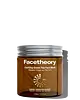
This wash off mask is made with Kaolin and Sodium Ascorbyl Phosphate for a rinse-off oil-control boost.
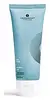
This wash off mask is made with Kaolin and Melaleuca Alternifolia Leaf Oil for a rinse-off oil-control boost.


What's inside
What's inside
 Key Ingredients
Benefits
Concerns
Ingredients Side-by-side
Water
Skin ConditioningKaolin
Abrasive



Glycerin
Humectant


Montmorillonite
AbsorbentIllite
Abrasive
Butyrospermum Parkii Butter
Skin Conditioning




Cetyl Alcohol
Emollient

Stearic Acid
Cleansing
Glyceryl Stearate
Emollient
Sodium Stearoyl Glutamate
CleansingSodium Ascorbyl Phosphate
Antioxidant





Tocopherol
Antioxidant

Sodium Anisate
AntimicrobialSodium Levulinate
Skin ConditioningOryza Sativa Bran Oil
Emollient

Argania Spinosa Kernel Oil
Emollient
Simmondsia Chinensis Seed Oil
Emollient
Xanthan Gum
EmulsifyingCetyl Hydroxyethylcellulose
Emulsion StabilisingPanthenol
Skin Conditioning
Lactic Acid
Buffering

Citric Acid
Buffering
Potassium Sorbate
Preservative
Glyceryl Caprylate
EmollientChamomilla Recutita Flower Extract
Masking
Camellia Sinensis Leaf Extract
Antimicrobial
Water, Kaolin, Glycerin, Montmorillonite, Illite, Butyrospermum Parkii Butter, Cetyl Alcohol, Stearic Acid, Glyceryl Stearate, Sodium Stearoyl Glutamate, Sodium Ascorbyl Phosphate, Tocopherol, Sodium Anisate, Sodium Levulinate, Oryza Sativa Bran Oil, Argania Spinosa Kernel Oil, Simmondsia Chinensis Seed Oil, Xanthan Gum, Cetyl Hydroxyethylcellulose, Panthenol, Lactic Acid, Citric Acid, Potassium Sorbate, Glyceryl Caprylate, Chamomilla Recutita Flower Extract, Camellia Sinensis Leaf Extract
Water
Skin ConditioningGlyceryl Stearate
Emollient
Clay Minerals
AstringentZinc Oxide
Cosmetic Colorant

Glycerin
Humectant
Kaolin
Abrasive
Butyrospermum Parkii Butter
Skin Conditioning
Vitis Vinifera Seed Oil
Emollient
Camellia Seed Oil
Caprylic/Capric Triglyceride
Masking
Argania Spinosa Kernel Oil
Emollient
Cassia Angustifolia Seed Polysaccharide
Skin ConditioningCetyl Alcohol
Emollient
Eucalyptus Globulus Leaf Oil
Perfuming


Melaleuca Alternifolia Leaf Oil
Antioxidant
Cannabis Sativa Seed Oil
Emollient
Cucurbita Pepo Seed Oil
Emollient
Oenothera Biennis Oil
Emollient
Tocopherol
Antioxidant
Hippophae Rhamnoides Oil
Emollient
Saccharum Officinarum Extract
MoisturisingAcer Saccharum Sap
HumectantCitrus Aurantium Dulcis Fruit Extract
MaskingCitrus Medica Limonum Peel
Skin ConditioningCitrus Aurantium Bergamia Fruit Oil
Masking
Glucose
Humectant
Lactoperoxidase
StabilisingGlucose Oxidase
StabilisingZingiber Officinale Water
MaskingPanax Ginseng Root Extract
Emollient
Salix Alba Bark Extract
Astringent
Ascophyllum Nodosum Extract
Skin Conditioning
Rosmarinus Officinalis Leaf Extract
AntimicrobialChamomilla Recutita Leaf Extract
Masking
Aloe Barbadensis Leaf Extract
Emollient
Cucumis Sativus Extract
Skin Conditioning
Calophyllum Tacamahaca Seed Oil
Emollient
Xanthan Gum
EmulsifyingMentha Piperita Oil
Masking
Ascorbic Acid
Antioxidant
Thioctic Acid
Antioxidant
Water, Glyceryl Stearate, Clay Minerals, Zinc Oxide, Glycerin, Kaolin, Butyrospermum Parkii Butter, Vitis Vinifera Seed Oil, Camellia Seed Oil, Caprylic/Capric Triglyceride, Argania Spinosa Kernel Oil, Cassia Angustifolia Seed Polysaccharide, Cetyl Alcohol, Eucalyptus Globulus Leaf Oil, Melaleuca Alternifolia Leaf Oil, Cannabis Sativa Seed Oil, Cucurbita Pepo Seed Oil, Oenothera Biennis Oil, Tocopherol, Hippophae Rhamnoides Oil, Saccharum Officinarum Extract, Acer Saccharum Sap, Citrus Aurantium Dulcis Fruit Extract, Citrus Medica Limonum Peel, Citrus Aurantium Bergamia Fruit Oil, Glucose, Lactoperoxidase, Glucose Oxidase, Zingiber Officinale Water, Panax Ginseng Root Extract, Salix Alba Bark Extract, Ascophyllum Nodosum Extract, Rosmarinus Officinalis Leaf Extract, Chamomilla Recutita Leaf Extract, Aloe Barbadensis Leaf Extract, Cucumis Sativus Extract, Calophyllum Tacamahaca Seed Oil, Xanthan Gum, Mentha Piperita Oil, Ascorbic Acid, Thioctic Acid
Reviews
Ingredients Explained
These ingredients are found in both products.
Ingredients higher up in an ingredient list are typically present in a larger amount.
You may know this ingredient as argan oil. It has emollient and skin conditioning properties that help soften skin and reinforce the lipid barrier.
The fatty acid profile of argan oil is roughly 45-55% oleic acid, 28-36% linoleic acid, 10-15% palmitic acid, and 5-7% stearic acid. It also contains vitamin E, sterols, squalene, and polyphenols like ferulic acid.
Two clinical studies in postmenopausal women found that applying argan oil for 60 days significantly improved skin elasticity and moisturization (reduced transepidermal water loss and increased epidermal water content).
Since it is high in oleic and linoleic acid, this ingredient may not be fungal acne safe. Both of these fall in the C11-C24 range that Malassezia yeast can metabolize.
Learn more about Argania Spinosa Kernel OilThis ingredient is also known as shea butter. It is a plant-derived extract from the nuts of the Africa shea tree and one of the most well-studied emollients.
Because it has a high concentration of fatty acids (primarily oleic, stearic, and linoleic) it is able to form a protective barrier on the skin's surface. This helps seal in moisture and prevents transepidermal water loss (TEWL).
In vitro research found an increase in skin hydration by 58% and a decrease in TEWL by 37.8% after 24 hours of applying this ingredient (pretty impressive for a single ingredient!).
Besides hydration, shea butter also contains triterpenes that have anti-inflammatory potential. In particule, lupeol cinnamate has shown the highest anti-inflammatory activity in vivo.
Shea butter also contains vitamins A and E which may contribute to antioxidant activity.
While Shea Butter has an SPF rating of about 3-4, it is not a sunscreen replacement.
This ingredient may not be fungal acne safe because its fatty acids fall within the C11-C24 range that the Malassezia yeast can metabolize.
This ingredient shows up on a lot of "pore-clogging" lists but there's no real evidence behind that. It doesn't even have a comedogenic rating from an actual study; the numbers you'll find online come from blogs citing other blogs.
Ratings for other ingredients mostly come from a 1980s rabbit ear test. This test doesn't translate well to human skin or to real products because the ingredient sits at a much lower percentage.
Some people still find it breaks them out. So if that's you, definitely trust your skin. Just know this one's based on experience and not evidence.
Learn more about Butyrospermum Parkii ButterCetyl Alcohol is a fatty alcohol. Fatty Alcohols are most often used as an emollient or to thicken a product.
Its main roles are:
Though it has "alcohol" in the name, it is not related to denatured alcohol or ethyl alcohol.
The FDA allows products labeled "alcohol-free" to have fatty alcohols.
This ingredient may not be fungal acne safe. It is a primary fatty alcohol with a chain length above 12 carbons. A study from 2019 show Malassezia can feed on fatty alcohols in this range, so it may trigger fungal acne in those prone to it.
Learn more about Cetyl AlcoholGlycerin (or glycerol) is a compound naturally found in your skin. It's a powerhouse humectant that pulls water into the stratum corneum.
Topically, glycerin does several things at once:
Your skin makes glycerin on its own (mostly from sebaceous oil breakdown) and shuttles it to your outermost layer of skin, or your epidermis, via aquaporin-3.
Aquaporin-3 is a transporter that is essential for normal skin hydration, elasticity, and repair. Interestingly, mice lacking in AQP3 have dry and less elastic skin that can be fully corrected with glycerin.
This ingredient is non-irritating, plays well with almost every ingredient, and works across all skin types. Typical use is anywhere between 3-10% but can go up to 79% in some leave-on products.
Just know very high concentrations (>40%) can feel tacky in low humidity.
Glycerin is the name for this ingredient in American English. British English uses Glycerol/Glycerine.
Learn more about GlycerinGlyceryl Stearate is made by reacting glycerin with stearic acid (typically sourced from plant oils like palm or coconut). It's an emulsifier, emollient, and mild occlusive.
Emulsifiers help ingredients like oil and water stay mixed so your formula stays nicely blended and uniform in texture.
This ingredient is typically used in concentrations between 1-10%. Studies have found it to be non-sensitizing, non-phototoxic, and non-photoallergenic.
A close cousin of this ingredient is Glyceryl Stearate SE ("self-emulsifying"). This just has a small amount of sodium or potassium stearate added so it can emulsify without a co-emulsifier.
Since this ingredient is an ester of a C18 fatty acid, it may not be fungal acne safe. The Malassezia yeast can potentially metabolize within the C11-C24 range.
Fun fact: The human body also creates Glyceryl Stearate naturally.
Learn more about Glyceryl StearateKaolin is a clay. It is used for oil control and to help minimize pores. Like other clays, kaolin has the ability to absorb excess sebum or oil. This can help clean out pores and mattify the skin.
Some types of kaolin may have exfoliating properties. When water is added to kaolin, it becomes a paste with small abrasive particles.
Most kaolin is a white color, but may be pink/orange/red depending on where it comes from.
The name 'kaolin' comes from a Chinese village named 'Gaoling'. Kaolin clay comes from rocks rich in kaolinite. Kaolinite, the mineral, has a silicate layered structure. Kaolinite is formed from chemical weathering of aluminum siilicate minerals.
Besides skincare, kaolin is commonly used to make glossy paper, in ceramics, toothpaste, and as medicine to soothe stomach issues.
Learn more about KaolinTocopherol is a fat-soluble antioxidant known as Vitamin E.
You'll find this ingredient in the vast majority of skincare (for good reason). It works to neutralize free radicals, or unstable molecules generated by UV exposure, pollution, and other environmental stressors, before they can cause oxidative damage to your skin cells.
Topically applied tocopherol has been shown to protect against UV damage by ramping up the skin's own natural defense enzymes.
It also acts as a skin conditioning agent; some studies show that regular topical use can improve the skin's water-binding capacity over 2-4 weeks.
This ingredient is especially loved for being a team player. When combined with Vitamin C, the photoprotective effect of both ingredients roughly doubles and the combo also helps reduce UV-induced DNA damage.
This ingredient has some brightening potential but it's more of a prevention ingredient than spot-fader. Cell studies show it can slow down melanin production but it's worth noting that it's not the most powerful brightener out there.
In formulations, it also serves as a stabilizer that helps protect other oxidation-prone ingredients from degrading.
Concentrations usually range from 0.1-1% in most leave-on products.
Learn more about TocopherolWater. It's the most common cosmetic ingredient of all. You'll usually see it at the top of ingredient lists, meaning that it makes up the largest part of the product.
So why is it so popular? Water most often acts as a solvent - this means that it helps dissolve other ingredients into the formulation.
You'll also recognize water as that liquid we all need to stay alive. If you see this, drink a glass of water. Remember to stay hydrated!
Learn more about WaterXanthan gum is used as a stabilizer and thickener within cosmetic products. It helps give products a sticky, thick feeling - preventing them from being too runny.
On the technical side of things, xanthan gum is a polysaccharide - a combination consisting of multiple sugar molecules bonded together.
Xanthan gum is a pretty common and great ingredient. It is a natural, non-toxic, non-irritating ingredient that is also commonly used in food products.
Learn more about Xanthan Gum

