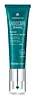
This anti-aging serum is formulated around Niacinamide and Retinol to soften the look of wrinkles and refine skin texture.
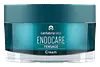
This barrier-repair moisturizer is formulated around Snail Secretion Filtrate to strengthen the skin barrier and hydrate skin.

What's inside
What's inside
 Key Ingredients
Benefits
Concerns
Ingredients Side-by-side
Cyclopentasiloxane
Emollient
Caprylyl Methicone
Skin Conditioning
C12-15 Alkyl Benzoate
AntimicrobialUndecane
EmollientDimethicone/Vinyl Dimethicone Crosspolymer
Skin Conditioning
Trisiloxane
Skin Conditioning
Dimethyl Isosorbide
SolventPEG-7 Glyceryl Cocoate
Emulsifying




Pentylene Glycol
Skin Conditioning
Niacinamide
Smoothing










Tridecane
Perfuming

Sodium Hyaluronate Crosspolymer
Humectant

PEG-12 Dimethicone
Skin Conditioning
Methyl Methacrylate/Glycol Dimethacrylate Crosspolymer
Bisabolol
Antioxidant
Retinol
Skin Conditioning

Hydroxypinacolone Retinoate
Skin Conditioning
Ascorbic Acid
Antioxidant
Tocopheryl Acetate
Antioxidant
Silica Silylate
Emollient
Zea Mays Starch
Absorbent
Tetrahexyldecyl Ascorbate
Antioxidant
Phenylpropanol
Masking
Polysorbate 20
Emulsifying
Caprylyl Glycol
Emollient
Propanediol
Solvent
Silica
Abrasive
Dimethicone
Emollient
Propyl Gallate
Antioxidant
Disodium EDTA
ChelatingBHT
Antioxidant
Tocopherol
Antioxidant
Cyclopentasiloxane, Caprylyl Methicone, C12-15 Alkyl Benzoate, Undecane, Dimethicone/Vinyl Dimethicone Crosspolymer, Trisiloxane, Dimethyl Isosorbide, PEG-7 Glyceryl Cocoate, Pentylene Glycol, Niacinamide, Tridecane, Sodium Hyaluronate Crosspolymer, PEG-12 Dimethicone, Methyl Methacrylate/Glycol Dimethacrylate Crosspolymer, Bisabolol, Retinol, Hydroxypinacolone Retinoate, Ascorbic Acid, Tocopheryl Acetate, Silica Silylate, Zea Mays Starch, Tetrahexyldecyl Ascorbate, Phenylpropanol, Polysorbate 20, Caprylyl Glycol, Propanediol, Silica, Dimethicone, Propyl Gallate, Disodium EDTA, BHT, Tocopherol
Water
Skin ConditioningC12-20 Acid PEG-8 Ester
Emulsifying
Snail Secretion Filtrate
Skin Conditioning
Glycerin
Humectant
Hydrolyzed Soy Protein
Humectant
Pentylene Glycol
Skin Conditioning
Saccharide Isomerate
Humectant
Hexylene Glycol
EmulsifyingLimnanthes Alba Seed Oil
Skin Conditioning
Caprylic/Capric Triglyceride
Masking
Cetyl Alcohol
Emollient
PPG-15 Stearyl Ether
EmollientTocopheryl Acetate
Antioxidant
Fructose
Humectant
Glucose
Humectant
Phenoxyethanol
Preservative
Urea
Buffering
Sodium Lactate
Buffering
Lactic Acid
Buffering
Serine
Masking
Sorbitol
Humectant
Methylparaben
Preservative

Dextrin
AbsorbentSucrose
Humectant
Sodium Citrate
BufferingSodium Chloride
MaskingDisodium EDTA
ChelatingPropylparaben
Preservative
Allantoin
Skin Conditioning
Alanine
Masking
Aspartic Acid
Masking
Glutamic Acid
Humectant
Hexyl Nicotinate
EmollientParfum
Masking
Geraniol
Perfuming
Linalool
Perfuming
Hexyl Cinnamal
Perfuming
Limonene
Perfuming
Benzyl Salicylate
Perfuming
Butylphenyl Methylpropional
Perfuming
Water, C12-20 Acid PEG-8 Ester, Snail Secretion Filtrate, Glycerin, Hydrolyzed Soy Protein, Pentylene Glycol, Saccharide Isomerate, Hexylene Glycol, Limnanthes Alba Seed Oil, Caprylic/Capric Triglyceride, Cetyl Alcohol, PPG-15 Stearyl Ether, Tocopheryl Acetate, Fructose, Glucose, Phenoxyethanol, Urea, Sodium Lactate, Lactic Acid, Serine, Sorbitol, Methylparaben, Dextrin, Sucrose, Sodium Citrate, Sodium Chloride, Disodium EDTA, Propylparaben, Allantoin, Alanine, Aspartic Acid, Glutamic Acid, Hexyl Nicotinate, Parfum, Geraniol, Linalool, Hexyl Cinnamal, Limonene, Benzyl Salicylate, Butylphenyl Methylpropional
Ingredients Explained
These ingredients are found in both products.
Ingredients higher up in an ingredient list are typically present in a larger amount.
Disodium EDTA is a chelating agent. It grabs onto and deactivates metal ions that sneak into your products from water, packaging, or air.
This ingredient mainly works behind the scenes and helps with:
On top of that, this ingredient can counteract the effects of hard water by binding to the minerals in it.
One thing worth knowing is that Disodium EDTA has been shown to be a mild penetration enhancer. It can help other ingredients absorb into skin more effectively which can be a double-edged sword (great for actives, but can also make the active too strong if you have sensitive skin).
Clinical patch testing showed no significant skin irritation at typical use concentrations and minimal dermal absorption.
You'll most likely see this ingredient near the end of an ingredient list. It's typically found in concentrations less than 1%.
Learn more about Disodium EDTAPentylene Glycol (1,2-pentanediol) is a multitasking little diol with three main roles in a formula:
Research on alkanediols (the family pentylene glycol belongs to) show they work by disrupting microbial cell membranes. This disruption helps the primary preservative system in a product work more effectively at lower doses.
On the safety side, the Cosmetic Ingredient Review Expert Panel has concluded this ingredient to be safe as used in current cosmetic practices + concentrations.
Typical use levels in a formula run about 1-5%.
Learn more about Pentylene GlycolTocopheryl Acetate is a stable, shelf-friendly form of vitamin E.
Formulators love it because plain vitamin E oxidizes quickly once it hits air. This acetate version stays stable and resists going off, helping to extend a product's shelf life.
It's actually inactive on its own and works like a slow-release "storage" form; the enzymes in your skin called esterases gradually convert it into active vitamin E over time.
One in vivo study showed 5% of the acetate in the living layer of the epidermis converted to vitamin E after 5 days of application. This study also found the skin gained protection against UV damage even though the conversion was slow and small.
Once converted, vitamin E acts as a skin's main fat-soluble antioxidant that fights free radicals to protect skin from damage.
Topical vitamin E generally boosts the skin's photoprotection, and it reduced UV-damage in animal models.
This ingredient has some brightening potential but it's more of a prevention ingredient than spot-fader. Cell studies show it can slow down melanin production but it's worth noting that it's not the most powerful brightener out there.
Overall, it has a pretty solid safety profile and has been found to be non-irritating and non-comedogenic. Allergic reactions may happen but stay rare due to how widely the ingredient gets used.
The concentration will vary depending on the formula; industry data shows 0.1% in baby lotions, 3% in lipsticks, and 5% in foot powders. You can also find this ingredient at 100% in a pure vitamin E oil.
Most leave-on skincare keeps it at the lower end, often between 0.5-1%.
Learn more about Tocopheryl Acetate

