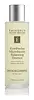
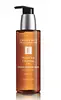
Eminence Organics Kombucha Microbiome Balancing Essence Versus Eminence Organics Stone Crop Cleansing Oil
This calming essence is formulated around Aloe Barbadensis Leaf Juice and Lactococcus Ferment Lysate to calm redness and strengthen the skin barrier.
This oil-based makeup remover is made to dissolve makeup, sunscreen, and daily buildup.

What's inside
What's inside
 Key Ingredients
Benefits
Concerns
Ingredients Side-by-side
Aloe Barbadensis Leaf Juice
Skin Conditioning


Helianthus Annuus Seed Oil
Emollient


Pyrus Malus Juice
Skin ConditioningVitis Vinifera Seed Extract
Antimicrobial
Calendula Officinalis Flower Extract
Masking
Prunus Armeniaca Kernel Oil
Masking

Achillea Millefolium Extract
CleansingTrifolium Pratense Flower Extract
AstringentEchinacea Purpurea Root Extract
MoisturisingHippophae Rhamnoides Fruit Extract
Skin Conditioning
Glycerin
Humectant

Maltodextrin
Absorbent
Water
Skin ConditioningPropanediol
Solvent
Alcohol Denat.
Antimicrobial


Prunus Armeniaca Juice
MoisturisingLactococcus Ferment Lysate
Skin Conditioning
Saccharomyces/Xylinum/Black Tea Ferment
Skin Conditioning
Camellia Sinensis Leaf Extract
Antimicrobial



Inulin
Skin Conditioning
Jasminum Officinale Flower Extract
Masking
Zingiber Officinale Root Extract
Masking
1,2-Hexanediol
Skin Conditioning
Heptyl Glucoside
SurfactantArginine
Masking
Caprylyl Glycol
Emollient
Hydroxyethylcellulose
Emulsion StabilisingAcrylates/C10-30 Alkyl Acrylate Crosspolymer
Emulsion StabilisingSalvia Sclarea Oil
Masking
Pelargonium Graveolens Flower Oil
Masking
Lavandula Hybrida Oil
Emollient
Tropolone
Skin ConditioningCitric Acid
Buffering
Allantoin
Skin Conditioning
Sodium Dehydroacetate
Preservative
Tetrasodium Glutamate Diacetate
ChelatingEuterpe Oleracea Fruit Extract
Citrus Limon Juice
Skin Conditioning
Malpighia Glabra Fruit Extract
Skin ConditioningEmblica Officinalis Fruit Extract
Skin ConditioningAdansonia Digitata Fruit Extract
EmollientMyrciaria Dubia Fruit Extract
Skin ConditioningDaucus Carota Sativa Root Extract
Skin Conditioning
Cocos Nucifera Water
Masking
Lycium Barbarum Fruit Extract
Astringent
Aloe Barbadensis Leaf Juice, Helianthus Annuus Seed Oil, Pyrus Malus Juice, Vitis Vinifera Seed Extract, Calendula Officinalis Flower Extract, Prunus Armeniaca Kernel Oil, Achillea Millefolium Extract, Trifolium Pratense Flower Extract, Echinacea Purpurea Root Extract, Hippophae Rhamnoides Fruit Extract, Glycerin, Maltodextrin, Water, Propanediol, Alcohol Denat., Prunus Armeniaca Juice, Lactococcus Ferment Lysate, Saccharomyces/Xylinum/Black Tea Ferment, Camellia Sinensis Leaf Extract, Inulin, Jasminum Officinale Flower Extract, Zingiber Officinale Root Extract, 1,2-Hexanediol, Heptyl Glucoside, Arginine, Caprylyl Glycol, Hydroxyethylcellulose, Acrylates/C10-30 Alkyl Acrylate Crosspolymer, Salvia Sclarea Oil, Pelargonium Graveolens Flower Oil, Lavandula Hybrida Oil, Tropolone, Citric Acid, Allantoin, Sodium Dehydroacetate, Tetrasodium Glutamate Diacetate, Euterpe Oleracea Fruit Extract, Citrus Limon Juice, Malpighia Glabra Fruit Extract, Emblica Officinalis Fruit Extract, Adansonia Digitata Fruit Extract, Myrciaria Dubia Fruit Extract, Daucus Carota Sativa Root Extract, Cocos Nucifera Water, Lycium Barbarum Fruit Extract
Helianthus Annuus Seed Oil
Emollient
Sempervivum Tectorum Extract
Skin ConditioningCamellia Sinensis Leaf Extract
Antimicrobial
Emblica Officinalis Fruit Extract
Skin ConditioningBrassica Oleracea Italica Sprout Extract
EmollientRaphanus Sativus Seed Extract
Skin ConditioningGlycereth-2 Cocoate
Emulsifying
Simmondsia Chinensis Seed Oil
Emollient
Caprylic/Capric Triglyceride
Masking
Lepidium Sativum Sprout Extract
Skin ConditioningRosmarinus Officinalis Leaf Extract
AntimicrobialOlea Europaea Fruit Oil
Masking
Persea Gratissima Oil
Skin Conditioning
Glycerin
Humectant
Rhodiola Rosea Root Extract
EmollientHeptyl Glucoside
SurfactantGuaiazulene
Antimicrobial
Lecithin
Emollient
Water
Skin ConditioningParfum
Masking
Cucurbita Pepo Seed Oil
Emollient
Euterpe Oleracea Fruit Extract
Citrus Limon Juice
Skin Conditioning
Malpighia Glabra Fruit Extract
Skin ConditioningAdansonia Digitata Fruit Extract
EmollientMyrciaria Dubia Fruit Extract
Skin ConditioningDaucus Carota Sativa Root Extract
Skin Conditioning
Cocos Nucifera Water
Masking
Lycium Barbarum Fruit Extract
Astringent
Maltodextrin
Absorbent
Helianthus Annuus Seed Oil, Sempervivum Tectorum Extract, Camellia Sinensis Leaf Extract, Emblica Officinalis Fruit Extract, Brassica Oleracea Italica Sprout Extract, Raphanus Sativus Seed Extract, Glycereth-2 Cocoate, Simmondsia Chinensis Seed Oil, Caprylic/Capric Triglyceride, Lepidium Sativum Sprout Extract, Rosmarinus Officinalis Leaf Extract, Olea Europaea Fruit Oil, Persea Gratissima Oil, Glycerin, Rhodiola Rosea Root Extract, Heptyl Glucoside, Guaiazulene, Lecithin, Water, Parfum, Cucurbita Pepo Seed Oil, Euterpe Oleracea Fruit Extract, Citrus Limon Juice, Malpighia Glabra Fruit Extract, Adansonia Digitata Fruit Extract, Myrciaria Dubia Fruit Extract, Daucus Carota Sativa Root Extract, Cocos Nucifera Water, Lycium Barbarum Fruit Extract, Maltodextrin
Reviews
Alternatives
Ingredients Explained
These ingredients are found in both products.
Ingredients higher up in an ingredient list are typically present in a larger amount.
Camellia Sinensis Leaf Extract (tea extract) is one of the most well-researched plant extracts in skincare with an impressive resume.
Black tea, green tea, and oolong tea are all harvested from the Camellia Sinensis plant.
Studies show green tea extract and its catechins (like epigallocatechin gallate (EGCG)) help your skin cells product energy more efficiently and reducing the number of free-radicals that can damage your skin from the inside.
In lab-grown skin models, this translated to younger, healthier, and stronger skin.
There's also good sun protection data; researchers saw less DNA damage and redness on human skin when green tea was applied before UVB exposure. And the more they applied, the better the protection.
Needless to say, this ingredient shouldn't replace your sunscreen. But it is a great supportive ingredient that you can already find in many sunscreens and antioxidant serums.
A 2009 study found a 2% green tea lotion was effective for mild-to-moderate acne thanks to its anti-inflammatory and mild antimicrobial activity.
The quality of the extract matters a lot here:
Good extracts contain 50-90% catechins while lower quality ones are mostly there for marketing. We recommend reaching out to the brand if you have questions about the quality or source of their ingredients.
Human Repeated Insult Patch Testing showed no irritation or sensitization at use concentrations (0.86% in leave-on products and up to 30% as leaf water).
Learn more about Camellia Sinensis Leaf ExtractCitrus Limon juice is also lemon juice.
While lemon juice contains antioxidants and vitamins, it can sensitize the skin.
The acidity of lemons may work as an astringent for acne. This can cause sensitivity. Lemon juice can also increase photosensitivity, or sensitivity to the sun.
Learn more about Citrus Limon JuiceDaucus Carota Sativa Root Extract comes from the root commonly known as carrot (the orange kind we eat!).
This extract contains beta-carotene, a pigment responsible for giving plants the orange color. Beta-carotene is a potent antioxidant. Antioxidants may help reduce the signs of aging.
Beta-carotene is the reason we turn orange if we eat too many carrots.
It should be noted coming into contact with the leaves of wild carrots can cause skin irritation. The sap causes phytophotodermatitis, or sensitivity exposed to sunlight.
This ingredient is created using the edible parts of the carrot.
Learn more about Daucus Carota Sativa Root ExtractWe don't have a description for Emblica Officinalis Fruit Extract yet.
This extract comes from the Cabbage Palm, AKA the Açaí berry! It has skin soothing and antioxidant properties.
Acai berries are rich in antioxidants, including ferulic acid (The famous vitamin C stabilizer). Antioxidants protect your skin against damaging free-radical molecules.
You can also find carbohydrates, lipids, proteins, minerals, vitamin A, and Vitamin C in these berries.
Learn more about Euterpe Oleracea Fruit ExtractGlycerin (or glycerol) is a compound naturally found in your skin. It's a powerhouse humectant that pulls water into the stratum corneum.
Topically, glycerin does several things at once:
Your skin makes glycerin on its own (mostly from sebaceous oil breakdown) and shuttles it to your outermost layer of skin, or your epidermis, via aquaporin-3.
Aquaporin-3 is a transporter that is essential for normal skin hydration, elasticity, and repair. Interestingly, mice lacking in AQP3 have dry and less elastic skin that can be fully corrected with glycerin.
This ingredient is non-irritating, plays well with almost every ingredient, and works across all skin types. Typical use is anywhere between 3-10% but can go up to 79% in some leave-on products.
Just know very high concentrations (>40%) can feel tacky in low humidity.
Glycerin is the name for this ingredient in American English. British English uses Glycerol/Glycerine.
Learn more about GlycerinHelianthus Annuus Seed Oil is a plant oil derived from the seeds of a sunflower.
It is rich in fatty acids, primarily linoleic acid and oleic acid. This gives it emollient and skin conditioning properties.
The reason this ingredient is so effective is because it forms a thin film on the skin that reduces transepidermal water loss (TEWL) while supplying linoleic acid to the stratum corneum to improve barrier strength.
The high linoleic acid content is particularly noteworthy for acne-prone skin.
Research suggests that acne-prone skin tends to be deficient in linoleic acid in sebum. Topical application may help replenish this to support a healthier follicular environment and less comedone-promoting sebum.
One randomized study found sunflower seed oil preserved skin barrier integrity in adult volunteers with and without atopic dermatitis (outperforming olive oil).
This ingredient is well-studied, gentle, and an effective emollient suitable for most skin types.
On fungal acne: This ingredient may not be Fungal acne (Malassezia folliculitis) safe. This is because it contains fatty acids with carbon chain lengths in the C11-C24 range.
Learn more about Helianthus Annuus Seed OilWe don't have a description for Heptyl Glucoside yet.
Lycium Barbarum Fruit Extract comes from the Goji Berry. Goji berries are native to China and can be found across Eurasia.
Goji berries contain polysaccharides, carotenoids and flavonoids. Antioxidants help your body fight off free-radical molecules. These molecules are unstable and may damage your skin. By making free-radicals more stable, antioxidants can help with anti-aging.
Polysaccharides help hydrate the top layer of skin due to its ability to mimic natural carbohydrates.
Learn more about Lycium Barbarum Fruit ExtractWe don't have a description for Malpighia Glabra Fruit Extract yet.
Maltodextrin is a plant-derived carbohydrate made by breaking down starch (usually from corn, potato, or rice). In cosmetic formulas, it's a multitasking absorbent, emulsion stabilizer, and skin conditioner.
This ingredient is mostly used to stabilize emulsions and improve the powdery, non-greasy feel of products (like dry shampoos).
Safety-wise, this ingredient is pretty solid; it's even recognized as a food additive. Both animal and clinical studies found no adverse effects at the levels used in cosmetics.
Industry data shows this ingredient is used up to 45.7% in spray products and up to 33% in powder products.
Learn more about MaltodextrinThis extract comes from the camu camu berry and is known for its exceptionally high vitamin C content.
Water. It's the most common cosmetic ingredient of all. You'll usually see it at the top of ingredient lists, meaning that it makes up the largest part of the product.
So why is it so popular? Water most often acts as a solvent - this means that it helps dissolve other ingredients into the formulation.
You'll also recognize water as that liquid we all need to stay alive. If you see this, drink a glass of water. Remember to stay hydrated!
Learn more about Water

