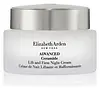
This anti-aging night moisturizer is formulated around Acetyl Tetrapeptide-9 and Ceramide NP to soften the look of wrinkles and strengthen the skin barrier.
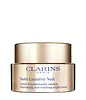
This brightening night moisturizer is formulated around Hexylresorcinol to fade the look of dark spots.


What's inside
What's inside
 Key Ingredients
Benefits
Concerns
Ingredients Side-by-side
Water
Skin ConditioningDimethicone
Emollient

Glycerin
Humectant

Butylene Glycol
Humectant
Cetearyl Alcohol
Emollient






Isostearyl Alcohol
Emollient
Caprylic/Capric Triglyceride
Masking
Ceteth-20 Phosphate
CleansingButylene Glycol Cocoate
Emulsifying
Polymethylsilsesquioxane
Ammonium Acryloyldimethyltaurate/Vp Copolymer
Acetyl Tetrapeptide-11
Skin Conditioning
Acetyl Tetrapeptide-9
Skin Conditioning
Amylopectin
Butyrospermum Parkii Butter
Skin Conditioning
Caprylyl Glycol
Emollient
Carbomer
Emulsion StabilisingCeramide AP
Skin Conditioning


Ceramide EOP
Skin Conditioning
Ceramide NP
Skin Conditioning
Ceteth-20
CleansingCholesterol
Emollient
Dicetyl Phosphate
EmulsifyingDimethyl Isosorbide
SolventDisodium EDTA
ChelatingEthylcellulose
Hydroxyethyl Acrylate/Sodium Acryloyldimethyl Taurate Copolymer
Emulsion StabilisingIsohexadecane
EmollientLauryl PEG-9 Polydimethylsiloxyethyl Dimethicone
Skin Conditioning
Leontopodium Alpinum Callus Culture Extract
Antioxidant
Lithothamnion Calcareum Extract
Skin ConditioningMaris Sal
Skin ConditioningPEG-100 Stearate
Surfactant
PEG-40 Hydrogenated Castor Oil
Emulsifying
Pentylene Glycol
Skin Conditioning
Phytosphingosine
Skin Conditioning
Polysorbate 20
Emulsifying
Polysorbate 60
Emulsifying
Sodium Carrageenan
Emulsion StabilisingSodium Lauroyl Lactylate
EmulsifyingTheobroma Cacao Seed Butter
Emollient
Tocopheryl Acetate
Antioxidant

Tromethamine
BufferingXanthan Gum
EmulsifyingParfum
Masking


Phenoxyethanol
Preservative
Water, Dimethicone, Glycerin, Butylene Glycol, Cetearyl Alcohol, Isostearyl Alcohol, Caprylic/Capric Triglyceride, Ceteth-20 Phosphate, Butylene Glycol Cocoate, Polymethylsilsesquioxane, Ammonium Acryloyldimethyltaurate/Vp Copolymer, Acetyl Tetrapeptide-11, Acetyl Tetrapeptide-9, Amylopectin, Butyrospermum Parkii Butter, Caprylyl Glycol, Carbomer, Ceramide AP, Ceramide EOP, Ceramide NP, Ceteth-20, Cholesterol, Dicetyl Phosphate, Dimethyl Isosorbide, Disodium EDTA, Ethylcellulose, Hydroxyethyl Acrylate/Sodium Acryloyldimethyl Taurate Copolymer, Isohexadecane, Lauryl PEG-9 Polydimethylsiloxyethyl Dimethicone, Leontopodium Alpinum Callus Culture Extract, Lithothamnion Calcareum Extract, Maris Sal, PEG-100 Stearate, PEG-40 Hydrogenated Castor Oil, Pentylene Glycol, Phytosphingosine, Polysorbate 20, Polysorbate 60, Sodium Carrageenan, Sodium Lauroyl Lactylate, Theobroma Cacao Seed Butter, Tocopheryl Acetate, Tromethamine, Xanthan Gum, Parfum, Phenoxyethanol
Water
Skin ConditioningGlycerin
Humectant
Butylene Glycol
Humectant
Isononyl Isononanoate
EmollientDimethicone
Emollient
Butyrospermum Parkii Butter
Skin Conditioning
Propanediol
Solvent
Ammonium Acryloyldimethyltaurate/Vp Copolymer
Fructose
Humectant
Carbomer
Emulsion StabilisingHexylresorcinol
Antimicrobial
Parfum
Masking
Tromethamine
BufferingDisodium EDTA
ChelatingEscin
TonicEthylhexylglycerin
Skin ConditioningTocopheryl Acetate
Antioxidant
Aesculus Hippocastanum Extract
Antioxidant
Caprylic/Capric Triglyceride
Masking
Tocopherol
Antioxidant
Harungana Madagascariensis Extract
Skin ConditioningKalanchoe Pinnata Leaf Extract
MaskingMarrubium Vulgare Extract
Skin ConditioningCitric Acid
Buffering
Balanites Roxburghii Seed Oil
Skin Conditioning
Potassium Sorbate
Preservative
Phenethyl Alcohol
MaskingFurcellaria Lumbricalis Extract
Skin ConditioningSodium Benzoate
Masking
Undaria Pinnatifida Extract
Skin ConditioningEngelhardtia Chrysolepis Leaf Extract
Skin ConditioningCI 14700
Cosmetic ColorantLapsana Communis Flower/Leaf/Stem Extract
Skin ConditioningMaris Sal
Skin ConditioningAcetyl Tetrapeptide-2
Skin Conditioning
Dextran
Water, Glycerin, Butylene Glycol, Isononyl Isononanoate, Dimethicone, Butyrospermum Parkii Butter, Propanediol, Ammonium Acryloyldimethyltaurate/Vp Copolymer, Fructose, Carbomer, Hexylresorcinol, Parfum, Tromethamine, Disodium EDTA, Escin, Ethylhexylglycerin, Tocopheryl Acetate, Aesculus Hippocastanum Extract, Caprylic/Capric Triglyceride, Tocopherol, Harungana Madagascariensis Extract, Kalanchoe Pinnata Leaf Extract, Marrubium Vulgare Extract, Citric Acid, Balanites Roxburghii Seed Oil, Potassium Sorbate, Phenethyl Alcohol, Furcellaria Lumbricalis Extract, Sodium Benzoate, Undaria Pinnatifida Extract, Engelhardtia Chrysolepis Leaf Extract, CI 14700, Lapsana Communis Flower/Leaf/Stem Extract, Maris Sal, Acetyl Tetrapeptide-2, Dextran
Ingredients Explained
These ingredients are found in both products.
Ingredients higher up in an ingredient list are typically present in a larger amount.
Ammonium Acryloyldimethyltaurate/Vp Copolymer is a synthetically created polymer. It's used as a film-forming agent and used to thicken the consistency of products.
Think of it as a supportive ingredient that helps your gel-creams feel silky, "cloud cream-like", and spread evenly without being greasy.
The Cosmetic Ingredient Review (CIR) Expert Panel evaluated it (along with 22 other acryloyldimethyltaurate polymers) and concluded it's:
Due to its large molecular size, it sits on the surface of skin rather than penetrating it.
Learn more about Ammonium Acryloyldimethyltaurate/Vp CopolymerButylene Glycol (or BG) is used within cosmetic products for a few different reasons:
Overall, Butylene Glycol is a safe and well-rounded ingredient that works well with other ingredients.
Though this ingredient works well with most skin types, some people with sensitive skin may experience a reaction such as allergic rashes, closed comedones, or itchiness.
Learn more about Butylene GlycolThis ingredient is also known as shea butter. It is a plant-derived extract from the nuts of the Africa shea tree and one of the most well-studied emollients.
Because it has a high concentration of fatty acids (primarily oleic, stearic, and linoleic) it is able to form a protective barrier on the skin's surface. This helps seal in moisture and prevents transepidermal water loss (TEWL).
In vitro research found an increase in skin hydration by 58% and a decrease in TEWL by 37.8% after 24 hours of applying this ingredient (pretty impressive for a single ingredient!).
Besides hydration, shea butter also contains triterpenes that have anti-inflammatory potential. In particule, lupeol cinnamate has shown the highest anti-inflammatory activity in vivo.
Shea butter also contains vitamins A and E which may contribute to antioxidant activity.
While Shea Butter has an SPF rating of about 3-4, it is not a sunscreen replacement.
This ingredient may not be fungal acne safe because its fatty acids fall within the C11-C24 range that the Malassezia yeast can metabolize.
This ingredient shows up on a lot of "pore-clogging" lists but there's no real evidence behind that. It doesn't even have a comedogenic rating from an actual study; the numbers you'll find online come from blogs citing other blogs.
Ratings for other ingredients mostly come from a 1980s rabbit ear test. This test doesn't translate well to human skin or to real products because the ingredient sits at a much lower percentage.
Some people still find it breaks them out. So if that's you, definitely trust your skin. Just know this one's based on experience and not evidence.
Learn more about Butyrospermum Parkii ButterCaprylic/Capric Triglyceride (aka MCT Oil) is a lightweight emollient, solvent, and texture enhancer. It is considered a skin-softener by helping to prevent moisture loss.
Though it behaves like an oil, it is not technically one due to its chemical composition. One perk of this ingredient is that it is very stable, resistant to oxidation, and unlikely to go rancid.
In practice, that translates to a long shelf life and a consistently elegant skin feel.
While there is an assumption Caprylic Triglyceride can clog pores due to it being derived from coconut oil, there is no research supporting this. Just patch test if you have concerns.
Fractionated coconut oil and MCT Oil are both listed as Caprylic/Capric Triglyceride according to INCI. This is because INCI names are based on the ingredient’s final chemical composition and not its marketing name or source.
This ingredient is treated as the gold standard fungal acne safe oil. Even though it is coconut derived, the problematic lauric acid is stripped out.
This leaves just caprylic (C8) and capric (C10) acid. These chain lengths actually trend antifungal; a 2020 study found caprylic acid was enough to disrupt Malassezia furfur cell membrane, with a caprylic acid derivative damaging membrane structures at concentrations as low as 0.2%.
Learn more about Caprylic/Capric TriglycerideCarbomer is a synthetic thickening and gelling agent. It's basically the ingredient that gives a lot of serums, gels, creams, and sunscreens their smooth, non-sticky texture.
Although legally permitted at very high levels, carbomers are normally used at concentrations below 1%.
It also needs to be neutralized to actually thicken, and because it is a large molecule, it doesn't really penetrate the skin barrier.
Allergy-wise, the risk is very low. Clinical studies show carbomers have low potential for skin irritation/sensitization even at concentrations up to 100%.
A 2024 UK study patch-tested 1,302 patients and found true allergy to the parent group of carbomer to be rare with no confirmed relevant reactions.
Learn more about CarbomerDimethicone is a type of synthetic silicone created from natural materials such as quartz. It is also known as polydimethylsiloxane.
What it does:
Dimethicone comes in different viscosities:
Depending on the viscosity, dimethicone has different properties.
Ingredients lists don't always show which type is used, so we recommend reaching out to the brand if you have questions about the viscosity.
This ingredient is unlikely to cause irritation because it does not get absorbed into skin. However, people with silicone allergies should be careful about using this ingredient.
Note: Dimethicone may contribute to pilling. This is because it is not oil or water soluble, so pilling may occur when layered with products. When mixed with heavy oils in a formula, the outcome is also quite greasy.
Learn more about DimethiconeDisodium EDTA is a chelating agent. It grabs onto and deactivates metal ions that sneak into your products from water, packaging, or air.
This ingredient mainly works behind the scenes and helps with:
On top of that, this ingredient can counteract the effects of hard water by binding to the minerals in it.
One thing worth knowing is that Disodium EDTA has been shown to be a mild penetration enhancer. It can help other ingredients absorb into skin more effectively which can be a double-edged sword (great for actives, but can also make the active too strong if you have sensitive skin).
Clinical patch testing showed no significant skin irritation at typical use concentrations and minimal dermal absorption.
You'll most likely see this ingredient near the end of an ingredient list. It's typically found in concentrations less than 1%.
Learn more about Disodium EDTAGlycerin (or glycerol) is a compound naturally found in your skin. It's a powerhouse humectant that pulls water into the stratum corneum.
Topically, glycerin does several things at once:
Your skin makes glycerin on its own (mostly from sebaceous oil breakdown) and shuttles it to your outermost layer of skin, or your epidermis, via aquaporin-3.
Aquaporin-3 is a transporter that is essential for normal skin hydration, elasticity, and repair. Interestingly, mice lacking in AQP3 have dry and less elastic skin that can be fully corrected with glycerin.
This ingredient is non-irritating, plays well with almost every ingredient, and works across all skin types. Typical use is anywhere between 3-10% but can go up to 79% in some leave-on products.
Just know very high concentrations (>40%) can feel tacky in low humidity.
Glycerin is the name for this ingredient in American English. British English uses Glycerol/Glycerine.
Learn more about GlycerinWe don't have a description for Maris Sal yet.
Parfum is a catch-all term for an ingredient or more that is used to give a scent to products.
Also called "fragrance", this ingredient can be a blend of hundreds of chemicals or plant oils. This means every product with "fragrance" or "parfum" in the ingredients list is a different mixture.
For instance, Habanolide is a proprietary trade name for a specific aroma chemical. When used as a fragrance ingredient in cosmetics, most aroma chemicals fall under the broad labeling category of “FRAGRANCE” or “PARFUM” according to EU and US regulations.
The term 'parfum' or 'fragrance' is not regulated in many countries. In many cases, it is up to the brand to define this term.
For instance, many brands choose to label themselves as "fragrance-free" because they are not using synthetic fragrances. However, their products may still contain ingredients such as essential oils that are considered a fragrance by INCI standards.
One example is Calendula flower extract. Calendula is an essential oil that still imparts a scent or 'fragrance'.
Depending on the blend, the ingredients in the mixture can cause allergies and sensitivities on the skin. Some ingredients that are known EU allergens include linalool and citronellol.
Parfum can also be used to mask or cover an unpleasant scent.
The bottom line is: not all fragrances/parfum/ingredients are created equally. If you are worried about fragrances, we recommend taking a closer look at an ingredient. And of course, we always recommend speaking with a professional.
Learn more about ParfumTocopheryl Acetate is a stable, shelf-friendly form of vitamin E.
Formulators love it because plain vitamin E oxidizes quickly once it hits air. This acetate version stays stable and resists going off, helping to extend a product's shelf life.
It's actually inactive on its own and works like a slow-release "storage" form; the enzymes in your skin called esterases gradually convert it into active vitamin E over time.
One in vivo study showed 5% of the acetate in the living layer of the epidermis converted to vitamin E after 5 days of application. This study also found the skin gained protection against UV damage even though the conversion was slow and small.
Once converted, vitamin E acts as a skin's main fat-soluble antioxidant that fights free radicals to protect skin from damage.
Topical vitamin E generally boosts the skin's photoprotection, and it reduced UV-damage in animal models.
This ingredient has some brightening potential but it's more of a prevention ingredient than spot-fader. Cell studies show it can slow down melanin production but it's worth noting that it's not the most powerful brightener out there.
Overall, it has a pretty solid safety profile and has been found to be non-irritating and non-comedogenic. Allergic reactions may happen but stay rare due to how widely the ingredient gets used.
The concentration will vary depending on the formula; industry data shows 0.1% in baby lotions, 3% in lipsticks, and 5% in foot powders. You can also find this ingredient at 100% in a pure vitamin E oil.
Most leave-on skincare keeps it at the lower end, often between 0.5-1%.
Learn more about Tocopheryl AcetateTromethamine (aka THAM) is a synthetic amino acid that shows up in skincare as a helper ingredient.
It functions as a pH adjuster to help neutralize acidic ingredients and set a formula's pH to the right spot.
This matters a lot because a lot of actives (like vitamin C) needs a specific pH to work well and feel comfortable on skin.
Concentration use ranges from 0.1-1.0% depending on the formula.
Learn more about TromethamineWater. It's the most common cosmetic ingredient of all. You'll usually see it at the top of ingredient lists, meaning that it makes up the largest part of the product.
So why is it so popular? Water most often acts as a solvent - this means that it helps dissolve other ingredients into the formulation.
You'll also recognize water as that liquid we all need to stay alive. If you see this, drink a glass of water. Remember to stay hydrated!
Learn more about Water

