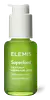
This calming essence is formulated around Aloe Barbadensis Leaf Juice and Urea to calm redness and hydrate skin.
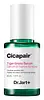
This calming serum is formulated around Niacinamide and Houttuynia Cordata Extract to calm redness and strengthen the skin barrier.


What's inside
What's inside
 Key Ingredients
Benefits
Concerns
Ingredients Side-by-side
Aloe Barbadensis Leaf Juice
Skin Conditioning


Water
Skin ConditioningPEG-8
HumectantGlycerin
Humectant

Urea
Buffering


Sodium Polyacrylate
Absorbent
PEG-40 Hydrogenated Castor Oil
Emulsifying

Trideceth-9
EmulsifyingAlpha-Glucan Oligosaccharide
Cleansing
Phenoxyethanol
Preservative
Hydroxyacetophenone
Antioxidant
Menthyl Ethylamido Oxalate
Skin ConditioningActinidia Chinensis Fruit Extract
EmollientCitrus Nobilis Fruit Extract
MaskingCucumis Sativus Fruit Extract
Emollient
Coconut Alkanes
Emollient


Disodium EDTA
ChelatingParfum
Masking


Chondrus Crispus Extract
Skin Conditioning
Propylene Glycol
Humectant
Limonene
Perfuming
Citrus Aurantium Dulcis Peel Oil
Masking
Coco-Caprylate/Caprate
Emollient
Glyceryl Acrylate/Acrylic Acid Copolymer
HumectantCitrus Aurantium Bergamia Fruit Oil
Masking
Benzyl Alcohol
Perfuming
Lithothamnion Calcareum Extract
Skin ConditioningChlorophyllin-Copper Complex
Antioxidant
Helianthus Annuus Seed Oil
Emollient
Dehydroacetic Acid
Preservative
Potassium Sorbate
Preservative
Rhizobian Gum
Sodium Hyaluronate
Humectant

Mentha Viridis Leaf Oil
Astringent
Sodium Benzoate
Masking
Citric Acid
Buffering

Chlorphenesin
Antimicrobial
Centella Asiatica Extract
Cleansing
Aloe Barbadensis Leaf Juice, Water, PEG-8, Glycerin, Urea, Sodium Polyacrylate, PEG-40 Hydrogenated Castor Oil, Trideceth-9, Alpha-Glucan Oligosaccharide, Phenoxyethanol, Hydroxyacetophenone, Menthyl Ethylamido Oxalate, Actinidia Chinensis Fruit Extract, Citrus Nobilis Fruit Extract, Cucumis Sativus Fruit Extract, Coconut Alkanes, Disodium EDTA, Parfum, Chondrus Crispus Extract, Propylene Glycol, Limonene, Citrus Aurantium Dulcis Peel Oil, Coco-Caprylate/Caprate, Glyceryl Acrylate/Acrylic Acid Copolymer, Citrus Aurantium Bergamia Fruit Oil, Benzyl Alcohol, Lithothamnion Calcareum Extract, Chlorophyllin-Copper Complex, Helianthus Annuus Seed Oil, Dehydroacetic Acid, Potassium Sorbate, Rhizobian Gum, Sodium Hyaluronate, Mentha Viridis Leaf Oil, Sodium Benzoate, Citric Acid, Chlorphenesin, Centella Asiatica Extract
Water
Skin ConditioningDipropylene Glycol
HumectantGlycerin
Humectant
Butylene Glycol
Humectant
Propanediol
Solvent
Eryngium Maritimum Callus Culture Filtrate
Skin Conditioning1,2-Hexanediol
Skin Conditioning
Niacinamide
Smoothing




Houttuynia Cordata Extract
Skin Conditioning
Ilex Aquifolium Leaf Extract
Skin ConditioningAchillea Millefolium Oil
Cleansing
Panthenol
Skin Conditioning
Chondrus Crispus Extract
Skin Conditioning
C12-14 Pareth-12
EmulsifyingSaccharum Officinarum Extract
MoisturisingStreptococcus Thermophilus Ferment
Humectant
Carbomer
Emulsion StabilisingTromethamine
BufferingMadecassoside
Antioxidant
Melia Azadirachta Leaf Extract
Skin ConditioningXanthan Gum
EmulsifyingEthylhexylglycerin
Skin ConditioningAdenosine
Skin Conditioning
Lavandula Angustifolia Oil
Masking
DNA
Skin ConditioningDisodium EDTA
ChelatingMelia Azadirachta Flower Extract
Skin ConditioningCitrus Aurantium Bergamia Fruit Oil
Masking
Asiaticoside
Antioxidant
Dextrin
AbsorbentTheobroma Cacao Extract
Skin ConditioningCentella Asiatica Leaf Extract
Skin Conditioning
Hedera Helix Extract
AntimicrobialAsiatic Acid
Skin Conditioning
Madecassic Acid
Skin Conditioning
Calcium Chloride
AstringentCentella Asiatica Extract
Cleansing
Magnesium Sulfate
Water, Dipropylene Glycol, Glycerin, Butylene Glycol, Propanediol, Eryngium Maritimum Callus Culture Filtrate, 1,2-Hexanediol, Niacinamide, Houttuynia Cordata Extract, Ilex Aquifolium Leaf Extract, Achillea Millefolium Oil, Panthenol, Chondrus Crispus Extract, C12-14 Pareth-12, Saccharum Officinarum Extract, Streptococcus Thermophilus Ferment, Carbomer, Tromethamine, Madecassoside, Melia Azadirachta Leaf Extract, Xanthan Gum, Ethylhexylglycerin, Adenosine, Lavandula Angustifolia Oil, DNA, Disodium EDTA, Melia Azadirachta Flower Extract, Citrus Aurantium Bergamia Fruit Oil, Asiaticoside, Dextrin, Theobroma Cacao Extract, Centella Asiatica Leaf Extract, Hedera Helix Extract, Asiatic Acid, Madecassic Acid, Calcium Chloride, Centella Asiatica Extract, Magnesium Sulfate
Reviews
Ingredients Explained
These ingredients are found in both products.
Ingredients higher up in an ingredient list are typically present in a larger amount.
Centella Asiatica Extract (Centella) is one of the most researched botanical extracts in skincare with decades of studies backing its effects on inflammation, collagen, and the skin barrier.
That research keeps pointing back to the same four triterpenoid saponins: Asiaticoside, Madecassoside, Asiatic Acid, and Madecassic Acid.
These compounds allow centella to dial back inflammation, encourage the skin to build and hold onto collagen, support the barrier and hydration, and bring solid antioxidant activity to protect against signs of aging.
Centella also carries a nice supporting cast of Vitamin A, vitamin C, several B vitamins, and amino acids. Put it all together and you get an ingredient that soothes, hydrates, and protects, all at once.
Most of centella's magic comes from the four big compounds (Asiaticoside, Madecassoside, Asiatic Acid, and Madecassic Acid). These are the actives doing the heavy lifting in almost every centella study.
Here is the short version of what they do in the skin:
So it is not just soothing for the sake of soothing. Centella calms the skin AND helps it rebuild.
Just FYI, not all centella on an ingredient list is the same. What you are getting actually depends on the extract:
Fun fact on the ratios: the leaves tend to be richest in Madecassoside and Asiaticoside, and lower in the two acids. The exact amounts shift with where the plant is grown and how it is processed. This means purity really does vary brand to brand.
Centella is one of the most easygoing actives out there.
It layers well with basically everything: niacinamide, hyaluronic acid, peptides, and vitamin C, and also pairs nicely with stronger actives like retinoids and exfoliating acids where it can help take the edge off irritation.
On the safety side, centella and its triterpenes are classified as weak sensitizers, meaning allergic reactions are possible but uncommon.
Patch tests at 1% and 5% came back negative in test panels, and creams at typical use levels did not cause allergic reactions across large groups of people.
But as with any new active, a patch test is still a smart move for very reactive skin.
Centella is widely used because it is effective at low percentages. For context, human safety testing found no meaningful irritation from creams containing centella extract at everyday use levels (the tested amounts were well under 1%).
The irritancy threshold in animal testing was also above 30% (so real-world formulas sit far below anything concerning).
In collagen lab studies, higher concentrations drove more collagen synthesis, so serums built around centella tend to feature it more prominently.
Bottom line: you will find centella working nicely anywhere from a fraction of a percent up to hero-ingredient levels depending on whether it is a supporting soother or the main event.
Fun fact: Centella has been used as a medicine and in food for many centuries. As a medicine, it is used to treat burns, scratches, and wounds.
Learn more about Centella Asiatica ExtractThis ingredient comes from the red seaweed that grows along the North Atlantic. It's the same alga that gives us carrageenan, the thickener in your oat milk.
The extract is mostly big sulfated sugar molecules (polysaccharides) plus some minerals and protein.
What those sugars do is simple and useful: they hold onto water and form a light film on the skin. That means they boost hydration, add a bit of slip, and leave a soft, cushiony feel.
It also helps with texture and thickness.
You'll see claims about anti-aging and "second skin" effects but those come mostly from supplier marketing.
The real research is cell-culture stuff and there's no human trial on this ingredient specifically (yet). So for now, treat it as a nice hydrator and texture helper, not an active.
Safety-wise, it's pretty solid. The Cosmetic Ingredient Review panel rated it safe as used, human sensitization tests came back negative, and it wasn't irritating in skin or eye tests.
Typical use levels are 0.5% or lower.
You'll see algae listed as a 5/5 on a lot of pore-clogging charts and that number doesn't come from anywhere; it's not in the original rabbit-ear studies that most comedogenic ratings trace back to.
The reasoning behind the reputation is that seaweed is high in iodine and iodine can trigger acne-like breakouts when eaten. This traces back to a 1976 letter in Archives of Dermatology describing two women whose breakouts cleared after they stopped taking high-dose kelp supplements orally.
And the reaction of these two women wasn't clogged pores at all: it was an iodine-triggered pustular rash. Later research found normal dietary iodine doesn't meaningfully affect acne either and nobody has shown topical algae delivers enough iodine to matter.
What we do have is dozens of brown and red algae ingredients found to be non-irritating and non-sensitizing, and a handful of studies that found algae compounds may actually help acne.
However, plenty of people do report breaking out from algae-containing products. Skin is individual and it's worth avoiding if yours has reacted to algae before.
Learn more about Chondrus Crispus ExtractCitrus Aurantium Bergamia Fruit Oil is the oil from the bergamot orange and is primarily used as a fragrance. It has a "fresh" and "bright orange" scent.
The main aroma compounds found in this ingredient are limonene (~27-52%), linalool (~2-22%), and linalyl acetate (~27-40%). These are known EU fragrance allergens.
The term 'fragrance' is not regulated in many countries. In many cases, it is up to the brand to define this term. For instance, many brands choose to label themselves as "fragrance-free" because they are not using synthetic fragrances. However, their products may still contain ingredients such as essential oils that are considered a fragrance.
When used topically, Citrus Aurantium Bergamia Fruit Oil is a photosensitizer due to the furanocoumarin content. Furanocoumarins absorb UV-A and cause phytophotodermatitis; this can look like redness, blistering, and lasting brown pigmentation on sun-exposed skin.
Due to this, this ingredient is capped at 0.4% in leave-on products applied to sun exposed skin.
Many modern formulas used a "furanocoumarin-free" version that sidesteps the phototoxicity issue, but still contains the fragrance allergens.
Learn more about Citrus Aurantium Bergamia Fruit OilDisodium EDTA is a chelating agent. It grabs onto and deactivates metal ions that sneak into your products from water, packaging, or air.
This ingredient mainly works behind the scenes and helps with:
On top of that, this ingredient can counteract the effects of hard water by binding to the minerals in it.
One thing worth knowing is that Disodium EDTA has been shown to be a mild penetration enhancer. It can help other ingredients absorb into skin more effectively which can be a double-edged sword (great for actives, but can also make the active too strong if you have sensitive skin).
Clinical patch testing showed no significant skin irritation at typical use concentrations and minimal dermal absorption.
You'll most likely see this ingredient near the end of an ingredient list. It's typically found in concentrations less than 1%.
Learn more about Disodium EDTAGlycerin (or glycerol) is a compound naturally found in your skin. It's a powerhouse humectant that pulls water into the stratum corneum.
Topically, glycerin does several things at once:
Your skin makes glycerin on its own (mostly from sebaceous oil breakdown) and shuttles it to your outermost layer of skin, or your epidermis, via aquaporin-3.
Aquaporin-3 is a transporter that is essential for normal skin hydration, elasticity, and repair. Interestingly, mice lacking in AQP3 have dry and less elastic skin that can be fully corrected with glycerin.
This ingredient is non-irritating, plays well with almost every ingredient, and works across all skin types. Typical use is anywhere between 3-10% but can go up to 79% in some leave-on products.
Just know very high concentrations (>40%) can feel tacky in low humidity.
Glycerin is the name for this ingredient in American English. British English uses Glycerol/Glycerine.
Learn more about GlycerinWater. It's the most common cosmetic ingredient of all. You'll usually see it at the top of ingredient lists, meaning that it makes up the largest part of the product.
So why is it so popular? Water most often acts as a solvent - this means that it helps dissolve other ingredients into the formulation.
You'll also recognize water as that liquid we all need to stay alive. If you see this, drink a glass of water. Remember to stay hydrated!
Learn more about Water

