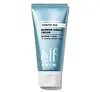
This barrier-repair moisturizer is formulated around Caprylic/Capric Triglyceride and Avena Sativa Kernel Flour to strengthen the skin barrier and hydrate skin.
This barrier-repair night moisturizer is formulated around Panthenol and Palmitoyl Tripeptide-8 to strengthen the skin barrier and hydrate skin.

What's inside
What's inside
 Key Ingredients
Benefits
Concerns
Ingredients Side-by-side
Water
Skin ConditioningDimethicone
Emollient

Caprylic/Capric Triglyceride
Masking


Glycerin
Humectant
Butylene Glycol
Humectant
Hydrogenated Polyisobutene
EmollientPropanediol
Solvent
Diisostearyl Malate
EmollientTheobroma Cacao Seed Butter
Emollient




Cetearyl Olivate
Cetyl Alcohol
Emollient
Sorbitan Olivate
Emulsifying
Aluminum Starch Octenylsuccinate
Absorbent
Avena Sativa Kernel Flour
Abrasive

Hydrogenated Coco-Glycerides
Emollient
Stearic Acid
Cleansing
Palmitic Acid
Emollient
Phenoxyethanol
Preservative
Behenyl Alcohol
Emollient
Glyceryl Stearate
Emollient
Cyclodextrin
AbsorbentBisabolol
Antioxidant


Carbomer
Emulsion StabilisingSodium Hyaluronate
Humectant

Ethylhexylglycerin
Skin ConditioningCaprylyl Glycol
Emollient
Lecithin
Emollient
Centella Asiatica Extract
Cleansing
Sodium Hydroxide
BufferingMyristyl Alcohol
Emollient
Lauryl Alcohol
Emollient
Water, Dimethicone, Caprylic/Capric Triglyceride, Glycerin, Butylene Glycol, Hydrogenated Polyisobutene, Propanediol, Diisostearyl Malate, Theobroma Cacao Seed Butter, Cetearyl Olivate, Cetyl Alcohol, Sorbitan Olivate, Aluminum Starch Octenylsuccinate, Avena Sativa Kernel Flour, Hydrogenated Coco-Glycerides, Stearic Acid, Palmitic Acid, Phenoxyethanol, Behenyl Alcohol, Glyceryl Stearate, Cyclodextrin, Bisabolol, Carbomer, Sodium Hyaluronate, Ethylhexylglycerin, Caprylyl Glycol, Lecithin, Centella Asiatica Extract, Sodium Hydroxide, Myristyl Alcohol, Lauryl Alcohol
Water
Skin ConditioningC13-15 Alkane
SolventButylene Glycol
Humectant
C15-19 Alkane
SolventCaprylic/Capric Triglyceride
Masking
Glycerin
Humectant
Trioctyldodecyl Citrate
EmollientPolyglyceryl-3 Polyricinoleate
Emulsifying
Polyglyceryl-4 Diisostearate/Polyhydroxystearate/Sebacate
Emulsifying
Isosorbide Dicaprylate
Skin ConditioningSynthetic Beeswax
Emulsion Stabilising
Disteardimonium Hectorite
StabilisingPanthenol
Skin Conditioning
Tocopherol
Antioxidant


Tocopheryl Acetate
Antioxidant
Palmitoyl Tripeptide-8
Skin Conditioning

Palmitoyl Tetrapeptide-10
Skin Conditioning
Zingiber Officinale Root Extract
Masking
Astrocaryum Murumuru Seed Butter
Emollient
Polyglutamic Acid
Skin Conditioning
Sodium Hyaluronate
Humectant
Hydrolyzed Glycosaminoglycans
HumectantBisabolol
Antioxidant
Tremella Fuciformis Polysaccharide
Emulsion Stabilising
Ceramide NP
Skin Conditioning
Hyaluronic Acid
Humectant
Hydrolyzed Hyaluronic Acid
Humectant
Caprylhydroxamic Acid
Dextran
Trisodium Ethylenediamine Disuccinate
Phenoxyethanol
Preservative
Ethylhexylglycerin
Skin ConditioningCitric Acid
Buffering
Sodium Chloride
MaskingBenzyl Alcohol
Perfuming




Water, C13-15 Alkane, Butylene Glycol, C15-19 Alkane, Caprylic/Capric Triglyceride, Glycerin, Trioctyldodecyl Citrate, Polyglyceryl-3 Polyricinoleate, Polyglyceryl-4 Diisostearate/Polyhydroxystearate/Sebacate, Isosorbide Dicaprylate, Synthetic Beeswax, Disteardimonium Hectorite, Panthenol, Tocopherol, Tocopheryl Acetate, Palmitoyl Tripeptide-8, Palmitoyl Tetrapeptide-10, Zingiber Officinale Root Extract, Astrocaryum Murumuru Seed Butter, Polyglutamic Acid, Sodium Hyaluronate, Hydrolyzed Glycosaminoglycans, Bisabolol, Tremella Fuciformis Polysaccharide, Ceramide NP, Hyaluronic Acid, Hydrolyzed Hyaluronic Acid, Caprylhydroxamic Acid, Dextran, Trisodium Ethylenediamine Disuccinate, Phenoxyethanol, Ethylhexylglycerin, Citric Acid, Sodium Chloride, Benzyl Alcohol
Reviews
Ingredients Explained
These ingredients are found in both products.
Ingredients higher up in an ingredient list are typically present in a larger amount.
Bisabolol is a gentle skin conditioner, antioxidant, and soothing ingredient.
It's primary claim to fame is soothing and research shows topically applied bisabolol can quiet the chemical messengers that cause your skin to become inflamed, helping to sooth any irritation.
A clinical study found that applying 0.5% bisabolol daily for 8 weeks produced an average 9% decrease in skin pigmentation. Researchers found it can also suppress the process that leads to excess melanin production in skin.
In vitro studies found that bisabolol combined with propylene glycol significantly increased skin permeability by increasing lipid fluidity in the stratum corneum.
You'll likely see use concentrations quite low, usually 0.1-0.2%.
Overall, this is a well-tolerated ingredient that works well in formulas designed for sensitive, reactive, or post-procedure skin.
Learn more about BisabololButylene Glycol (or BG) is used within cosmetic products for a few different reasons:
Overall, Butylene Glycol is a safe and well-rounded ingredient that works well with other ingredients.
Though this ingredient works well with most skin types, some people with sensitive skin may experience a reaction such as allergic rashes, closed comedones, or itchiness.
Learn more about Butylene GlycolCaprylic/Capric Triglyceride (aka MCT Oil) is a lightweight emollient, solvent, and texture enhancer. It is considered a skin-softener by helping to prevent moisture loss.
Though it behaves like an oil, it is not technically one due to its chemical composition. One perk of this ingredient is that it is very stable, resistant to oxidation, and unlikely to go rancid.
In practice, that translates to a long shelf life and a consistently elegant skin feel.
While there is an assumption Caprylic Triglyceride can clog pores due to it being derived from coconut oil, there is no research supporting this. Just patch test if you have concerns.
Fractionated coconut oil and MCT Oil are both listed as Caprylic/Capric Triglyceride according to INCI. This is because INCI names are based on the ingredient’s final chemical composition and not its marketing name or source.
This ingredient is treated as the gold standard fungal acne safe oil. Even though it is coconut derived, the problematic lauric acid is stripped out.
This leaves just caprylic (C8) and capric (C10) acid. These chain lengths actually trend antifungal; a 2020 study found caprylic acid was enough to disrupt Malassezia furfur cell membrane, with a caprylic acid derivative damaging membrane structures at concentrations as low as 0.2%.
Learn more about Caprylic/Capric TriglycerideEthylhexylglycerin is created from glycerin. It is a multitasker ingredient that:
The CIR Expert Panel found minimal skin absorption or sensitization of any kind in a safety assessment. Though this ingredient is considered well-tolerated, a small number of cases of allergic dermatitis have been published since 2002. Just be sure to patch test if you are unsure.
Industry-reported use ranges from 8% in rinse-off products and 2% in leave-on formulations.
Learn more about EthylhexylglycerinGlycerin (or glycerol) is a compound naturally found in your skin. It's a powerhouse humectant that pulls water into the stratum corneum.
Topically, glycerin does several things at once:
Your skin makes glycerin on its own (mostly from sebaceous oil breakdown) and shuttles it to your outermost layer of skin, or your epidermis, via aquaporin-3.
Aquaporin-3 is a transporter that is essential for normal skin hydration, elasticity, and repair. Interestingly, mice lacking in AQP3 have dry and less elastic skin that can be fully corrected with glycerin.
This ingredient is non-irritating, plays well with almost every ingredient, and works across all skin types. Typical use is anywhere between 3-10% but can go up to 79% in some leave-on products.
Just know very high concentrations (>40%) can feel tacky in low humidity.
Glycerin is the name for this ingredient in American English. British English uses Glycerol/Glycerine.
Learn more about GlycerinPhenoxyethanol is one of the most widely used preservatives in skincare (and for good reason!).
It has a large spectrum of antimicrobial activity and especially effective bacteria, yeast, and mold while only having a weak effect on your skin's natural microbiome.
On a cellular level, it disrupts the cell membranes of microbes by poking holes that make the cell leak. This shuts down the chemical reactions the microbe needs to make energy so it can no longer survive.
Another perk of this ingredient is that it stays functional across a wide pH range (3-10).
You'll often see it paired with boosters like Ethylhexylglycerin; one study showed that a 1:9 ratio of Ethylhexylglycerin to Phenoxyethanol damages bacterial membranes as effectively as doubling the Phenoxyethanol concentration on its own.
Typical use concentrations range from 0.3-1% depending on the formula, and this ingredient is capped at 1% int the EU.
Safety-wise, the fear mongering does not hold up to the evidence. The EU's Scientific Committee on Consumer Safety and FDA consider it safe as a preservative at up to 1%, including for children of all ages.
Adverse systemic effects only showed up in animal studies at exposures roughly 200x higher than what people get from cosmetics. And despite its very widespread use, this ingredient is a rare sensitizer and allergic reactions are uncommon.
Learn more about PhenoxyethanolSodium Hyaluronate is the salt form of hyaluronic acid. It is a long sugar chain that is naturally found in your skin, joints, and connective tissue that maintains hydration and elasticity.
In skincare, it works as a humectant. It pulls water from the environment and deeper layers of skin and binds it to the surface.
Interestingly, the size of the molecule affects its behavior:
Some clinical evidence links low molecular weight versions to improved wrinkle depth, elasticity, anti-inflammatory effects, and barrier repair.
Many serums use a blend of both weights so you can get surface hydration plus longer-lasting and deeper effects.
You'll typically see concentrations between 0.1-2% for this ingredient.
Learn more about Sodium HyaluronateWater. It's the most common cosmetic ingredient of all. You'll usually see it at the top of ingredient lists, meaning that it makes up the largest part of the product.
So why is it so popular? Water most often acts as a solvent - this means that it helps dissolve other ingredients into the formulation.
You'll also recognize water as that liquid we all need to stay alive. If you see this, drink a glass of water. Remember to stay hydrated!
Learn more about Water

