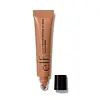
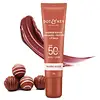
e.l.f. cosmetics Glow Reviver Melting Lip Balm Versus Dot & Key Skincare Barrier Repair Ceramide + Peptide Lip Balm SPF 50+ PA+++
This barrier-repair lip moisturizer is formulated around Simmondsia Chinensis Seed Oil and Butyrospermum Parkii Butter to strengthen the lip barrier and hydrate lips.
This barrier-repair lip moisturizer is formulated around Ricinus Communis Seed Oil and Ceramide NP to strengthen the lip barrier and hydrate lips.


What's inside
What's inside
 Key Ingredients
Benefits
Concerns
Ingredients Side-by-side
Bis-Behenyl/Isostearyl/Phytosteryl Dimer Dilinoleyl Dimer Dilinoleate
EmollientHydrogenated Polyisobutene
EmollientTridecyl Trimellitate
EmollientHydrogenated Styrene/Methylstyrene/Indene Copolymer
Diisostearyl Malate
EmollientSimmondsia Chinensis Seed Oil
Emollient





Microcrystalline Wax
Emulsion StabilisingMangifera Indica Seed Butter
Skin Conditioning
Theobroma Cacao Seed Butter
Emollient


Octyldodecanol
Emollient
Butyrospermum Parkii Butter
Skin Conditioning
Synthetic Wax
Abrasive
Polyglyceryl-2 Diisostearate
Emulsifying
Silica Dimethyl Silylate
EmollientParfum
Masking


Ethylene/Propylene/Styrene Copolymer
Limnanthes Alba Seed Oil
Skin Conditioning
Diethylhexyl Syringylidenemalonate
Skin Protecting
Disteardimonium Hectorite
StabilisingTocopherol
Antioxidant





Ethylhexylglycerin
Skin ConditioningDipotassium Glycyrrhizate
Humectant
Glyceryl Behenate
Emollient
Propylene Carbonate
SolventHelianthus Annuus Seed Oil
Emollient
Hydrolyzed Sodium Hyaluronate
Skin Conditioning
Pentaerythrityl Tetra-Di-T-Butyl Hydroxyhydrocinnamate
Antioxidant
Butylene/Ethylene/Styrene Copolymer
Caprylic/Capric Triglyceride
Masking
Benzyl Benzoate
Antimicrobial
Vanillin
Masking
CI 77492
Cosmetic ColorantCI 77891
Cosmetic ColorantCI 77491
Cosmetic ColorantCI 77499
Cosmetic ColorantCI 15850
Cosmetic ColorantBis-Behenyl/Isostearyl/Phytosteryl Dimer Dilinoleyl Dimer Dilinoleate, Hydrogenated Polyisobutene, Tridecyl Trimellitate, Hydrogenated Styrene/Methylstyrene/Indene Copolymer, Diisostearyl Malate, Simmondsia Chinensis Seed Oil, Microcrystalline Wax, Mangifera Indica Seed Butter, Theobroma Cacao Seed Butter, Octyldodecanol, Butyrospermum Parkii Butter, Synthetic Wax, Polyglyceryl-2 Diisostearate, Silica Dimethyl Silylate, Parfum, Ethylene/Propylene/Styrene Copolymer, Limnanthes Alba Seed Oil, Diethylhexyl Syringylidenemalonate, Disteardimonium Hectorite, Tocopherol, Ethylhexylglycerin, Dipotassium Glycyrrhizate, Glyceryl Behenate, Propylene Carbonate, Helianthus Annuus Seed Oil, Hydrolyzed Sodium Hyaluronate, Pentaerythrityl Tetra-Di-T-Butyl Hydroxyhydrocinnamate, Butylene/Ethylene/Styrene Copolymer, Caprylic/Capric Triglyceride, Benzyl Benzoate, Vanillin, CI 77492, CI 77891, CI 77491, CI 77499, CI 15850
Ricinus Communis Seed Oil
Masking
Bis-Diglyceryl Polyacyladipate-2
Emollient
Ethylhexyl Methoxycinnamate
UV Absorber
Diethylamino Hydroxybenzoyl Hexyl Benzoate
UV Filter
Hydrogenated Soy Polyglycerides
Skin ConditioningC15-23 Alkane
SolventHydrogenated Polyisobutene
EmollientSorbitan Olivate
Emulsifying
Ethylhexyl Triazone
UV Absorber
Colour
Laminaria Digitata Extract
Skin Protecting
Hydrogenated Lecithin
Emulsifying
Cetyl-Pg Hydroxyethyl Palmitamide
Skin ConditioningCeramide EOP
Skin Conditioning
Ceramide Ns
Skin Conditioning
Ceramide NP
Skin Conditioning
Ceramide As
Skin Conditioning
Ceramide AP
Skin Conditioning
Cholesterol
Emollient
1,2-Hexanediol
Skin Conditioning
Persea Gratissima Oil
Skin Conditioning
Water
Skin ConditioningAcetyl Hexapeptide-8
Humectant
Caprylyl Glycol
Emollient
Ascorbyl Palmitate
Antioxidant
Tocopheryl Acetate
Antioxidant
Butyrospermum Parkii Butter
Skin Conditioning
Theobroma Cacao Seed Butter
Emollient
Pentaerythrityl Tetra-Di-T-Butyl Hydroxyhydrocinnamate
Antioxidant
Sucralose
Skin ConditioningAroma
Phenoxyethanol
Preservative
Ricinus Communis Seed Oil, Bis-Diglyceryl Polyacyladipate-2, Ethylhexyl Methoxycinnamate, Diethylamino Hydroxybenzoyl Hexyl Benzoate, Hydrogenated Soy Polyglycerides, C15-23 Alkane, Hydrogenated Polyisobutene, Sorbitan Olivate, Ethylhexyl Triazone, Colour, Laminaria Digitata Extract, Hydrogenated Lecithin, Cetyl-Pg Hydroxyethyl Palmitamide, Ceramide EOP, Ceramide Ns, Ceramide NP, Ceramide As, Ceramide AP, Cholesterol, 1,2-Hexanediol, Persea Gratissima Oil, Water, Acetyl Hexapeptide-8, Caprylyl Glycol, Ascorbyl Palmitate, Tocopheryl Acetate, Butyrospermum Parkii Butter, Theobroma Cacao Seed Butter, Pentaerythrityl Tetra-Di-T-Butyl Hydroxyhydrocinnamate, Sucralose, Aroma, Phenoxyethanol
Reviews
Ingredients Explained
These ingredients are found in both products.
Ingredients higher up in an ingredient list are typically present in a larger amount.
This ingredient is also known as shea butter. It is a plant-derived extract from the nuts of the Africa shea tree and one of the most well-studied emollients.
Because it has a high concentration of fatty acids (primarily oleic, stearic, and linoleic) it is able to form a protective barrier on the skin's surface. This helps seal in moisture and prevents transepidermal water loss (TEWL).
In vitro research found an increase in skin hydration by 58% and a decrease in TEWL by 37.8% after 24 hours of applying this ingredient (pretty impressive for a single ingredient!).
Besides hydration, shea butter also contains triterpenes that have anti-inflammatory potential. In particule, lupeol cinnamate has shown the highest anti-inflammatory activity in vivo.
Shea butter also contains vitamins A and E which may contribute to antioxidant activity.
While Shea Butter has an SPF rating of about 3-4, it is not a sunscreen replacement.
This ingredient may not be fungal acne safe because its fatty acids fall within the C11-C24 range that the Malassezia yeast can metabolize.
This ingredient shows up on a lot of "pore-clogging" lists but there's no real evidence behind that. It doesn't even have a comedogenic rating from an actual study; the numbers you'll find online come from blogs citing other blogs.
Ratings for other ingredients mostly come from a 1980s rabbit ear test. This test doesn't translate well to human skin or to real products because the ingredient sits at a much lower percentage.
Some people still find it breaks them out. So if that's you, definitely trust your skin. Just know this one's based on experience and not evidence.
Learn more about Butyrospermum Parkii ButterHydrogenated Polyisobutene is a synthetic polymer. Polymers are compounds with high molecular weight. Hydrogenated Polyisobutene is an emollient and texture enhancer.
In one study, Hydrogenated Polyisobutene showed better skin hydration levels than Caprylic/Capric Triglyceride. As an emollient, it helps keep your skin soft and hydrated by trapping moisture in.
Hydrogenated Polyisobutene is often used as a mineral oil replacement.
Learn more about Hydrogenated PolyisobutenePentaerythrityl Tetra-Di-T-Butyl Hydroxyhydrocinnamate (long name, huh?) is a synthetic antioxidant.
It is used to help stabilize other antioxidants or prevent the color from changing in a product.
As an antioxidant, it helps fight free-radical molecules. Free-radical molecules are capable of damaging our cells and other genetic material. Thus, antioxidants may reduce the signs of aging.
This ingredient is oil-soluble.
Learn more about Pentaerythrityl Tetra-Di-T-Butyl HydroxyhydrocinnamateThis ingredient is also known as Cocoa butter; it's the fat pressed out of roasted cocoa beans.
Cocoa butter is solid at room temperature and melts right around body temperature, which is why it feels waxy in the jar and slippery on skin.
It has a very saturated profile (stearic acid ~34 to 36%, oleic acid ~30 to 40%, and palmitic acid ~24 to 29%) that makes it a strong occlusive: it sits on top and slows water escaping from skin.
Concentration data shows that it can show up anywhere from a few percent in lotions up to 100% in balms, and the FDA lists cocoa butter as an OTC skin protectant active at 50-100%.
The CIR has reviewed it and concluded it to be safe as used in cosmetics.
This is one of the ingredients with a comedogenic score of 4/5 from the rabbit ear test. Just know that a later human study did find that finished products containing high-comedogenic ingredients like cocoa butter did not increase microcomedone formation.
The fair call here is that this ingredient is most likely fine on body or low-percentage formulas, but can potentially be riskier as a heavy leave-on facial product if you break out easily.
Cocoa butter may not be fungal acne safe; it is a triglyceride of C16-18 fatty acids that the Malassezia yeast can metabolize.
Allergies to cocoa butter are rare and uncommon, but a few cases have been documented (mostly in cases where the person ate chocolate). So if you have a tree nut allergy, be sure to patch test or avoid.
Learn more about Theobroma Cacao Seed Butter

