This oil-based makeup remover is made to dissolve makeup, sunscreen, and daily buildup.
This oil-based makeup remover is made to dissolve makeup, sunscreen, and daily buildup.

What's inside
What's inside
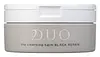 Key Ingredients
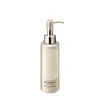
Benefits
Concerns
Ingredients Side-by-side
Ethylhexyl Palmitate
Emollient




Caprylic/Capric Triglyceride
Masking


PEG-20 Glyceryl Triisostearate
Emollient
Synthetic Wax
Abrasive
Isotridecyl Isononanoate
EmollientPEG-6 Glyceryl Isostearate
Emollient
Helianthus Annuus Seed Oil
Emollient
Stearyl Glycyrrhetinate
Skin ConditioningArgania Spinosa Kernel Oil
Emollient


Benzylsulfonyl D-Seryl Homophenylalanine Amidinobenzamide Acetate
Skin ConditioningPalmitoyl Tripeptide-5
Skin Conditioning


Charcoal Powder
Abrasive
Aspergillus/Rice Ferment Extract
HumectantLactobacillus/Grape Juice Ferment Filtrate
Skin ConditioningLactobacillus/Pear Juice Ferment Filtrate
Skin ConditioningLactobacillus/Nelumbo Nucifera Seed Ferment Filtrate
BleachingSaccharomyces/Day Lily Flower Ferment Filtrate
Skin Conditioning
Schizosaccharomyces/Fig Fruit Ferment Filtrate
Skin Conditioning
Saccharomyces/Coix Lacryma-Jobi Ma-Yuen Seed Ferment Filtrate
Skin Conditioning
Saccharomyces/Barley Seed Ferment Extract
Skin Conditioning
Saccharomyces/Hydrolyzed Stachys Affinis Tuber Ferment Filtrate
Skin Conditioning
Lactobacillus/Olive Leaf Ferment Extract
HumectantGluconobacter/Honey Ferment Filtrate
Skin ConditioningHoney Extract
Humectant
Candida Bombicola/Glucose/Methyl Rapeseedate Ferment
AntimicrobialCeramide Ng
Skin Conditioning
Ceramide AP
Skin Conditioning
Ceramide Ag
Humectant
Ceramide NP
Skin Conditioning
Ceramide EOP
Skin Conditioning
Cynara Scolymus Leaf Extract
Skin ConditioningAscorbyl Tetraisopalmitate
Antioxidant

Vaccinium Myrtillus Leaf Extract
AstringentHydroxystearic Acid
Cleansing
Silica
Abrasive
Lactobacillus/Ilex Paraguariensis Leaf Ferment Filtrate
Skin ConditioningZymomonas Ferment Extract
HumectantMaltodextrin
Absorbent
Citrus Grandis Peel Oil
Masking



Citrus Aurantifolia Oil
Cleansing
Undecane
EmollientTridecane
Perfuming
Glycine Soja Sterols
Emollient
Bis-Ethoxydiglycol Cyclohexane 1,4-Dicarboxylate
EmollientCetyl Ethylhexanoate
EmollientSilica Dimethyl Silylate
EmollientPolyglyceryl-2 Triisostearate
Emulsifying
Water
Skin ConditioningButylene Glycol
Humectant
Hydrogenated Lecithin
Emulsifying
Glycerin
Humectant
Tocopherol
Antioxidant

Citric Acid
Buffering
Polyhydroxystearic Acid
Emulsifying
Phenoxyethanol
Preservative
Sodium Hydroxide
BufferingEthylhexyl Palmitate, Caprylic/Capric Triglyceride, PEG-20 Glyceryl Triisostearate, Synthetic Wax, Isotridecyl Isononanoate, PEG-6 Glyceryl Isostearate, Helianthus Annuus Seed Oil, Stearyl Glycyrrhetinate, Argania Spinosa Kernel Oil, Benzylsulfonyl D-Seryl Homophenylalanine Amidinobenzamide Acetate, Palmitoyl Tripeptide-5, Charcoal Powder, Aspergillus/Rice Ferment Extract, Lactobacillus/Grape Juice Ferment Filtrate, Lactobacillus/Pear Juice Ferment Filtrate, Lactobacillus/Nelumbo Nucifera Seed Ferment Filtrate, Saccharomyces/Day Lily Flower Ferment Filtrate, Schizosaccharomyces/Fig Fruit Ferment Filtrate, Saccharomyces/Coix Lacryma-Jobi Ma-Yuen Seed Ferment Filtrate, Saccharomyces/Barley Seed Ferment Extract, Saccharomyces/Hydrolyzed Stachys Affinis Tuber Ferment Filtrate, Lactobacillus/Olive Leaf Ferment Extract, Gluconobacter/Honey Ferment Filtrate, Honey Extract, Candida Bombicola/Glucose/Methyl Rapeseedate Ferment, Ceramide Ng, Ceramide AP, Ceramide Ag, Ceramide NP, Ceramide EOP, Cynara Scolymus Leaf Extract, Ascorbyl Tetraisopalmitate, Vaccinium Myrtillus Leaf Extract, Hydroxystearic Acid, Silica, Lactobacillus/Ilex Paraguariensis Leaf Ferment Filtrate, Zymomonas Ferment Extract, Maltodextrin, Citrus Grandis Peel Oil, Citrus Aurantifolia Oil, Undecane, Tridecane, Glycine Soja Sterols, Bis-Ethoxydiglycol Cyclohexane 1,4-Dicarboxylate, Cetyl Ethylhexanoate, Silica Dimethyl Silylate, Polyglyceryl-2 Triisostearate, Water, Butylene Glycol, Hydrogenated Lecithin, Glycerin, Tocopherol, Citric Acid, Polyhydroxystearic Acid, Phenoxyethanol, Sodium Hydroxide
Squalane
Emollient
Caprylic/Capric Triglyceride
Masking
Isocetyl Myristate
EmollientPEG-20 Glyceryl Triisostearate
Emollient
Olea Europaea Fruit Oil
Masking
Octyldodecyl Myristate
EmollientGlyceryl Behenate/Eicosadioate
Emollient
Water
Skin ConditioningParfum
Masking
Glycine Soja Oil
Emollient
Benzyl Salicylate
Perfuming
Benzyl Benzoate
Antimicrobial
Limonene
Perfuming
Hydroxycitronellal
Perfuming
Citronellol
Perfuming
Alpha-Isomethyl Ionone
Perfuming
Tocopherol
Antioxidant
Linalool
Perfuming
Daucus Carota Sativa Root Extract
Skin Conditioning
Butylene Glycol
Humectant
Acetyl Glucosamine
Skin Conditioning
Aminobutyric Acid
Dimethoxy Di-P-Cresol
Antioxidant
Dipotassium Glycyrrhizate
Humectant
Methylserine
Skin ConditioningNiacinamide
Smoothing
Oryza Sativa Bran Extract
Skin Conditioning
Glycerin
Humectant
Pyracantha Fortuneana Fruit Extract
Skin ConditioningHydrolyzed Silk
Humectant
Prunus Yedoensis Leaf Extract
Skin ConditioningPhenoxyethanol
Preservative
Zostera Marina Extract
Skin ConditioningCynara Scolymus Leaf Extract
Skin ConditioningHydrolyzed Conchiolin Protein
Skin ConditioningDipropylene Glycol
HumectantHexamethylindanopyran
Masking
Methylcyclopentadecenone
MaskingMethyldihydrojasmonate
MaskingTetramethyl Acetyloctahydronaphthalenes
Masking
Squalane, Caprylic/Capric Triglyceride, Isocetyl Myristate, PEG-20 Glyceryl Triisostearate, Olea Europaea Fruit Oil, Octyldodecyl Myristate, Glyceryl Behenate/Eicosadioate, Water, Parfum, Glycine Soja Oil, Benzyl Salicylate, Benzyl Benzoate, Limonene, Hydroxycitronellal, Citronellol, Alpha-Isomethyl Ionone, Tocopherol, Linalool, Daucus Carota Sativa Root Extract, Butylene Glycol, Acetyl Glucosamine, Aminobutyric Acid, Dimethoxy Di-P-Cresol, Dipotassium Glycyrrhizate, Methylserine, Niacinamide, Oryza Sativa Bran Extract, Glycerin, Pyracantha Fortuneana Fruit Extract, Hydrolyzed Silk, Prunus Yedoensis Leaf Extract, Phenoxyethanol, Zostera Marina Extract, Cynara Scolymus Leaf Extract, Hydrolyzed Conchiolin Protein, Dipropylene Glycol, Hexamethylindanopyran, Methylcyclopentadecenone, Methyldihydrojasmonate, Tetramethyl Acetyloctahydronaphthalenes
Alternatives
Ingredients Explained
These ingredients are found in both products.
Ingredients higher up in an ingredient list are typically present in a larger amount.
Butylene Glycol (or BG) is used within cosmetic products for a few different reasons:
Overall, Butylene Glycol is a safe and well-rounded ingredient that works well with other ingredients.
Though this ingredient works well with most skin types, some people with sensitive skin may experience a reaction such as allergic rashes, closed comedones, or itchiness.
Learn more about Butylene GlycolCaprylic/Capric Triglyceride (aka MCT Oil) is a lightweight emollient, solvent, and texture enhancer. It is considered a skin-softener by helping to prevent moisture loss.
Though it behaves like an oil, it is not technically one due to its chemical composition. One perk of this ingredient is that it is very stable, resistant to oxidation, and unlikely to go rancid.
In practice, that translates to a long shelf life and a consistently elegant skin feel.
While there is an assumption Caprylic Triglyceride can clog pores due to it being derived from coconut oil, there is no research supporting this. Just patch test if you have concerns.
Fractionated coconut oil and MCT Oil are both listed as Caprylic/Capric Triglyceride according to INCI. This is because INCI names are based on the ingredient’s final chemical composition and not its marketing name or source.
This ingredient is treated as the gold standard fungal acne safe oil. Even though it is coconut derived, the problematic lauric acid is stripped out.
This leaves just caprylic (C8) and capric (C10) acid. These chain lengths actually trend antifungal; a 2020 study found caprylic acid was enough to disrupt Malassezia furfur cell membrane, with a caprylic acid derivative damaging membrane structures at concentrations as low as 0.2%.
Learn more about Caprylic/Capric TriglycerideThis ingredient is also known as artichoke leaf extract. Artichokes are a Mediterranean plant rich in antioxidants, vitamins, and minerals.
A 28-day manufacturer study with 22 women found:
Participants reported visible improvement and good tolerance.
Learn more about Cynara Scolymus Leaf ExtractGlycerin (or glycerol) is a compound naturally found in your skin. It's a powerhouse humectant that pulls water into the stratum corneum.
Topically, glycerin does several things at once:
Your skin makes glycerin on its own (mostly from sebaceous oil breakdown) and shuttles it to your outermost layer of skin, or your epidermis, via aquaporin-3.
Aquaporin-3 is a transporter that is essential for normal skin hydration, elasticity, and repair. Interestingly, mice lacking in AQP3 have dry and less elastic skin that can be fully corrected with glycerin.
This ingredient is non-irritating, plays well with almost every ingredient, and works across all skin types. Typical use is anywhere between 3-10% but can go up to 79% in some leave-on products.
Just know very high concentrations (>40%) can feel tacky in low humidity.
Glycerin is the name for this ingredient in American English. British English uses Glycerol/Glycerine.
Learn more about GlycerinPEG-20 Glyceryl Triisostearate is a synthetic, oil-loving helper ingredient that does two jobs:
This ingredient is made by joining three building blocks: PEG, Isostearic Acid and glycerin. The PEG gives it the oil-and-water blending power.
This ingredient has been found safe for use in cosmetics and broader PEG family testing shows minimal irritation/sensitization. The molecule's large size also means it isn't expected to penetrate skin to any meaningful degree.
Fungal acne note: This ingredient may not be fungal acne safe due to isostearic acid (C18). Isostearic acid falls into the C11-24 range that Malassezia can feed on.
Learn more about PEG-20 Glyceryl TriisostearatePhenoxyethanol is one of the most widely used preservatives in skincare (and for good reason!).
It has a large spectrum of antimicrobial activity and especially effective bacteria, yeast, and mold while only having a weak effect on your skin's natural microbiome.
On a cellular level, it disrupts the cell membranes of microbes by poking holes that make the cell leak. This shuts down the chemical reactions the microbe needs to make energy so it can no longer survive.
Another perk of this ingredient is that it stays functional across a wide pH range (3-10).
You'll often see it paired with boosters like Ethylhexylglycerin; one study showed that a 1:9 ratio of Ethylhexylglycerin to Phenoxyethanol damages bacterial membranes as effectively as doubling the Phenoxyethanol concentration on its own.
Typical use concentrations range from 0.3-1% depending on the formula, and this ingredient is capped at 1% int the EU.
Safety-wise, the fear mongering does not hold up to the evidence. The EU's Scientific Committee on Consumer Safety and FDA consider it safe as a preservative at up to 1%, including for children of all ages.
Adverse systemic effects only showed up in animal studies at exposures roughly 200x higher than what people get from cosmetics. And despite its very widespread use, this ingredient is a rare sensitizer and allergic reactions are uncommon.
Learn more about PhenoxyethanolTocopherol is a fat-soluble antioxidant known as Vitamin E.
You'll find this ingredient in the vast majority of skincare (for good reason). It works to neutralize free radicals, or unstable molecules generated by UV exposure, pollution, and other environmental stressors, before they can cause oxidative damage to your skin cells.
Topically applied tocopherol has been shown to protect against UV damage by ramping up the skin's own natural defense enzymes.
It also acts as a skin conditioning agent; some studies show that regular topical use can improve the skin's water-binding capacity over 2-4 weeks.
This ingredient is especially loved for being a team player. When combined with Vitamin C, the photoprotective effect of both ingredients roughly doubles and the combo also helps reduce UV-induced DNA damage.
This ingredient has some brightening potential but it's more of a prevention ingredient than spot-fader. Cell studies show it can slow down melanin production but it's worth noting that it's not the most powerful brightener out there.
In formulations, it also serves as a stabilizer that helps protect other oxidation-prone ingredients from degrading.
Concentrations usually range from 0.1-1% in most leave-on products.
Learn more about TocopherolWater. It's the most common cosmetic ingredient of all. You'll usually see it at the top of ingredient lists, meaning that it makes up the largest part of the product.
So why is it so popular? Water most often acts as a solvent - this means that it helps dissolve other ingredients into the formulation.
You'll also recognize water as that liquid we all need to stay alive. If you see this, drink a glass of water. Remember to stay hydrated!
Learn more about Water


