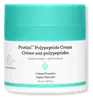
This anti-aging moisturizer is formulated around Sclerocarya Birrea Seed Oil and Sh-Oligopeptide-1 to soften the look of wrinkles and hydrate skin.
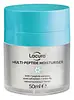
This anti-aging moisturizer is formulated around Sh-Oligopeptide-1 and Sh-Polypeptide-11 to soften the look of wrinkles.


What's inside
What's inside
 Key Ingredients
Benefits
Concerns
Ingredients Side-by-side
Water
Skin ConditioningDicaprylyl Carbonate
EmollientGlycerin
Humectant


Cetearyl Alcohol
Emollient






Cetearyl Olivate
Sorbitan Olivate
Emulsifying
Sclerocarya Birrea Seed Oil
Humectant
Bacillus/Folic Acid Ferment Filtrate Extract
Antioxidant
Nymphaea Alba Root Extract
Skin ConditioningSh-Oligopeptide-1
Skin Conditioning

Sh-Oligopeptide-2
Skin Conditioning
Sh-Polypeptide-1
Skin Conditioning
Sh-Polypeptide-9
Skin Conditioning
Sh-Polypeptide-11
Copper Palmitoyl Heptapeptide-14
Skin Conditioning
Heptapeptide-15 Palmitate
Skin Conditioning
Palmitoyl Tetrapeptide-7
Skin Conditioning
Palmitoyl Tripeptide-1
Skin Conditioning
Alanine
Masking
Arginine
Masking
Glycine
Buffering
Histidine
Humectant
Isoleucine
Skin ConditioningPhenylalanine
Masking
Proline
Skin Conditioning
Serine
Masking
Threonine
Valine
MaskingAcetyl Glutamine
Skin ConditioningCoconut Alkanes
Emollient
Coco-Caprylate/Caprate
Emollient
Sodium Hyaluronate
Humectant

Aspartic Acid
Masking
Linoleic Acid
Cleansing

Linolenic Acid
Cleansing

Lecithin
Emollient
Butylene Glycol
Humectant
Polyvinyl Alcohol
Sodium Lactate
Buffering
Sodium PCA
Humectant
PCA
Humectant
Sorbitan Isostearate
Emulsifying
Carbomer
Emulsion StabilisingPolysorbate 20
Emulsifying
Polysorbate 60
Emulsifying
Lactic Acid/Glycolic Acid Copolymer
Skin ConditioningHydroxyethyl Acrylate/Sodium Acryloyldimethyl Taurate Copolymer
Emulsion StabilisingXanthan Gum
EmulsifyingIsomalt
Humectant1,2-Hexanediol
Skin Conditioning
Caprylyl Glycol
Emollient
Chlorphenesin
Antimicrobial
Phenoxyethanol
Preservative
Tocopherol
Antioxidant

Sodium Benzoate
Masking
Phenylpropanol
Masking
Glyceryl Caprylate
EmollientSymphytum Officinale Callus Culture Extract
Skin ConditioningWater, Dicaprylyl Carbonate, Glycerin, Cetearyl Alcohol, Cetearyl Olivate, Sorbitan Olivate, Sclerocarya Birrea Seed Oil, Bacillus/Folic Acid Ferment Filtrate Extract, Nymphaea Alba Root Extract, Sh-Oligopeptide-1, Sh-Oligopeptide-2, Sh-Polypeptide-1, Sh-Polypeptide-9, Sh-Polypeptide-11, Copper Palmitoyl Heptapeptide-14, Heptapeptide-15 Palmitate, Palmitoyl Tetrapeptide-7, Palmitoyl Tripeptide-1, Alanine, Arginine, Glycine, Histidine, Isoleucine, Phenylalanine, Proline, Serine, Threonine, Valine, Acetyl Glutamine, Coconut Alkanes, Coco-Caprylate/Caprate, Sodium Hyaluronate, Aspartic Acid, Linoleic Acid, Linolenic Acid, Lecithin, Butylene Glycol, Polyvinyl Alcohol, Sodium Lactate, Sodium PCA, PCA, Sorbitan Isostearate, Carbomer, Polysorbate 20, Polysorbate 60, Lactic Acid/Glycolic Acid Copolymer, Hydroxyethyl Acrylate/Sodium Acryloyldimethyl Taurate Copolymer, Xanthan Gum, Isomalt, 1,2-Hexanediol, Caprylyl Glycol, Chlorphenesin, Phenoxyethanol, Tocopherol, Sodium Benzoate, Phenylpropanol, Glyceryl Caprylate, Symphytum Officinale Callus Culture Extract
Water
Skin ConditioningButylene Glycol
Humectant
Glycerin
Humectant
Hydrogenated Polyisobutene
EmollientC15-19 Alkane
SolventAluminum Starch Octenylsuccinate
Absorbent
Polyacrylamide
Phenoxyethanol
Preservative
Hydrogenated Poly(C6-14 Olefin)
EmollientC13-14 Isoparaffin
Emollient
Isomalt
HumectantCaprylyl Glycol
Emollient
Carbomer
Emulsion StabilisingSodium Hydroxide
BufferingSodium Hyaluronate
Humectant
Laureth-7
EmulsifyingDisodium EDTA
ChelatingTocopheryl Acetate
Antioxidant
Nymphaea Alba Flower Extract
Skin ConditioningLecithin
Emollient
Lauroyl Lysine
Skin Conditioning
1,2-Hexanediol
Skin Conditioning
Acetyl Glutamine
Skin ConditioningBacillus/Folic Acid Ferment Filtrate Extract
Antioxidant
Sh-Oligopeptide-1
Skin Conditioning
Sh-Oligopeptide-2
Skin Conditioning
Sh-Polypeptide-1
Skin Conditioning
Sh-Polypeptide-11
Sh-Polypeptide-9
Skin Conditioning
Symphytum Officinale Callus Culture Extract
Skin ConditioningSodium Benzoate
Masking
Lactic Acid/Glycolic Acid Copolymer
Skin ConditioningPolyvinyl Alcohol
Copper Palmitoyl Heptapeptide-14
Skin Conditioning
Heptapeptide-15 Palmitate
Skin Conditioning
Water, Butylene Glycol, Glycerin, Hydrogenated Polyisobutene, C15-19 Alkane, Aluminum Starch Octenylsuccinate, Polyacrylamide, Phenoxyethanol, Hydrogenated Poly(C6-14 Olefin), C13-14 Isoparaffin, Isomalt, Caprylyl Glycol, Carbomer, Sodium Hydroxide, Sodium Hyaluronate, Laureth-7, Disodium EDTA, Tocopheryl Acetate, Nymphaea Alba Flower Extract, Lecithin, Lauroyl Lysine, 1,2-Hexanediol, Acetyl Glutamine, Bacillus/Folic Acid Ferment Filtrate Extract, Sh-Oligopeptide-1, Sh-Oligopeptide-2, Sh-Polypeptide-1, Sh-Polypeptide-11, Sh-Polypeptide-9, Symphytum Officinale Callus Culture Extract, Sodium Benzoate, Lactic Acid/Glycolic Acid Copolymer, Polyvinyl Alcohol, Copper Palmitoyl Heptapeptide-14, Heptapeptide-15 Palmitate
Reviews
Ingredients Explained
These ingredients are found in both products.
Ingredients higher up in an ingredient list are typically present in a larger amount.
1,2-Hexanediol is a synthetic liquid and another multi-functional powerhouse.
It is a:
- Humectant, drawing moisture into the skin
- Emollient, helping to soften skin
- Solvent, dispersing and stabilizing formulas
- Preservative booster, enhancing the antimicrobial activity of other preservatives
We don't have a description for Acetyl Glutamine yet.
Bacillus/Folic Acid Ferment Filtrate Extract is an antioxidant.
Butylene Glycol (or BG) is used within cosmetic products for a few different reasons:
Overall, Butylene Glycol is a safe and well-rounded ingredient that works well with other ingredients.
Though this ingredient works well with most skin types, some people with sensitive skin may experience a reaction such as allergic rashes, closed comedones, or itchiness.
Learn more about Butylene GlycolCaprylyl Glycol is a humectant, skin conditioner, emollient, and preservative booster derived from either caprylic acid or synthetically created.
Typical use levels vary from 0.3-1% as a preservative booster and go up to 2% to condition skin.
Because it is not a free-fatty acid, this ingredient is fungal acne safe (there's nothing for Malassezia to feed on).
Learn more about Caprylyl GlycolCarbomer is a synthetic thickening and gelling agent. It's basically the ingredient that gives a lot of serums, gels, creams, and sunscreens their smooth, non-sticky texture.
Although legally permitted at very high levels, carbomers are normally used at concentrations below 1%.
It also needs to be neutralized to actually thicken, and because it is a large molecule, it doesn't really penetrate the skin barrier.
Allergy-wise, the risk is very low. Clinical studies show carbomers have low potential for skin irritation/sensitization even at concentrations up to 100%.
A 2024 UK study patch-tested 1,302 patients and found true allergy to the parent group of carbomer to be rare with no confirmed relevant reactions.
Learn more about CarbomerThis peptide is the copper salt and formed by reacting palmitic acid and heptapeptide-14.
This uses a high-tech delivery system called The Cosmetic Drone, where the peptide is enclosed in a shell made from Lactic Acid/Glycolic Acid Copolymer and Polyvinyl Alcohol. Another peptide on the outside guides the capsule to fibroblast cells, the collagen-producing cells in the skin.
Once it reaches the fibroblasts, Copper Palmitoyl Heptapeptide-14 boosts the production of collagen and elastin.
This advanced system works at an incredibly low concentration of just 0.001%.
Learn more about Copper Palmitoyl Heptapeptide-14Glycerin (or glycerol) is a compound naturally found in your skin. It's a powerhouse humectant that pulls water into the stratum corneum.
Topically, glycerin does several things at once:
Your skin makes glycerin on its own (mostly from sebaceous oil breakdown) and shuttles it to your outermost layer of skin, or your epidermis, via aquaporin-3.
Aquaporin-3 is a transporter that is essential for normal skin hydration, elasticity, and repair. Interestingly, mice lacking in AQP3 have dry and less elastic skin that can be fully corrected with glycerin.
This ingredient is non-irritating, plays well with almost every ingredient, and works across all skin types. Typical use is anywhere between 3-10% but can go up to 79% in some leave-on products.
Just know very high concentrations (>40%) can feel tacky in low humidity.
Glycerin is the name for this ingredient in American English. British English uses Glycerol/Glycerine.
Learn more about GlycerinHeptapeptide-15 Palmitate is a synthetic targeting peptide. It's made up of seven amino acids with a palmitic acid tail attached.
This fatty acid attachment increases the molecule's hydrophobicity, improves stability, reduces enzyme degradation, and enhances its ability to cross the skin's lipid barrier (this is a common challenge for peptides).
As a targeting peptide, it sits on the outer shell of an encapsulated ingredient system and seeks out receptors on collagen and elastin producing cells in skin.
Once it binds, the cell internalizes the capsule and releases the active payload inside; it essentially acts as a GPS guiding ingredients to the right place.
It also mimicks the skin's natural growth factors to support skin firmness by upping production of collagen, elastin, glycosaminoglycans (GAGs).
Most of the evidence for this ingredient comes from manufacturer in vitro data, so independent clinical trials are still limited. However, the underlying mechanism is well-supported by the broader cosmetic peptide literature.
Fungal acne note:
Usually a palmitic acid component can feed Malassezia in unbound form, but here is is covalently bonded to the peptide. This means it is very difficult for Malassezia to access, and therefore very unlikely to cause fungal acne.
We don't have a description for Isomalt yet.
This ingredient is a combination of two AHAs, lactic acid and glycolic acid. It has exfoliating properties
Lecithin is a term for a group of substances found in the cell membranes of plants, animals, and humans. They are made up of phospholipids.
Thanks to its amphiphilic structure (water-loving head and oil-loving tail), it is a true multitasker:
It plays well with most ingredients and is typically used at 0.1-1%. However, concentrations up to 50% have been reported in moisturizers.
Learn more about LecithinPhenoxyethanol is one of the most widely used preservatives in skincare (and for good reason!).
It has a large spectrum of antimicrobial activity and especially effective bacteria, yeast, and mold while only having a weak effect on your skin's natural microbiome.
On a cellular level, it disrupts the cell membranes of microbes by poking holes that make the cell leak. This shuts down the chemical reactions the microbe needs to make energy so it can no longer survive.
Another perk of this ingredient is that it stays functional across a wide pH range (3-10).
You'll often see it paired with boosters like Ethylhexylglycerin; one study showed that a 1:9 ratio of Ethylhexylglycerin to Phenoxyethanol damages bacterial membranes as effectively as doubling the Phenoxyethanol concentration on its own.
Typical use concentrations range from 0.3-1% depending on the formula, and this ingredient is capped at 1% int the EU.
Safety-wise, the fear mongering does not hold up to the evidence. The EU's Scientific Committee on Consumer Safety and FDA consider it safe as a preservative at up to 1%, including for children of all ages.
Adverse systemic effects only showed up in animal studies at exposures roughly 200x higher than what people get from cosmetics. And despite its very widespread use, this ingredient is a rare sensitizer and allergic reactions are uncommon.
Learn more about PhenoxyethanolWe don't have a description for Polyvinyl Alcohol yet.
sh-Oligopeptide-1 is a peptide found naturally in our bodies. Peptides are the building blocks for collagen and elastin in our skin.
In cosmetics, this ingredient is bioengineered to be identical to a human gene that codes for epidermal growth factor (EGF). EGF are signal molecules that simulate cell growth and healing.
Studies find EGF help with:
In South Korea and China, EGF is considered a controversial ingredient. The South Korean Ministry of Food and Drug Safety has cracked down on companies with products including EGF due to false advertisement claims.
According to Dr. Zoe Draelos, growth factors have some drawbacks:
There is also controversy surrounding growth factors. The controversy is due to their mitogenic activity, or their ability to increase the number of cells. It is best to avoid using growth factors if you have psoriasis or are at risk of skin cancer. However, it should be noted EGF are not mutagenic - meaning they will not cause cancer.
Learn more about Sh-Oligopeptide-1This peptide has similar properties to Sh-Oligopeptide-1.
In cosmetics, this ingredient is bioengineered to be identical to a human gene that codes for epidermal growth factor (EGF). EGF are signal molecules that simulate cell growth and healing.
There is also controversy surrounding EGF. The controversy is due to their mitogenic activity, or their ability to increase the number of cells. It is best to avoid using growth factors if you have psoriasis or are at risk of skin cancer. However, it should be noted EGF are not mutagenic - meaning they will not cause cancer.
Learn more about Sh-Oligopeptide-2Sh-Polypeptide-1 is a signal peptide that tells our cells to create more fibroblast cells. Fibroblasts maintain skin structure and plays a role in wound healing.
It is important to note this ingredient is mitogenic and not mutagenic. Meaning it will stimulate cell multiplication, and will not cause cancer.
Sh-Polypeptide-11 is a signal protein that tells our skin to create more fibroblast cells. Fibroblasts maintain skin structure and plays a role in wound healing.
It is important to note this ingredient is mitogenic and not mutagenic. Meaning it will stimulate cell multiplication, and will not cause cancer.
Sh-Polypeptide-9 is a signal peptide that tells our body to create more blood vessels.
It is important to note, this ingredient is mitogenic and not mutagenic. Meaning it will stimulate cell multiplication, and will not cause cancer.
Sodium Benzoate is a preservative. It's used in both cosmetic and food products to inhibit the growth of mold and bacteria. It is typically produced synthetically.
Both the US FDA and EU Health Committee have approved the use of sodium benzoate. In the US, levels of 0.1% (of the total product) are allowed.
Sodium benzoate works as a preservative by inhibiting the growth of bacteria inside of cells. It prevents the cell from fermenting a type of sugar using an enzyme called phosphofructokinase.
It is the salt of benzoic acid. Foods containing sodium benzoate include soda, salad dressings, condiments, fruit juices, wines, and snack foods.
Studies for using ascorbic acid and sodium benzoate in cosmetics are lacking, especially in skincare routines with multiple steps.
We always recommend speaking with a professional, such as a dermatologist, if you have any concerns.
Learn more about Sodium BenzoateSodium Hyaluronate is the salt form of hyaluronic acid. It is a long sugar chain that is naturally found in your skin, joints, and connective tissue that maintains hydration and elasticity.
In skincare, it works as a humectant. It pulls water from the environment and deeper layers of skin and binds it to the surface.
Interestingly, the size of the molecule affects its behavior:
Some clinical evidence links low molecular weight versions to improved wrinkle depth, elasticity, anti-inflammatory effects, and barrier repair.
Many serums use a blend of both weights so you can get surface hydration plus longer-lasting and deeper effects.
You'll typically see concentrations between 0.1-2% for this ingredient.
Learn more about Sodium HyaluronateThis ingredient is also known as Comfrey Callus Culture Extract.
Water. It's the most common cosmetic ingredient of all. You'll usually see it at the top of ingredient lists, meaning that it makes up the largest part of the product.
So why is it so popular? Water most often acts as a solvent - this means that it helps dissolve other ingredients into the formulation.
You'll also recognize water as that liquid we all need to stay alive. If you see this, drink a glass of water. Remember to stay hydrated!
Learn more about Water

