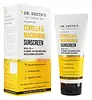
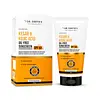
Dr. Sheth's Centella & Niacinamide Sunscreen SPF50 Versus Dr. Sheth's Kesar And Kojic Acid Oil-Free Sunscreen SPF 50+
This hybrid sunscreen covers the full UV range and blocks ~98% of UVB at SPF 50.
This chemical sunscreen covers the full UV range and blocks ~98% of UVB at SPF 50.

What's inside
What's inside
 Key Ingredients
Benefits
Concerns
Ingredients Side-by-side
Cyclopentasiloxane
Emollient
Dimethicone/Vinyl Dimethicone Crosspolymer
Skin Conditioning
Ethylhexyl Methoxycinnamate
UV Absorber


Caprylyl Methicone
Skin Conditioning
PEG-12 Dimethicone/PPG-20 Crosspolymer
C12-15 Alkyl Benzoate
AntimicrobialZinc Oxide
Cosmetic Colorant
Triethoxycaprylylsilane
Diethylhexyl Butamido Triazone
UV Absorber
Diethylamino Hydroxybenzoyl Hexyl Benzoate
UV Filter
Niacinamide
Smoothing










Tapioca Starch
Polymethylsilsesquioxane
Titanium Dioxide
Cosmetic Colorant
Alumina
Abrasive
Simethicone
Emollient
Bis-Ethylhexyloxyphenol Methoxyphenyl Triazine
UV Absorber
Dicaprylyl Carbonate
EmollientCentella Asiatica Extract
Cleansing
Diethylhexyl Syringylidenemalonate
Skin Protecting
Caprylic/Capric Triglyceride
Masking

Cyclopentasiloxane, Dimethicone/Vinyl Dimethicone Crosspolymer, Ethylhexyl Methoxycinnamate, Caprylyl Methicone, PEG-12 Dimethicone/PPG-20 Crosspolymer, C12-15 Alkyl Benzoate, Zinc Oxide, Triethoxycaprylylsilane, Diethylhexyl Butamido Triazone, Diethylamino Hydroxybenzoyl Hexyl Benzoate, Niacinamide, Tapioca Starch, Polymethylsilsesquioxane, Titanium Dioxide, Alumina, Simethicone, Bis-Ethylhexyloxyphenol Methoxyphenyl Triazine, Dicaprylyl Carbonate, Centella Asiatica Extract, Diethylhexyl Syringylidenemalonate, Caprylic/Capric Triglyceride
Water
Skin ConditioningPropylene Glycol
Humectant

Terephthalylidene Dicamphor Sulfonic Acid
UV Absorber
Butyl Methoxydibenzoylmethane
UV Absorber
Glycerin
Humectant
Phenylbenzimidazole Sulfonic Acid
UV Absorber
Triethanolamine
BufferingEthylhexyl Methoxycinnamate
UV Absorber
Caprylic/Capric Triglyceride
Masking
Crocus Sativus Flower Extract
MaskingIsododecane
EmollientTapioca Starch
Ammonium Acryloyldimethyltaurate/Vp Copolymer
Ethylhexyl Salicylate
UV Absorber
Cyclopentasiloxane
Emollient
Methylene Bis-Benzotriazolyl Tetramethylbutylphenol
UV Filter
Decyl Glucoside
Cleansing
Xanthan Gum
EmulsifyingKojic Acid
Antioxidant

Niacinamide
Smoothing
Dicaprylyl Carbonate
EmollientPolyester-7
Skin ConditioningNeopentyl Glycol Diheptanoate
EmollientCetearyl Olivate

Sorbitan Olivate
Emulsifying
Cetearyl Alcohol
Emollient


Ceteareth-20
Cleansing
Xylitylglucoside
Humectant
Anhydroxylitol
Humectant
Xylitol
Humectant
Phenoxyethanol
Preservative
Ethylhexylglycerin
Skin ConditioningDimethicone
Emollient
Panthenol
Skin Conditioning
Glyceryl Stearate
Emollient
Sodium Polyacrylate
Absorbent
Hyaluronic Acid
Humectant
3-O-Ethyl Ascorbic Acid
Skin Conditioning
Aloe Barbadensis Leaf Extract
Emollient
Glycyrrhiza Glabra Root Extract
Bleaching
Chamomilla Recutita Flower Extract
Masking
Allantoin
Skin Conditioning
Sodium Gluconate
ChelatingBHT
Antioxidant
Tocopheryl Acetate
Antioxidant
Water, Propylene Glycol, Terephthalylidene Dicamphor Sulfonic Acid, Butyl Methoxydibenzoylmethane, Glycerin, Phenylbenzimidazole Sulfonic Acid, Triethanolamine, Ethylhexyl Methoxycinnamate, Caprylic/Capric Triglyceride, Crocus Sativus Flower Extract, Isododecane, Tapioca Starch, Ammonium Acryloyldimethyltaurate/Vp Copolymer, Ethylhexyl Salicylate, Cyclopentasiloxane, Methylene Bis-Benzotriazolyl Tetramethylbutylphenol, Decyl Glucoside, Xanthan Gum, Kojic Acid, Niacinamide, Dicaprylyl Carbonate, Polyester-7, Neopentyl Glycol Diheptanoate, Cetearyl Olivate, Sorbitan Olivate, Cetearyl Alcohol, Ceteareth-20, Xylitylglucoside, Anhydroxylitol, Xylitol, Phenoxyethanol, Ethylhexylglycerin, Dimethicone, Panthenol, Glyceryl Stearate, Sodium Polyacrylate, Hyaluronic Acid, 3-O-Ethyl Ascorbic Acid, Aloe Barbadensis Leaf Extract, Glycyrrhiza Glabra Root Extract, Chamomilla Recutita Flower Extract, Allantoin, Sodium Gluconate, BHT, Tocopheryl Acetate
Reviews
Ingredients Explained
These ingredients are found in both products.
Ingredients higher up in an ingredient list are typically present in a larger amount.
Caprylic/Capric Triglyceride (aka MCT Oil) is a lightweight emollient, solvent, and texture enhancer. It is considered a skin-softener by helping to prevent moisture loss.
Though it behaves like an oil, it is not technically one due to its chemical composition. One perk of this ingredient is that it is very stable, resistant to oxidation, and unlikely to go rancid.
In practice, that translates to a long shelf life and a consistently elegant skin feel.
While there is an assumption Caprylic Triglyceride can clog pores due to it being derived from coconut oil, there is no research supporting this. Just patch test if you have concerns.
Fractionated coconut oil and MCT Oil are both listed as Caprylic/Capric Triglyceride according to INCI. This is because INCI names are based on the ingredient’s final chemical composition and not its marketing name or source.
This ingredient is treated as the gold standard fungal acne safe oil. Even though it is coconut derived, the problematic lauric acid is stripped out.
This leaves just caprylic (C8) and capric (C10) acid. These chain lengths actually trend antifungal; a 2020 study found caprylic acid was enough to disrupt Malassezia furfur cell membrane, with a caprylic acid derivative damaging membrane structures at concentrations as low as 0.2%.
Learn more about Caprylic/Capric TriglycerideCyclopentasiloxane (D5) is a lightweight silicone that mostly acts as an emollient and solvent in cosmetics. Its the reason your products feel silky, fast-spreading, and non-greasy.
Since D5 is volatile, it does its thing and then evaporates off the skin quickly.
The safety profile of this ingredient is reassuring; the US CIR Expert Panel concluded D5 is safe as used in cosmetics and Health Canada concluded that D5 is not harmful to human health or the environment as currently used in cosmetics
There's a study that people mention about D5 in a rat study showing tumors. This study is related to long-term inhalation of high D5 levels.
Regulatory bodies have judged this study to be not applicable in topical skincare since skin absorption of D5 is very low and we're not really inhaling huge amounts of D5.
The only restriction for this ingredient is environmental. The European Chemicals Agency (ECHA) restricted D5 in wash-off cosmetics at or above 0.1% due to their persistence in water.
Learn more about CyclopentasiloxaneDicaprylyl Carbonate comes from carbonic acid and caprylyl alcohol, a fatty alcohol. It is an emollient and gives skin a velvet feel. The sources of Dicaprylyl Carbonate may be synthetic or from animals.
As an emollient, Dicaprylyl Carbonate creates a film on the skin. This film traps moisture in, keeping your skin soft and hydrated.
This ingredient is also known as Octinoxate and is one of the oldest and most widely used chemical UV filters in skincare.
It has a simple job: soap up UVB radiation (290-320 nm), the wavelengths responsible for sunburn and a big chunk of long-term sun damage.
In formulas, it's always paired with a separate UVA filter because octinoxate solely protects skin from UVB.
Because it's an oil-soluble liquid, it's easy to blend into the oil phase of lotions/creams and gives a cosmetically elegant feel.
The one quirk about formulating this ingredient is photostability; the molecule slowly changes shape into a less effective version when sunlight hits it. So the longer you're in the sun, the weaker its protection gets. The drop can be more than 30% in some formulas.
It also doesn't play nice with Avobenzone (the common UVA filter) since avobenzone destabilizes octinoxate and the two degrade each other. But don't worry: brands have solved this issue by adding photostabilizers like Tinosorb S to prevent degradation and keep SPF stable under heavy UV exposure.
The maximum allowed level is 10% in the EU and Australia, 7.5% in the US and Canada, and 20% in Japan.
The Cosmetic Ingredient Review Panel has concluded this ingredient to be safe in cosmetics up to 10%.
One last thing worth knowing for context:
Octinoxate has been the subject of ongoing review in Europe where the Scientific Committee on Consumer Safety's (SCCS) 2025 final opinion is that this ingredient is an endocrine-active substance.
Lab and animal studies suggest it can act a bit like a hormone in the body (mildly mimicking estrogen and slightly blocking male hormones). It's important to know this hasn't really been shown to happen in everyday human use.
This ingredient is also banned in Hawaii over coral reef concerns.
Learn more about Ethylhexyl MethoxycinnamateNiacinamide is a multitasking form of vitamin B3 that strengthens the skin barrier, reduces pores and dark spots, regulates oil, and improves signs of aging.
And the best part? It's gentle and well-tolerated by most skin types, including sensitive and reactive skin.
You might have heard of "niacin flush", or the reddening of skin that causes itchiness. Niacinamide has not been found to cause this.
In very rare cases, some individuals may not be able to tolerate niacinamide at all or experience an allergic reaction to it.
If you are experiencing flaking, irritation, and dryness with this ingredient, be sure to double check all your products as this ingredient can be found in all categories of skincare.
When incorporating niacinamide into your routine, look out for concentration amounts. Typically, 5% niacinamide provides benefits such as fading dark spots. However, if you have sensitive skin, it is better to begin with a smaller concentration.
When you apply niacinamide to your skin, your body converts it into nicotinamide adenine dinucleotide (NAD). NAD is an essential coenzyme that is already found in your cells as "fuel" and powers countless biological processes.
In your skin, NAD helps repair cell damage, produce new healthy cells, support collagen production, strengthen the skin barrier, and fight environmental stressors (like UV and pollution).
Our natural NAD levels start to decline with age, leading to slower skin repair, visible aging, and a weaker skin barrier. By providing your skin niacinamide, you're recharging your skin's NAD levels. This leads to stronger, healthier, and younger looking skin.
Another name for vitamin B3 is nicotinamide. This vitamin is water-soluble and our bodies don't store it. We obtain Vitamin B3 from either food or skincare. Meat, fish, wheat, yeast, and leafy greens contain vitamin B3.
The type of niacinamide used in skincare is synthetically created.
Learn more about NiacinamideTapioca starch is a thickening agent and is made from the cassava root, also known as yucca.
According to a manufacturer, it is an excellent talc replacement.
It is gluten-free.
Learn more about Tapioca Starch

