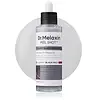
This smoothing ampoule is formulated around Gluconolactone and Salicylic Acid to refine skin texture and brighten dull-looking skin.

What's inside
What's inside
 Key Ingredients
Benefits
Concerns
Ingredients Side-by-side
Oryza Sativa Bran Water
Masking
Dipropylene Glycol
HumectantWater
Skin ConditioningTripropylene Glycol
Antioxidant
Cellulose
Absorbent
Propanediol
Solvent

Butylene Glycol
Humectant
Glycerin
Humectant
Carbomer
Emulsion Stabilising1,2-Hexanediol
Skin Conditioning
Steartrimonium Methosulfate
Saccharide Isomerate
Humectant
Isopropyl Alcohol
Solvent




Glycereth-25 PCA Isostearate
Emulsifying
Hydroxyacetophenone
Antioxidant
Cetyl Ethylhexanoate
EmollientEthylhexyl Palmitate
Emollient

Squalane
Emollient
Ethylhexylglycerin
Skin ConditioningSucrose Distearate
Emollient
Caprylic/Capric Triglyceride
Masking
Parfum
Masking
Hydrolyzed Gardenia Florida Extract
Antioxidant
Hydrolyzed Malt Extract
Skin ConditioningHydrolyzed Viola Tricolor Extract
Skin ProtectingDisodium EDTA
Hydrogenated Lecithin
Emulsifying
Hyaluronic Acid
Humectant
Hydrolyzed Hyaluronic Acid
Humectant
Sodium Hyaluronate
Humectant
Oryza Sativa Extract
Absorbent

Niacinamide
Smoothing




Citric Acid
Buffering
Sodium Citrate
BufferingCharcoal Powder
Abrasive
Polyglycerin-10
HumectantPolyglyceryl-10 Myristate
Skin Conditioning
Polyglyceryl-10 Stearate
Skin Conditioning
Arbutin
Antioxidant
Gluconolactone
Skin Conditioning
Salicylic Acid
Masking

Sodium Dehydroacetate
Preservative
Oryza Sativa Bran Water, Dipropylene Glycol, Water, Tripropylene Glycol, Cellulose, Propanediol, Butylene Glycol, Glycerin, Carbomer, 1,2-Hexanediol, Steartrimonium Methosulfate, Saccharide Isomerate, Isopropyl Alcohol, Glycereth-25 PCA Isostearate, Hydroxyacetophenone, Cetyl Ethylhexanoate, Ethylhexyl Palmitate, Squalane, Ethylhexylglycerin, Sucrose Distearate, Caprylic/Capric Triglyceride, Parfum, Hydrolyzed Gardenia Florida Extract, Hydrolyzed Malt Extract, Hydrolyzed Viola Tricolor Extract, Disodium EDTA, Hydrogenated Lecithin, Hyaluronic Acid, Hydrolyzed Hyaluronic Acid, Sodium Hyaluronate, Oryza Sativa Extract, Niacinamide, Citric Acid, Sodium Citrate, Charcoal Powder, Polyglycerin-10, Polyglyceryl-10 Myristate, Polyglyceryl-10 Stearate, Arbutin, Gluconolactone, Salicylic Acid, Sodium Dehydroacetate
Water
Skin ConditioningAlcohol Denat.
Antimicrobial
Carbomer
Emulsion StabilisingQuaternium-60
Propylene Glycol
Humectant
1,2-Hexanediol
Skin Conditioning
Dipropylene Glycol
HumectantCetrimonium Methosulfate
AntimicrobialCaprylyl Methicone
Skin Conditioning
Caprylyl Glycol
Emollient
Polyglyceryl-10 Oleate
Skin Conditioning
Ethylhexylglycerin
Skin ConditioningCharcoal Powder
Abrasive
Hypochlorous Acid
Antiseborrhoeic
Glucose
Humectant
Chlorella Vulgaris Extract
Skin ConditioningButylene Glycol
Humectant
Fructose
Humectant
Fructooligosaccharides
Humectant
Tocopherol
Antioxidant
Sodium Hyaluronate Crosspolymer
Humectant
Cynanchum Atratum Extract
Skin ConditioningXylose
HumectantPolyglutamic Acid
Skin Conditioning
Althaea Rosea Flower Extract
Skin ConditioningCeramide NP
Skin Conditioning
Sodium Chloride
MaskingAllantoin
Skin Conditioning
Panthenol
Skin Conditioning
Oryza Sativa Bran Water
Masking
Melaleuca Alternifolia Leaf Extract
Perfuming
Protease
Exfoliating
Oryza Sativa Extract
Absorbent
Centella Asiatica Extract
Cleansing
Hydrolyzed Hyaluronic Acid
Humectant
Water, Alcohol Denat., Carbomer, Quaternium-60, Propylene Glycol, 1,2-Hexanediol, Dipropylene Glycol, Cetrimonium Methosulfate, Caprylyl Methicone, Caprylyl Glycol, Polyglyceryl-10 Oleate, Ethylhexylglycerin, Charcoal Powder, Hypochlorous Acid, Glucose, Chlorella Vulgaris Extract, Butylene Glycol, Fructose, Fructooligosaccharides, Tocopherol, Sodium Hyaluronate Crosspolymer, Cynanchum Atratum Extract, Xylose, Polyglutamic Acid, Althaea Rosea Flower Extract, Ceramide NP, Sodium Chloride, Allantoin, Panthenol, Oryza Sativa Bran Water, Melaleuca Alternifolia Leaf Extract, Protease, Oryza Sativa Extract, Centella Asiatica Extract, Hydrolyzed Hyaluronic Acid
Reviews
Alternatives
Ingredients Explained
These ingredients are found in both products.
Ingredients higher up in an ingredient list are typically present in a larger amount.
1,2-Hexanediol is a synthetic liquid and another multi-functional powerhouse.
It is a:
- Humectant, drawing moisture into the skin
- Emollient, helping to soften skin
- Solvent, dispersing and stabilizing formulas
- Preservative booster, enhancing the antimicrobial activity of other preservatives
Butylene Glycol (or BG) is used within cosmetic products for a few different reasons:
Overall, Butylene Glycol is a safe and well-rounded ingredient that works well with other ingredients.
Though this ingredient works well with most skin types, some people with sensitive skin may experience a reaction such as allergic rashes, closed comedones, or itchiness.
Learn more about Butylene GlycolCarbomer is a synthetic thickening and gelling agent. It's basically the ingredient that gives a lot of serums, gels, creams, and sunscreens their smooth, non-sticky texture.
Although legally permitted at very high levels, carbomers are normally used at concentrations below 1%.
It also needs to be neutralized to actually thicken, and because it is a large molecule, it doesn't really penetrate the skin barrier.
Allergy-wise, the risk is very low. Clinical studies show carbomers have low potential for skin irritation/sensitization even at concentrations up to 100%.
A 2024 UK study patch-tested 1,302 patients and found true allergy to the parent group of carbomer to be rare with no confirmed relevant reactions.
Learn more about CarbomerCharcoal powder comes from grounded charcoal. Charcoal can originate from peat, bamboo, coal, wood, coconut shell, or petroleum.
This ingredient has absorbent properties, making it great at absorbing oil.
Dipropylene Glycol is a synthetically created humectant, stabilizer, and solvent.
This ingredient helps:
Dipropylene glycol is technically an alcohol, but it belongs to the glycol family (often considered part of the ‘good’ alcohols). This means it is hydrating and gentle on skin unlike drying solvent alcohols like denatured alcohol.
As a masking agent, Dipropylene Glycol can be used to cover the smell of other ingredients. However, it does not have a scent.
Studies show Dipropylene Glycol is considered safe to use in skincare.
Learn more about Dipropylene GlycolEthylhexylglycerin is created from glycerin. It is a multitasker ingredient that:
The CIR Expert Panel found minimal skin absorption or sensitization of any kind in a safety assessment. Though this ingredient is considered well-tolerated, a small number of cases of allergic dermatitis have been published since 2002. Just be sure to patch test if you are unsure.
Industry-reported use ranges from 8% in rinse-off products and 2% in leave-on formulations.
Learn more about EthylhexylglycerinHydrolyzed Hyaluronic Acid is hyaluronic acid (HA) that is broken down into lower molecular weight fragments.
It's a humectant that pulls and holds water in the skin to help with hydration, plumpness, and reduce transepidermal water loss.
Because hydrolyzed hyaluronic acid is smaller in size, it can slip past your outermost layer of skin more easily than full-sized HA.
Most formulations will combine all sizes to get the best of both worlds.
Typical usage levels range from 0.01-1%. Any percentage higher than 2% might become goopy and tacky.
Learn more about Hydrolyzed Hyaluronic AcidOryza Sativa Bran Water comes from the outer layer of a rice kernel. It is a byproduct of milling rice, or the operation to produce a whole grain rice product.
According to INCI, this ingredient is used for masking and perfuming.
Masking ingredients are used to obscure or block properties of other ingredients. They are commonly used to block the scent of a product.
Peruming ingredients help give products a scent and can be natural or synthetically created.
Learn more about Oryza Sativa Bran WaterOryza Sativa Extract comes from the rice grain, Oryza sativa. Rice extract has wound healing, antioxidant, anti-inflammatory, and hydrating properties.
Rice grains contain numerous antioxidants which may help with anti-aging, such as vitamin E. Antioxidants help stabilize free-radical molecules. Unstable free-radical molecules may damage your skin cells and accelerate signs of aging.
A study from 2002 found rice to help increase the rate of wound healing. The same study found an improvement of skin barrier function in the patients after taking rice baths.
Numerous in-vitro studies have found rice water to help decrease sun damage by increasing collagen production and inhibiting the process of tyrosinase.
Long story short- tyrosinase is an enzyme that controls melanin production. Our bodies start producing melanin (AKA tanning) when exposed to UV radiation to protect against damage. Rice water is found to partially block this process.
Though more research is needed on rice's ability to help with UV protection, recent studies seem promising.
Wondering why rice is hydrating? The protein in rice have emollient properties. Emollients create a barrier on the skin to trap moisture in, keeping your skin moisturized.
Some rice extract may have mildly-exfoliating properties. These are mainly limited to Oryza Sativa (Rice) Bran and Oryza Sativa (Rice) Germ Powder.
This rice was first cultivated in China over 10,000 years ago. Many cultures throughout Asia have used rice water on skin and hair for centuries.
Learn more about Oryza Sativa ExtractWater. It's the most common cosmetic ingredient of all. You'll usually see it at the top of ingredient lists, meaning that it makes up the largest part of the product.
So why is it so popular? Water most often acts as a solvent - this means that it helps dissolve other ingredients into the formulation.
You'll also recognize water as that liquid we all need to stay alive. If you see this, drink a glass of water. Remember to stay hydrated!
Learn more about Water

