This mild gel cleanser is made to cleanse without leaving your skin tight or dry.

What's inside
What's inside
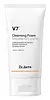 Key Ingredients
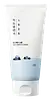
Benefits
Concerns
Ingredients Side-by-side
Myristic Acid
Cleansing




Water
Skin ConditioningPotassium Hydroxide
BufferingStearic Acid
Cleansing
Propylene Glycol
Humectant
Potassium Cocoyl Glycinate
Surfactant
Cocamide
Emulsifying
EDTA
ChelatingLauric Acid
Cleansing
Decyl Glucoside
Cleansing
Sodium Lauroyl Glutamate
SurfactantPortulaca Oleracea Extract
Skin Conditioning

Citrus Grandis Peel Extract
Astringent
Piper Methysticum Leaf/Root/Stem Extract
Skin ConditioningAloe Barbadensis Leaf Extract
Emollient
Althaea Rosea Flower Extract
Skin ConditioningLavandula Angustifolia Oil
Masking



Sodium Hyaluronate
Humectant


Hydrogenated Lecithin
Emulsifying
Sorbitan Olivate
Emulsifying
Polyquaternium-7
Tocopheryl Acetate
Antioxidant


Disodium EDTA
ChelatingNiacinamide
Smoothing






Retinol
Skin Conditioning
Biotin
AntiseborrhoeicAcetyl Glucosamine
Skin Conditioning
Ascorbyl Glucoside
Antioxidant
Azelamide Mea
Foam BoostingPanthenol
Skin Conditioning
Polyquaternium-51
Skin Conditioning
Steareth-20
CleansingPalmitoyl Tetrapeptide-7
Skin Conditioning
Hesperidin Methyl Chalcone
Antioxidant
N-Hydroxysuccinimide
Skin ConditioningDipeptide-2
Skin Conditioning
Chrysin
Skin ConditioningTocopheryl Linoleate
Antioxidant
Palmitoyl Oligopeptide
Cleansing
BHT
Antioxidant
Ceramide NP
Skin Conditioning
Squalane
Emollient
Cholesterol
Emollient
Parfum
Masking
Methylparaben
Preservative


Phenoxyethanol
Preservative
Butylparaben
Masking
Myristic Acid, Water, Potassium Hydroxide, Stearic Acid, Propylene Glycol, Potassium Cocoyl Glycinate, Cocamide, EDTA, Lauric Acid, Decyl Glucoside, Sodium Lauroyl Glutamate, Portulaca Oleracea Extract, Citrus Grandis Peel Extract, Piper Methysticum Leaf/Root/Stem Extract, Aloe Barbadensis Leaf Extract, Althaea Rosea Flower Extract, Lavandula Angustifolia Oil, Sodium Hyaluronate, Hydrogenated Lecithin, Sorbitan Olivate, Polyquaternium-7, Tocopheryl Acetate, Disodium EDTA, Niacinamide, Retinol, Biotin, Acetyl Glucosamine, Ascorbyl Glucoside, Azelamide Mea, Panthenol, Polyquaternium-51, Steareth-20, Palmitoyl Tetrapeptide-7, Hesperidin Methyl Chalcone, N-Hydroxysuccinimide, Dipeptide-2, Chrysin, Tocopheryl Linoleate, Palmitoyl Oligopeptide, BHT, Ceramide NP, Squalane, Cholesterol, Parfum, Methylparaben, Phenoxyethanol, Butylparaben
Water
Skin ConditioningSodium Cocoyl Isethionate
Cleansing
Glycerin
Humectant
Sodium Methyl Cocoyl Taurate
Cleansing
Coco-Betaine
Cleansing
Potassium Cocoyl Glycinate
Surfactant
Potassium Benzoate
Preservative
Sodium Chloride
MaskingPolyquaternium-67
Potassium Cocoate
Emulsifying
Citric Acid
Buffering
Fructooligosaccharides
Humectant
Saccharide Hydrolysate
HumectantDisodium EDTA
ChelatingPullulan
1,2-Hexanediol
Skin Conditioning
Allantoin
Skin Conditioning
Panthenol
Skin Conditioning
Sea Water
HumectantSodium Acetate
BufferingButylene Glycol
Humectant
Chamomilla Recutita Flower Oil
Masking
Caprylic/Capric Triglyceride
Masking
Beta-Glucan
Skin Conditioning
Phosphatidylcholine
EmulsifyingHyaluronic Acid
Humectant
Ethylhexylglycerin
Skin ConditioningCeramide NP
Skin Conditioning
Glycine
Buffering
Hydrolyzed Hyaluronic Acid
Humectant
Glutamic Acid
Humectant
Serine
Masking
Sodium Hyaluronate
Humectant
Lysine
Skin ConditioningAlanine
Masking
Arginine
Masking
Threonine
Proline
Skin Conditioning
Water, Sodium Cocoyl Isethionate, Glycerin, Sodium Methyl Cocoyl Taurate, Coco-Betaine, Potassium Cocoyl Glycinate, Potassium Benzoate, Sodium Chloride, Polyquaternium-67, Potassium Cocoate, Citric Acid, Fructooligosaccharides, Saccharide Hydrolysate, Disodium EDTA, Pullulan, 1,2-Hexanediol, Allantoin, Panthenol, Sea Water, Sodium Acetate, Butylene Glycol, Chamomilla Recutita Flower Oil, Caprylic/Capric Triglyceride, Beta-Glucan, Phosphatidylcholine, Hyaluronic Acid, Ethylhexylglycerin, Ceramide NP, Glycine, Hydrolyzed Hyaluronic Acid, Glutamic Acid, Serine, Sodium Hyaluronate, Lysine, Alanine, Arginine, Threonine, Proline
Reviews
Ingredients Explained
These ingredients are found in both products.
Ingredients higher up in an ingredient list are typically present in a larger amount.
Ceramide NP (formerly known as Ceramide 3) is one of the skin's naturally occurring lipids.
Since ceramides are the major lipid components of the skin, they are crucial for maintaining skin barrier and hydration. Ceramide NP most closely mirrors the dominant kind in human skin amongst ceramide subtypes.
This ceramide works by slotting into gaps within the stratum corneum's lipid matrix to limit trans-epidermal water loss (TEWL) and shield the skin against external irritants.
A study with 312 patients found that using a ceramide-containing routine for 4 weeks reduced the severity of atopic dermatitis by over 61%.
Another clinical study in subjects aged 60 and older found that a ceramide body wash and moisturizer improved skin dryness and itchy skin in 15 days.
Overall, ceramides are considered non-irritating and safety tests have found little to no observable adverse effects from using this ingredient.
Ceramide NP is usually sourced from plants (like soybean or rice bran), or produced synthetically.
Learn more about Ceramide NPDisodium EDTA is a chelating agent. It grabs onto and deactivates metal ions that sneak into your products from water, packaging, or air.
This ingredient mainly works behind the scenes and helps with:
On top of that, this ingredient can counteract the effects of hard water by binding to the minerals in it.
One thing worth knowing is that Disodium EDTA has been shown to be a mild penetration enhancer. It can help other ingredients absorb into skin more effectively which can be a double-edged sword (great for actives, but can also make the active too strong if you have sensitive skin).
Clinical patch testing showed no significant skin irritation at typical use concentrations and minimal dermal absorption.
You'll most likely see this ingredient near the end of an ingredient list. It's typically found in concentrations less than 1%.
Learn more about Disodium EDTAPanthenol is a common ingredient that helps hydrate and soothe the skin. It is found naturally in our skin and hair.
There are two forms of panthenol: D and L.
D-panthenol is also known as dexpanthenol. Most cosmetics use dexpanthenol or a mixture of D and L-panthenol.
Panthenol is famous due to its ability to go deeper into the skin's layers. Using this ingredient has numerous pros (and no cons):
Like hyaluronic acid, panthenol is a humectant. Humectants are able to bind and hold large amounts of water to keep skin hydrated.
This ingredient works well for wound healing. It works by increasing tissue in the wound and helps close open wounds.
Once oxidized, panthenol converts to pantothenic acid. Panthothenic acid is found in all living cells.
This ingredient is also referred to as pro-vitamin B5.
Learn more about PanthenolPotassium Cocoyl Glycinate is an amino acid-based surfactant and cleaning agent. This ingredient can be derived from animals or plants. It may also be synthetically created from fatty acids of the coconut and glycine.
Potassium Cocoyl Glycinate is a gentle surfactant. Surfactants help gather the dirt, oil, and other pollutants from your skin to be rinsed away. It is a mild cleanser and naturally produces foam.
Sodium Hyaluronate is the salt form of hyaluronic acid. It is a long sugar chain that is naturally found in your skin, joints, and connective tissue that maintains hydration and elasticity.
In skincare, it works as a humectant. It pulls water from the environment and deeper layers of skin and binds it to the surface.
Interestingly, the size of the molecule affects its behavior:
Some clinical evidence links low molecular weight versions to improved wrinkle depth, elasticity, anti-inflammatory effects, and barrier repair.
Many serums use a blend of both weights so you can get surface hydration plus longer-lasting and deeper effects.
You'll typically see concentrations between 0.1-2% for this ingredient.
Learn more about Sodium HyaluronateWater. It's the most common cosmetic ingredient of all. You'll usually see it at the top of ingredient lists, meaning that it makes up the largest part of the product.
So why is it so popular? Water most often acts as a solvent - this means that it helps dissolve other ingredients into the formulation.
You'll also recognize water as that liquid we all need to stay alive. If you see this, drink a glass of water. Remember to stay hydrated!
Learn more about Water

