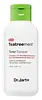
This acne toner is formulated around Camellia Sinensis Leaf Extract and Melaleuca Alternifolia Leaf Oil to clear breakouts and balance excess oil.
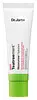
This acne moisturizer is formulated around Niacinamide and Salicylic Acid to clear breakouts and balance excess oil.

What's inside
What's inside
 Key Ingredients
Benefits
Concerns
Ingredients Side-by-side
Anthemis Nobilis Flower Extract
Masking


Camellia Sinensis Leaf Extract
Antimicrobial





Glycyrrhiza Glabra Rhizome/Root
EmollientHamamelis Virginiana Extract
Antiseborrhoeic



Sodium Citrate
BufferingCinnamomum Zeylanicum Bark Extract
Antimicrobial
Pinus Pinaster Bark Extract
Antioxidant
Melaleuca Alternifolia Leaf Oil
Antioxidant


Ethylhexylglycerin
Skin ConditioningCitric Acid
Buffering
Disodium EDTA
ChelatingHydrogenated Lecithin
Emulsifying
Capryloyl Glycine
CleansingHexylene Glycol
EmulsifyingOctyldodeceth-16
EmulsifyingAllantoin
Skin Conditioning
Sarcosine
Skin Conditioning
Ceramide NP
Skin Conditioning
Camphor
Masking
Carthamus Tinctorius Seed Oil
Masking
1,2-Hexanediol
Skin Conditioning
Silica
Abrasive
Glycine Soja Sterols
Emollient
Linoleic Acid
Cleansing
Phospholipids
Skin Conditioning
4-Terpineol
Masking
Methyl Methacrylate Crosspolymer
Salicylic Acid
Masking


Anthemis Nobilis Flower Extract, Camellia Sinensis Leaf Extract, Glycyrrhiza Glabra Rhizome/Root, Hamamelis Virginiana Extract, Sodium Citrate, Cinnamomum Zeylanicum Bark Extract, Pinus Pinaster Bark Extract, Melaleuca Alternifolia Leaf Oil, Ethylhexylglycerin, Citric Acid, Disodium EDTA, Hydrogenated Lecithin, Capryloyl Glycine, Hexylene Glycol, Octyldodeceth-16, Allantoin, Sarcosine, Ceramide NP, Camphor, Carthamus Tinctorius Seed Oil, 1,2-Hexanediol, Silica, Glycine Soja Sterols, Linoleic Acid, Phospholipids, 4-Terpineol, Methyl Methacrylate Crosspolymer, Salicylic Acid
Melaleuca Alternifolia Leaf Extract
Perfuming
Glycerin
Humectant
Ethylhexyl Stearate
Emollient

Methylpropanediol
SolventNiacinamide
Smoothing
Trehalose
Humectant
Methyl Trimethicone
Skin Conditioning
Cetearyl Glucoside
Emulsifying
Sorbitan Olivate
Emulsifying
1,2-Hexanediol
Skin Conditioning
Water
Skin ConditioningCetearyl Alcohol
Emollient

Xanthan Gum
EmulsifyingCentella Asiatica Extract
Cleansing
Ficus Carica Fruit Extract
Humectant
Eclipta Prostrata Leaf Extract
Skin ConditioningLaminaria Japonica Extract
Skin Protecting
Gloiopeltis Furcata Extract
Skin ConditioningAllantoin
Skin Conditioning
Aloe Barbadensis Leaf Extract
Emollient
Anthemis Nobilis Flower Extract
Masking
Butylene Glycol
Humectant
Camellia Sinensis Leaf Extract
Antimicrobial
Carthamus Tinctorius Seed Oil
Masking
Ethylhexylglycerin
Skin ConditioningGlycyrrhiza Glabra Rhizome/Root
EmollientHamamelis Virginiana Extract
Antiseborrhoeic
Melaleuca Alternifolia Leaf Oil
Antioxidant
Amaranthus Caudatus Seed Extract
Skin Conditioning
Ulmus Davidiana Root Extract
Skin Conditioning
Cinnamomum Zeylanicum Bark Extract
Antimicrobial
Pinus Pinaster Bark Extract
Antioxidant
Hydrogenated Lecithin
Emulsifying
Sodium Polyacryloyldimethyl Taurate
Emulsion StabilisingSorbitan Stearate
Emulsifying
Caprylic/Capric Triglyceride
Masking
Glycine Soja Sterols
Emollient
Linoleic Acid
Cleansing
Phospholipids
Skin Conditioning
Disodium EDTA
ChelatingFructooligosaccharides
Humectant
Salicylic Acid
Masking
Beta-Glucan
Skin Conditioning
Hydrolyzed Hyaluronic Acid
Humectant
Capryloyl Glycine
CleansingCeramide NP
Skin Conditioning
Hexylene Glycol
EmulsifyingCamphor
Masking
Silica
Abrasive
Sarcosine
Skin Conditioning
4-Terpineol
Masking
Methyl Methacrylate Crosspolymer
Melaleuca Alternifolia Leaf Extract, Glycerin, Ethylhexyl Stearate, Methylpropanediol, Niacinamide, Trehalose, Methyl Trimethicone, Cetearyl Glucoside, Sorbitan Olivate, 1,2-Hexanediol, Water, Cetearyl Alcohol, Xanthan Gum, Centella Asiatica Extract, Ficus Carica Fruit Extract, Eclipta Prostrata Leaf Extract, Laminaria Japonica Extract, Gloiopeltis Furcata Extract, Allantoin, Aloe Barbadensis Leaf Extract, Anthemis Nobilis Flower Extract, Butylene Glycol, Camellia Sinensis Leaf Extract, Carthamus Tinctorius Seed Oil, Ethylhexylglycerin, Glycyrrhiza Glabra Rhizome/Root, Hamamelis Virginiana Extract, Melaleuca Alternifolia Leaf Oil, Amaranthus Caudatus Seed Extract, Ulmus Davidiana Root Extract, Cinnamomum Zeylanicum Bark Extract, Pinus Pinaster Bark Extract, Hydrogenated Lecithin, Sodium Polyacryloyldimethyl Taurate, Sorbitan Stearate, Caprylic/Capric Triglyceride, Glycine Soja Sterols, Linoleic Acid, Phospholipids, Disodium EDTA, Fructooligosaccharides, Salicylic Acid, Beta-Glucan, Hydrolyzed Hyaluronic Acid, Capryloyl Glycine, Ceramide NP, Hexylene Glycol, Camphor, Silica, Sarcosine, 4-Terpineol, Methyl Methacrylate Crosspolymer
Reviews
Alternatives
Ingredients Explained
These ingredients are found in both products.
Ingredients higher up in an ingredient list are typically present in a larger amount.
1,2-Hexanediol is a synthetic liquid and another multi-functional powerhouse.
It is a:
- Humectant, drawing moisture into the skin
- Emollient, helping to soften skin
- Solvent, dispersing and stabilizing formulas
- Preservative booster, enhancing the antimicrobial activity of other preservatives
4-Terpineol is the main component of tea tree oil.
This ingredient is the reason tea tree oil has most of its reputation. Research points to a broad range of biological activity including antimicrobial, antioxidant, and anti-inflammatory effects.
Studies show it can significantly block the pathway involved in skin inflammation. It has also been shown to work against acne-causing bacteria, fungi, and even some viruses (and seems to be more effective on its own rather than part of tea tree oil).
Overall, this botanical extract is well-researched and skin-friendly.
Learn more about 4-TerpineolAllantoin is a soothing ingredient known for its protective and moisturizing properties; it's basically a quiet workhorse ingredient you can find in a huge range of cosmetics.
Though it can be derived from the comfrey plant, allantoin is produced synthetically for cosmetic products to ensure purity.
Research shows it can encourage your skin cells to turn over and renew by stimulating keratinocyte and fibroblast proliferation.
It also has mild keratolytic properties to help loosen and shed dead skin cells without being harsh.
Studies also suggest allantoin can help calm inflammation by dialing down some of the chemical signals your skin sends out when it is irritated.
This ingredient is typically used in the 0.1-0.5% range, and the FDA recognizes it as a skin protectant in OTC products up to 2%.
Overall, allantoin is a wonderful addition to most routines; it is stable across a wide pH range (~4-8), works well with other ingredients, and is considered non-sensitizing/non-irritating.
Fun fact: Allantoin is naturally occurring in comfrey root, beets, chamomile, and wheat sprouts. Our bodies even produce it as a byproduct of uric acid metabolism.
Learn more about AllantoinAnthemis Nobilis Flower Extract is from the Roman Chamomile flower. It helps soothe the skin and contains antioxidants.
Camellia Sinensis Leaf Extract (tea extract) is one of the most well-researched plant extracts in skincare with an impressive resume.
Black tea, green tea, and oolong tea are all harvested from the Camellia Sinensis plant.
Studies show green tea extract and its catechins (like epigallocatechin gallate (EGCG)) help your skin cells product energy more efficiently and reducing the number of free-radicals that can damage your skin from the inside.
In lab-grown skin models, this translated to younger, healthier, and stronger skin.
There's also good sun protection data; researchers saw less DNA damage and redness on human skin when green tea was applied before UVB exposure. And the more they applied, the better the protection.
Needless to say, this ingredient shouldn't replace your sunscreen. But it is a great supportive ingredient that you can already find in many sunscreens and antioxidant serums.
A 2009 study found a 2% green tea lotion was effective for mild-to-moderate acne thanks to its anti-inflammatory and mild antimicrobial activity.
The quality of the extract matters a lot here:
Good extracts contain 50-90% catechins while lower quality ones are mostly there for marketing. We recommend reaching out to the brand if you have questions about the quality or source of their ingredients.
Human Repeated Insult Patch Testing showed no irritation or sensitization at use concentrations (0.86% in leave-on products and up to 30% as leaf water).
Learn more about Camellia Sinensis Leaf ExtractCamphor is a waxy solid with a strong scent. It is made using turpentine oil.
This ingredient is used for medicinal purposes due to its cooling effect. In medicine, camphor is a common anti-inflammation ingredient.
Camphor also possesses antibacterial and antifungal properties.
One study found camphor to be a potential anti-wrinkle ingredient. This might be due to its ability to increase elastin and collagen production. Collagen and elastin are responsible for plump and youthful looking skin.
It is best to use cosmetics with a small amount of camphor under 11%. Using topical camphor may induce irritation and redness.
In the past, camphor was traditionally made by distilling the wood of the camphor tree.
Learn more about CamphorCapryloyl Glycine is created by adding an acyl group to glycine and caprylic acid chloride.
It is a cleanser due to its surfactant properties. Surfactants help dirt, oil, and other polluants be more easily rinsed away. According to manufacturers, Capryloyl Glycine also helps soften the skin and regulate sebum production.
Emerging studies show Capryloyl Glycine may inhibit hair growth. It may also cause allergies for some people. We recommend speaking with a professional if you have any questions about this ingredient.
Learn more about Capryloyl GlycineCarthamus Tinctorius Seed Oil comes from the seeds of the safflower plant. It is a skin conditioning agent that helps soften skin and keep it hydrated.
This seed oil has an unusual fatty acid profile: it is one of the highest linoleic acid plant oils out there (~55-77%). It also has low amounts of oleic acid, and this high-linoleic/low-oleic ratio gets people excited.
Linoleic acid helps maintain skin barrier integrity and is a building block for the ceramides in your stratum corneum. Notably, people with acne tend to have lower linoleic acid in their skin lipids as well (and this gets worse as acne gets more severe).
Overall, it's a lightweight, fast-absorbing oil that has a long safety track record. Lab testing has found it to be non-irritating for skin or eyes.
The Malassezia yeast can metabolize the fatty acids in this oil to grow; therefore this ingredient may not be fungal acne safe.
Learn more about Carthamus Tinctorius Seed OilCeramide NP (formerly known as Ceramide 3) is one of the skin's naturally occurring lipids.
Since ceramides are the major lipid components of the skin, they are crucial for maintaining skin barrier and hydration. Ceramide NP most closely mirrors the dominant kind in human skin amongst ceramide subtypes.
This ceramide works by slotting into gaps within the stratum corneum's lipid matrix to limit trans-epidermal water loss (TEWL) and shield the skin against external irritants.
A study with 312 patients found that using a ceramide-containing routine for 4 weeks reduced the severity of atopic dermatitis by over 61%.
Another clinical study in subjects aged 60 and older found that a ceramide body wash and moisturizer improved skin dryness and itchy skin in 15 days.
Overall, ceramides are considered non-irritating and safety tests have found little to no observable adverse effects from using this ingredient.
Ceramide NP is usually sourced from plants (like soybean or rice bran), or produced synthetically.
Learn more about Ceramide NPThis cinnamon tree also called true cinnamon or Ceylon cinnamon. It has antimicrobial, emollient, skin hydrating, and antioxidant properties.
This tree is native to Sri Lanka.
Disodium EDTA is a chelating agent. It grabs onto and deactivates metal ions that sneak into your products from water, packaging, or air.
This ingredient mainly works behind the scenes and helps with:
On top of that, this ingredient can counteract the effects of hard water by binding to the minerals in it.
One thing worth knowing is that Disodium EDTA has been shown to be a mild penetration enhancer. It can help other ingredients absorb into skin more effectively which can be a double-edged sword (great for actives, but can also make the active too strong if you have sensitive skin).
Clinical patch testing showed no significant skin irritation at typical use concentrations and minimal dermal absorption.
You'll most likely see this ingredient near the end of an ingredient list. It's typically found in concentrations less than 1%.
Learn more about Disodium EDTAEthylhexylglycerin is created from glycerin. It is a multitasker ingredient that:
The CIR Expert Panel found minimal skin absorption or sensitization of any kind in a safety assessment. Though this ingredient is considered well-tolerated, a small number of cases of allergic dermatitis have been published since 2002. Just be sure to patch test if you are unsure.
Industry-reported use ranges from 8% in rinse-off products and 2% in leave-on formulations.
Learn more about EthylhexylglycerinGlycine Soja Sterols are plant-derived fatty alcohols (phytosterols) from soybean.
You can think of them like the plant world's version of cholesterol; they're structurally similar enough to slot into your skin's lipid barrier and help it do its job.
Phytosterols aid skin barrier recovery by traveling deeper into the skin rather than just sitting on top of it. Once inside, they reduce transepidermal water loss (TEWL) and keep skin feeling soft / supple.
Research on phytosterols in keratinocyte and macrophase models has shown meaningful inhibition of pro-inflammatory mediators. This supports their reputation as a calming ingredient for reactive or sensitive skin.
Subjects with soy allergies did not show a reaction to phytosterols in safety tests, but it wouldn't hurt to patch test if you do have a soy allergy.
Fungal acne:
Malassezia uses sterols to build its own cell walls so there's a theoretical concern that it could also make use of sterol ingredients in skincare.
Though no study has actually proven this happens with topical products, we err on the side of caution and list this ingredient as not safe for fungal acne. However, it may not be a trigger for everyone.
Learn more about Glycine Soja SterolsGlycyrrhiza Glabra Rhizome/Root is a plant material derived from the dried rhizomes and roots of the Licorice, Glycyrrhiza glabra L., Leguminosae
Extracts of licorice have demonstrated to have antibacterial, anti‐inflammatory, antiviral, antioxidant properties.
Hamamelis Virginiana Extract comes from the witch hazel plant.
Unless it is specified to be non-alcohol, many types of witch hazel ingredients are distilled in denatured alcohol.
Witch Hazel has astringent, anti-inflammatory, antioxidant, and antibacterial properties.
The tannin content of witch hazel constrict the appearance of pores by drying out proteins. Witch hazel water gets anti-inflammatory and antibacterial properties from its catechin and gallic acid content.
However, witch hazel may be skin-sensitizing due to the tannin and fragrance compounds.
North American Indigenous groups have used witch hazel to help treat inflammation for centuries.
Learn more about Hamamelis Virginiana ExtractHexylene Glycol is a multitasker ingredient that works as a solvent, humectant, emulsifier, viscosity reducer, and preservative booster.
It is able to dissolve both water and oil-soluble ingredients to stabilize tricky actives and make products spread more easily.
As a humectant, it pulls water into the skin. But it's a pretty minor moisturizing ingredient compared to other humectants, like glycerin.
Interestingly, it can act as a mild penetration enhancer. One in vitro study on human skin found a 12% concentration upped the absorption of mometasone furoate (a medicinal ingredient used to treat inflammatory skin conditions) up to 7%.
This ingredient is typically used at levels of 0.1-10% depending on the role it's playing.
A patch test study on eczema patients didn't find a significant increase in irritation versus the control group, but the potential for irritation rises at higher concentrations.
Learn more about Hexylene GlycolHydrogenated Lecithin is a more stable version of lecithin.
It's made by taking lecithin (a phospholipid commonly found in soybeans and egg yolks) and hydrogenating it. This just means the unsaturated fatty acids are turned into saturated ones so they don't go bad as easily.
This ingredient is an emollient, emulsifier, and penetration enhancer. As an emollient, it helps soften and hydrate skin by trapping moisture within. As an emulsifier, it prevents oil and water ingredients from separating.
Hydrogenated Lecithin can form tiny spherical structures made of phospholipid bilayers called liposomes. These liposomes are able to capture compounds inside their structure and deliver them through the skin barrier.
Because phospholipids are a natural component of our cell membranes, this ingredient is inherently compatible with skin.
A 2021 study found lecithin-based surfactants were less harsh and more tolerable comared to Sodium Lauryl Sulfate (SLS).
Learn more about Hydrogenated LecithinLinoleic Acid is also known as Vitamin F. It is a fatty acid with emollient and skin conditioning properties.
Our top layer of skin, or epidermis, naturally contains high amounts of linoleic acid.
Your body uses linoleic acid to build ceramides and prostaglandins. Ceramides keep your skin's barrier hydrated and strong while prosaglandins help control inflammation and healing.
Needless to say, linoleic acid is crucial for having a strong skin barrier.
One study found applying linoleic acid rich sunflower oil to be more effective at repairing the skin barrier than olive oil.
This ingredient can also help treat acne by softening sebum to prevent clogged pores. Another study found using 2.5% linoleic acid gel for 4 weeks showed a 25% reduction in small comedones.
Studies show it can also help lighten hyperpigmentation or sun spots by disrupting the melanin production process. It also helps your skin shed melanin pigment from your skin caused by UV exposure.
Due to its role in the production of the fatty acid prostaglandin, linoleic acid can also help reduce inflammation and support wound healing.
Fun fact: Linoleic acid is an essential fatty acid. This means our bodies cannot create it on its own and we need to get it through foods such as nuts and vegetable oils.
Just know this ingredient is not always fungal-acne safe because it is a long-chain fatty acid (with 18 carbon atoms) that directly feeds the Malassezia yeast responsible for fungal acne.
Learn more about Linoleic AcidThis ingredient is also known as tea tree oil. It has antioxidant, anti-inflammatory, and antimicrobial properties.
Tea tree oil is a complex lipophilic (fat-loving) oil that contains around 100 compounds with terpinen-4-ol being the most abundant (~40%).
Terpinen-4-ol is responsible for tea tree oil's broad-spectrum antimicrobial activity and makes it a well-researched option for acne.
Clinical studies support 5% tea tree oil as an effective topical treatment for mild to moderate acne. A study with 124 patients compared 5% tea tree oil gel to 5% benzoyl peroxide and both reduced acne (though tea tree oil worked more slowly).
Besides acne, it is also seen in anti-dandruff shampoos and scalp treatments for it's antimicrobial and anti-seborrheic properties.
Safety-wise, the allergic potential of low concentrations on healthy skin is considered low. However, oxidized (old or improperly stored) tea tree oil is a stronger sensitizer.
Irritation can also occur if using the undiluted oil on skin; it's best to use this ingredient as part of a carefully crafted cosmetic formula. This is because regulations require tea tree oil in cosmetics to be stabilized to prevent degradation.
This ingredient has been deemed safe up to 2% in shampoo, 1% in cleansers, and 0.1% in face cream by the EU's Scientific Committee on Consumer Safety (SCCS).
There is some lab evidence that tea tree oil is antifungal against Malassezia, but it is a supportive option at best and not a replacement for proven antifungal treatments.
Learn more about Melaleuca Alternifolia Leaf OilThis ingredient comes as a powder made up of small, porous, microbeads. It is used to add a silky feel to products and also helps absorb oil.
Phospholipids are a family of skin-identical lipids that makeup the structural backbone of every cell membrane in your body.
In cosmetics, they function as skin conditioning agents with emulsifier and surfactant properties. They're typically sourced from soybean or sunflower lecithin (or sometimes egg yolk or marine sources).
Because they mirror the lipids naturally found in the deeper layers of your skin, topical phospholipids help reinforce the lipid matrix, reduce transepidermal water loss, and leave skin feeling conditioned.
They're also used to form liposomes, or tiny self-assembling vesible used to stabilize actives like vitamin c or retinol. This helps these ingredients integrate into the upper layers of skin more easily.
Phospholipids are compatible with everything and the CIR Expert Panel has concluded them to be safe at current use levels.
Some types of phospholipids include:
Learn more about PhospholipidsThis ingredient is also known as Maritime pine or pycnogenol. It has antioxidant and skin soothing properties.
Research on this ingredient is the strongest in the oral context. Studies have linked supplementation to improvements in skin hydration, elasticity, and melasma.
Evidence for topical effects is more limited. Like other botanical extracts, tolerance can vary. Patch testing is recommended for sensitive skin.
Learn more about Pinus Pinaster Bark ExtractSalicylic Acid (also known as beta hydroxy acid or BHA) is a well-known ingredient for treating skin that struggles with acne and clogged pores. It exfoliates both the skin's surface and deep within the pores to help clear out buildup, control oil, and reduce inflammation.
Unlike AHAs (alpha hydroxy acids), salicylic acid is oil-soluble. This allows it to penetrate into pores which makes it especially effective for treating blackheads and preventing future breakouts.
Salicylic acid is also known for its soothing properties. It has a similar structure to aspirin and can calm inflamed or irritated skin, making it a good option for acne-prone skin that is also sensitive.
Concentrations of 0.5-2% are recognized by the U.S. FDA as an over-the-counter topical acne product.
It can cause irritation and/or dryness if one's skin already has a compromised moisture barrier, so it's best to focus on repairing that before introducing this ingredient into your routine.
While salicylic acid does not increase sun sensitivity, it’s still important to wear sunscreen daily to protect your skin.
If you are looking for the ingredient called BHA or Butylated Hydroxyanisole, click here.
Learn more about Salicylic AcidSarcosine is a skin conditioning ingredient. It is a synthetic amino acid.
It is an intermediate and byproduct in glycine synthesis and degradation. Glycine is an amino acid naturally found in our skin.
This ingredient also goes by the name of methylglycline.
Learn more about SarcosineSilica, also known as silicon dioxide, is a naturally occurring mineral. It is used as a fine, spherical, and porous powder in cosmetics.
Though it has exfoliant properties, the function of silica varies depending on the product.
The unique structure of silica enhances the spreadability and adds smoothness, making it a great texture enhancer.
It is also used as an active carrier, emulsifier, and mattifier due to its ability to absorb excess oil.
In some products, tiny microneedles called spicules are made from silica or hydrolyzed sponge. When you rub them in, they lightly polish away dead skin layers and enhance the penetration of active ingredients.
Learn more about Silica

