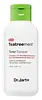
This acne toner is formulated around Camellia Sinensis Leaf Extract and Melaleuca Alternifolia Leaf Oil to clear breakouts and balance excess oil.
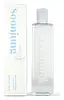
This calming toner is formulated around Panthenol and Madecassoside to calm redness and strengthen the skin barrier.

What's inside
What's inside
 Key Ingredients
Benefits
Concerns
No concerns
Ingredients Side-by-side
Anthemis Nobilis Flower Extract
Masking


Camellia Sinensis Leaf Extract
Antimicrobial





Glycyrrhiza Glabra Rhizome/Root
EmollientHamamelis Virginiana Extract
Antiseborrhoeic



Sodium Citrate
BufferingCinnamomum Zeylanicum Bark Extract
Antimicrobial
Pinus Pinaster Bark Extract
Antioxidant
Melaleuca Alternifolia Leaf Oil
Antioxidant


Ethylhexylglycerin
Skin ConditioningCitric Acid
Buffering
Disodium EDTA
ChelatingHydrogenated Lecithin
Emulsifying
Capryloyl Glycine
CleansingHexylene Glycol
EmulsifyingOctyldodeceth-16
EmulsifyingAllantoin
Skin Conditioning
Sarcosine
Skin Conditioning
Ceramide NP
Skin Conditioning
Camphor
Masking
Carthamus Tinctorius Seed Oil
Masking
1,2-Hexanediol
Skin Conditioning
Silica
Abrasive
Glycine Soja Sterols
Emollient
Linoleic Acid
Cleansing
Phospholipids
Skin Conditioning
4-Terpineol
Masking
Methyl Methacrylate Crosspolymer
Salicylic Acid
Masking


Anthemis Nobilis Flower Extract, Camellia Sinensis Leaf Extract, Glycyrrhiza Glabra Rhizome/Root, Hamamelis Virginiana Extract, Sodium Citrate, Cinnamomum Zeylanicum Bark Extract, Pinus Pinaster Bark Extract, Melaleuca Alternifolia Leaf Oil, Ethylhexylglycerin, Citric Acid, Disodium EDTA, Hydrogenated Lecithin, Capryloyl Glycine, Hexylene Glycol, Octyldodeceth-16, Allantoin, Sarcosine, Ceramide NP, Camphor, Carthamus Tinctorius Seed Oil, 1,2-Hexanediol, Silica, Glycine Soja Sterols, Linoleic Acid, Phospholipids, 4-Terpineol, Methyl Methacrylate Crosspolymer, Salicylic Acid
Water
Skin ConditioningPropanediol
Solvent
Glycerin
Humectant
Betaine
Humectant
Panthenol
Skin Conditioning
1,2-Hexanediol
Skin Conditioning
Polyglycerin-3
Humectant
Ethylhexylglycerin
Skin ConditioningDisodium EDTA
ChelatingCarbomer
Emulsion StabilisingMadecassoside
Antioxidant
Butylene Glycol
Humectant
Scutellaria Baicalensis Root Extract
Astringent
Tocopherol
Antioxidant
Camellia Sinensis Leaf Extract
Antimicrobial
Reviews
Alternatives
Ingredients Explained
These ingredients are found in both products.
Ingredients higher up in an ingredient list are typically present in a larger amount.
1,2-Hexanediol is a synthetic liquid and another multi-functional powerhouse.
It is a:
- Humectant, drawing moisture into the skin
- Emollient, helping to soften skin
- Solvent, dispersing and stabilizing formulas
- Preservative booster, enhancing the antimicrobial activity of other preservatives
Camellia Sinensis Leaf Extract (tea extract) is one of the most well-researched plant extracts in skincare with an impressive resume.
Black tea, green tea, and oolong tea are all harvested from the Camellia Sinensis plant.
Studies show green tea extract and its catechins (like epigallocatechin gallate (EGCG)) help your skin cells product energy more efficiently and reducing the number of free-radicals that can damage your skin from the inside.
In lab-grown skin models, this translated to younger, healthier, and stronger skin.
There's also good sun protection data; researchers saw less DNA damage and redness on human skin when green tea was applied before UVB exposure. And the more they applied, the better the protection.
Needless to say, this ingredient shouldn't replace your sunscreen. But it is a great supportive ingredient that you can already find in many sunscreens and antioxidant serums.
A 2009 study found a 2% green tea lotion was effective for mild-to-moderate acne thanks to its anti-inflammatory and mild antimicrobial activity.
The quality of the extract matters a lot here:
Good extracts contain 50-90% catechins while lower quality ones are mostly there for marketing. We recommend reaching out to the brand if you have questions about the quality or source of their ingredients.
Human Repeated Insult Patch Testing showed no irritation or sensitization at use concentrations (0.86% in leave-on products and up to 30% as leaf water).
Learn more about Camellia Sinensis Leaf ExtractDisodium EDTA is a chelating agent. It grabs onto and deactivates metal ions that sneak into your products from water, packaging, or air.
This ingredient mainly works behind the scenes and helps with:
On top of that, this ingredient can counteract the effects of hard water by binding to the minerals in it.
One thing worth knowing is that Disodium EDTA has been shown to be a mild penetration enhancer. It can help other ingredients absorb into skin more effectively which can be a double-edged sword (great for actives, but can also make the active too strong if you have sensitive skin).
Clinical patch testing showed no significant skin irritation at typical use concentrations and minimal dermal absorption.
You'll most likely see this ingredient near the end of an ingredient list. It's typically found in concentrations less than 1%.
Learn more about Disodium EDTAEthylhexylglycerin is created from glycerin. It is a multitasker ingredient that:
The CIR Expert Panel found minimal skin absorption or sensitization of any kind in a safety assessment. Though this ingredient is considered well-tolerated, a small number of cases of allergic dermatitis have been published since 2002. Just be sure to patch test if you are unsure.
Industry-reported use ranges from 8% in rinse-off products and 2% in leave-on formulations.
Learn more about Ethylhexylglycerin

