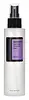
This smoothing toner is formulated around Salix Alba Bark Water and Glycolic Acid to refine skin texture and refine the look of pores.
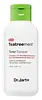
This acne toner is formulated around Camellia Sinensis Leaf Extract and Melaleuca Alternifolia Leaf Oil to clear breakouts and balance excess oil.

What's inside
What's inside
 Key Ingredients
Benefits
Concerns
Ingredients Side-by-side
Anthemis Nobilis Flower Extract
Masking


Camellia Sinensis Leaf Extract
Antimicrobial





Glycyrrhiza Glabra Rhizome/Root
EmollientHamamelis Virginiana Extract
Antiseborrhoeic



Sodium Citrate
BufferingCinnamomum Zeylanicum Bark Extract
Antimicrobial
Pinus Pinaster Bark Extract
Antioxidant
Melaleuca Alternifolia Leaf Oil
Antioxidant


Ethylhexylglycerin
Skin ConditioningCitric Acid
Buffering
Disodium EDTA
ChelatingHydrogenated Lecithin
Emulsifying
Capryloyl Glycine
CleansingHexylene Glycol
EmulsifyingOctyldodeceth-16
EmulsifyingAllantoin
Skin Conditioning
Sarcosine
Skin Conditioning
Ceramide NP
Skin Conditioning
Camphor
Masking
Carthamus Tinctorius Seed Oil
Masking
1,2-Hexanediol
Skin Conditioning
Silica
Abrasive
Glycine Soja Sterols
Emollient
Linoleic Acid
Cleansing
Phospholipids
Skin Conditioning
4-Terpineol
Masking
Methyl Methacrylate Crosspolymer
Salicylic Acid
Masking


Anthemis Nobilis Flower Extract, Camellia Sinensis Leaf Extract, Glycyrrhiza Glabra Rhizome/Root, Hamamelis Virginiana Extract, Sodium Citrate, Cinnamomum Zeylanicum Bark Extract, Pinus Pinaster Bark Extract, Melaleuca Alternifolia Leaf Oil, Ethylhexylglycerin, Citric Acid, Disodium EDTA, Hydrogenated Lecithin, Capryloyl Glycine, Hexylene Glycol, Octyldodeceth-16, Allantoin, Sarcosine, Ceramide NP, Camphor, Carthamus Tinctorius Seed Oil, 1,2-Hexanediol, Silica, Glycine Soja Sterols, Linoleic Acid, Phospholipids, 4-Terpineol, Methyl Methacrylate Crosspolymer, Salicylic Acid
Reviews
Alternatives
Ingredients Explained
These ingredients are found in both products.
Ingredients higher up in an ingredient list are typically present in a larger amount.
1,2-Hexanediol is a synthetic liquid and another multi-functional powerhouse.
It is a:
- Humectant, drawing moisture into the skin
- Emollient, helping to soften skin
- Solvent, dispersing and stabilizing formulas
- Preservative booster, enhancing the antimicrobial activity of other preservatives
Allantoin is a soothing ingredient known for its protective and moisturizing properties; it's basically a quiet workhorse ingredient you can find in a huge range of cosmetics.
Though it can be derived from the comfrey plant, allantoin is produced synthetically for cosmetic products to ensure purity.
Research shows it can encourage your skin cells to turn over and renew by stimulating keratinocyte and fibroblast proliferation.
It also has mild keratolytic properties to help loosen and shed dead skin cells without being harsh.
Studies also suggest allantoin can help calm inflammation by dialing down some of the chemical signals your skin sends out when it is irritated.
This ingredient is typically used in the 0.1-0.5% range, and the FDA recognizes it as a skin protectant in OTC products up to 2%.
Overall, allantoin is a wonderful addition to most routines; it is stable across a wide pH range (~4-8), works well with other ingredients, and is considered non-sensitizing/non-irritating.
Fun fact: Allantoin is naturally occurring in comfrey root, beets, chamomile, and wheat sprouts. Our bodies even produce it as a byproduct of uric acid metabolism.
Learn more about Allantoin

