
What's inside
What's inside
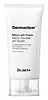 Key Ingredients
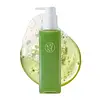
Benefits
Concerns
Ingredients Side-by-side
Water
Skin ConditioningGlycerin
Humectant


Lauric Acid
Cleansing




Myristic Acid
Cleansing
Potassium Hydroxide
BufferingStearic Acid
Cleansing
Glycol Distearate
Emollient
Palmitic Acid
Emollient
Glyceryl Stearate Se
Emulsifying
Citrus Aurantium Bergamia Fruit Oil
Masking



Pelargonium Graveolens Flower Oil
Masking
Citrus Limon Peel Oil
Masking
Olea Europaea Fruit Oil
Masking
Quillaja Saponaria Bark Extract
CleansingSalvia Officinalis Oil
Masking
Pogostemon Cablin Leaf Oil
Masking
Pinus Sylvestris Leaf Oil
Masking
Citrus Aurantium Dulcis Oil
Masking
Citrus Grandis Peel Oil
Masking
Salvia Sclarea Oil
Masking
Aniba Rosodora Wood Oil
Astringent
Lavandula Angustifolia Oil
Masking
Cedrus Atlantica Bark Oil
Masking
Eucalyptus Globulus Leaf Oil
Perfuming
Milk Lipids
Skin Conditioning
Jasminum Officinale Oil
Masking
Sea Salt
Abrasive
Artemisia Absinthium Extract
Skin ConditioningMyrtus Communis Oil
Masking
Rosa Damascena Flower Oil
Masking
Vanilla Planifolia Fruit Extract
Skin Conditioning
Ferula Galbaniflua Resin Oil
Antimicrobial
Coco-Glucoside
Cleansing
Polyquaternium-7
Acrylates/C10-30 Alkyl Acrylate Crosspolymer
Emulsion StabilisingSodium Cocoyl Isethionate
Cleansing
1,2-Hexanediol
Skin Conditioning
Citric Acid
Buffering

Theanine
EmollientGlutathione


Copaifera Officinalis Resin
MaskingDisodium EDTA
Sodium Benzoate
Masking
Water, Glycerin, Lauric Acid, Myristic Acid, Potassium Hydroxide, Stearic Acid, Glycol Distearate, Palmitic Acid, Glyceryl Stearate Se, Citrus Aurantium Bergamia Fruit Oil, Pelargonium Graveolens Flower Oil, Citrus Limon Peel Oil, Olea Europaea Fruit Oil, Quillaja Saponaria Bark Extract, Salvia Officinalis Oil, Pogostemon Cablin Leaf Oil, Pinus Sylvestris Leaf Oil, Citrus Aurantium Dulcis Oil, Citrus Grandis Peel Oil, Salvia Sclarea Oil, Aniba Rosodora Wood Oil, Lavandula Angustifolia Oil, Cedrus Atlantica Bark Oil, Eucalyptus Globulus Leaf Oil, Milk Lipids, Jasminum Officinale Oil, Sea Salt, Artemisia Absinthium Extract, Myrtus Communis Oil, Rosa Damascena Flower Oil, Vanilla Planifolia Fruit Extract, Ferula Galbaniflua Resin Oil, Coco-Glucoside, Polyquaternium-7, Acrylates/C10-30 Alkyl Acrylate Crosspolymer, Sodium Cocoyl Isethionate, 1,2-Hexanediol, Citric Acid, Theanine, Glutathione, Copaifera Officinalis Resin, Disodium EDTA, Sodium Benzoate
Water
Skin ConditioningSodium C14-16 Olefin Sulfonate
Cleansing
Glycerin
Humectant
Acrylates Copolymer
Butylene Glycol
Humectant
Propanediol
Solvent
Coco-Betaine
Cleansing
Rosmarinus Officinalis Leaf Extract
AntimicrobialTromethamine
BufferingTetradecene
EmollientPotassium Benzoate
Preservative
Salicylic Acid
Masking




Citric Acid
Buffering
Hexadecene
SolventLauryl Hydroxysultaine
CleansingCoco-Glucoside
Cleansing
Pogostemon Cablin Leaf Oil
Masking
Decyl Glucoside
Cleansing
Sorbitol
Humectant
Polyquaternium-10
Rosmarinus Officinalis Leaf Oil
Masking
Panthenol
Skin Conditioning
Sodium Chloride
MaskingDisodium EDTA
Melia Azadirachta Leaf Extract
Skin ConditioningArtemisia Vulgaris Oil
Perfuming
1,2-Hexanediol
Skin Conditioning
Melia Azadirachta Flower Extract
Skin ConditioningBrassica Oleracea Capitata Leaf Extract
Skin ConditioningBrassica Oleracea Acephala Leaf Extract
HumectantArtemisia Princeps Leaf Water
MaskingHibiscus Esculentus Fruit Extract
Skin ConditioningHyaluronic Acid
Humectant

Hydrolyzed Hyaluronic Acid
Humectant
Sodium Hyaluronate
Humectant
Apium Graveolens Extract
Skin ConditioningAsparagus Officinalis Extract
Skin ConditioningSpinacia Oleracea Leaf Extract
Skin ConditioningBrassica Oleracea Italica Extract
AstringentCucumis Sativus Extract
Skin Conditioning
Lactuca Scariola Sativa Leaf Extract
Skin ConditioningAllantoin
Skin Conditioning
Water, Sodium C14-16 Olefin Sulfonate, Glycerin, Acrylates Copolymer, Butylene Glycol, Propanediol, Coco-Betaine, Rosmarinus Officinalis Leaf Extract, Tromethamine, Tetradecene, Potassium Benzoate, Salicylic Acid, Citric Acid, Hexadecene, Lauryl Hydroxysultaine, Coco-Glucoside, Pogostemon Cablin Leaf Oil, Decyl Glucoside, Sorbitol, Polyquaternium-10, Rosmarinus Officinalis Leaf Oil, Panthenol, Sodium Chloride, Disodium EDTA, Melia Azadirachta Leaf Extract, Artemisia Vulgaris Oil, 1,2-Hexanediol, Melia Azadirachta Flower Extract, Brassica Oleracea Capitata Leaf Extract, Brassica Oleracea Acephala Leaf Extract, Artemisia Princeps Leaf Water, Hibiscus Esculentus Fruit Extract, Hyaluronic Acid, Hydrolyzed Hyaluronic Acid, Sodium Hyaluronate, Apium Graveolens Extract, Asparagus Officinalis Extract, Spinacia Oleracea Leaf Extract, Brassica Oleracea Italica Extract, Cucumis Sativus Extract, Lactuca Scariola Sativa Leaf Extract, Allantoin
Reviews
Ingredients Explained
These ingredients are found in both products.
Ingredients higher up in an ingredient list are typically present in a larger amount.
1,2-Hexanediol is a synthetic liquid and another multi-functional powerhouse.
It is a:
- Humectant, drawing moisture into the skin
- Emollient, helping to soften skin
- Solvent, dispersing and stabilizing formulas
- Preservative booster, enhancing the antimicrobial activity of other preservatives
Citric Acid is an alpha hydroxy acid (AHA) naturally found in citrus fruits like oranges, lemons, and limes.
Like other AHAs, citric acid can exfoliate skin by breaking down the bonds that hold dead skin cells together. This helps reveal smoother and brighter skin underneath.
However, this exfoliating effect only happens at high concentrations (20%) which can be hard to find in cosmetic products.
Due to this, citric acid is usually included in small amounts as a pH adjuster. This helps keep products slightly more acidic and compatible with skin's natural pH.
In skincare formulas, citric acid can:
While it can provide some skin benefits, research shows lactic acid and glycolic acid are generally more effective and less irritating exfoliants.
Most citric acid used in skincare today is made by fermenting sugars (usually from molasses). This synthetic version is identical to the natural citrus form but easier to stabilize and use in formulations.
Read more about some other popular AHA's here:
Learn more about Citric AcidCoco-Glucoside is a surfactant, or a cleansing ingredient. It is made from glucose and coconut oil.
Surfactants help gather dirt, oil, and other pollutants from your skin to be rinsed away.
This ingredient is considered gentle and non-comedogenic. However, it may still be irritating for some.
Learn more about Coco-GlucosideDisodium EDTA is a chelating agent. It grabs onto and deactivates metal ions that sneak into your products from water, packaging, or air.
This ingredient mainly works behind the scenes and helps with:
On top of that, this ingredient can counteract the effects of hard water by binding to the minerals in it.
One thing worth knowing is that Disodium EDTA has been shown to be a mild penetration enhancer. It can help other ingredients absorb into skin more effectively which can be a double-edged sword (great for actives, but can also make the active too strong if you have sensitive skin).
Clinical patch testing showed no significant skin irritation at typical use concentrations and minimal dermal absorption.
You'll most likely see this ingredient near the end of an ingredient list. It's typically found in concentrations less than 1%.
Learn more about Disodium EDTAGlycerin (or glycerol) is a compound naturally found in your skin. It's a powerhouse humectant that pulls water into the stratum corneum.
Topically, glycerin does several things at once:
Your skin makes glycerin on its own (mostly from sebaceous oil breakdown) and shuttles it to your outermost layer of skin, or your epidermis, via aquaporin-3.
Aquaporin-3 is a transporter that is essential for normal skin hydration, elasticity, and repair. Interestingly, mice lacking in AQP3 have dry and less elastic skin that can be fully corrected with glycerin.
This ingredient is non-irritating, plays well with almost every ingredient, and works across all skin types. Typical use is anywhere between 3-10% but can go up to 79% in some leave-on products.
Just know very high concentrations (>40%) can feel tacky in low humidity.
Glycerin is the name for this ingredient in American English. British English uses Glycerol/Glycerine.
Learn more about GlycerinThis ingredient is also known as Patchouli oil. Its main role is to add a warm, earthy, and musky scent to products.
Patchouli exhibits slight antioxidant, antibacterial and antifungal activity from its patchoulol, beta-caryophyllene, pogostone content.
Like all essential oils, this ingredient is a known sensitizer at higher concentrations. This is because this oil also contains known skin-irritating fragrances, limonene and camphor. Limonene and camphor are both known EU allergens.
While patchouli oil holds FDA GRAS ("generally recognized as safe") status, it is typically used at low levels and subject to usage guidelines.
Those with sensitive skin should patch test before using.
Learn more about Pogostemon Cablin Leaf OilWater. It's the most common cosmetic ingredient of all. You'll usually see it at the top of ingredient lists, meaning that it makes up the largest part of the product.
So why is it so popular? Water most often acts as a solvent - this means that it helps dissolve other ingredients into the formulation.
You'll also recognize water as that liquid we all need to stay alive. If you see this, drink a glass of water. Remember to stay hydrated!
Learn more about Water

