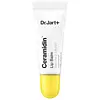
This barrier-repair lip moisturizer is formulated around Ceramide NP and Hippophae Rhamnoides Oil to strengthen the lip barrier and hydrate lips.
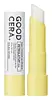
This barrier-repair lip moisturizer is formulated around Butyrospermum Parkii Butter and Ricinus Communis Seed Oil to strengthen the lip barrier and hydrate lips.

What's inside
What's inside
 Key Ingredients
Benefits
Concerns
Ingredients Side-by-side
Phytosteryl/Isostearyl/Cetyl/Stearyl/Behenyl Dimer Dilinoleate
Skin Conditioning

Diisostearyl Malate
EmollientPentaerythrityl Tetraethylhexanoate
Emollient
Hydrogenated Polyisobutene
EmollientPolyglyceryl-2 Isostearate/Dimer Dilinoleate Copolymer
EmollientCeresin
Emulsion StabilisingEthylhexyl Stearate
Emollient


Tribehenin
Emollient
Caprylic/Capric/Myristic/Stearic Triglyceride
EmollientSilica Dimethyl Silylate
EmollientEthylene/Propylene/Styrene Copolymer
Polymethylsilsesquioxane

Vp/Hexadecene Copolymer
Ceramide NP
Skin Conditioning




Butylene/Ethylene/Styrene Copolymer
Hippophae Rhamnoides Oil
Emollient
Pentaerythrityl Tetra-Di-T-Butyl Hydroxyhydrocinnamate
Antioxidant
Dehydroacetic Acid
Preservative
Phytosteryl/Isostearyl/Cetyl/Stearyl/Behenyl Dimer Dilinoleate, Diisostearyl Malate, Pentaerythrityl Tetraethylhexanoate, Hydrogenated Polyisobutene, Polyglyceryl-2 Isostearate/Dimer Dilinoleate Copolymer, Ceresin, Ethylhexyl Stearate, Tribehenin, Caprylic/Capric/Myristic/Stearic Triglyceride, Silica Dimethyl Silylate, Ethylene/Propylene/Styrene Copolymer, Polymethylsilsesquioxane, Vp/Hexadecene Copolymer, Ceramide NP, Butylene/Ethylene/Styrene Copolymer, Hippophae Rhamnoides Oil, Pentaerythrityl Tetra-Di-T-Butyl Hydroxyhydrocinnamate, Dehydroacetic Acid
Butyrospermum Parkii Butter
Skin Conditioning
Diisostearyl Malate
EmollientPolyglyceryl-2 Triisostearate
Emulsifying
Octyldodecanol
Emollient
Ricinus Communis Seed Oil
Masking
Microcrystalline Wax
Emulsion StabilisingHelianthus Annuus Seed Oil
Emollient
Cocos Nucifera Oil
Masking
Ceresin
Emulsion StabilisingMeadowfoam Delta-Lactone
Skin ConditioningEuphorbia Cerifera Wax
Ozokerite
Emulsion StabilisingParaffin
Skin Conditioning
Jojoba Esters
Emollient
Polyethylene
Abrasive
Prunus Amygdalus Dulcis Oil
Skin Conditioning
Tribehenin
Emollient
Sorbitan Sesquioleate
Emulsifying
Trihydroxystearin
Skin Conditioning
Citrus Aurantium Bergamia Fruit Oil
Masking
Camellia Sinensis Seed Oil
Humectant
Camellia Japonica Seed Oil
Emollient
Macadamia Integrifolia Seed Oil
Skin Conditioning
Argania Spinosa Kernel Oil
Emollient

Simmondsia Chinensis Seed Oil
Emollient
Rosa Canina Fruit Oil
Emollient
Tocopherol
Antioxidant

Dehydroacetic Acid
Preservative
Ceramide NP
Skin Conditioning
Monascus Extract
Skin ConditioningWater
Skin ConditioningVitis Vinifera Seed Oil
Emollient
Glycerin
Humectant
Caprylic/Capric Triglyceride
Masking
Butylene Glycol
Humectant
Alteromonas Ferment Filtrate
HumectantHydrogenated Lecithin
Emulsifying
1,2-Hexanediol
Skin Conditioning
Bacillus Ferment
Skin Conditioning
Ceramide AP
Skin Conditioning
Ceramide EOP
Skin Conditioning
Butyrospermum Parkii Butter, Diisostearyl Malate, Polyglyceryl-2 Triisostearate, Octyldodecanol, Ricinus Communis Seed Oil, Microcrystalline Wax, Helianthus Annuus Seed Oil, Cocos Nucifera Oil, Ceresin, Meadowfoam Delta-Lactone, Euphorbia Cerifera Wax, Ozokerite, Paraffin, Jojoba Esters, Polyethylene, Prunus Amygdalus Dulcis Oil, Tribehenin, Sorbitan Sesquioleate, Trihydroxystearin, Citrus Aurantium Bergamia Fruit Oil, Camellia Sinensis Seed Oil, Camellia Japonica Seed Oil, Macadamia Integrifolia Seed Oil, Argania Spinosa Kernel Oil, Simmondsia Chinensis Seed Oil, Rosa Canina Fruit Oil, Tocopherol, Dehydroacetic Acid, Ceramide NP, Monascus Extract, Water, Vitis Vinifera Seed Oil, Glycerin, Caprylic/Capric Triglyceride, Butylene Glycol, Alteromonas Ferment Filtrate, Hydrogenated Lecithin, 1,2-Hexanediol, Bacillus Ferment, Ceramide AP, Ceramide EOP
Reviews
Ingredients Explained
These ingredients are found in both products.
Ingredients higher up in an ingredient list are typically present in a larger amount.
Ceramide NP (formerly known as Ceramide 3) is one of the skin's naturally occurring lipids.
Since ceramides are the major lipid components of the skin, they are crucial for maintaining skin barrier and hydration. Ceramide NP most closely mirrors the dominant kind in human skin amongst ceramide subtypes.
This ceramide works by slotting into gaps within the stratum corneum's lipid matrix to limit trans-epidermal water loss (TEWL) and shield the skin against external irritants.
A study with 312 patients found that using a ceramide-containing routine for 4 weeks reduced the severity of atopic dermatitis by over 61%.
Another clinical study in subjects aged 60 and older found that a ceramide body wash and moisturizer improved skin dryness and itchy skin in 15 days.
Overall, ceramides are considered non-irritating and safety tests have found little to no observable adverse effects from using this ingredient.
Ceramide NP is usually sourced from plants (like soybean or rice bran), or produced synthetically.
Learn more about Ceramide NPCeresin is a wax derived from ozokerite. It is an alternative to beeswax.
The most common process of creating ceresin is by using heat and sulfuric acid.
Dehydroacetic Acid is a synthetic preservative that keeps your products safe from microbes.
As an organic acid, it penetrates microbial cell walls and disrupts cellular metabolism. This makes it effective against bacteria, yeast, and mold.
It is effective at low concentrations (<0.6%). Clinical studies have found it to be non-irritating, non-sensitizing, and non-photosensitizing.
Learn more about Dehydroacetic AcidDiisostearyl Malate is an emollient and most often used in lip products. It comes from isostearyl alcohol, a fatty acid, and malic acid, an AHA.
As an emollient, Diisostearyl Malate helps create a thin film on your skin to trap moisture in. This helps keep your skin soft and smooth.
Tribehenin is the triglyceride of glycerin and behenic acid. It is an emollient that helps soften and condition skin.
Safety-wise, this is a well-vetted ingredient. Repeated-insult patch tests of 0.38% tribehenin did not trigger sensitization.
This ingredient may not be fungal acne safe because behenic acid falls into the chain-length range that Malassezia yeasts can feed on.
Learn more about Tribehenin

