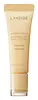
This barrier-repair lip moisturizer is formulated around Butyrospermum Parkii Butter to strengthen the lip barrier and hydrate lips.
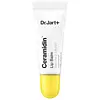
This barrier-repair lip moisturizer is formulated around Ceramide NP and Hippophae Rhamnoides Oil to strengthen the lip barrier and hydrate lips.

What's inside
What's inside
 Key Ingredients
Benefits
Concerns
Ingredients Side-by-side
Hydrogenated Polyisobutene
EmollientPhytosteryl/Isostearyl/Cetyl/Stearyl/Behenyl Dimer Dilinoleate
Skin Conditioning

Diisostearyl Malate
EmollientPolybutene
Hydrogenated Poly(C6-14 Olefin)
EmollientPhytosteryl Isostearyl Dimer Dilinoleate
EmollientCera Microcristallina
Emulsion StabilisingButyrospermum Parkii Butter
Skin Conditioning




Sucrose Tetrastearate Triacetate
Emollient
Ethylene/Propylene/Styrene Copolymer
Mica
Cosmetic ColorantEuphorbia Cerifera Wax
Astrocaryum Murumuru Seed Butter
Emollient
Synthetic Wax
Abrasive
Parfum
Masking


Candelilla Wax Esters
Dehydroacetic Acid
Preservative
Polyglyceryl-2 Triisostearate
Emulsifying
Butylene/Ethylene/Styrene Copolymer
Methicone
Emollient
CI 77492
Cosmetic ColorantCI 77891
Cosmetic ColorantCopernicia Cerifera Cera
Emollient
CI 19140
Cosmetic ColorantPentaerythrityl Tetra-Di-T-Butyl Hydroxyhydrocinnamate
Antioxidant
Limonene
Perfuming
Tocopherol
Antioxidant




Triethoxycaprylylsilane
Hydrogenated Polyisobutene, Phytosteryl/Isostearyl/Cetyl/Stearyl/Behenyl Dimer Dilinoleate, Diisostearyl Malate, Polybutene, Hydrogenated Poly(C6-14 Olefin), Phytosteryl Isostearyl Dimer Dilinoleate, Cera Microcristallina, Butyrospermum Parkii Butter, Sucrose Tetrastearate Triacetate, Ethylene/Propylene/Styrene Copolymer, Mica, Euphorbia Cerifera Wax, Astrocaryum Murumuru Seed Butter, Synthetic Wax, Parfum, Candelilla Wax Esters, Dehydroacetic Acid, Polyglyceryl-2 Triisostearate, Butylene/Ethylene/Styrene Copolymer, Methicone, CI 77492, CI 77891, Copernicia Cerifera Cera, CI 19140, Pentaerythrityl Tetra-Di-T-Butyl Hydroxyhydrocinnamate, Limonene, Tocopherol, Triethoxycaprylylsilane
Phytosteryl/Isostearyl/Cetyl/Stearyl/Behenyl Dimer Dilinoleate
Skin Conditioning
Diisostearyl Malate
EmollientPentaerythrityl Tetraethylhexanoate
Emollient
Hydrogenated Polyisobutene
EmollientPolyglyceryl-2 Isostearate/Dimer Dilinoleate Copolymer
EmollientCeresin
Emulsion StabilisingEthylhexyl Stearate
Emollient
Tribehenin
Emollient
Caprylic/Capric/Myristic/Stearic Triglyceride
EmollientSilica Dimethyl Silylate
EmollientEthylene/Propylene/Styrene Copolymer
Polymethylsilsesquioxane
Vp/Hexadecene Copolymer
Ceramide NP
Skin Conditioning

Butylene/Ethylene/Styrene Copolymer
Hippophae Rhamnoides Oil
Emollient
Pentaerythrityl Tetra-Di-T-Butyl Hydroxyhydrocinnamate
Antioxidant
Dehydroacetic Acid
Preservative
Phytosteryl/Isostearyl/Cetyl/Stearyl/Behenyl Dimer Dilinoleate, Diisostearyl Malate, Pentaerythrityl Tetraethylhexanoate, Hydrogenated Polyisobutene, Polyglyceryl-2 Isostearate/Dimer Dilinoleate Copolymer, Ceresin, Ethylhexyl Stearate, Tribehenin, Caprylic/Capric/Myristic/Stearic Triglyceride, Silica Dimethyl Silylate, Ethylene/Propylene/Styrene Copolymer, Polymethylsilsesquioxane, Vp/Hexadecene Copolymer, Ceramide NP, Butylene/Ethylene/Styrene Copolymer, Hippophae Rhamnoides Oil, Pentaerythrityl Tetra-Di-T-Butyl Hydroxyhydrocinnamate, Dehydroacetic Acid
Reviews
Ingredients Explained
These ingredients are found in both products.
Ingredients higher up in an ingredient list are typically present in a larger amount.
This ingredient is a high-molecular weight synthetic polymer. It is used to modify the viscosity of a formula, improve slip, and create a more "cushiony" texture.
Due to its large molecular size, this ingredient is not absorbed into the skin.
Dehydroacetic Acid is a synthetic preservative that keeps your products safe from microbes.
As an organic acid, it penetrates microbial cell walls and disrupts cellular metabolism. This makes it effective against bacteria, yeast, and mold.
It is effective at low concentrations (<0.6%). Clinical studies have found it to be non-irritating, non-sensitizing, and non-photosensitizing.
Learn more about Dehydroacetic AcidDiisostearyl Malate is an emollient and most often used in lip products. It comes from isostearyl alcohol, a fatty acid, and malic acid, an AHA.
As an emollient, Diisostearyl Malate helps create a thin film on your skin to trap moisture in. This helps keep your skin soft and smooth.
This is a synthetic polymer used to thicken formulas, improve texture, and enhance spreadability.
Due to its large molecule size, this ingredient does not penetrate the skin and is considered well-tolerated.
Hydrogenated Polyisobutene is a synthetic polymer. Polymers are compounds with high molecular weight. Hydrogenated Polyisobutene is an emollient and texture enhancer.
In one study, Hydrogenated Polyisobutene showed better skin hydration levels than Caprylic/Capric Triglyceride. As an emollient, it helps keep your skin soft and hydrated by trapping moisture in.
Hydrogenated Polyisobutene is often used as a mineral oil replacement.
Learn more about Hydrogenated PolyisobutenePentaerythrityl Tetra-Di-T-Butyl Hydroxyhydrocinnamate (long name, huh?) is a synthetic antioxidant.
It is used to help stabilize other antioxidants or prevent the color from changing in a product.
As an antioxidant, it helps fight free-radical molecules. Free-radical molecules are capable of damaging our cells and other genetic material. Thus, antioxidants may reduce the signs of aging.
This ingredient is oil-soluble.
Learn more about Pentaerythrityl Tetra-Di-T-Butyl HydroxyhydrocinnamateThis is a plant-derived ester that functions as a skin conditioner. It's basically a two linoleic acid molecules combined with fatty alcohols.
In practice, it works as a rich emollient that helps reduce moisture loss and give skin a soft appearance.
The phytosterol part of this ingredient brings an added structural bonus: phytosterols are structurally similar to cholesterol so they can fit right into the stratum corneum's lipid matrix to help reinforce the skin barrier.
Due to its molecular structure, this ingredient delivers a cushiony and glossy feeling without being excessively greasy.
It did not produce skin irritation or sensitization in clinical studies, and this ingredient is deemed safe to use in cosmetics at current practices.
Because this ingredient contains C16, C18, and C22 fatty chains, it may not be Malassezia/fungal acne safe. The Malassezia yeast potentially feeds on fatty acids in the C11-C24 range.
Learn more about Phytosteryl/Isostearyl/Cetyl/Stearyl/Behenyl Dimer Dilinoleate

