Dr Botanicals Cocoa Noir Time Reverse Facial Serum Versus Environ Skin Care Vita Peptide C-Quence Serum 1
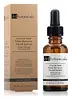
This anti-aging serum is formulated around Snail Secretion Filtrate and Palmitoyl Tripeptide-1 to soften the look of wrinkles and hydrate skin.
This anti-aging serum is formulated around Ascorbyl Tetraisopalmitate and Palmitoyl Oligopeptide to soften the look of wrinkles.


What's inside
What's inside
 Key Ingredients
Benefits
Concerns
Ingredients Side-by-side
Water
Skin ConditioningCarbomer
Emulsion StabilisingGlycerin
Humectant


PEG-7 Glyceryl Cocoate
Emulsifying




Butylene Glycol
Humectant
Allantoin
Skin Conditioning

Polylactic Acid
Abrasive
Disodium EDTA
ChelatingSnail Secretion Filtrate
Skin Conditioning
Dehydroacetic Acid
Preservative
Hydrolyzed Pearl
Skin ConditioningEthylhexylglycerin
Skin ConditioningParfum
Masking


Aloe Barbadensis Leaf Juice Powder
Skin Conditioning
Ascorbyl Glucoside
Antioxidant



Charcoal Powder
Abrasive

Hippophae Rhamnoides Fruit Oil
Skin Protecting
Pumice
Abrasive
Tocopheryl Acetate
Antioxidant
Isomalt
HumectantPhenoxyethanol
Preservative
Benzyl Salicylate
Perfuming
Glucose
Humectant
Hexyl Cinnamal
Perfuming
Aloe Barbadensis Leaf Extract
Emollient
Citronellol
Perfuming
Rosa Damascena Flower Oil
Masking
Limonene
Perfuming
Pelargonium Graveolens Flower Oil
Masking
Benzyl Alcohol
Perfuming
Palmitoyl Tripeptide-1
Skin Conditioning

Palmitoyl Tetrapeptide-7
Skin Conditioning
Butyrospermum Parkii Seedcake Extract
Skin Protecting
Sodium Hydroxide
BufferingGeraniol
Perfuming
Linalool
Perfuming
Citrus Aurantium Flower Oil
Perfuming
Sodium Lactate
Buffering
Subtilisin
Skin ConditioningLecithin
Emollient
Rhododendron Ferrugineum Leaf Cell Culture Extract
Skin ConditioningDipeptide Diaminobutyroyl Benzylamide Diacetate
Skin Conditioning
Polysorbate 20
Emulsifying
Sodium Benzoate
Masking
Lactic Acid
Buffering


CI 17200
Cosmetic ColorantWater, Carbomer, Glycerin, PEG-7 Glyceryl Cocoate, Butylene Glycol, Allantoin, Polylactic Acid, Disodium EDTA, Snail Secretion Filtrate, Dehydroacetic Acid, Hydrolyzed Pearl, Ethylhexylglycerin, Parfum, Aloe Barbadensis Leaf Juice Powder, Ascorbyl Glucoside, Charcoal Powder, Hippophae Rhamnoides Fruit Oil, Pumice, Tocopheryl Acetate, Isomalt, Phenoxyethanol, Benzyl Salicylate, Glucose, Hexyl Cinnamal, Aloe Barbadensis Leaf Extract, Citronellol, Rosa Damascena Flower Oil, Limonene, Pelargonium Graveolens Flower Oil, Benzyl Alcohol, Palmitoyl Tripeptide-1, Palmitoyl Tetrapeptide-7, Butyrospermum Parkii Seedcake Extract, Sodium Hydroxide, Geraniol, Linalool, Citrus Aurantium Flower Oil, Sodium Lactate, Subtilisin, Lecithin, Rhododendron Ferrugineum Leaf Cell Culture Extract, Dipeptide Diaminobutyroyl Benzylamide Diacetate, Polysorbate 20, Sodium Benzoate, Lactic Acid, CI 17200
Water
Skin ConditioningButylene Glycol
Humectant
PEG-40 Hydrogenated Castor Oil
Emulsifying
Glycerin
Humectant
Ethylhexyl Methoxycinnamate
UV Absorber

Sorbitol
Humectant
Tocopheryl Acetate
Antioxidant
C12-15 Alkyl Benzoate
AntimicrobialAscorbyl Tetraisopalmitate
Antioxidant
Sodium Lactate
Buffering
Hydrolyzed Jojoba Esters
Skin Conditioning
Polysorbate 20
Emulsifying
Palmitoyl Oligopeptide
Cleansing
Palmitoyl Tetrapeptide-7
Skin Conditioning
Tribehenin
Emollient
Ceramide Ng
Skin Conditioning
PEG-10 Phytosterol
EmulsifyingPalmitoyl Hexapeptide-12
Skin Conditioning
Carbomer
Emulsion StabilisingTea-Lactate
HumectantSerine
Masking
Lactic Acid
Buffering
Urea
Buffering
Allantoin
Skin Conditioning
Retinyl Propionate
Skin Conditioning
Sodium Chloride
MaskingDisodium EDTA
ChelatingHelianthus Annuus Seed Oil
Emollient
BHT
Antioxidant
Acrylates/C10-30 Alkyl Acrylate Crosspolymer
Emulsion StabilisingRosmarinus Officinalis Leaf Extract
AntimicrobialEpigallocatechin Gallate
Antioxidant
Xanthan Gum
EmulsifyingLycopene
Antioxidant
Sodium Hydroxide
BufferingSodium Ascorbate
Antioxidant
Tocopherol
Antioxidant
Glucose
Humectant
Corn Starch Modified
AbsorbentZea Mays Starch
Absorbent
Sodium Benzoate
Masking
Water, Butylene Glycol, PEG-40 Hydrogenated Castor Oil, Glycerin, Ethylhexyl Methoxycinnamate, Sorbitol, Tocopheryl Acetate, C12-15 Alkyl Benzoate, Ascorbyl Tetraisopalmitate, Sodium Lactate, Hydrolyzed Jojoba Esters, Polysorbate 20, Palmitoyl Oligopeptide, Palmitoyl Tetrapeptide-7, Tribehenin, Ceramide Ng, PEG-10 Phytosterol, Palmitoyl Hexapeptide-12, Carbomer, Tea-Lactate, Serine, Lactic Acid, Urea, Allantoin, Retinyl Propionate, Sodium Chloride, Disodium EDTA, Helianthus Annuus Seed Oil, BHT, Acrylates/C10-30 Alkyl Acrylate Crosspolymer, Rosmarinus Officinalis Leaf Extract, Epigallocatechin Gallate, Xanthan Gum, Lycopene, Sodium Hydroxide, Sodium Ascorbate, Tocopherol, Glucose, Corn Starch Modified, Zea Mays Starch, Sodium Benzoate
Ingredients Explained
These ingredients are found in both products.
Ingredients higher up in an ingredient list are typically present in a larger amount.
Allantoin is a soothing ingredient known for its protective and moisturizing properties; it's basically a quiet workhorse ingredient you can find in a huge range of cosmetics.
Though it can be derived from the comfrey plant, allantoin is produced synthetically for cosmetic products to ensure purity.
Research shows it can encourage your skin cells to turn over and renew by stimulating keratinocyte and fibroblast proliferation.
It also has mild keratolytic properties to help loosen and shed dead skin cells without being harsh.
Studies also suggest allantoin can help calm inflammation by dialing down some of the chemical signals your skin sends out when it is irritated.
This ingredient is typically used in the 0.1-0.5% range, and the FDA recognizes it as a skin protectant in OTC products up to 2%.
Overall, allantoin is a wonderful addition to most routines; it is stable across a wide pH range (~4-8), works well with other ingredients, and is considered non-sensitizing/non-irritating.
Fun fact: Allantoin is naturally occurring in comfrey root, beets, chamomile, and wheat sprouts. Our bodies even produce it as a byproduct of uric acid metabolism.
Learn more about AllantoinButylene Glycol (or BG) is used within cosmetic products for a few different reasons:
Overall, Butylene Glycol is a safe and well-rounded ingredient that works well with other ingredients.
Though this ingredient works well with most skin types, some people with sensitive skin may experience a reaction such as allergic rashes, closed comedones, or itchiness.
Learn more about Butylene GlycolCarbomer is a synthetic thickening and gelling agent. It's basically the ingredient that gives a lot of serums, gels, creams, and sunscreens their smooth, non-sticky texture.
Although legally permitted at very high levels, carbomers are normally used at concentrations below 1%.
It also needs to be neutralized to actually thicken, and because it is a large molecule, it doesn't really penetrate the skin barrier.
Allergy-wise, the risk is very low. Clinical studies show carbomers have low potential for skin irritation/sensitization even at concentrations up to 100%.
A 2024 UK study patch-tested 1,302 patients and found true allergy to the parent group of carbomer to be rare with no confirmed relevant reactions.
Learn more about CarbomerDisodium EDTA is a chelating agent. It grabs onto and deactivates metal ions that sneak into your products from water, packaging, or air.
This ingredient mainly works behind the scenes and helps with:
On top of that, this ingredient can counteract the effects of hard water by binding to the minerals in it.
One thing worth knowing is that Disodium EDTA has been shown to be a mild penetration enhancer. It can help other ingredients absorb into skin more effectively which can be a double-edged sword (great for actives, but can also make the active too strong if you have sensitive skin).
Clinical patch testing showed no significant skin irritation at typical use concentrations and minimal dermal absorption.
You'll most likely see this ingredient near the end of an ingredient list. It's typically found in concentrations less than 1%.
Learn more about Disodium EDTAGlucose is a simple sugar (a monosaccharide). In skincare, it is mostly a humectant and skin conditioning agent.
Mechanistically, it has multiple hydroxyl groups that hydrogen-bond to water. This pulls moisture into the upper layers of skin to keep the surface soft and hydrated.
It's worth knowing sugars are already a natural component of the skin's NMF (natural moisturizing factor) so it's a molecule that your stratum corneum is well-acquainted with.
Just so you know, glucose is hydrophilic (water-loving) and the stratum corneum is a strong barrier to hydrophilic compounds. This just means penetration is slow and most of the action is happening on the surface.
Gram-to-gram, glucose is not as efficient as a humectant as glycerin. This is why you'll likely see glycose paired with stronger humectants for a bigger hydration payoff.
In skincare, glucose is typically derived from corn or other starch sources.
Learn more about GlucoseGlycerin (or glycerol) is a compound naturally found in your skin. It's a powerhouse humectant that pulls water into the stratum corneum.
Topically, glycerin does several things at once:
Your skin makes glycerin on its own (mostly from sebaceous oil breakdown) and shuttles it to your outermost layer of skin, or your epidermis, via aquaporin-3.
Aquaporin-3 is a transporter that is essential for normal skin hydration, elasticity, and repair. Interestingly, mice lacking in AQP3 have dry and less elastic skin that can be fully corrected with glycerin.
This ingredient is non-irritating, plays well with almost every ingredient, and works across all skin types. Typical use is anywhere between 3-10% but can go up to 79% in some leave-on products.
Just know very high concentrations (>40%) can feel tacky in low humidity.
Glycerin is the name for this ingredient in American English. British English uses Glycerol/Glycerine.
Learn more about GlycerinLactic Acid is another well-loved alpha hydroxy acid (AHA). It is gentler than glycolic acid but still highly effective.
Its main role is to exfoliate the surface of the skin by loosening the “glue” that holds dead skin cells together. Shedding those old cells leads to smoother, softer, and more even-toned skin.
Because lactic acid molecules are larger than glycolic acid, they don’t penetrate as deeply. This means they’re less likely to sting or irritate, making it a great choice for beginners or those with sensitive skin.
Like glycolic acid, it can:
Lactic acid also acts as a humectant (like hyaluronic acid). It can draw water into the skin to improve hydration and also plays a role in the skin's natural moisturizing factor (NMF) in the form of sodium lactate.
Studies show it can boost ceramide production to strengthen the skin barrier and even help balance the skin’s microbiome.
To get results, choose products with a pH between 3-4.
Lower strengths (5-12%) focus on surface exfoliation; higher strengths (12% and up) can reach deeper in the dermis (deeper, supportive layer) to improve skin texture and firmness over time.
Though it was originally derived from milk, most modern lactic acid used in skincare is vegan. It is made through non-dairy fermentation to create a bio-identical and stable form suitable for all formulations.
When lactic acid shows up near the end of an ingredient list, it usually means the brand added just a tiny amount to adjust the product’s pH.
Legend has it that Cleopatra used to bathe in sour milk to help reduce wrinkles.
Lactic acid is truly a gentle multitasker: it exfoliates, hydrates, strengthens, and brightens. It's a great ingredient for giving your skin a smooth, glowing, and healthy look without the harshness of stronger acids.
Read more about some other popular AHA's here:
Learn more about Lactic AcidPalmitoyl Tetrapeptide-7 (formerly Palmitoyl Tetrapeptide-3) is a synthetic peptide. Its main job is to fight what researchers call "inflammaging".
"Inflammaging" is the slow, low-grade chronic inflammation that quietly breaks down collagen as we age.
This ingredient calms down a specific inflammation signal in your skin cells (called IL-6). When left unchecked, this signal triggers enzymes that break down collagen and elastin.
Clinical testing showed statistically significant improvements in:
Studies also found the more of this ingredient used, the more your skin produces Collagen I, fibronectin, and hyaluronic acid.
You'll likely see this ingredient paired with Palmitoyl Tripeptide-1 in the well-known Matrixyl 3000 complex for enhanced anti-aging effects.
A 3% concentration applied twice daily for two months showed meaningful skin rejuvenation results in clinical panels.
Fungal acne note:
Usually a palmitic acid component can feed Malassezia in unbound form, but here is is covalently bonded to the peptide. This means it is very difficult for Malassezia to access, and therefore very unlikely to cause fungal acne.
Polysorbate 20 is a gentle, water-soluble emulsifier and mild surfactant. It stops oil and water from separating to keep your formulas blended and stable.
It also acts as a mild penetration enhancer by helping active ingredients absorb slightly better.
The common safety discussion around this ingredient involves a manufacturing byproduct called 1,4-dioxane.
Trace amounts can form during production but the EU's Scientific Committee on Consumer Safety has concluded that levels at/below 10 ppm in finished products are safe (commercial products consistently fall within acceptable margins).
True allergic reactions are uncommon and the CIR Expert Panel has confirmed this ingredient to be safe as used in cosmetics.
Because it is derived from lauric acid, it may not be fungal acne safe.
Learn more about Polysorbate 20Sodium Benzoate is a preservative. It's used in both cosmetic and food products to inhibit the growth of mold and bacteria. It is typically produced synthetically.
Both the US FDA and EU Health Committee have approved the use of sodium benzoate. In the US, levels of 0.1% (of the total product) are allowed.
Sodium benzoate works as a preservative by inhibiting the growth of bacteria inside of cells. It prevents the cell from fermenting a type of sugar using an enzyme called phosphofructokinase.
It is the salt of benzoic acid. Foods containing sodium benzoate include soda, salad dressings, condiments, fruit juices, wines, and snack foods.
Studies for using ascorbic acid and sodium benzoate in cosmetics are lacking, especially in skincare routines with multiple steps.
We always recommend speaking with a professional, such as a dermatologist, if you have any concerns.
Learn more about Sodium BenzoateSodium Hydroxide is also known as lye or caustic soda. It is used to adjust the pH of products; many ingredients require a specific pH to be effective.
In small amounts, sodium hydroxide is considered safe to use. However, large amounts may cause chemical burns due to its high alkaline.
Your skin has a natural pH and acid mantle. This acid mantle helps prevent harmful bacteria from breaking through. The acid mantle also helps keep your skin hydrated.
"Alkaline" refers to a high pH level. A low pH level would be considered acidic.
Learn more about Sodium HydroxideSodium Lactate is the sodium salt of lactic acid, an AHA. It is a humectant and sometimes used to adjust the pH of a product.
This ingredient is part of our skin's NMF, or natural moisturizing factor. Our NMF is essential for the hydration of our top skin layers and plasticity of skin. NMF also influences our skin's natural acid mantle and pH, which protects our skin from harmful bacteria.
High percentages of Sodium Lactate can have an exfoliating effect.
Fun fact: Sodium Lactate is produced from fermented sugar.
Learn more about Sodium LactateTocopheryl Acetate is a stable, shelf-friendly form of vitamin E.
Formulators love it because plain vitamin E oxidizes quickly once it hits air. This acetate version stays stable and resists going off, helping to extend a product's shelf life.
It's actually inactive on its own and works like a slow-release "storage" form; the enzymes in your skin called esterases gradually convert it into active vitamin E over time.
One in vivo study showed 5% of the acetate in the living layer of the epidermis converted to vitamin E after 5 days of application. This study also found the skin gained protection against UV damage even though the conversion was slow and small.
Once converted, vitamin E acts as a skin's main fat-soluble antioxidant that fights free radicals to protect skin from damage.
Topical vitamin E generally boosts the skin's photoprotection, and it reduced UV-damage in animal models.
This ingredient has some brightening potential but it's more of a prevention ingredient than spot-fader. Cell studies show it can slow down melanin production but it's worth noting that it's not the most powerful brightener out there.
Overall, it has a pretty solid safety profile and has been found to be non-irritating and non-comedogenic. Allergic reactions may happen but stay rare due to how widely the ingredient gets used.
The concentration will vary depending on the formula; industry data shows 0.1% in baby lotions, 3% in lipsticks, and 5% in foot powders. You can also find this ingredient at 100% in a pure vitamin E oil.
Most leave-on skincare keeps it at the lower end, often between 0.5-1%.
Learn more about Tocopheryl AcetateWater. It's the most common cosmetic ingredient of all. You'll usually see it at the top of ingredient lists, meaning that it makes up the largest part of the product.
So why is it so popular? Water most often acts as a solvent - this means that it helps dissolve other ingredients into the formulation.
You'll also recognize water as that liquid we all need to stay alive. If you see this, drink a glass of water. Remember to stay hydrated!
Learn more about Water

