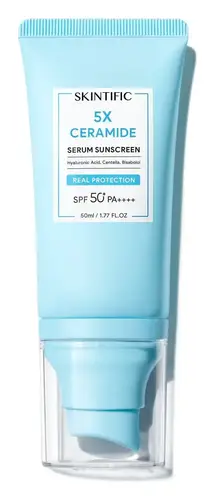
Doa Kozmetik Güneş Kremi 50 SPF (Mineral) Versus La Roche-Posay Anthelios UVMune 400 Hydrating Cream SPF 50+ Unscented
This mineral sunscreen covers the full UV range and blocks ~98% of UVB at SPF 50.
This chemical sunscreen covers the full UV range and blocks ~98% of UVB at SPF 50.

What's inside
What's inside
 Key Ingredients
Benefits
Concerns
Ingredients Side-by-side
Water
Skin ConditioningAloe Barbadensis Leaf Juice
Skin Conditioning


Zinc Oxide
Cosmetic Colorant


Cetearyl Alcohol
Emollient






Glyceryl Stearate
Emollient
Calophyllum Inophyllum Seed Oil
Antimicrobial

Daucus Carota Sativa Seed Oil
Emollient
C12-15 Alkyl Benzoate
AntimicrobialPEG-100 Stearate
Surfactant
Ceteareth-25
CleansingTheobroma Cacao Seed Butter
Emollient
Glycerin
Humectant

Phenoxyethanol
Preservative
Sodium Chloride
MaskingPotassium Cetyl Phosphate
EmulsifyingButyrospermum Parkii Butter
Skin Conditioning
Tocopheryl Acetate
Antioxidant

Panthenol
Skin Conditioning
Dimethicone
Emollient
Polyhydroxystearic Acid
Emulsifying
Caprylic/Capric Triglyceride
Masking
Cetyl Palmitate
Emollient
Ceteareth-20
Cleansing
Ceteareth-12
EmulsifyingBeeswax
Emulsion Stabilising
Cyclopentasiloxane
Emollient
Caprylyl Glycol
Emollient
Tetrasodium EDTA
ChelatingSodium Hydroxide
BufferingWater, Aloe Barbadensis Leaf Juice, Zinc Oxide, Cetearyl Alcohol, Glyceryl Stearate, Calophyllum Inophyllum Seed Oil, Daucus Carota Sativa Seed Oil, C12-15 Alkyl Benzoate, PEG-100 Stearate, Ceteareth-25, Theobroma Cacao Seed Butter, Glycerin, Phenoxyethanol, Sodium Chloride, Potassium Cetyl Phosphate, Butyrospermum Parkii Butter, Tocopheryl Acetate, Panthenol, Dimethicone, Polyhydroxystearic Acid, Caprylic/Capric Triglyceride, Cetyl Palmitate, Ceteareth-20, Ceteareth-12, Beeswax, Cyclopentasiloxane, Caprylyl Glycol, Tetrasodium EDTA, Sodium Hydroxide
Water
Skin ConditioningDiisopropyl Sebacate
EmollientAlcohol Denat.
Antimicrobial


Ethylhexyl Salicylate
UV Absorber
Ethylhexyl Triazone
UV Absorber
Bis-Ethylhexyloxyphenol Methoxyphenyl Triazine
UV Absorber
Diisopropyl Adipate
EmollientPEG-8
HumectantDipropylene Glycol
HumectantC12-22 Alkyl Acrylate/Hydroxyethylacrylate Copolymer
StabilisingGlycerin
Humectant
Drometrizole Trisiloxane
UV Absorber
Aluminum Starch Octenylsuccinate
Absorbent
Butyl Methoxydibenzoylmethane
UV Absorber
Methoxypropylamino Cyclohexenylidene Ethoxyethylcyanoacetate
Stabilising
Silica
Abrasive

Tocopherol
Antioxidant

Diethylamino Hydroxybenzoyl Hexyl Benzoate
UV Filter
Acrylates Copolymer
Acrylates/C10-30 Alkyl Acrylate Crosspolymer
Emulsion StabilisingCaprylyl Glycol
Emollient
Hydroxyacetophenone
Antioxidant
Pentaerythrityl Tetra-Di-T-Butyl Hydroxyhydrocinnamate
Antioxidant
Sodium Polyacrylate
Absorbent
Terephthalylidene Dicamphor Sulfonic Acid
UV Absorber
Triethanolamine
BufferingTrisodium Ethylenediamine Disuccinate
ChelatingWater, Diisopropyl Sebacate, Alcohol Denat., Ethylhexyl Salicylate, Ethylhexyl Triazone, Bis-Ethylhexyloxyphenol Methoxyphenyl Triazine, Diisopropyl Adipate, PEG-8, Dipropylene Glycol, C12-22 Alkyl Acrylate/Hydroxyethylacrylate Copolymer, Glycerin, Drometrizole Trisiloxane, Aluminum Starch Octenylsuccinate, Butyl Methoxydibenzoylmethane, Methoxypropylamino Cyclohexenylidene Ethoxyethylcyanoacetate, Silica, Tocopherol, Diethylamino Hydroxybenzoyl Hexyl Benzoate, Acrylates Copolymer, Acrylates/C10-30 Alkyl Acrylate Crosspolymer, Caprylyl Glycol, Hydroxyacetophenone, Pentaerythrityl Tetra-Di-T-Butyl Hydroxyhydrocinnamate, Sodium Polyacrylate, Terephthalylidene Dicamphor Sulfonic Acid, Triethanolamine, Trisodium Ethylenediamine Disuccinate
Reviews
Ingredients Explained
These ingredients are found in both products.
Ingredients higher up in an ingredient list are typically present in a larger amount.
Caprylyl Glycol is a humectant, skin conditioner, emollient, and preservative booster derived from either caprylic acid or synthetically created.
Typical use levels vary from 0.3-1% as a preservative booster and go up to 2% to condition skin.
Because it is not a free-fatty acid, this ingredient is fungal acne safe (there's nothing for Malassezia to feed on).
Learn more about Caprylyl GlycolGlycerin (or glycerol) is a compound naturally found in your skin. It's a powerhouse humectant that pulls water into the stratum corneum.
Topically, glycerin does several things at once:
Your skin makes glycerin on its own (mostly from sebaceous oil breakdown) and shuttles it to your outermost layer of skin, or your epidermis, via aquaporin-3.
Aquaporin-3 is a transporter that is essential for normal skin hydration, elasticity, and repair. Interestingly, mice lacking in AQP3 have dry and less elastic skin that can be fully corrected with glycerin.
This ingredient is non-irritating, plays well with almost every ingredient, and works across all skin types. Typical use is anywhere between 3-10% but can go up to 79% in some leave-on products.
Just know very high concentrations (>40%) can feel tacky in low humidity.
Glycerin is the name for this ingredient in American English. British English uses Glycerol/Glycerine.
Learn more about GlycerinWater. It's the most common cosmetic ingredient of all. You'll usually see it at the top of ingredient lists, meaning that it makes up the largest part of the product.
So why is it so popular? Water most often acts as a solvent - this means that it helps dissolve other ingredients into the formulation.
You'll also recognize water as that liquid we all need to stay alive. If you see this, drink a glass of water. Remember to stay hydrated!
Learn more about Water