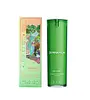
This barrier-repair serum is formulated around Squalane and Ectoin to strengthen the skin barrier and calm redness.
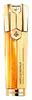
This smoothing serum is formulated around Gluconolactone and Royal Jelly to refine skin texture and soften the look of wrinkles.


What's inside
What's inside
 Key Ingredients
Benefits
Concerns
Ingredients Side-by-side
Water
Skin ConditioningCaprylic/Capric Triglyceride
Masking


Propanediol
Solvent
Glycerin
Humectant
Dimethicone
Emollient
Isoamyl Laurate
Emollient

Pentylene Glycol
Skin Conditioning
Squalane
Emollient
Saccharide Isomerate
Humectant
1,2-Hexanediol
Skin Conditioning
Ectoin
Skin Conditioning

Butylene Glycol
Humectant
Alpha-Glucan Oligosaccharide
Cleansing
Biosaccharide Gum-4
Skin Conditioning
Centella Asiatica Leaf Extract
Skin Conditioning
Dipropylene Glycol
HumectantBoswellia Serrata Gum
Masking
Laminaria Ochroleuca Extract
Skin Conditioning
Carnosine
Skin Conditioning
Ergothioneine
Antioxidant

Micrococcus Lysate
Skin ConditioningAvena Sativa Kernel Extract
Abrasive
Arabidopsis Thaliana Extract
Antioxidant
Plankton Extract
Skin ConditioningLecithin
Emollient
Hydroxyacetophenone
Antioxidant
Methoxy PEG/PPG-25/4 Dimethicone
Emulsifying
Hydroxyethyl Acrylate/Sodium Acryloyldimethyl Taurate Copolymer
Emulsion StabilisingMethyl Cyclodextrin
Chelating7-Dehydrocholesterol
Emulsion StabilisingDimethylmethoxy Chromanol
Antioxidant
Sodium Hyaluronate
Humectant
Milk Protein
Skin ConditioningBisabolol
Antioxidant
Divinyldimethicone/Dimethicone Crosspolymer
Skin Conditioning
Bis-PEG/PPG-20/5 PEG/PPG-20/5 Dimethicone
Emulsifying
Tetrasodium Glutamate Diacetate
ChelatingAcacia Senegal Gum
MaskingCaprylyl Glycol
Emollient
Polyacrylate Crosspolymer-6
Emulsion StabilisingXanthan Gum
EmulsifyingO-Cymen-5-Ol
Antimicrobial
Pentaerythrityl Tetra-Di-T-Butyl Hydroxyhydrocinnamate
Antioxidant
Lactic Acid
Buffering






Lactose
HumectantCitric Acid
Buffering
Sodium Citrate
BufferingSodium Dehydroacetate
Preservative
Phenoxyethanol
Preservative
Sodium Hydroxide
BufferingWater, Caprylic/Capric Triglyceride, Propanediol, Glycerin, Dimethicone, Isoamyl Laurate, Pentylene Glycol, Squalane, Saccharide Isomerate, 1,2-Hexanediol, Ectoin, Butylene Glycol, Alpha-Glucan Oligosaccharide, Biosaccharide Gum-4, Centella Asiatica Leaf Extract, Dipropylene Glycol, Boswellia Serrata Gum, Laminaria Ochroleuca Extract, Carnosine, Ergothioneine, Micrococcus Lysate, Avena Sativa Kernel Extract, Arabidopsis Thaliana Extract, Plankton Extract, Lecithin, Hydroxyacetophenone, Methoxy PEG/PPG-25/4 Dimethicone, Hydroxyethyl Acrylate/Sodium Acryloyldimethyl Taurate Copolymer, Methyl Cyclodextrin, 7-Dehydrocholesterol, Dimethylmethoxy Chromanol, Sodium Hyaluronate, Milk Protein, Bisabolol, Divinyldimethicone/Dimethicone Crosspolymer, Bis-PEG/PPG-20/5 PEG/PPG-20/5 Dimethicone, Tetrasodium Glutamate Diacetate, Acacia Senegal Gum, Caprylyl Glycol, Polyacrylate Crosspolymer-6, Xanthan Gum, O-Cymen-5-Ol, Pentaerythrityl Tetra-Di-T-Butyl Hydroxyhydrocinnamate, Lactic Acid, Lactose, Citric Acid, Sodium Citrate, Sodium Dehydroacetate, Phenoxyethanol, Sodium Hydroxide
Water
Skin ConditioningGlycerin
Humectant
Propanediol
Solvent
Alcohol
Antimicrobial

Gluconolactone
Chelating

Butylene Glycol
Humectant
Pentylene Glycol
Skin Conditioning
Caprylic/Capric Triglyceride
Masking
Squalane
Emollient
Mel
EmollientDiglycerin
Humectant
Mel Extract
MoisturisingRoyal Jelly
Sodium Hydroxide
BufferingPolyacrylate Crosspolymer-6
Emulsion StabilisingLauroyl Lysine
Skin Conditioning
Coco-Caprylate/Caprate
Emollient
Glyceryl Stearate
Emollient
Limnanthes Alba Seed Oil
Skin Conditioning
Avena Sativa Kernel Extract
Abrasive
Parfum
Masking
Glycolic Acid
Buffering
Sorbitol
Humectant
Chlorphenesin
Antimicrobial
Carbomer
Emulsion StabilisingCitric Acid
Buffering
PPG-26-Buteth-26
Skin ConditioningLactic Acid
Buffering
Sodium Magnesium Silicate
Dimethicone
Emollient
Xanthan Gum
EmulsifyingSodium Hyaluronate
Humectant
Sodium Stearoyl Glutamate
CleansingPEG-40 Hydrogenated Castor Oil
Emulsifying
Algin
MaskingSodium Benzoate
Masking
Sodium Citrate
BufferingHydrolyzed Soy Flour
Skin ConditioningMalva Sylvestris Extract
AstringentAlbizia Julibrissin Bark Extract
MaskingTrisodium Ethylenediamine Disuccinate
ChelatingHydroxyacetophenone
Antioxidant
Adenosine
Skin Conditioning
Rosmarinus Officinalis Leaf Extract
AntimicrobialPolyvinyl Alcohol
Biosaccharide Gum-2
Skin ConditioningCaprylyl Glycol
Emollient
Caramel
Cosmetic ColorantCellulose Gum
Emulsion StabilisingPotassium Sorbate
Preservative
CI 77492
Cosmetic ColorantLactobacillus Ferment Lysate
Skin Conditioning
Yeast Ferment Extract
Skin ConditioningSilica
Abrasive
CI 77491
Cosmetic ColorantWater, Glycerin, Propanediol, Alcohol, Gluconolactone, Butylene Glycol, Pentylene Glycol, Caprylic/Capric Triglyceride, Squalane, Mel, Diglycerin, Mel Extract, Royal Jelly, Sodium Hydroxide, Polyacrylate Crosspolymer-6, Lauroyl Lysine, Coco-Caprylate/Caprate, Glyceryl Stearate, Limnanthes Alba Seed Oil, Avena Sativa Kernel Extract, Parfum, Glycolic Acid, Sorbitol, Chlorphenesin, Carbomer, Citric Acid, PPG-26-Buteth-26, Lactic Acid, Sodium Magnesium Silicate, Dimethicone, Xanthan Gum, Sodium Hyaluronate, Sodium Stearoyl Glutamate, PEG-40 Hydrogenated Castor Oil, Algin, Sodium Benzoate, Sodium Citrate, Hydrolyzed Soy Flour, Malva Sylvestris Extract, Albizia Julibrissin Bark Extract, Trisodium Ethylenediamine Disuccinate, Hydroxyacetophenone, Adenosine, Rosmarinus Officinalis Leaf Extract, Polyvinyl Alcohol, Biosaccharide Gum-2, Caprylyl Glycol, Caramel, Cellulose Gum, Potassium Sorbate, CI 77492, Lactobacillus Ferment Lysate, Yeast Ferment Extract, Silica, CI 77491
Ingredients Explained
These ingredients are found in both products.
Ingredients higher up in an ingredient list are typically present in a larger amount.
Avena Sativa Kernel Extract is is derived from colloidal oatmeal. Besides being a healthy breakfast, oats have many benefits in skincare too.
This ingredient helps sooth, hydrate, and protect the skin. The starches in colloidal oatmeal are able to bind water, keeping the skin hydrated.
The cellulose and fiber in colloidal oatmeal help reduce inflammation. This can also help the skin feel softer.
Colloidal Oatmeal is also an antioxidant. Antioxidants protect our skin from free-radical damage.
Oatmeal also contains beneficial compounds:
This ingredient is created by mixing grounded oatmeal and a liquid base.
Learn more about Avena Sativa Kernel ExtractButylene Glycol (or BG) is used within cosmetic products for a few different reasons:
Overall, Butylene Glycol is a safe and well-rounded ingredient that works well with other ingredients.
Though this ingredient works well with most skin types, some people with sensitive skin may experience a reaction such as allergic rashes, closed comedones, or itchiness.
Learn more about Butylene GlycolCaprylic/Capric Triglyceride (aka MCT Oil) is a lightweight emollient, solvent, and texture enhancer. It is considered a skin-softener by helping to prevent moisture loss.
Though it behaves like an oil, it is not technically one due to its chemical composition. One perk of this ingredient is that it is very stable, resistant to oxidation, and unlikely to go rancid.
In practice, that translates to a long shelf life and a consistently elegant skin feel.
While there is an assumption Caprylic Triglyceride can clog pores due to it being derived from coconut oil, there is no research supporting this. Just patch test if you have concerns.
Fractionated coconut oil and MCT Oil are both listed as Caprylic/Capric Triglyceride according to INCI. This is because INCI names are based on the ingredient’s final chemical composition and not its marketing name or source.
This ingredient is treated as the gold standard fungal acne safe oil. Even though it is coconut derived, the problematic lauric acid is stripped out.
This leaves just caprylic (C8) and capric (C10) acid. These chain lengths actually trend antifungal; a 2020 study found caprylic acid was enough to disrupt Malassezia furfur cell membrane, with a caprylic acid derivative damaging membrane structures at concentrations as low as 0.2%.
Learn more about Caprylic/Capric TriglycerideCaprylyl Glycol is a humectant, skin conditioner, emollient, and preservative booster derived from either caprylic acid or synthetically created.
Typical use levels vary from 0.3-1% as a preservative booster and go up to 2% to condition skin.
Because it is not a free-fatty acid, this ingredient is fungal acne safe (there's nothing for Malassezia to feed on).
Learn more about Caprylyl GlycolCitric Acid is an alpha hydroxy acid (AHA) naturally found in citrus fruits like oranges, lemons, and limes.
Like other AHAs, citric acid can exfoliate skin by breaking down the bonds that hold dead skin cells together. This helps reveal smoother and brighter skin underneath.
However, this exfoliating effect only happens at high concentrations (20%) which can be hard to find in cosmetic products.
Due to this, citric acid is usually included in small amounts as a pH adjuster. This helps keep products slightly more acidic and compatible with skin's natural pH.
In skincare formulas, citric acid can:
While it can provide some skin benefits, research shows lactic acid and glycolic acid are generally more effective and less irritating exfoliants.
Most citric acid used in skincare today is made by fermenting sugars (usually from molasses). This synthetic version is identical to the natural citrus form but easier to stabilize and use in formulations.
Rosacea skin has a lower threshold for acids generally, with 62.5% of rosacea subjects in one study reacting to lactic acid in a sting test. This is why we mark citric acid as a potential rosacea trigger.
However, this ingredient shows up as a pH adjuster or chelator at roughly 0.1-1% in many products. These low levels are unlikely to be an issue for rosacea skin and becomes a potential trigger at exfoliating concentrations (20%). Because everybody's skin is unique, we recommend a patch test if you are unsure.
Learn more about Citric AcidDimethicone is a type of synthetic silicone created from natural materials such as quartz. It is also known as polydimethylsiloxane.
What it does:
Dimethicone comes in different viscosities:
Depending on the viscosity, dimethicone has different properties.
Ingredients lists don't always show which type is used, so we recommend reaching out to the brand if you have questions about the viscosity.
This ingredient is unlikely to cause irritation because it does not get absorbed into skin. However, people with silicone allergies should be careful about using this ingredient.
Note: Dimethicone may contribute to pilling. This is because it is not oil or water soluble, so pilling may occur when layered with products. When mixed with heavy oils in a formula, the outcome is also quite greasy.
Learn more about DimethiconeGlycerin (or glycerol) is a compound naturally found in your skin. It's a powerhouse humectant that pulls water into the stratum corneum.
Topically, glycerin does several things at once:
Your skin makes glycerin on its own (mostly from sebaceous oil breakdown) and shuttles it to your outermost layer of skin, or your epidermis, via aquaporin-3.
Aquaporin-3 is a transporter that is essential for normal skin hydration, elasticity, and repair. Interestingly, mice lacking in AQP3 have dry and less elastic skin that can be fully corrected with glycerin.
This ingredient is non-irritating, plays well with almost every ingredient, and works across all skin types. Typical use is anywhere between 3-10% but can go up to 79% in some leave-on products.
Just know very high concentrations (>40%) can feel tacky in low humidity.
Glycerin is the name for this ingredient in American English. British English uses Glycerol/Glycerine.
Learn more about GlycerinHydroxyacetophenone is a small phenolic molecule that earns its place in a formulas as an antioxidant and preservative booster.
As a phenol, it is able to neutralize free radicals to protect both the product and the skin from oxidative stress.
Though it can't kill microbes on its own, it works as a good supporting agent when combined with other preservatives like Phenoxyethanol or 1,2-Hexanediol.
This ingredient naturally occurs as piceol in Norwegian spruce needles (~0.4-1.1% dry weight and in cloudberries). Though the cosmetic-grade material is synthesized for purity and consistency.
You'll usually see it used at low levels and suppliers recommend up to 1% added to a water phase.
Safety testing was done at concentrations like 0.05% in SPF products and 0.5% in a Human Repeated Insult Patch Test. The safety evidence is assuring; this ingredient is safe for cosmetics in current use and also holds safety status as a food flavoring as well.
An honest caveat: the "soothing" and "anti-inflammatory" claims come mostly from supplier marketing rather than published clinical trials. The Cosmetic Ingredient Review's own literature search found no useful efficacy studies on this ingredient.
So the antioxidant and preservative-boosting roles are the well supported ones while the calming benefit is plausible but thinly evidenced.
Overall, this is a well-tolerated, low-irritation multitasker that quietly helps a formula stay fresh and stable.
Learn more about HydroxyacetophenoneLactic Acid is another well-loved alpha hydroxy acid (AHA). It is gentler than glycolic acid but still highly effective.
Its main role is to exfoliate the surface of the skin by loosening the “glue” that holds dead skin cells together. Shedding those old cells leads to smoother, softer, and more even-toned skin.
Because lactic acid molecules are larger than glycolic acid, they don’t penetrate as deeply. This means they’re less likely to sting or irritate, making it a great choice for beginners or those with sensitive skin.
Like glycolic acid, it can:
Lactic acid also acts as a humectant (like hyaluronic acid). It can draw water into the skin to improve hydration and also plays a role in the skin's natural moisturizing factor (NMF) in the form of sodium lactate.
Studies show it can boost ceramide production to strengthen the skin barrier and even help balance the skin’s microbiome.
To get results, choose products with a pH between 3-4.
Lower strengths (5-12%) focus on surface exfoliation; higher strengths (12% and up) can reach deeper in the dermis (deeper, supportive layer) to improve skin texture and firmness over time.
Though it was originally derived from milk, most modern lactic acid used in skincare is vegan. It is made through non-dairy fermentation to create a bio-identical and stable form suitable for all formulations.
When lactic acid shows up near the end of an ingredient list, it usually means the brand added just a tiny amount to adjust the product’s pH.
Legend has it that Cleopatra used to bathe in sour milk to help reduce wrinkles.
Lactic acid is truly a gentle multitasker: it exfoliates, hydrates, strengthens, and brightens. It's a great ingredient for giving your skin a smooth, glowing, and healthy look without the harshness of stronger acids.
Read more about some other popular AHA's here:
Learn more about Lactic AcidPentylene Glycol (1,2-pentanediol) is a multitasking little diol with three main roles in a formula:
Research on alkanediols (the family pentylene glycol belongs to) show they work by disrupting microbial cell membranes. This disruption helps the primary preservative system in a product work more effectively at lower doses.
On the safety side, the Cosmetic Ingredient Review Expert Panel has concluded this ingredient to be safe as used in current cosmetic practices + concentrations.
Typical use levels in a formula run about 1-5%.
Learn more about Pentylene GlycolPolyacrylate Crosspolymer-6 is a texture enhancer and pH adjuster.
It is be used to thicken water-based products and create a gel-texture with a velvet feel.
One manufacturer claims this ingredient to have a pH range of 2-8 and to be biodegradable.
This ingredient is also known as Sepimax Zen.
Learn more about Polyacrylate Crosspolymer-6Propanediol is an all-star ingredient. It softens, hydrates, and smooths the skin.
It’s often used to:
Propanediol is not likely to cause sensitivity and considered safe to use. It is derived from corn or petroleum with a clear color and no scent.
Learn more about PropanediolSodium Citrate is the sodium salts of citric acid. In skincare, it is used to alter pH levels and acts as a preservative.
Its main functions are to maintain the pH of a product and neutralize metal ions.
The acidity of our skin is maintained by our glands and skin biome; normal pH level of skin is slightly acidic (~4.75-5.5).
Being slightly acidic allows our skin to create an "acid mantle". This acid mantle is a thin barrier that protects our skin from bacteria and contaminants.
Learn more about Sodium CitrateSodium Hyaluronate is the salt form of hyaluronic acid. It is a long sugar chain that is naturally found in your skin, joints, and connective tissue that maintains hydration and elasticity.
In skincare, it works as a humectant. It pulls water from the environment and deeper layers of skin and binds it to the surface.
Interestingly, the size of the molecule affects its behavior:
Some clinical evidence links low molecular weight versions to improved wrinkle depth, elasticity, anti-inflammatory effects, and barrier repair.
Many serums use a blend of both weights so you can get surface hydration plus longer-lasting and deeper effects.
You'll typically see concentrations between 0.1-2% for this ingredient.
Learn more about Sodium HyaluronateSodium Hydroxide is also known as lye or caustic soda. It is used to adjust the pH of products; many ingredients require a specific pH to be effective.
In small amounts, sodium hydroxide is considered safe to use. However, large amounts may cause chemical burns due to its high alkaline.
Your skin has a natural pH and acid mantle. This acid mantle helps prevent harmful bacteria from breaking through. The acid mantle also helps keep your skin hydrated.
"Alkaline" refers to a high pH level. A low pH level would be considered acidic.
Learn more about Sodium HydroxideSqualane is the hydrogenated and shelf-stable form of squalene (a lipid that naturally occurs in human sebum).
It is an emollient and skin conditioning agent that is able to integrate seamlessly into the skin's lipid barrier without clogging pores.
This is due to how structurally similar it is to what your skin already produces.
Though it is mostly an emollient that helps soften and hydrate skin, it also has some humectant and occlusive action. Humectants help the skin retain moisture while occlusives seal it in, making squalane a triple-threat moisturizer.
Research shows it has antioxidant capabilities that help protect against stressors like UV exposure, specifically UVA induced oxidative stress. This study also found that it supports collagen biosynthesis in human dermal fibroblasts.
No clinical study has reported significant adverse effects and irritation reactions are very rare from this ingredient (even at 100% concentration).
Overall, it's a fantastic ingredient for hydration and is suitable for all skin types.
This depends on the source. Squalane can be derived from both plants and animals. Most squalane used in skincare comes from plants.
Please note: the source of squalane is only known if disclosed by the brand. We recommend reaching out to the brand if you have any questions about their squalane.
Read more about squalene with an "e".
Though squalane is often called an oil, it’s technically not one. It is a hydrocarbon, meaning it is only made of carbon and hydrogen. True oils are triglycerides and made of fatty acids and glycerol.
The term “oil-free” isn’t regulated so companies can define it however they want. Some exclude all oils, while others just avoid mineral oil or comedogenic oils.
Squalane has a comedogenic rating of 1 from the original 1972 study that tested raw ingredients under occlusion on rabbit ears. This system is not standardized or peer-reviewed, and using the raw ingredients is very different from how diluted cosmetic formulations are used on human skin.
A comedogenic rating of 1 means it is "unlikely to clog pores" according to the original rating system.
The overall formula of a product matters more than the individual ingredients on whether or not it will cause clogged pores.
Learn more about SqualaneWater. It's the most common cosmetic ingredient of all. You'll usually see it at the top of ingredient lists, meaning that it makes up the largest part of the product.
So why is it so popular? Water most often acts as a solvent - this means that it helps dissolve other ingredients into the formulation.
You'll also recognize water as that liquid we all need to stay alive. If you see this, drink a glass of water. Remember to stay hydrated!
Learn more about WaterXanthan gum is used as a stabilizer and thickener within cosmetic products. It helps give products a sticky, thick feeling - preventing them from being too runny.
On the technical side of things, xanthan gum is a polysaccharide - a combination consisting of multiple sugar molecules bonded together.
Xanthan gum is a pretty common and great ingredient. It is a natural, non-toxic, non-irritating ingredient that is also commonly used in food products.
Learn more about Xanthan Gum

