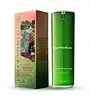
This brightening serum is formulated around Acetyl Glucosamine and Tranexamic Acid to fade the look of dark spots and calm redness.

What's inside
What's inside
 Key Ingredients
Benefits
Concerns
Ingredients Side-by-side
Water
Skin ConditioningDimethyl Sulfone
SolventPropanediol
Solvent

C15-19 Alkane
SolventPentylene Glycol
Skin Conditioning
Acetyl Glucosamine
Skin Conditioning


Isoamyl Laurate
Emollient

Tranexamic Acid
Astringent


Sodium Polyacryloyldimethyl Taurate
Emulsion StabilisingCaprylic/Capric Triglyceride
Masking
Glycerin
Humectant
1,2-Hexanediol
Skin Conditioning
Sodium Hydroxide
BufferingEthoxydiglycol
HumectantAllantoin
Skin Conditioning
Butylene Glycol
Humectant
Sodium Hyaluronate
Humectant
Acacia Senegal Gum
MaskingXanthan Gum
EmulsifyingCarnosine
Skin Conditioning
Bis-PEG/PPG-20/5 PEG/PPG-20/5 Dimethicone
Emulsifying
Methoxy PEG/PPG-25/4 Dimethicone
Emulsifying
Retinol
Skin Conditioning





Curcuma Longa Root Extract
Antioxidant

Inulin Lauryl Carbamate
Emulsion StabilisingPolysorbate 20
Emulsifying
Polyurethane Crosspolymer-1
Behentrimonium Chloride
Preservative
Sucrose Laurate
Emollient
Palmitoyl Sh-Octapeptide-24 Amide
Skin Conditioning
Lactic Acid/Glycolic Acid Copolymer
Skin ConditioningPalmitoyl Sh-Tripeptide-5 Norisoleucyl Sh-Nonapeptide-1
Skin Conditioning
Glyceryl Caprylate
EmollientDisodium EDTA
Phenoxyethanol
Preservative
Benzoic Acid
Masking
Dehydroacetic Acid
Preservative
Ethylhexylglycerin
Skin ConditioningPolyvinyl Alcohol
Methylpropanediol
SolventCaprylyl Glycol
Emollient
Phenylpropanol
Masking
Hydroxyacetophenone
Antioxidant
Tocopherol
Antioxidant
BHT
Antioxidant
Isopropyl Alcohol
Solvent

Sodium Metabisulfite
Antioxidant
Pentaerythrityl Tetra-Di-T-Butyl Hydroxyhydrocinnamate
Antioxidant
BHA
Antioxidant
Water, Dimethyl Sulfone, Propanediol, C15-19 Alkane, Pentylene Glycol, Acetyl Glucosamine, Isoamyl Laurate, Tranexamic Acid, Sodium Polyacryloyldimethyl Taurate, Caprylic/Capric Triglyceride, Glycerin, 1,2-Hexanediol, Sodium Hydroxide, Ethoxydiglycol, Allantoin, Butylene Glycol, Sodium Hyaluronate, Acacia Senegal Gum, Xanthan Gum, Carnosine, Bis-PEG/PPG-20/5 PEG/PPG-20/5 Dimethicone, Methoxy PEG/PPG-25/4 Dimethicone, Retinol, Curcuma Longa Root Extract, Inulin Lauryl Carbamate, Polysorbate 20, Polyurethane Crosspolymer-1, Behentrimonium Chloride, Sucrose Laurate, Palmitoyl Sh-Octapeptide-24 Amide, Lactic Acid/Glycolic Acid Copolymer, Palmitoyl Sh-Tripeptide-5 Norisoleucyl Sh-Nonapeptide-1, Glyceryl Caprylate, Disodium EDTA, Phenoxyethanol, Benzoic Acid, Dehydroacetic Acid, Ethylhexylglycerin, Polyvinyl Alcohol, Methylpropanediol, Caprylyl Glycol, Phenylpropanol, Hydroxyacetophenone, Tocopherol, BHT, Isopropyl Alcohol, Sodium Metabisulfite, Pentaerythrityl Tetra-Di-T-Butyl Hydroxyhydrocinnamate, BHA
Water
Skin ConditioningButylene Glycol
Humectant
Isoamyl Laurate
Emollient
Pentylene Glycol
Skin Conditioning
C15-19 Alkane
SolventIsopentyldiol
Humectant
Caprylic/Capric Triglyceride
Masking
1,2-Hexanediol
Skin Conditioning
Inulin Lauryl Carbamate
Emulsion StabilisingPropanediol
Solvent
Ectoin
Skin Conditioning
Betaine
Humectant
Bisabolol
Antioxidant
Scutellaria Baicalensis Root Extract
Astringent
Hydroxyacetophenone
Antioxidant
Morus Alba Root Extract
BleachingXanthan Gum
EmulsifyingAcacia Senegal Gum
MaskingAmmonium Acryloyldimethyltaurate/Beheneth-25 Methacrylate Crosspolymer
Emulsion StabilisingSodium Polyacryloyldimethyl Taurate
Emulsion StabilisingGlycerin
Humectant
Polyurethane Crosspolymer-1
10-Hydroxydecanoic Acid
Skin ConditioningDextran
Retinol
Skin Conditioning
Sodium Hydroxide
BufferingPhenoxyethanol
Preservative
Gluconobacter/Honey Ferment Filtrate
Skin ConditioningGlycyrrhiza Glabra Root Extract
Bleaching
O-Cymen-5-Ol
Antimicrobial
Artemisia Capillaris Flower Extract
Skin ConditioningZiziphus Jujuba Fruit Extract
Skin ConditioningSodium PCA
Humectant
Sodium Lactate
Buffering
PCA
Humectant
1,10-Decanediol
SolventSerine
Masking
Trifolium Pratense Flower Extract
AstringentAlanine
Masking
Glycine
Buffering
Retinyl Propionate
Skin Conditioning
Methylpropanediol
SolventCaprylyl Glycol
Emollient
Glutamic Acid
Humectant
Lysine Hcl
Skin Conditioning
Threonine
Polysorbate 20
Emulsifying
Arginine
Masking
Sodium Hyaluronate
Humectant
Proline
Skin Conditioning
Palmitoyl Tripeptide-8
Skin Conditioning
Sebacic Acid
BufferingCarnosine
Skin Conditioning
BHT
Antioxidant
Polyvinyl Alcohol
Citric Acid
Buffering
BHA
Antioxidant
Polylysine
Phenylpropanol
Masking
Dehydroacetic Acid
Preservative
Sodium Citrate
BufferingPhytic Acid
Behentrimonium Chloride
Preservative
Benzoic Acid
Masking
Disodium EDTA
Sucrose Laurate
Emollient
Water, Butylene Glycol, Isoamyl Laurate, Pentylene Glycol, C15-19 Alkane, Isopentyldiol, Caprylic/Capric Triglyceride, 1,2-Hexanediol, Inulin Lauryl Carbamate, Propanediol, Ectoin, Betaine, Bisabolol, Scutellaria Baicalensis Root Extract, Hydroxyacetophenone, Morus Alba Root Extract, Xanthan Gum, Acacia Senegal Gum, Ammonium Acryloyldimethyltaurate/Beheneth-25 Methacrylate Crosspolymer, Sodium Polyacryloyldimethyl Taurate, Glycerin, Polyurethane Crosspolymer-1, 10-Hydroxydecanoic Acid, Dextran, Retinol, Sodium Hydroxide, Phenoxyethanol, Gluconobacter/Honey Ferment Filtrate, Glycyrrhiza Glabra Root Extract, O-Cymen-5-Ol, Artemisia Capillaris Flower Extract, Ziziphus Jujuba Fruit Extract, Sodium PCA, Sodium Lactate, PCA, 1,10-Decanediol, Serine, Trifolium Pratense Flower Extract, Alanine, Glycine, Retinyl Propionate, Methylpropanediol, Caprylyl Glycol, Glutamic Acid, Lysine Hcl, Threonine, Polysorbate 20, Arginine, Sodium Hyaluronate, Proline, Palmitoyl Tripeptide-8, Sebacic Acid, Carnosine, BHT, Polyvinyl Alcohol, Citric Acid, BHA, Polylysine, Phenylpropanol, Dehydroacetic Acid, Sodium Citrate, Phytic Acid, Behentrimonium Chloride, Benzoic Acid, Disodium EDTA, Sucrose Laurate
Ingredients Explained
These ingredients are found in both products.
Ingredients higher up in an ingredient list are typically present in a larger amount.
1,2-Hexanediol is a synthetic liquid and another multi-functional powerhouse.
It is a:
- Humectant, drawing moisture into the skin
- Emollient, helping to soften skin
- Solvent, dispersing and stabilizing formulas
- Preservative booster, enhancing the antimicrobial activity of other preservatives
Acacia Senegal Gum has skin soothing, thickening, and formulation stabilizing properties. It comes from the Acacia tree that is native to sub-Saharan Africa.
This ingredient is a preservative and often used for it's anti-static properties. You'll most likely see this ingredient in hair conditioners.
It does not cause irritation or sensitization in leave-on products at 1-5%.
Benzoic Acid is an organic acid that shows up in cosmetics as a preservative. It helps keep a product from spoiling by holding back the growth of yeast, mold, and some bacteria.
This ingredient also functions as a fragrance ingredient that helps mask the unpleasant scent of other ingredients.
The way it works is worth understanding; benzoic acid works when the formula is acidic. It is able to sneak into a microbe's cell and mess up how it functions to stop it from growing in an acidic product.
However, the acid switches to an inactive form and stops working if a product isn't acidic enough (above ~5 pH). This is why you'll often see it in low pH products or teamed up with other preservatives to cover the gap.
Safety wise, it's one of the better studied preservatives out there.
The Cosmetic Ingredient Review Expert Panel has concluded this ingredient to be safe for use in cosmetic formulations at concentrations up to 5%.
A large international review found this ingredient had no effects on the human body and had low irritation potential.
Just so you know, real world use is usually much lower than the 5% ceiling (usually 1% of less).
The EU caps it at 2.5% in rinse-off products, 1.7% in oral care, and 0.5% in leave-on products.
One thing worth mentioning (it's nothing to worry about): some people get a little stinging or flushing where they apply it. This isn't a true allergy; it's a temporary and harmless reaction. This is the same kind of mild tingle you might notice from sorbic acid.
Learn more about Benzoic AcidThe ingredient "BHA" stands for butylated hydroxyanisole. If you are looking for the beta-hydroxy acid, aka as Salicylic Acid, click here.
In cosmetics, butylated hydroxyanisole is used as a perservative. It also has antioxidant properties. The concentrations usually used in skincare are low and do not penetrate through skin.
It is only considered a carcinogen when ingested.
Butylated Hydroxyanisole is a synthetic and waxy petrochemical. It is used as a preservative in foods and cosmetics.
Learn more about BHABHT is a synthetic antioxidant and preservative.
As an antioxidant, it helps your body fight off free-radicals. Free-radicals are molecules that may damage your skin cells.
As a preservative, it is used to stabilize products and prevent them from degrading. Specifically, BHT prevents degradation from oxidation.
The concerns related to BHT come from oral studies; this ingredient is currently allowed for use by both the FDA and EU.
However, it was recently restricted for use in the UK as of April 2024.
Learn more about BHTButylene Glycol (or BG) is used within cosmetic products for a few different reasons:
Overall, Butylene Glycol is a safe and well-rounded ingredient that works well with other ingredients.
Though this ingredient works well with most skin types, some people with sensitive skin may experience a reaction such as allergic rashes, closed comedones, or itchiness.
Learn more about Butylene GlycolC15-19 alkane is a mixture of alkanes. Alkanes are hydrocarbons with carbon atoms held together by single bonds.
It is a synthetically created solvent and emollient often used to replace silicones or mineral oil. As an emollient, C15-19 Alkane helps soften and soothe the skin. Emollients create a barrier to trap moisture inside.
You'll often see this ingredient used with mineral UV filters such as titanium dioxidide and zinc oxide. It helps these UV filter ingredients be more spreadable.
This ingredient is biodegradable. According to a manufacturer, it is also known as Hydrogenated Polyfarnesene.
Learn more about C15-19 AlkaneCaprylic/Capric Triglyceride (aka MCT Oil) is a lightweight emollient, solvent, and texture enhancer. It is considered a skin-softener by helping to prevent moisture loss.
Though it behaves like an oil, it is not technically one due to its chemical composition. One perk of this ingredient is that it is very stable, resistant to oxidation, and unlikely to go rancid.
In practice, that translates to a long shelf life and a consistently elegant skin feel.
While there is an assumption Caprylic Triglyceride can clog pores due to it being derived from coconut oil, there is no research supporting this. Just patch test if you have concerns.
Fractionated coconut oil and MCT Oil are both listed as Caprylic/Capric Triglyceride according to INCI. This is because INCI names are based on the ingredient’s final chemical composition and not its marketing name or source.
This ingredient is treated as the gold standard fungal acne safe oil. Even though it is coconut derived, the problematic lauric acid is stripped out.
This leaves just caprylic (C8) and capric (C10) acid. These chain lengths actually trend antifungal; a 2020 study found caprylic acid was enough to disrupt Malassezia furfur cell membrane, with a caprylic acid derivative damaging membrane structures at concentrations as low as 0.2%.
Learn more about Caprylic/Capric TriglycerideCaprylyl Glycol is a humectant, skin conditioner, emollient, and preservative booster derived from either caprylic acid or synthetically created.
Typical use levels vary from 0.3-1% as a preservative booster and go up to 2% to condition skin.
Because it is not a free-fatty acid, this ingredient is fungal acne safe (there's nothing for Malassezia to feed on).
Learn more about Caprylyl GlycolCarnosine is a dipeptide made from two amino acids.
This ingredient helps:
Glycation is the process of sugars binding to and damaging proteins. Too much sugar in our skin can lead to damaged collagen, contributing to factors of aging.
Carnosine is water-soluble and is not able to travel deeper layers of skin. This leads to some doubt about whether it can boost collagen in skin, since collagen is located in the deeper layers of skin.
Fun fact: Carnosine can be naturally found in our muscles and brain.
Learn more about CarnosineDehydroacetic Acid is a synthetic preservative that keeps your products safe from microbes.
As an organic acid, it penetrates microbial cell walls and disrupts cellular metabolism. This makes it effective against bacteria, yeast, and mold.
It is effective at low concentrations (<0.6%). Clinical studies have found it to be non-irritating, non-sensitizing, and non-photosensitizing.
Learn more about Dehydroacetic AcidDisodium EDTA is a chelating agent. It grabs onto and deactivates metal ions that sneak into your products from water, packaging, or air.
This ingredient mainly works behind the scenes and helps with:
On top of that, this ingredient can counteract the effects of hard water by binding to the minerals in it.
One thing worth knowing is that Disodium EDTA has been shown to be a mild penetration enhancer. It can help other ingredients absorb into skin more effectively which can be a double-edged sword (great for actives, but can also make the active too strong if you have sensitive skin).
Clinical patch testing showed no significant skin irritation at typical use concentrations and minimal dermal absorption.
You'll most likely see this ingredient near the end of an ingredient list. It's typically found in concentrations less than 1%.
Learn more about Disodium EDTAGlycerin (or glycerol) is a compound naturally found in your skin. It's a powerhouse humectant that pulls water into the stratum corneum.
Topically, glycerin does several things at once:
Your skin makes glycerin on its own (mostly from sebaceous oil breakdown) and shuttles it to your outermost layer of skin, or your epidermis, via aquaporin-3.
Aquaporin-3 is a transporter that is essential for normal skin hydration, elasticity, and repair. Interestingly, mice lacking in AQP3 have dry and less elastic skin that can be fully corrected with glycerin.
This ingredient is non-irritating, plays well with almost every ingredient, and works across all skin types. Typical use is anywhere between 3-10% but can go up to 79% in some leave-on products.
Just know very high concentrations (>40%) can feel tacky in low humidity.
Glycerin is the name for this ingredient in American English. British English uses Glycerol/Glycerine.
Learn more about GlycerinHydroxyacetophenone is a small phenolic molecule that earns its place in a formulas as an antioxidant and preservative booster.
As a phenol, it is able to neutralize free radicals to protect both the product and the skin from oxidative stress.
Though it can't kill microbes on its own, it works as a good supporting agent when combined with other preservatives like Phenoxyethanol or 1,2-Hexanediol.
This ingredient naturally occurs as piceol in Norwegian spruce needles (~0.4-1.1% dry weight and in cloudberries). Though the cosmetic-grade material is synthesized for purity and consistency.
You'll usually see it used at low levels and suppliers recommend up to 1% added to a water phase.
Safety testing was done at concentrations like 0.05% in SPF products and 0.5% in a Human Repeated Insult Patch Test. The safety evidence is assuring; this ingredient is safe for cosmetics in current use and also holds safety status as a food flavoring as well.
An honest caveat: the "soothing" and "anti-inflammatory" claims come mostly from supplier marketing rather than published clinical trials. The Cosmetic Ingredient Review's own literature search found no useful efficacy studies on this ingredient.
So the antioxidant and preservative-boosting roles are the well supported ones while the calming benefit is plausible but thinly evidenced.
Overall, this is a well-tolerated, low-irritation multitasker that quietly helps a formula stay fresh and stable.
Learn more about HydroxyacetophenoneInulin Lauryl Carbamate is a plant-derived emulsifier and emulsion stabilizer.
It has an interesting party trick: one end of the molecule grabs onto oil while the long (sugar) chains of the molecule wrap around each little oil droplet to hold water against it.
This keeps everything from separating in a formula and also breaks down the oily into tiny droplets so your skin can't feel them (also why these formulas feel light and non-greasy).
Typical usage dose ranges anywhere from 0.2-4.8% depending on how much oil is in the formula, and this ingredient works across a wide pH (4-11) + temperature range.
Safety-wise, it's pretty solid. It is reported as a non-irritant and is even recommended for sensitive-skin and sun care.
Learn more about Inulin Lauryl CarbamateIsoamyl Laurate is a plant-derived and biodegradable lightweight emollient that is an Ecocert/COSMOS approved alternative to silicones.
It functions as an emollient that helps soften and hydrate skin without leaving a greasy/sticky feel.
You'll find it in a range of products from makeup to sunscreen, and typically at low percentages (~2-5%).
This ingredient is deemed safe at current cosmetic use and non-sensitizing in human studies (it's even approved as a food additive flavoring substance).
Because this ingredient is an easter of lauric acid, it falls in the C11-24 range that Malassezia can feed on, making this ingredient not fungal acne safe.
Learn more about Isoamyl LaurateMethylpropanediol is a synthetic solvent and humectant.
As a solvent, it helps dissolve other ingredients, helping to evenly distribute ingredients throughout the product. This ingredient has also been shown to have antimicrobial properties which makes it a preservative booster.
Methylpropanediol is able to add a bit of moisture to the skin. It also helps other ingredients be better absorbed into the skin, such as salicylic acid.
Learn more about MethylpropanediolPentylene Glycol (1,2-pentanediol) is a multitasking little diol with three main roles in a formula:
Research on alkanediols (the family pentylene glycol belongs to) show they work by disrupting microbial cell membranes. This disruption helps the primary preservative system in a product work more effectively at lower doses.
On the safety side, the Cosmetic Ingredient Review Expert Panel has concluded this ingredient to be safe as used in current cosmetic practices + concentrations.
Typical use levels in a formula run about 1-5%.
Learn more about Pentylene GlycolPhenoxyethanol is one of the most widely used preservatives in skincare (and for good reason!).
It has a large spectrum of antimicrobial activity and especially effective bacteria, yeast, and mold while only having a weak effect on your skin's natural microbiome.
On a cellular level, it disrupts the cell membranes of microbes by poking holes that make the cell leak. This shuts down the chemical reactions the microbe needs to make energy so it can no longer survive.
Another perk of this ingredient is that it stays functional across a wide pH range (3-10).
You'll often see it paired with boosters like Ethylhexylglycerin; one study showed that a 1:9 ratio of Ethylhexylglycerin to Phenoxyethanol damages bacterial membranes as effectively as doubling the Phenoxyethanol concentration on its own.
Typical use concentrations range from 0.3-1% depending on the formula, and this ingredient is capped at 1% int the EU.
Safety-wise, the fear mongering does not hold up to the evidence. The EU's Scientific Committee on Consumer Safety and FDA consider it safe as a preservative at up to 1%, including for children of all ages.
Adverse systemic effects only showed up in animal studies at exposures roughly 200x higher than what people get from cosmetics. And despite its very widespread use, this ingredient is a rare sensitizer and allergic reactions are uncommon.
Learn more about PhenoxyethanolPhenylpropanol is a fragrance.
Polysorbate 20 is a gentle, water-soluble emulsifier and mild surfactant. It stops oil and water from separating to keep your formulas blended and stable.
It also acts as a mild penetration enhancer by helping active ingredients absorb slightly better.
The common safety discussion around this ingredient involves a manufacturing byproduct called 1,4-dioxane.
Trace amounts can form during production but the EU's Scientific Committee on Consumer Safety has concluded that levels at/below 10 ppm in finished products are safe (commercial products consistently fall within acceptable margins).
True allergic reactions are uncommon and the CIR Expert Panel has confirmed this ingredient to be safe as used in cosmetics.
Because it is derived from lauric acid, it may not be fungal acne safe.
Learn more about Polysorbate 20We don't have a description for Polyurethane Crosspolymer-1 yet.
We don't have a description for Polyvinyl Alcohol yet.
Propanediol is an all-star ingredient. It softens, hydrates, and smooths the skin.
It’s often used to:
Propanediol is not likely to cause sensitivity and considered safe to use. It is derived from corn or petroleum with a clear color and no scent.
Learn more about PropanediolRetinol is one of the most studied anti-aging ingredients in skincare (and for good reason!).
It's a form of vitamin A that your skin converts into Retinoic Acid, the active molecule that actually does the work in your cells.
That conversion happens in two steps: your skin first turns Retinol into Retinaldehyde (also called Retinal), then turns Retinaldehyde into Retinoic Acid.
Retinol is converted to biologically active retinoic acid via retinaldehyde by dehydrogenases in a two-step oxidation process.
Each step is a little "upgrade" toward the active form which is part of why Retinol is gentler than prescription Retinoic Acid; your skin does the work gradually. This also explains where Retinol sits in the retinoid family.
Here is the retinoid family ranked roughly by strength: Retinyl Esters (like Retinyl Palmitate) < Retinol < Retinaldehyde < Retinoic Acid.
Retinoid activity increases in that order, while tolerance runs in reverse; retinyl esters are the gentlest and retinoic acid the most irritating.
The more conversion steps an ingredient needs, the gentler (and slower) it tends to be, so Retinol lands in a nice middle spot. It's more effective than the esters, gentler than prescription options.
Once it becomes Retinoic Acid, it binds to receptors inside your cells' nuclei (called RARs and RXRs). These receptor pairs bind to specific DNA motifs called retinoic acid response elements and act like switches that turn certain genes on or off.
In practice, this means a few things happen in a formula. It:
That last two are worth a closer look.
A study that tested Retinol directly (not just prescription Retinoic Acid) found that four weeks of retinol thickened the epidermis and switched on the genes for Collagen I and Collagen III, with more procollagen I and III showing up in the skin. And after twelve weeks, facial wrinkles were visibly reduced.
Retinoids more broadly stimulate the skin's synthesis of hyaluronan and other glycosaminoglycans, part of what gives skin a plumper, more hydrated look over time.
So even the gentler OTC form is doing real structural work (not just sitting on the surface).
It's also worth knowing Retinol isn't only a wrinkle ingredient; it can help with uneven tone, dark spots, rough texture, and the look of pores as well because it speeds up turnover and influences pigment.
The research backs this up as well.
A pooled analysis of six clinical studies found that 0.1% stabilized retinol improved all signs of photoaging versus vehicle as early as week 4 and through 12 weeks, with only a few mild cases of irritation.
Another study comparing concentrations found that 0.3% and 1% Retinol were similarly effective at remodeling photodamaged skin, but 0.3% caused fewer adverse reactions when used daily (a useful reminder that more isn't always better).
Retinol is about tenfold less potent than Retinoic Acid. This is why it works as a gentler, non-prescription option that builds results over time.
Typical concentrations range from 0.1-1%, with 0.1% to 0.3% being a well-supported sweet spot for visible benefits with good tolerability.
One quirk worth mentioning: Retinol is famously unstable.
It's highly sensitive to light and oxygen, and UV exposure breaks it down into a range of degradation products.
Real-world testing bears this out, with retinoid content in some products dropping anywhere from 0% to 80% after six months at room temperature, and even more at higher temperatures.
This is why good formulations lean on opaque, air-tight packaging (think tubes and pumps, not clear jars) and often "encapsulate" the Retinol to shield it.
Signs of oxidation include your product turning yellow or smelling "off". Keeping it somewhere cool and dark, and using it up within a few months of opening helps it stay effective.
The most common side effects are mild and temporary: usually some dryness, redness, or light peeling as your skin adjusts. These tend to settle with consistent and lower-frequency use.
Like all retinoids, Retinol works best with nightly use, a good moisturizer, and daytime sunscreen.
The "ramp up" method works well: start with Retinol once a week to give your skin time to adjust, which keeps irritation low. Slowly add more nights until you reach your goal frequency once your skin feels comfortable.
Retinoids also make your skin more sensitive to the sun in the first few weeks, so wear sunscreen every morning and protect your skin from direct sun while you build up tolerance.
One safety note: topical Retinoids aren't recommended during pregnancy or breastfeeding. Systemic absorption from creams is low but because high oral vitamin A is a known teratogen and topical safety data are limited, most clinicians recommend stopping retinoids when pregnant or trying to conceive.
Learn more about RetinolSodium Hyaluronate is the salt form of hyaluronic acid. It is a long sugar chain that is naturally found in your skin, joints, and connective tissue that maintains hydration and elasticity.
In skincare, it works as a humectant. It pulls water from the environment and deeper layers of skin and binds it to the surface.
Interestingly, the size of the molecule affects its behavior:
Some clinical evidence links low molecular weight versions to improved wrinkle depth, elasticity, anti-inflammatory effects, and barrier repair.
Many serums use a blend of both weights so you can get surface hydration plus longer-lasting and deeper effects.
You'll typically see concentrations between 0.1-2% for this ingredient.
Learn more about Sodium HyaluronateSodium Hydroxide is also known as lye or caustic soda. It is used to adjust the pH of products; many ingredients require a specific pH to be effective.
In small amounts, sodium hydroxide is considered safe to use. However, large amounts may cause chemical burns due to its high alkaline.
Your skin has a natural pH and acid mantle. This acid mantle helps prevent harmful bacteria from breaking through. The acid mantle also helps keep your skin hydrated.
"Alkaline" refers to a high pH level. A low pH level would be considered acidic.
Learn more about Sodium HydroxideThis is a lab-made ingredient that plays a huge role in improving the texture of a formula.
It's used to thicken watery gel-creams, prevent water + oil from separating, and give products a silky, non-greasy glide.
Safety-wise, a panel of independent toxicologists reviewed this ingredient and concluded it to be safe in cosmetics in the present practices of use and concentration.
A separate sensitization patch test on humans also showed no evidence of allergic reactivity, and a true allergy to this ingredient is considered rare.
Typical usage levels range from 0.015%-3% in leave-on products and 0.078%-3.2% in rinse-off products.
Learn more about Sodium Polyacryloyldimethyl TaurateSucrose Laurate isn't fungal acne safe.
Water. It's the most common cosmetic ingredient of all. You'll usually see it at the top of ingredient lists, meaning that it makes up the largest part of the product.
So why is it so popular? Water most often acts as a solvent - this means that it helps dissolve other ingredients into the formulation.
You'll also recognize water as that liquid we all need to stay alive. If you see this, drink a glass of water. Remember to stay hydrated!
Learn more about WaterXanthan gum is used as a stabilizer and thickener within cosmetic products. It helps give products a sticky, thick feeling - preventing them from being too runny.
On the technical side of things, xanthan gum is a polysaccharide - a combination consisting of multiple sugar molecules bonded together.
Xanthan gum is a pretty common and great ingredient. It is a natural, non-toxic, non-irritating ingredient that is also commonly used in food products.
Learn more about Xanthan Gum

