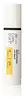
This brightening lip moisturizer is formulated around Ricinus Communis Seed Oil and Ascorbyl Tetraisopalmitate to fade the look of dark spots and hydrate lips.
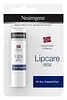
This barrier-repair lip moisturizer is formulated around Ricinus Communis Seed Oil and Cera Alba to strengthen the lip barrier and hydrate lips.


What's inside
What's inside
 Key Ingredients
Benefits
Concerns
Ingredients Side-by-side
Ricinus Communis Seed Oil
Masking




Caprylic/Capric Triglyceride
Masking

Isopropyl Myristate
Emollient



Cera Microcristallina
Emulsion StabilisingCopernicia Cerifera Wax
Helianthus Annuus Seed Oil
Emollient
Butyl Methoxydibenzoylmethane
UV Absorber
Candelilla Cera
Emollient
Ozokerite
Emulsion StabilisingTheobroma Cacao Seed Butter
Emollient
Ethylhexyl Salicylate
UV Absorber
Homosalate
Skin Conditioning
Octocrylene
UV Absorber
Mangifera Indica Seed Butter
Skin Conditioning
Hydrogenated Castor Oil
Emollient
Garcinia Indica Seed Butter
Skin Conditioning
Astrocaryum Murumuru Seed Butter
Emollient
Theobroma Grandiflorum Seed Butter
Skin Conditioning
Prunus Amygdalus Dulcis Oil
Skin Conditioning
Titanium Dioxide
Cosmetic Colorant
Silica
Abrasive


Jojoba Esters
Emollient
Polyhydroxystearic Acid
Emulsifying
Zinc Oxide
Cosmetic Colorant
C12-15 Alkyl Benzoate
AntimicrobialIsostearic Acid
Cleansing
Ascorbyl Tetraisopalmitate
Antioxidant


Tocopherol
Antioxidant



Vanilla Planifolia Fruit Oil
Emollient
Soybean Glycerides
EmollientButyrospermum Parkii Butter Unsaponifiables
Skin Conditioning
Phenylethyl Resorcinol
Antioxidant
Phytosteryl/Octyldodecyl Lauroyl Glutamate
Skin ConditioningLinoleic Acid
Cleansing

Linolenic Acid
Cleansing
Ricinus Communis Seed Oil, Caprylic/Capric Triglyceride, Isopropyl Myristate, Cera Microcristallina, Copernicia Cerifera Wax, Helianthus Annuus Seed Oil, Butyl Methoxydibenzoylmethane, Candelilla Cera, Ozokerite, Theobroma Cacao Seed Butter, Ethylhexyl Salicylate, Homosalate, Octocrylene, Mangifera Indica Seed Butter, Hydrogenated Castor Oil, Garcinia Indica Seed Butter, Astrocaryum Murumuru Seed Butter, Theobroma Grandiflorum Seed Butter, Prunus Amygdalus Dulcis Oil, Titanium Dioxide, Silica, Jojoba Esters, Polyhydroxystearic Acid, Zinc Oxide, C12-15 Alkyl Benzoate, Isostearic Acid, Ascorbyl Tetraisopalmitate, Tocopherol, Vanilla Planifolia Fruit Oil, Soybean Glycerides, Butyrospermum Parkii Butter Unsaponifiables, Phenylethyl Resorcinol, Phytosteryl/Octyldodecyl Lauroyl Glutamate, Linoleic Acid, Linolenic Acid
Ricinus Communis Seed Oil
Masking
Paraffin
Skin Conditioning
Cera Alba
Emollient
Ethylhexyl Methoxycinnamate
UV Absorber
Isodecyl Neopentanoate
EmollientIsopropyl Myristate
Emollient
Cetyl Palmitate
Emollient
Cetearyl Alcohol
Emollient
Butyl Methoxydibenzoylmethane
UV Absorber
Cetyl Alcohol
Emollient
Cera Microcristallina
Emulsion StabilisingVp/Eicosene Copolymer
Isohexadecane
EmollientBisabolol
Antioxidant
Propylene Glycol
Humectant
Stearic Acid
Cleansing
Palmitic Acid
Emollient
Sodium Cetearyl Sulfate
Cleansing
Candelilla Cera
Emollient
Citric Acid
Buffering
Disodium Phosphate
BufferingPotassium Phosphate
BufferingBHT
Antioxidant
Parfum
Masking
CI 77891
Cosmetic ColorantRicinus Communis Seed Oil, Paraffin, Cera Alba, Ethylhexyl Methoxycinnamate, Isodecyl Neopentanoate, Isopropyl Myristate, Cetyl Palmitate, Cetearyl Alcohol, Butyl Methoxydibenzoylmethane, Cetyl Alcohol, Cera Microcristallina, Vp/Eicosene Copolymer, Isohexadecane, Bisabolol, Propylene Glycol, Stearic Acid, Palmitic Acid, Sodium Cetearyl Sulfate, Candelilla Cera, Citric Acid, Disodium Phosphate, Potassium Phosphate, BHT, Parfum, CI 77891
Ingredients Explained
These ingredients are found in both products.
Ingredients higher up in an ingredient list are typically present in a larger amount.
Also known as Avobenzone, this ingredient is an oil-soluble used to absorb the full spectrum of UVA rays (peak 357 nm).
It's one of the most effective UVA filters available but has a major caveat of photostability: avobenzone is susceptible to photodegradation.
This means it can lose efficacy when exposed to sunlight without the help of a stabilizing agent.
Studies show antioxidants (like vitamin E or vitamin C) and some UV filters (like octocrylene and Tinosorb S) can meaningfully improve its stability in a formulation.
The maximum allowable concentration according to regulation is 3% in the US + Canada, and 5% in the EU, Australia, China, Korea, and ASEAN countries.
It has a well-support safety profile: a comprehensive 2025 review found minimal toxicity with no evidence of carcinogenicity.
Overall, avobenzone is a safe and regulated ingredient used in sunscreen for over 40 years.
Learn more about Butyl MethoxydibenzoylmethaneCandelilla Cera isn't fungal acne safe.
Cera Microcristallina, aka microcrystalline wax, is a petroleum-derived wax that helps thicken texture and stabilize the oils in formulas.
It also has mild occlusive properties that creates a film on skin to slow down water loss.
The CIR Expert Panel has concluded this ingredient to be safe as used in cosmetics.
This ingredient is refined to a cosmetic grade with high purity. It is chemically inert, stable, and doesn't clog pores (petroleum has a comedogenic rating of 0).
Malassezia feeds on fatty acids roughly in the C11-24 range and this ingredient contains none of those. Since there's no plausible food source for it here, this ingredient is fungal acne safe.
Learn more about Cera MicrocristallinaIsopropyl Myristate is an ester made by combining isopropyl alcohol with myristic acid.
It is primarily an emollient and penetration enhancer that gives products a lightweight, silky feel without the heaviness of oils.
This ingredient is generally considered non-toxic, non-irritating, and has low absorption potential.
This ingredient does have a comedogenic rating of 3-5, but this doesn't mean a formula with this ingredient will clog pores.
Dermatologist Dr. Zoe Draelos has also confirmed in a peer-reviewed paper that products containing comedogenic ingredients are not necessarily comedogenic themselves.
A small subset of people (~2%) may experience contact sensitivity so patch testing is a reasonable idea if you have reactive skin.
Since this ingredient is an ester of myristic acid (a C14 fatty acid), it falls within the carbon chain range that is known to feed Malassezia. This ingredient may not be fungal acne safe.
Learn more about Isopropyl MyristateThis ingredient is also known as castor oil. It is a skin conditioning ingredient.
The star component of castor oil is ricinoleic acid, an unusual fatty acid that makes up ~80-92% of its composition.
In skincare, it is an emollient that dries down to a solid film with water-binding properties. This helps keep skin hydrated and helps reduce transepidermal water loss (TEWL).
A 2026 dermatology review pulls together its broader uses:
Human clinical testing found this ingredient to be non-irritating and non-sensitizing.
Because castor oil contains fatty acids in the C11-24 range, this ingredient may not be fungal acne safe.
At this time, the literature does not support castor oil in regrowing hair. A 2022 systematic review found no strong evidence that it supports hair growth and only weak evidence that it improves hair shine.
Castor oil itself carries "perfuming" and "masking" function tags according to the official CosIng database. This is because of its mild odor and odor-dampening properties.
Learn more about Ricinus Communis Seed Oil

