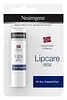
This barrier-repair lip moisturizer is formulated around Ricinus Communis Seed Oil and Cera Alba to strengthen the lip barrier and hydrate lips.
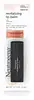
This anti-aging lip moisturizer is formulated around Petrolatum and Butyrospermum Parkii Butter to soften the look of wrinkles and hydrate lips.

What's inside
What's inside
 Key Ingredients
Benefits
Concerns
Ingredients Side-by-side
Ricinus Communis Seed Oil
Masking




Paraffin
Skin Conditioning
Cera Alba
Emollient


Ethylhexyl Methoxycinnamate
UV Absorber

Isodecyl Neopentanoate
EmollientIsopropyl Myristate
Emollient
Cetyl Palmitate
Emollient
Cetearyl Alcohol
Emollient

Butyl Methoxydibenzoylmethane
UV Absorber
Cetyl Alcohol
Emollient
Cera Microcristallina
Emulsion StabilisingVp/Eicosene Copolymer
Isohexadecane
EmollientBisabolol
Antioxidant




Propylene Glycol
Humectant
Stearic Acid
Cleansing
Palmitic Acid
Emollient
Sodium Cetearyl Sulfate
Cleansing
Candelilla Cera
Emollient
Citric Acid
Buffering

Disodium Phosphate
BufferingPotassium Phosphate
BufferingBHT
Antioxidant
Parfum
Masking
CI 77891
Cosmetic ColorantRicinus Communis Seed Oil, Paraffin, Cera Alba, Ethylhexyl Methoxycinnamate, Isodecyl Neopentanoate, Isopropyl Myristate, Cetyl Palmitate, Cetearyl Alcohol, Butyl Methoxydibenzoylmethane, Cetyl Alcohol, Cera Microcristallina, Vp/Eicosene Copolymer, Isohexadecane, Bisabolol, Propylene Glycol, Stearic Acid, Palmitic Acid, Sodium Cetearyl Sulfate, Candelilla Cera, Citric Acid, Disodium Phosphate, Potassium Phosphate, BHT, Parfum, CI 77891
Ethylhexyl Methoxycinnamate 7.5%
UV Absorber
Benzophenone-3 5%
UV Absorber
Hydrogenated Polyisobutene
EmollientPetrolatum
Emollient
Polybutene
Phenyl Trimethicone
Skin Conditioning
Hydrogenated Lanolin
EmollientOzokerite
Emulsion StabilisingMyristyl Myristate
Emollient
Polyethylene
Abrasive
Cetyl Lactate
EmollientButyrospermum Parkii Butter
Skin Conditioning
Bis-Behenyl/Isostearyl/Phytosteryl Dimer Dilinoleyl Dimer Dilinoleate
EmollientEuphorbia Cerifera Wax
Silica
Abrasive

Zinc
Antioxidant

Stearoxymethicone/Dimethicone Copolymer
Emollient
Copernicia Cerifera Wax
Ethylhexyl Palmitate
Emollient
Synthetic Wax
Abrasive
Tribehenin
Emollient
Sorbitan Isostearate
Emulsifying
Palmitoyl Oligopeptide
Cleansing

Pentaerythrityl Tetra-Di-T-Butyl Hydroxyhydrocinnamate
Antioxidant
Isopropyl Titanium Triisostearate
Emollient
Aluminum Hydroxide
EmollientStearic Acid
Cleansing
Copper Powder
AntimicrobialMica
Cosmetic ColorantTitanium Dioxide
Cosmetic Colorant
Iron Oxides
CI 15850
Cosmetic ColorantEthylhexyl Methoxycinnamate 7.5%, Benzophenone-3 5%, Hydrogenated Polyisobutene, Petrolatum, Polybutene, Phenyl Trimethicone, Hydrogenated Lanolin, Ozokerite, Myristyl Myristate, Polyethylene, Cetyl Lactate, Butyrospermum Parkii Butter, Bis-Behenyl/Isostearyl/Phytosteryl Dimer Dilinoleyl Dimer Dilinoleate, Euphorbia Cerifera Wax, Silica, Zinc, Stearoxymethicone/Dimethicone Copolymer, Copernicia Cerifera Wax, Ethylhexyl Palmitate, Synthetic Wax, Tribehenin, Sorbitan Isostearate, Palmitoyl Oligopeptide, Pentaerythrityl Tetra-Di-T-Butyl Hydroxyhydrocinnamate, Isopropyl Titanium Triisostearate, Aluminum Hydroxide, Stearic Acid, Copper Powder, Mica, Titanium Dioxide, Iron Oxides, CI 15850
Ingredients Explained
These ingredients are found in both products.
Ingredients higher up in an ingredient list are typically present in a larger amount.
This ingredient is also known as Octinoxate and is one of the oldest and most widely used chemical UV filters in skincare.
It has a simple job: soap up UVB radiation (290-320 nm), the wavelengths responsible for sunburn and a big chunk of long-term sun damage.
In formulas, it's always paired with a separate UVA filter because octinoxate solely protects skin from UVB.
Because it's an oil-soluble liquid, it's easy to blend into the oil phase of lotions/creams and gives a cosmetically elegant feel.
The one quirk about formulating this ingredient is photostability; the molecule slowly changes shape into a less effective version when sunlight hits it. So the longer you're in the sun, the weaker its protection gets. The drop can be more than 30% in some formulas.
It also doesn't play nice with Avobenzone (the common UVA filter) since avobenzone destabilizes octinoxate and the two degrade each other. But don't worry: brands have solved this issue by adding photostabilizers like Tinosorb S to prevent degradation and keep SPF stable under heavy UV exposure.
The maximum allowed level is 10% in the EU and Australia, 7.5% in the US and Canada, and 20% in Japan.
The Cosmetic Ingredient Review Panel has concluded this ingredient to be safe in cosmetics up to 10%.
One last thing worth knowing for context:
Octinoxate has been the subject of ongoing review in Europe where the Scientific Committee on Consumer Safety's (SCCS) 2025 final opinion is that this ingredient is an endocrine-active substance.
Lab and animal studies suggest it can act a bit like a hormone in the body (mildly mimicking estrogen and slightly blocking male hormones). It's important to know this hasn't really been shown to happen in everyday human use.
This ingredient is also banned in Hawaii over coral reef concerns.
Learn more about Ethylhexyl MethoxycinnamateStearic Acid is a fatty acid that is already found in your skin. It's one of the free fatty acids that works alongside ceramides and cholesterols to maintain your barrier.
In cosmetics, it is a multitasker:
Safety-wise, the CIR Expert Panel has concluded it to be safe in cosmetics when formulated to be non-irritating and non-sensitizing.
Free stearic acid is a C18 fatty acid that the Malassezia yeast can substrate, so this ingredient may not be fungal acne safe.
This ingredient does have a comedogenic rating of 2-3, but this doesn't mean a formula with this ingredient will clog pores.
Human testing has proved that any finished product with this ingredient won't automatically make you break out; it really comes down to concentration, formula, and your skin.
Learn more about Stearic Acid


