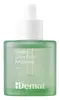
This ampoule is formulated around Sh-Oligopeptide-1 and Sh-Polypeptide-11 to soften signs of aging and support scar healing.
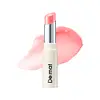
This barrier-repair lip moisturizer is formulated around Caprylic/Capric Triglyceride and Simmondsia Chinensis Seed Oil to strengthen the lip barrier and hydrate lips.

What's inside
What's inside
 Key Ingredients
Benefits
Concerns
Ingredients Side-by-side
Water
Skin ConditioningButylene Glycol
Humectant

Propanediol
Solvent
1,2-Hexanediol
Skin Conditioning
Sh-Oligopeptide-1
Skin Conditioning


Sh-Polypeptide-11
Sh-Oligopeptide-2
Skin Conditioning
Heptasodium Hexacarboxymethyl Dipeptide-12
Skin Conditioning
Sodium Hyaluronate
Humectant

Hydrolyzed Collagen
Emollient
Hydrolyzed Hyaluronic Acid
Humectant
Hyaluronic Acid
Humectant
Betaine
Humectant
Trehalose
Humectant
Allantoin
Skin Conditioning
Panthenol
Skin Conditioning
Beta-Glucan
Skin Conditioning
Tocopherol
Antioxidant



Sodium Acetylated Hyaluronate
Humectant
Hydrolyzed Sodium Hyaluronate
Skin Conditioning
Sodium Hyaluronate Crosspolymer
Humectant
Oenothera Biennis Flower Extract
AstringentChondrus Crispus Extract
Skin Conditioning

Saccharum Officinarum Extract
MoisturisingArginine
Masking
Glycerin
Humectant
Ammonium Acryloyldimethyltaurate/Vp Copolymer
Ethylhexylglycerin
Skin ConditioningHydrogenated Lecithin
Emulsifying
Caprylyl Glycol
Emollient
Sodium Phosphate
BufferingHydroxypropyltrimonium Hyaluronate
Potassium Hyaluronate
Skin ConditioningCarbomer
Emulsion StabilisingDisodium EDTA
ChelatingWater, Butylene Glycol, Propanediol, 1,2-Hexanediol, Sh-Oligopeptide-1, Sh-Polypeptide-11, Sh-Oligopeptide-2, Heptasodium Hexacarboxymethyl Dipeptide-12, Sodium Hyaluronate, Hydrolyzed Collagen, Hydrolyzed Hyaluronic Acid, Hyaluronic Acid, Betaine, Trehalose, Allantoin, Panthenol, Beta-Glucan, Tocopherol, Sodium Acetylated Hyaluronate, Hydrolyzed Sodium Hyaluronate, Sodium Hyaluronate Crosspolymer, Oenothera Biennis Flower Extract, Chondrus Crispus Extract, Saccharum Officinarum Extract, Arginine, Glycerin, Ammonium Acryloyldimethyltaurate/Vp Copolymer, Ethylhexylglycerin, Hydrogenated Lecithin, Caprylyl Glycol, Sodium Phosphate, Hydroxypropyltrimonium Hyaluronate, Potassium Hyaluronate, Carbomer, Disodium EDTA
Tridecyl Trimellitate
EmollientPentaerythrityl Tetraisostearate
Emollient

Caprylic/Capric Triglyceride
Masking
Heptanoic Acid
Perfuming

Octyldodecanol
Emollient
Synthetic Wax
Abrasive

Polyethylene
Abrasive
Polyisobutene
Hydrogenated Polydecene
EmollientBis-Diglyceryl Polyacyladipate-2
Emollient
Behenyl Beeswax
Skin ConditioningIsostearyl Isostearate
Emollient
Phytosteryl/Octyldodecyl Lauroyl Glutamate
Skin ConditioningPolyglyceryl-2 Triisostearate
Emulsifying
Hydrogenated Polyisobutene
EmollientDiisostearyl Malate
EmollientDimer Dilinoleyl Dimer Dilinoleate
EmollientCaprylyl/Capryl Glucoside
CleansingDiisopropyl Sebacate
EmollientMenthyl PCA
HumectantMicrocrystalline Wax
Emulsion StabilisingOenothera Biennis Oil
Emollient
Cocos Nucifera Oil
Masking
Simmondsia Chinensis Seed Oil
Emollient
Ethylene/Propylene Copolymer
Abrasive
Menthyl Lactate
Masking
Tocopherol
Antioxidant
Citrus Aurantium Dulcis Peel Oil
Masking
Titanium Dioxide
Cosmetic Colorant

Silica
Abrasive

Ceramide NP
Skin Conditioning
Parfum
Masking
Glyceryl Behenate
Emollient
1,2-Hexanediol
Skin Conditioning
Hydroxyethylcellulose
Emulsion StabilisingHydrolyzed Collagen
Emollient
Theobroma Cacao Seed Extract
Antioxidant
CI 45380
Cosmetic ColorantCI 19140
Cosmetic ColorantCI 45100
Cosmetic ColorantTridecyl Trimellitate, Pentaerythrityl Tetraisostearate, Caprylic/Capric Triglyceride, Heptanoic Acid, Octyldodecanol, Synthetic Wax, Polyethylene, Polyisobutene, Hydrogenated Polydecene, Bis-Diglyceryl Polyacyladipate-2, Behenyl Beeswax, Isostearyl Isostearate, Phytosteryl/Octyldodecyl Lauroyl Glutamate, Polyglyceryl-2 Triisostearate, Hydrogenated Polyisobutene, Diisostearyl Malate, Dimer Dilinoleyl Dimer Dilinoleate, Caprylyl/Capryl Glucoside, Diisopropyl Sebacate, Menthyl PCA, Microcrystalline Wax, Oenothera Biennis Oil, Cocos Nucifera Oil, Simmondsia Chinensis Seed Oil, Ethylene/Propylene Copolymer, Menthyl Lactate, Tocopherol, Citrus Aurantium Dulcis Peel Oil, Titanium Dioxide, Silica, Ceramide NP, Parfum, Glyceryl Behenate, 1,2-Hexanediol, Hydroxyethylcellulose, Hydrolyzed Collagen, Theobroma Cacao Seed Extract, CI 45380, CI 19140, CI 45100
Reviews
Ingredients Explained
These ingredients are found in both products.
Ingredients higher up in an ingredient list are typically present in a larger amount.
1,2-Hexanediol is a synthetic liquid and another multi-functional powerhouse.
It is a:
- Humectant, drawing moisture into the skin
- Emollient, helping to soften skin
- Solvent, dispersing and stabilizing formulas
- Preservative booster, enhancing the antimicrobial activity of other preservatives
Hydrolyzed Collagen is Collagen (usually sourced from fish, bovine, or porcine byproducts) that's been broken down into smaller peptides. This makes it water-soluble and easy to blend into formulations.
In a formula, it works mainly as a skin-conditioning and moisturizing agent.
The small peptides and amino acids (including Natural Moisturizing Factor components like Hydroxyproline, Serine, and Aspartic Acid) help the surface of the skin hold onto water, feel softer, and look temporarily plumper.
This ingredient also has mild film-forming and antioxidant properties with research showing the antioxidant effect is stronger the lower the molecular weight of the peptides.
It's worth being realistic here:
Topically applied Hydrolyzed Collagen conditions the upper layers of skin rather than rebuilding the structural collagen deep in your dermis (the wrinkle-and-firmness benefits people associate with Collagen mostly come from oral supplements in studies, not topicals).
However, recent lab and skin-model work on Hydrolyzed Fish Collagen has shown promising effects on cell viability and wound healing when used as an active.
Typical concentrations range from 0.2-2%, but the percentage can go much higher in rinse-off or hair products (sometimes even above 50%).
Clinical studies on this ingredient showed no irritation, sensitization, or phototoxicity.
If you are looking for vegan collagen, it usually goes by a different INCI name like hydrolyzed soy protein. Vegan collagen is derived from yeast, bacteria, or plant sources.
The results are varied.
A study from 2021 found hydrolyzed collagen increased elasticity and improved wrinkles in 1,125 participants between age 20 and 70. Another study found increased skin thickness in participants between the ages of 45 to 59.
However, It is difficult to prove that oral collagen will end up working on your skin. Many of the studies using hydrolyzed collagen also add several vitamins and nutrients into the test mixture as well.
Further studies are needed at this time.
Learn more about Hydrolyzed CollagenTocopherol is a fat-soluble antioxidant known as Vitamin E.
You'll find this ingredient in the vast majority of skincare (for good reason). It works to neutralize free radicals, or unstable molecules generated by UV exposure, pollution, and other environmental stressors, before they can cause oxidative damage to your skin cells.
Topically applied tocopherol has been shown to protect against UV damage by ramping up the skin's own natural defense enzymes.
It also acts as a skin conditioning agent; some studies show that regular topical use can improve the skin's water-binding capacity over 2-4 weeks.
This ingredient is especially loved for being a team player. When combined with Vitamin C, the photoprotective effect of both ingredients roughly doubles and the combo also helps reduce UV-induced DNA damage.
This ingredient has some brightening potential but it's more of a prevention ingredient than spot-fader. Cell studies show it can slow down melanin production but it's worth noting that it's not the most powerful brightener out there.
In formulations, it also serves as a stabilizer that helps protect other oxidation-prone ingredients from degrading.
Concentrations usually range from 0.1-1% in most leave-on products.
Learn more about Tocopherol

