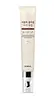
This anti-aging eye moisturizer is formulated around Collagen Extract and Niacinamide to soften the look of wrinkles and hydrate skin.
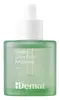
This ampoule is formulated around Sh-Oligopeptide-1 and Sh-Polypeptide-11 to soften signs of aging and support scar healing.

What's inside
What's inside
 Key Ingredients
Benefits
Concerns
No concerns
Ingredients Side-by-side
Collagen Extract
Skin Conditioning

Dipropylene Glycol
HumectantWater
Skin ConditioningNiacinamide
Smoothing










1,2-Hexanediol
Skin Conditioning
Hydrolyzed Collagen
Emollient
Copper Tripeptide-1
Skin Conditioning
Acetyl Hexapeptide-8
Humectant
Caffeoyl Sh-Decapeptide-9
Skin Conditioning
Oligopeptide-29
Antioxidant
Sh-Pentapeptide-19
Skin Conditioning
Sh-Oligopeptide-9
Humectant
Sh-Octapeptide-4
Antioxidant
Sh-Decapeptide-7
Antioxidant
Hippophae Rhamnoides Fruit Extract
Skin Conditioning
Trehalose
Humectant
Adenosine
Skin Conditioning
Carbomer
Emulsion StabilisingSodium Polyacryloyldimethyl Taurate
Emulsion StabilisingEthylhexylglycerin
Skin ConditioningPentylene Glycol
Skin Conditioning
Hydroxyacetophenone
Antioxidant
Collagen Extract, Dipropylene Glycol, Water, Niacinamide, 1,2-Hexanediol, Hydrolyzed Collagen, Copper Tripeptide-1, Acetyl Hexapeptide-8, Caffeoyl Sh-Decapeptide-9, Oligopeptide-29, Sh-Pentapeptide-19, Sh-Oligopeptide-9, Sh-Octapeptide-4, Sh-Decapeptide-7, Hippophae Rhamnoides Fruit Extract, Trehalose, Adenosine, Carbomer, Sodium Polyacryloyldimethyl Taurate, Ethylhexylglycerin, Pentylene Glycol, Hydroxyacetophenone
Water
Skin ConditioningButylene Glycol
Humectant
Propanediol
Solvent
1,2-Hexanediol
Skin Conditioning
Sh-Oligopeptide-1
Skin Conditioning
Sh-Polypeptide-11
Sh-Oligopeptide-2
Skin Conditioning
Heptasodium Hexacarboxymethyl Dipeptide-12
Skin Conditioning
Sodium Hyaluronate
Humectant
Hydrolyzed Collagen
Emollient
Hydrolyzed Hyaluronic Acid
Humectant
Hyaluronic Acid
Humectant
Betaine
Humectant
Trehalose
Humectant
Allantoin
Skin Conditioning
Panthenol
Skin Conditioning
Beta-Glucan
Skin Conditioning
Tocopherol
Antioxidant
Sodium Acetylated Hyaluronate
Humectant
Hydrolyzed Sodium Hyaluronate
Skin Conditioning
Sodium Hyaluronate Crosspolymer
Humectant
Oenothera Biennis Flower Extract
AstringentChondrus Crispus Extract
Skin Conditioning

Saccharum Officinarum Extract
MoisturisingArginine
Masking
Glycerin
Humectant
Ammonium Acryloyldimethyltaurate/Vp Copolymer
Ethylhexylglycerin
Skin ConditioningHydrogenated Lecithin
Emulsifying
Caprylyl Glycol
Emollient
Sodium Phosphate
BufferingHydroxypropyltrimonium Hyaluronate
Potassium Hyaluronate
Skin ConditioningCarbomer
Emulsion StabilisingDisodium EDTA
ChelatingWater, Butylene Glycol, Propanediol, 1,2-Hexanediol, Sh-Oligopeptide-1, Sh-Polypeptide-11, Sh-Oligopeptide-2, Heptasodium Hexacarboxymethyl Dipeptide-12, Sodium Hyaluronate, Hydrolyzed Collagen, Hydrolyzed Hyaluronic Acid, Hyaluronic Acid, Betaine, Trehalose, Allantoin, Panthenol, Beta-Glucan, Tocopherol, Sodium Acetylated Hyaluronate, Hydrolyzed Sodium Hyaluronate, Sodium Hyaluronate Crosspolymer, Oenothera Biennis Flower Extract, Chondrus Crispus Extract, Saccharum Officinarum Extract, Arginine, Glycerin, Ammonium Acryloyldimethyltaurate/Vp Copolymer, Ethylhexylglycerin, Hydrogenated Lecithin, Caprylyl Glycol, Sodium Phosphate, Hydroxypropyltrimonium Hyaluronate, Potassium Hyaluronate, Carbomer, Disodium EDTA
Reviews
Ingredients Explained
These ingredients are found in both products.
Ingredients higher up in an ingredient list are typically present in a larger amount.
1,2-Hexanediol is a synthetic liquid and another multi-functional powerhouse.
It is a:
- Humectant, drawing moisture into the skin
- Emollient, helping to soften skin
- Solvent, dispersing and stabilizing formulas
- Preservative booster, enhancing the antimicrobial activity of other preservatives
Carbomer is a synthetic thickening and gelling agent. It's basically the ingredient that gives a lot of serums, gels, creams, and sunscreens their smooth, non-sticky texture.
Although legally permitted at very high levels, carbomers are normally used at concentrations below 1%.
It also needs to be neutralized to actually thicken, and because it is a large molecule, it doesn't really penetrate the skin barrier.
Allergy-wise, the risk is very low. Clinical studies show carbomers have low potential for skin irritation/sensitization even at concentrations up to 100%.
A 2024 UK study patch-tested 1,302 patients and found true allergy to the parent group of carbomer to be rare with no confirmed relevant reactions.
Learn more about CarbomerEthylhexylglycerin is created from glycerin. It is a multitasker ingredient that:
The CIR Expert Panel found minimal skin absorption or sensitization of any kind in a safety assessment. Though this ingredient is considered well-tolerated, a small number of cases of allergic dermatitis have been published since 2002. Just be sure to patch test if you are unsure.
Industry-reported use ranges from 8% in rinse-off products and 2% in leave-on formulations.
Learn more about EthylhexylglycerinHydrolyzed Collagen is Collagen (usually sourced from fish, bovine, or porcine byproducts) that's been broken down into smaller peptides. This makes it water-soluble and easy to blend into formulations.
In a formula, it works mainly as a skin-conditioning and moisturizing agent.
The small peptides and amino acids (including Natural Moisturizing Factor components like Hydroxyproline, Serine, and Aspartic Acid) help the surface of the skin hold onto water, feel softer, and look temporarily plumper.
This ingredient also has mild film-forming and antioxidant properties with research showing the antioxidant effect is stronger the lower the molecular weight of the peptides.
It's worth being realistic here:
Topically applied Hydrolyzed Collagen conditions the upper layers of skin rather than rebuilding the structural collagen deep in your dermis (the wrinkle-and-firmness benefits people associate with Collagen mostly come from oral supplements in studies, not topicals).
However, recent lab and skin-model work on Hydrolyzed Fish Collagen has shown promising effects on cell viability and wound healing when used as an active.
Typical concentrations range from 0.2-2%, but the percentage can go much higher in rinse-off or hair products (sometimes even above 50%).
Clinical studies on this ingredient showed no irritation, sensitization, or phototoxicity.
If you are looking for vegan collagen, it usually goes by a different INCI name like hydrolyzed soy protein. Vegan collagen is derived from yeast, bacteria, or plant sources.
The results are varied.
A study from 2021 found hydrolyzed collagen increased elasticity and improved wrinkles in 1,125 participants between age 20 and 70. Another study found increased skin thickness in participants between the ages of 45 to 59.
However, It is difficult to prove that oral collagen will end up working on your skin. Many of the studies using hydrolyzed collagen also add several vitamins and nutrients into the test mixture as well.
Further studies are needed at this time.
Learn more about Hydrolyzed CollagenTrehalose is a disaccharide made of two glucose molecules (glucose is sugar!). Trehalose is used to help moisturize skin. It also has antioxidant properties.
As a humectant, trehalose helps draw moisture from the air to your skin. This helps keep your skin hydrated.
Due to its antioxidant properties, trehalose may help with signs of aging. Antioxidants help fight free-radical molecules, unstable molecules that may damage your skin.
In medicine, trehalose and hyaluronic acid are used to help treat dry eyes.
Some animals, plants, and bacteria create trehalose as a source of energy to survive freeze or lack of water.
Learn more about TrehaloseWater. It's the most common cosmetic ingredient of all. You'll usually see it at the top of ingredient lists, meaning that it makes up the largest part of the product.
So why is it so popular? Water most often acts as a solvent - this means that it helps dissolve other ingredients into the formulation.
You'll also recognize water as that liquid we all need to stay alive. If you see this, drink a glass of water. Remember to stay hydrated!
Learn more about Water

