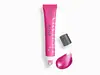
This barrier-repair lip moisturizer is formulated around Caprylic/Capric Triglyceride and Bis-Diglyceryl Polyacyladipate-2 to strengthen the lip barrier and hydrate lips.
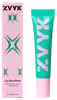
This barrier-repair lip moisturizer is formulated around Sodium Hyaluronate and Butyrospermum Parkii Butter to strengthen the lip barrier and hydrate lips.


What's inside
What's inside
 Key Ingredients
Benefits
Concerns
Ingredients Side-by-side
Diisostearyl Malate
EmollientDimer Dilinoleyl Dimer Dilinoleate
EmollientPolyisobutene
Pentaerythrityl Tetraisostearate
Emollient

Caprylic/Capric Triglyceride
Masking


Bis-Diglyceryl Polyacyladipate-2
Emollient
Hydrogenated Polyisobutene
EmollientCera Microcristallina
Emulsion StabilisingIsononyl Isononanoate
EmollientSilica Dimethyl Silylate
EmollientSynthetic Wax
Abrasive

Polyglyceryl-2 Triisostearate
Emulsifying
Synthetic Beeswax
Emulsion Stabilising
1,2-Hexanediol
Skin Conditioning
Caprylyl Glycol
Emollient
Ethylhexylglycerin
Skin ConditioningPhytosteryl Oleate
Skin ConditioningTridecyl Trimellitate
EmollientRicinus Communis Seed Oil
Masking

Simmondsia Chinensis Seed Oil
Emollient
Butyrospermum Parkii Butter
Skin Conditioning

Helianthus Annuus Seed Oil
Emollient
Mangifera Indica Seed Butter
Skin Conditioning
Glycerin
Humectant
Water
Skin ConditioningSclerotium Gum
Emulsion StabilisingPapain
Skin Conditioning

Polyhydroxystearic Acid
Emulsifying
CI 77491
Cosmetic ColorantCI 15850
Cosmetic ColorantDiisostearyl Malate, Dimer Dilinoleyl Dimer Dilinoleate, Polyisobutene, Pentaerythrityl Tetraisostearate, Caprylic/Capric Triglyceride, Bis-Diglyceryl Polyacyladipate-2, Hydrogenated Polyisobutene, Cera Microcristallina, Isononyl Isononanoate, Silica Dimethyl Silylate, Synthetic Wax, Polyglyceryl-2 Triisostearate, Synthetic Beeswax, 1,2-Hexanediol, Caprylyl Glycol, Ethylhexylglycerin, Phytosteryl Oleate, Tridecyl Trimellitate, Ricinus Communis Seed Oil, Simmondsia Chinensis Seed Oil, Butyrospermum Parkii Butter, Helianthus Annuus Seed Oil, Mangifera Indica Seed Butter, Glycerin, Water, Sclerotium Gum, Papain, Polyhydroxystearic Acid, CI 77491, CI 15850
Bis-Behenyl/Isostearyl/Phytosteryl Dimer Dilinoleyl Dimer Dilinoleate
EmollientDiisostearyl Malate
EmollientHydrogenated Polyisobutene
EmollientIsononyl Isononanoate
EmollientPolyglyceryl-2 Triisostearate
Emulsifying
Silica Dimethyl Silylate
EmollientSynthetic Wax
Abrasive
1,2-Hexanediol
Skin Conditioning
Polyhydroxystearic Acid
Emulsifying
Sodium Hyaluronate
Humectant


Butyrospermum Parkii Butter
Skin Conditioning
Tocopheryl Acetate
Antioxidant


Tremella Fuciformis Extract
Humectant
Oryza Sativa Extract
Absorbent
Helianthus Annuus Seed Oil
Emollient
Ricinus Communis Seed Oil
Masking
Microcrystalline Wax
Emulsion StabilisingCaprylyl Glycol
Emollient
Silica Silylate
Emollient
Ethylene/Propylene Copolymer
Abrasive
Parfum
Masking

Butylene Glycol
Humectant
Sorbitan Olivate
Emulsifying
Water
Skin ConditioningCaproic Acid
Cleansing
Bis-Behenyl/Isostearyl/Phytosteryl Dimer Dilinoleyl Dimer Dilinoleate, Diisostearyl Malate, Hydrogenated Polyisobutene, Isononyl Isononanoate, Polyglyceryl-2 Triisostearate, Silica Dimethyl Silylate, Synthetic Wax, 1,2-Hexanediol, Polyhydroxystearic Acid, Sodium Hyaluronate, Butyrospermum Parkii Butter, Tocopheryl Acetate, Tremella Fuciformis Extract, Oryza Sativa Extract, Helianthus Annuus Seed Oil, Ricinus Communis Seed Oil, Microcrystalline Wax, Caprylyl Glycol, Silica Silylate, Ethylene/Propylene Copolymer, Parfum, Butylene Glycol, Sorbitan Olivate, Water, Caproic Acid
Ingredients Explained
These ingredients are found in both products.
Ingredients higher up in an ingredient list are typically present in a larger amount.
1,2-Hexanediol is a synthetic liquid and another multi-functional powerhouse.
It is a:
- Humectant, drawing moisture into the skin
- Emollient, helping to soften skin
- Solvent, dispersing and stabilizing formulas
- Preservative booster, enhancing the antimicrobial activity of other preservatives
This ingredient is also known as shea butter. It is a plant-derived extract from the nuts of the Africa shea tree and one of the most well-studied emollients.
Because it has a high concentration of fatty acids (primarily oleic, stearic, and linoleic) it is able to form a protective barrier on the skin's surface. This helps seal in moisture and prevents transepidermal water loss (TEWL).
In vitro research found an increase in skin hydration by 58% and a decrease in TEWL by 37.8% after 24 hours of applying this ingredient (pretty impressive for a single ingredient!).
Besides hydration, shea butter also contains triterpenes that have anti-inflammatory potential. In particule, lupeol cinnamate has shown the highest anti-inflammatory activity in vivo.
Shea butter also contains vitamins A and E which may contribute to antioxidant activity.
While Shea Butter has an SPF rating of about 3-4, it is not a sunscreen replacement.
This ingredient may not be fungal acne safe because its fatty acids fall within the C11-C24 range that the Malassezia yeast can metabolize.
This ingredient shows up on a lot of "pore-clogging" lists but there's no real evidence behind that. It doesn't even have a comedogenic rating from an actual study; the numbers you'll find online come from blogs citing other blogs.
Ratings for other ingredients mostly come from a 1980s rabbit ear test. This test doesn't translate well to human skin or to real products because the ingredient sits at a much lower percentage.
Some people still find it breaks them out. So if that's you, definitely trust your skin. Just know this one's based on experience and not evidence.
Learn more about Butyrospermum Parkii ButterCaprylyl Glycol is a humectant, skin conditioner, emollient, and preservative booster derived from either caprylic acid or synthetically created.
Typical use levels vary from 0.3-1% as a preservative booster and go up to 2% to condition skin.
Because it is not a free-fatty acid, this ingredient is fungal acne safe (there's nothing for Malassezia to feed on).
Learn more about Caprylyl GlycolDiisostearyl Malate is an emollient and most often used in lip products. It comes from isostearyl alcohol, a fatty acid, and malic acid, an AHA.
As an emollient, Diisostearyl Malate helps create a thin film on your skin to trap moisture in. This helps keep your skin soft and smooth.
Helianthus Annuus Seed Oil is a plant oil derived from the seeds of a sunflower.
It is rich in fatty acids, primarily linoleic acid and oleic acid. This gives it emollient and skin conditioning properties.
The reason this ingredient is so effective is because it forms a thin film on the skin that reduces transepidermal water loss (TEWL) while supplying linoleic acid to the stratum corneum to improve barrier strength.
The high linoleic acid content is particularly noteworthy for acne-prone skin.
Research suggests that acne-prone skin tends to be deficient in linoleic acid in sebum. Topical application may help replenish this to support a healthier follicular environment and less comedone-promoting sebum.
One randomized study found sunflower seed oil preserved skin barrier integrity in adult volunteers with and without atopic dermatitis (outperforming olive oil).
This ingredient is well-studied, gentle, and an effective emollient suitable for most skin types.
On fungal acne: This ingredient may not be Fungal acne (Malassezia folliculitis) safe. This is because it contains fatty acids with carbon chain lengths in the C11-C24 range.
Learn more about Helianthus Annuus Seed OilHydrogenated Polyisobutene is a synthetic polymer. Polymers are compounds with high molecular weight. Hydrogenated Polyisobutene is an emollient and texture enhancer.
In one study, Hydrogenated Polyisobutene showed better skin hydration levels than Caprylic/Capric Triglyceride. As an emollient, it helps keep your skin soft and hydrated by trapping moisture in.
Hydrogenated Polyisobutene is often used as a mineral oil replacement.
Learn more about Hydrogenated PolyisobuteneIsononyl Isononanoate is a synthetic skin-conditioner and texture enhancer. It is created from nonanoic acid, a fatty acid found in cocoa and lavender oil.
As an emollient, Isononyl Isononanoate helps keep your skin soft and smooth. This is because emollients create a barrier on the skin to trap moisture in.
Isononyl Isononanoate helps give products a velvet feel and improves spreadability.
Learn more about Isononyl IsononanoatePolyglyceryl-2 Triisostearate is a plant-derived emulsifier and pigment-dispersing agent with a non-sticky skin feel.
It helps products glide on smoothly and prevents oil and water from separating in a formula, making it suitable for sunscreen and makeup formulations.
The EU inventory of cosmetics has no use restrictions on this ingredient and it is considered well-tolerated.
This ingredient may not be fungal acne safe because it is derived from isostearic acid.
Learn more about Polyglyceryl-2 TriisostearatePolyhydroxystearic Acid is a vegetable-derived soft wax made from castor oil. It's an emulsion stabilizer, thickener, and film former.
You'll likely see it in sunscreens because it helps disperse pigments and UV-reflecting minerals like titanium dioxide and zinc oxide evenly.
Depending on the concentration, it can drastically change the texture of a product from pasty solid (like lipstick) to sprayable liquid.
The CIR Expert Panel for Cosmetic Ingredient Safety has concluded this ingredient to be safe in cosmetics. The highest reported use concentration is 14.2% in lipsticks.
Learn more about Polyhydroxystearic AcidThis ingredient is also known as castor oil. It is a skin conditioning ingredient.
The star component of castor oil is ricinoleic acid, an unusual fatty acid that makes up ~80-92% of its composition.
In skincare, it is an emollient that dries down to a solid film with water-binding properties. This helps keep skin hydrated and helps reduce transepidermal water loss (TEWL).
A 2026 dermatology review pulls together its broader uses:
Human clinical testing found this ingredient to be non-irritating and non-sensitizing.
Because castor oil contains fatty acids in the C11-24 range, this ingredient may not be fungal acne safe.
At this time, the literature does not support castor oil in regrowing hair. A 2022 systematic review found no strong evidence that it supports hair growth and only weak evidence that it improves hair shine.
Castor oil itself carries "perfuming" and "masking" function tags according to the official CosIng database. This is because of its mild odor and odor-dampening properties.
Learn more about Ricinus Communis Seed OilThis silica is mainly used to thicken oils and suspend particles in oils. It is not water soluble.
According to the manufacturer, it:
The manufacturer also claims this ingredient to be useful in makeup.
In lipstick formulations, this ingredient improves color payoff, reduces pigment settling, and reduces oil bleeding. This ingredient also improves the grip of powder products such as dry shampoos.
Learn more about Silica Dimethyl SilylateSynthetic Wax is a manufactured hydrocarbon wax. In formulas, it works as an occlusive emollient that helps reduce water loss and improves the spreadability of products.
Research comparing synthetic wax to traditional mineral-derived products found that formulas containing it perform as well for skin hydration.
It is considered non-comedogenic and vegan-friendly.
This ingredient has a well-established safety record by the CIR Expert Panel for Cosmetic Ingredient Safety.
Synthetic Waxes are straight/branched-chain hydrocarbons with no ester bond or fatty acids. That means there is nothing for the Malassezia yeast to feed on.
Learn more about Synthetic WaxWater. It's the most common cosmetic ingredient of all. You'll usually see it at the top of ingredient lists, meaning that it makes up the largest part of the product.
So why is it so popular? Water most often acts as a solvent - this means that it helps dissolve other ingredients into the formulation.
You'll also recognize water as that liquid we all need to stay alive. If you see this, drink a glass of water. Remember to stay hydrated!
Learn more about Water

